
































































































































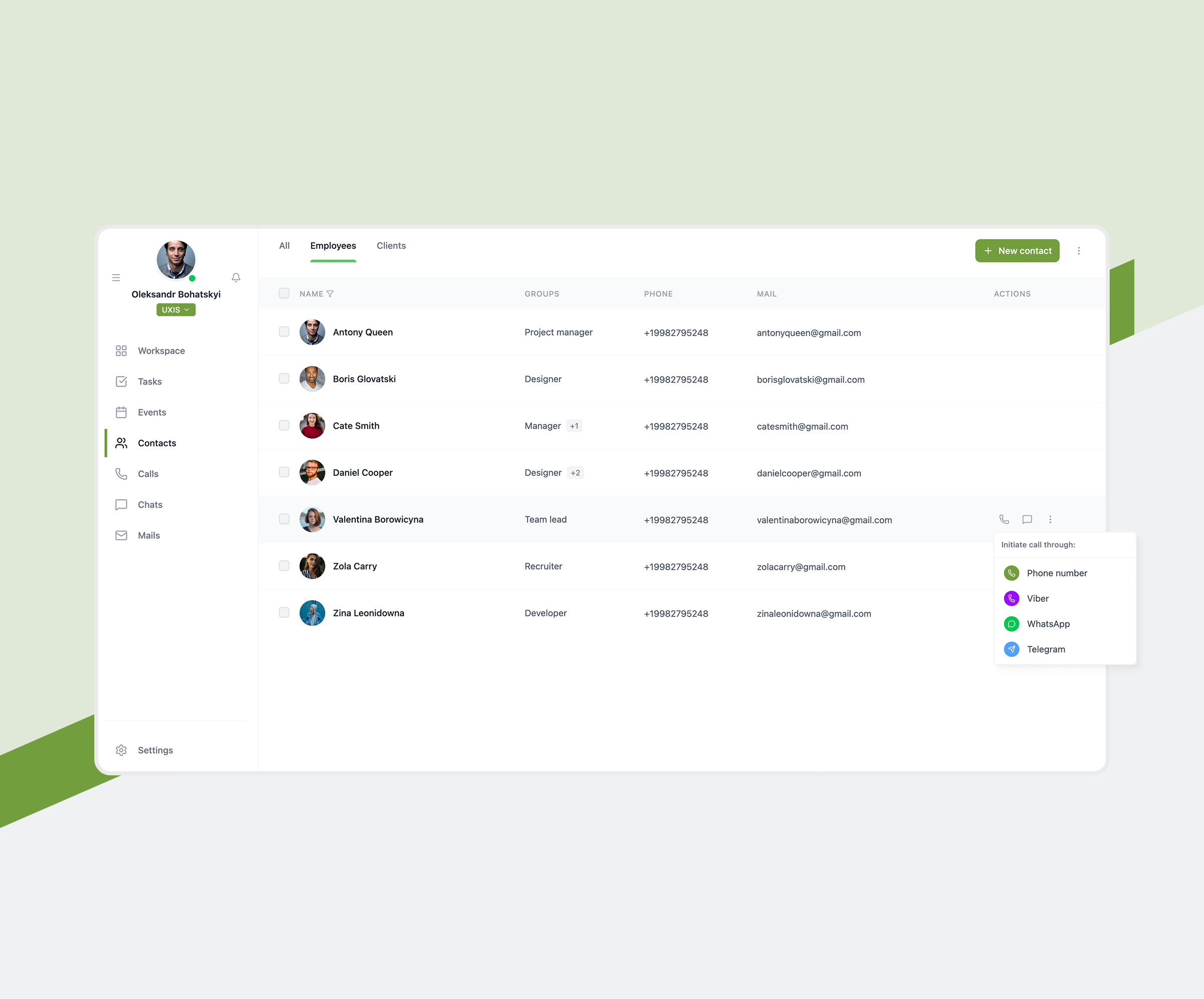
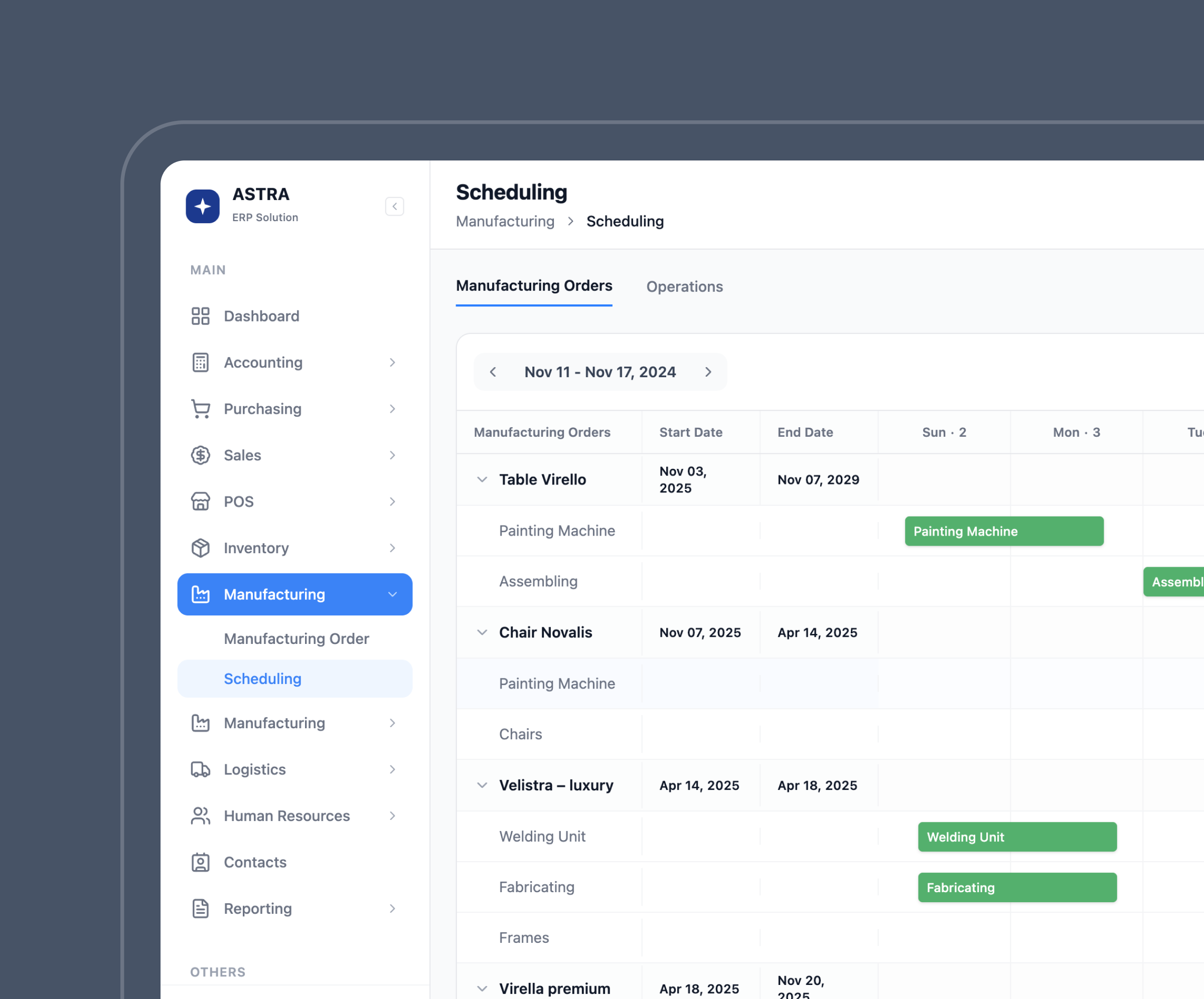
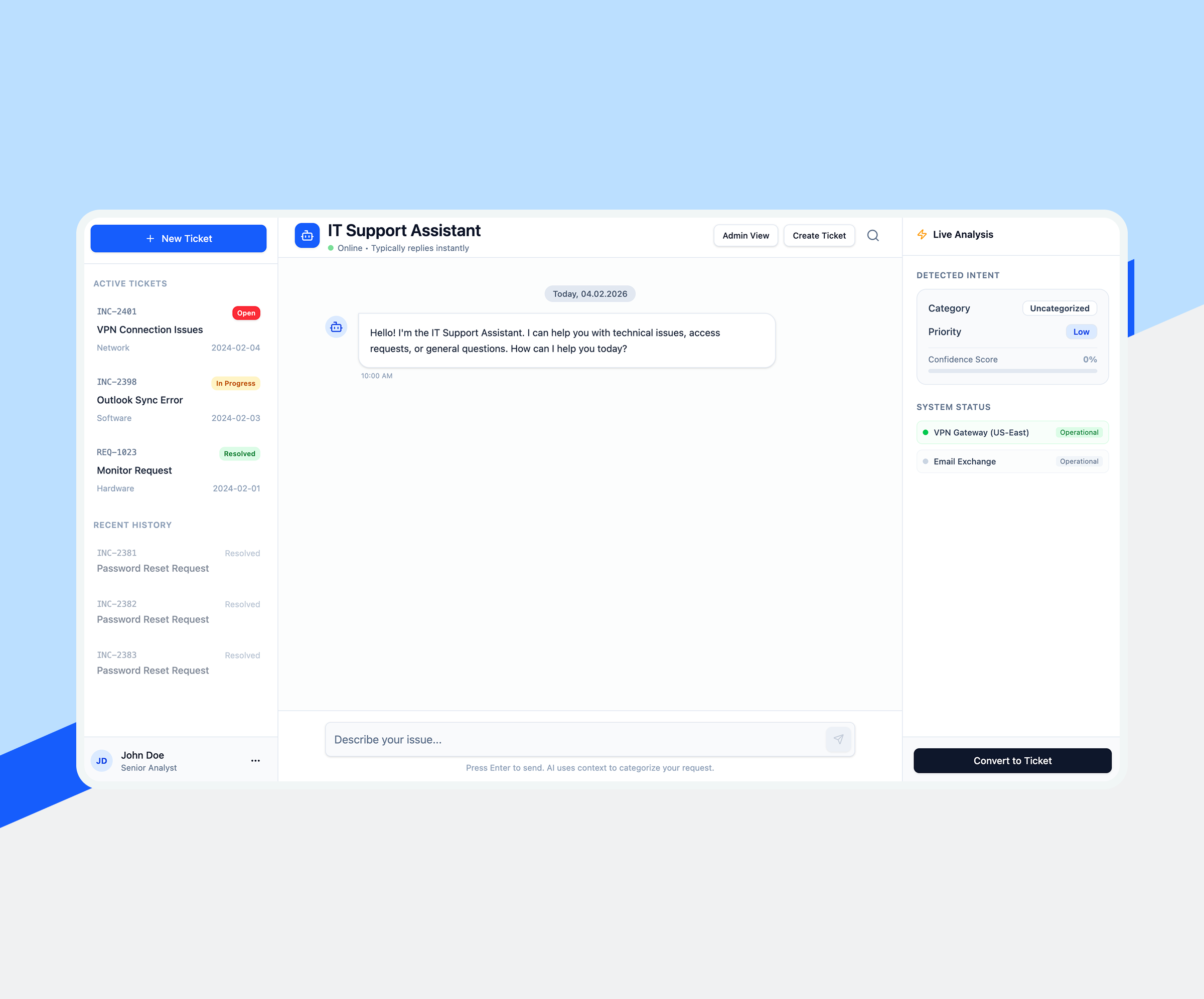
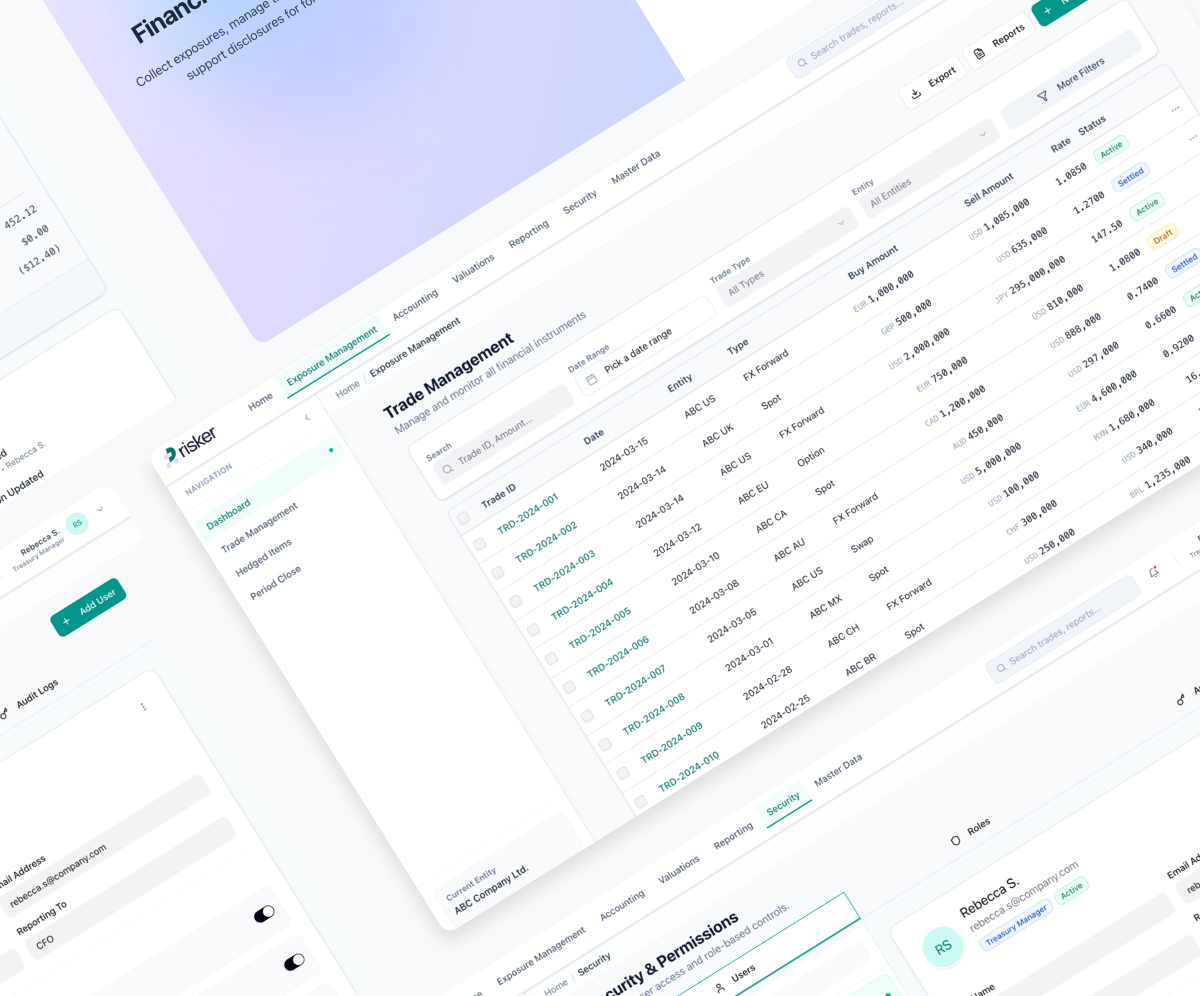
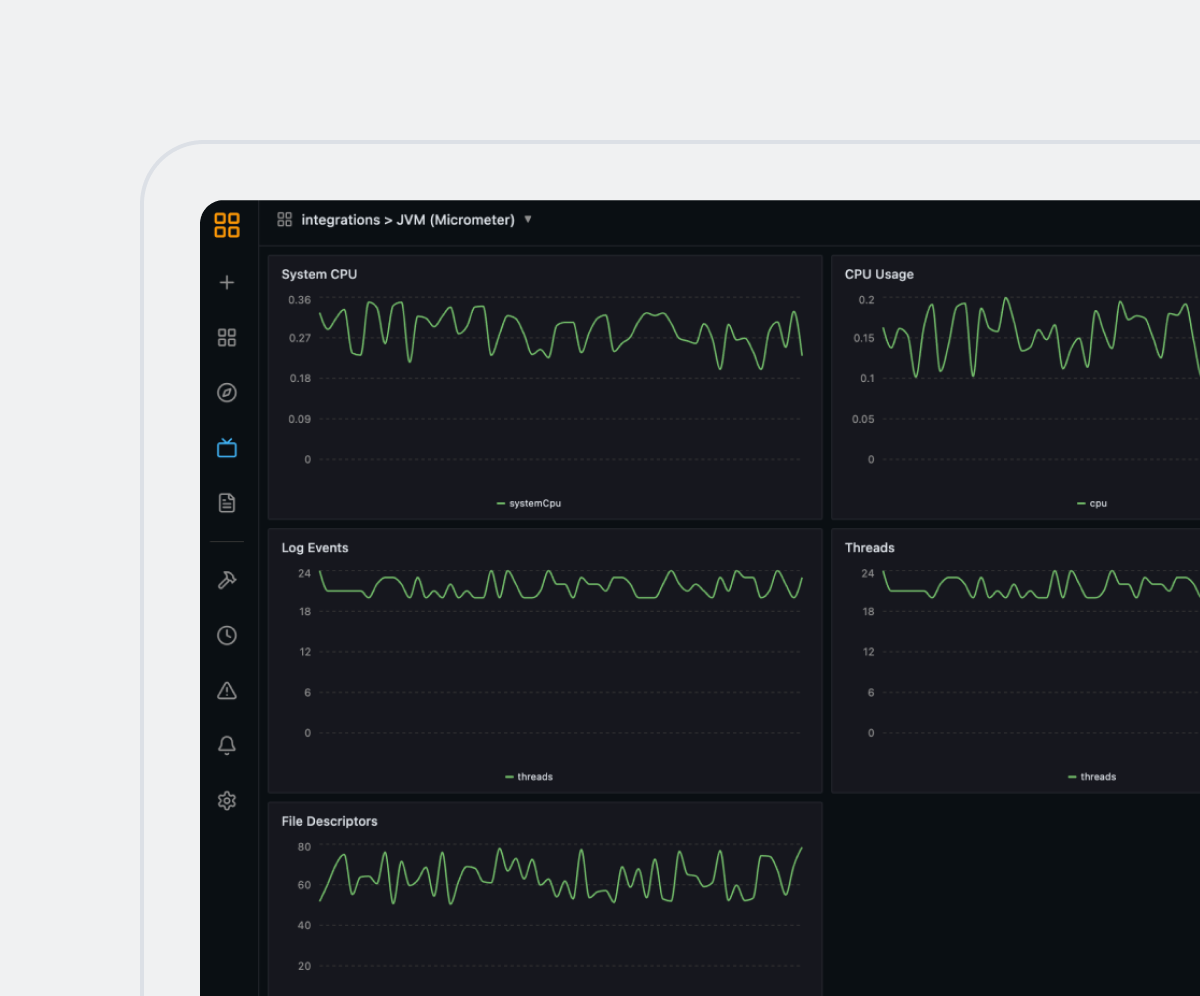
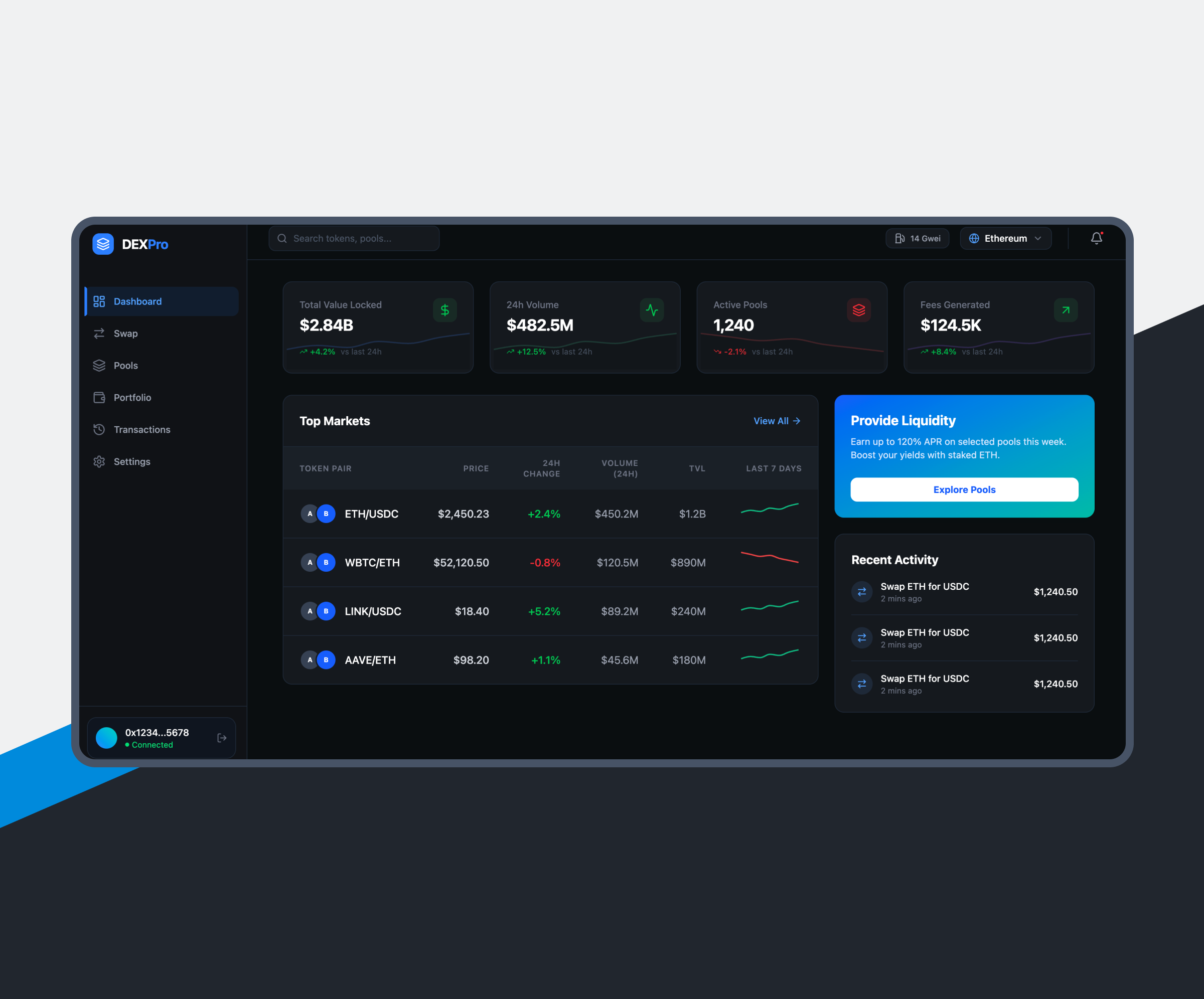
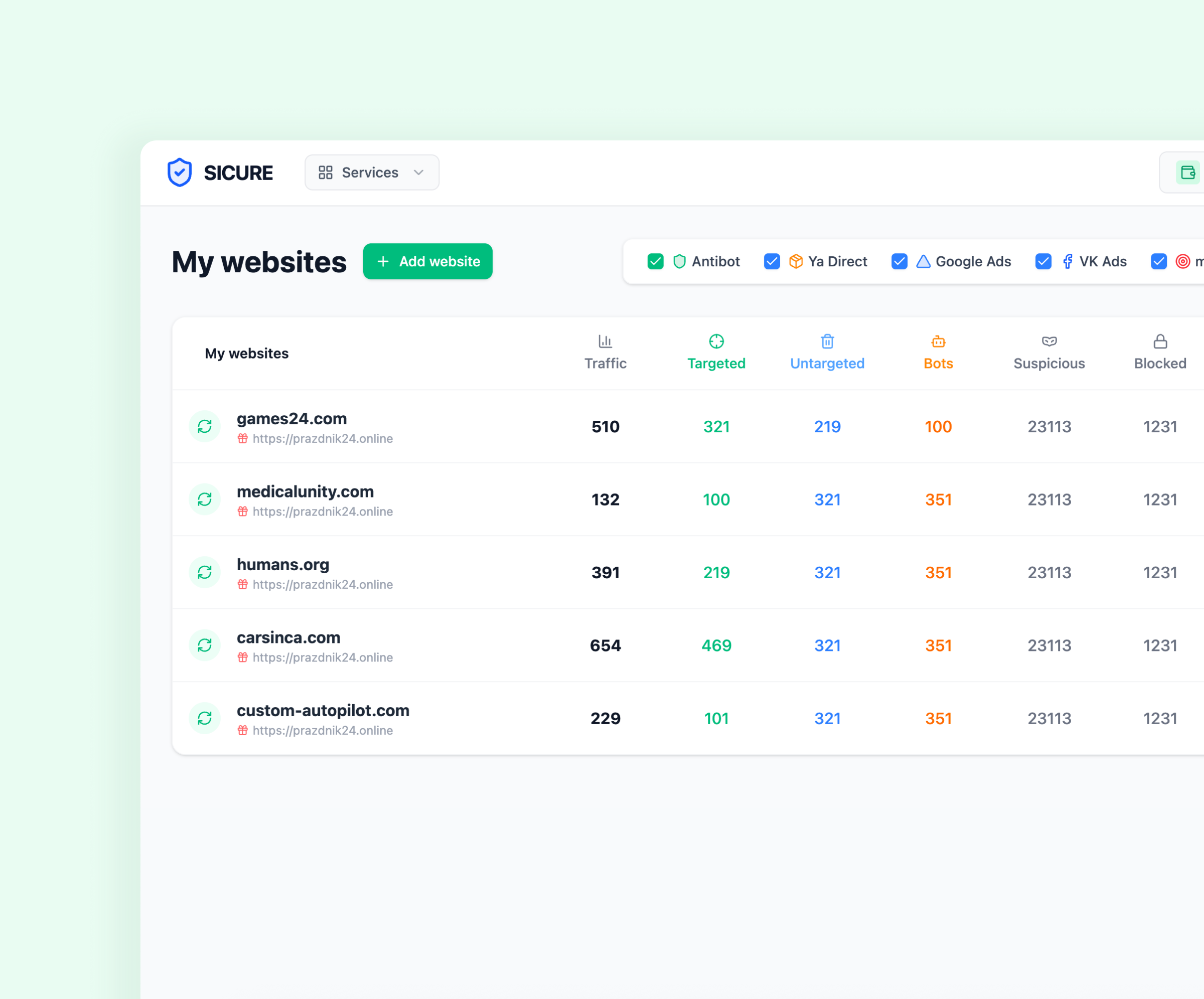
Retail CRM is a customer relationship management system that integrates customer data, sales workflows, marketing, service, orders, and loyalty programs in a single place. It is designed for retailers selling in stores, e-commerce, apps, and marketplaces. The result is faster sales automation in retail, more relevant offers, a more user-friendly CRM for retail business processes, and measurable retail loyalty automation programs thanks to retail CRM development services.
Retail growth will continue in 2026, but growth alone is not enough to streamline sales. The NRF forecasts US retail sales to grow 4.4% to $5.6 trillion, while Salesforce reports that 56% of customers expect personalized offers, and 85% expect consistent cross-departmental communication. This means that customer relationship management in retail must go beyond email automation. Retail software development services help connect retail customer data with orders, inventory, service, promotions, and loyalty program workflows so teams can operate from a single, trusted view of the customer.
Key Takeaways
- The National Research Foundation (NRF) forecasts US retail sales to grow 4.4% in 2026, reaching $5.6 trillion. To compete in this environment, retailers need profitable software development that reduces manual labor and supports software development cost optimization across sales, service, and marketing departments.
- Personalization and consistency are now key expectations. According to Salesforce, 56% of customers expect personalized offers, and 85% expect consistent interactions across departments. CRM helps retailers coordinate data, offers, customer service history, and loyalty status, rather than treating each channel separately.
- Artificial intelligence and automation are changing the value of CRM. Gartner and Deloitte point to growing investment in CRM, particularly in sales, service, personalization, and AI-powered contextual analytics. The value lies not in adding AI for the sake of AI, but in using automation to improve decision-making, responsiveness, and operational discipline.
What is Retail CRM?
Retail CRM is a customer relationship management in retail that consolidates customer profiles, purchase history, loyalty status, preferences, customer service history, consent data, multichannel touchpoints, segmentation, and analytics. Omnichannel retail CRM supports sales automation in retail by connecting online and offline interactions. With software development outsourcing services, retailers can create retail CRM software tailored to retail customer relationship management, retail CRM analytics, and daily sales workflows.
Now is the time to focus on retail CRM analytics, retail sales automation, and custom software development services.

How Retail CRM Enables Sales Automation
Sales automation in retail becomes practical when retail CRM software triggers follow-up actions, abandoned cart workflows, personalized offers, quote and order generation tasks, reminders, customer scoring, sales funnel tracking, and sales alerts. Retail sales automation reduces manual tasks, speeds up responses, improves communication consistency, and reduces operational costs. A repeat customer can receive a loyalty offer after a large purchase without manual coordination by the team.
Unify Retail Customer Data Across Channels
Retail customer data should include POS transactions, e-commerce activity, mobile app behavior, loyalty data, support tickets, preferences, purchase history, and consent records. An omnichannel retail CRM system provides a single, clean view across sales, marketing, and service teams. For a CRM for retail business, automation only works when data is connected, accurate, and accessible at the point of interaction.
Automate Personalized Marketing and Loyalty Campaigns
Retail loyalty automation helps retailers move from general discounts to targeted campaigns throughout the customer lifecycle. A retail CRM system can segment customers by purchase frequency, loyalty level, product interest, and churn risk. Retail CRM analytics support birthday offers, reactivation campaigns, personalized coupons, cross-selling, upselling, and customer recovery campaigns, reducing reliance on costly mass promotions.
Connect CRM with POS, eCommerce, Inventory, and ERP Systems
Retail CRM software development should ensure CRM connectivity with POS systems, e-commerce platforms, ERP systems, inventory management systems, payment systems, customer service tools, marketing automation platforms, and data warehouses. In an omnichannel retail CRM, connected systems reduce data silos, avoid duplication of effort, and help teams respond more quickly when an item is out of stock, an order is delayed, or a loyal customer needs assistance. These integrations are one part of Elinext’s broader AI solutions for retail, which also cover demand forecasting and dynamic pricing.
Improve Customer Service and Post-Purchase Experience
A CRM for retail business improves post-purchase service when customer relationship management in retail is supported by robust quality assurance practices: early quality assurance, manual testing, test automation, regression testing, performance testing, security testing, user acceptance testing, and CI/CD quality checkpoints. Robust order status tracking workflows reduce support delays, protect customer trust, and prevent costly post-release fixes.
Use Retail CRM Analytics for Better Decisions
Retail CRM analytics transforms retail customer data into actionable insights. Dashboards can display sales metrics, customer segments, purchase frequency, average order value, churn risk, promotion effectiveness, product loyalty, demand forecasts, and cohort behavior. In sales automation in retail, analytics should answer questions such as: who to target, when to communicate, what to offer, and how to measure campaign ROI.
Add AI in Retail CRM Without Losing Human Control
AI in retail CRM systems can support product recommendations, suggestions for the best next action, predictive customer ratings, AI-assisted service, automated content suggestions, demand forecasting, and churn prediction. Retail CRM software development must also consider data quality, privacy, bias, human review, transparent logic, and escalation to operators. AI should support retail teams, not replace accountability.
Protect Customer Data and Build Trust
Retail customer data enables personalization, but it also creates accountability. A retail CRM system should include consent management, role-based access, secure integrations, audit logs, compliance monitoring, data retention policies, and transparent communication. Retailers should not sacrifice the short-term benefits of automation for long-term customer risk. Trust is essential for effective personalization.
Plan Retail CRM Implementation and Adoption
Retail CRM software development is successful when the CRM for retail business processes is designed before any features are created. Effective implementation includes needs analysis, requirements definition, stakeholder interviews, workflow mapping, data migration, integration planning, pilot launches, staff training, adoption metrics, and continuous improvement. The value of a CRM depends on both the quality of the software and the level of implementation by the team.
Measure the ROI of Retail CRM Sales Automation
Retail sales automation should be measured using conversion rates, repeat purchase rates, customer lifetime value, retention, campaign ROI, sales cycle length, average order value, customer support response time, and reduction in manual work. Retail CRM analytics helps retailers see which sales automation in retail processes are creating real value and which need redesign.

Retail sales automation is complex because retail customer data is often stored across multiple systems: POS, e-commerce, loyalty programs, support, and analytics. Elinext custom CRM software development services help unify these workflows into a single CRM ecosystem, enabling retailers to automate routine sales tasks, personalize interactions, and improve operational visibility without losing control of the customer experience.

Conclusion
Sales automation in retail is no longer limited to campaign planning. Retail CRM makes this possible by integrating customer data, orders, inventory, loyalty programs, service, and analytics. With AI software development services, retailers can add recommendations, scoring, and forecasting, but only if data quality, privacy, and human oversight are built into the CRM strategy.
Retail CRM Software: Terms Explained
-
Retail CRM
Retail CRM is software that helps retailers manage customer relationships, sales activity, service history, preferences, loyalty data, and marketing interactions across stores, e-commerce, apps, and other channels.
-
Retail CRM Software
Retail CRM software is a platform that stores retail customer data, automates sales and marketing workflows, supports customer service, tracks loyalty program activity, and provides analytics for retail teams.
-
Sales Automation in Retail
Retail sales automation involves using CRM workflows to automate follow-ups, customer scoring, abandoned cart reminders, personalized offers, order tasks, and sales alerts across all retail channels.
-
Omnichannel Retail CRM
Omnichannel CRM for retail combines customer interactions across stores, websites, mobile apps, marketplaces, call centers, and loyalty programs into a single profile for consistent communications.
-
Retail Customer Data
Retail customer data includes profiles, purchase history, browsing behavior, loyalty status, preferences, customer support requests, consent records, order activity, and engagement across all channels.
-
Retail CRM Analytics
Retail CRM analytics helps retailers measure customer behavior, campaign results, sales performance, churn risk, purchase frequency, average order value, and loyalty program effectiveness.
-
Retail Loyalty Automation
Retail loyalty program automation uses CRM rules and triggers to manage loyalty program tiers, rewards, coupons, birthday offers, reactivation campaigns, customer recovery processes, and personalized communications.
-
AI in Retail CRM
AI in retail CRM uses machine learning and automation to make recommendations, determine optimal actions, score customers, predict churn, assist with customer service, forecast demand, and suggest content.
FAQ
-
A retail CRM is a customer relationship management system for retailers. It is used to collect customer profiles, purchase history, preferences, loyalty status, service requests, and consent data in one place. Companies use it to personalize offers, coordinate in-store and online interactions, automate follow-up actions, and improve customer service. A fashion retailer might use a CRM to send a loyalty coupon after a customer’s third purchase.
-
A retail CRM enables sales automation by connecting customer data to sales, marketing, service, ordering, and loyalty program workflows. It is used to trigger follow-up actions, abandoned cart messages, personalized offers, sales alerts, and task reminders. Companies use it to reduce manual work and respond more quickly. A CRM can alert the sales team when a high-value customer views an item but does not complete the order.
-
Sales automation in retail is the use of CRM workflows to reduce repetitive sales and marketing tasks. It is used to improve response speed, communication consistency, customer targeting, and operational efficiency. Companies use it to protect profits and increase conversion. Instead of sending the same discount to all customers, a retailer can launch offers based on purchase history and loyalty level.
-
Retail CRM software is a platform for managing customer relationships, sales workflows, service history, and marketing activities. It should include customer profiles, segmentation, loyalty management, campaign automation, order visibility, sales alerts, analytics, consent management, and integrations. Companies use these features to connect teams and channels. Support agents can see purchase history before responding to a return request.
-
Retail CRM software development is the process of designing and building CRM functionality based on retail workflows. It is used to connect POS systems, e-commerce, inventory management, ERP systems, loyalty systems, service, and analytics. Companies use CRM when standard CRM systems don’t fit their processes. A retailer can create custom loyalty triggers that reflect their own tier rules, product categories, and customer lifecycle stages.
-
Retail CRM is a system that helps retailers manage customer interactions across sales, marketing, service, and loyalty departments. It is used to ensure consistent communication, faster service, personalized offers, and better post-purchase support. Companies use it to avoid fragmented customer interactions. A store associate can see online order history and loyalty status before recommending a product.
-
Omnichannel CRM for retail is a CRM system that integrates customer interactions across physical stores, websites, mobile apps, marketplaces, call centers, email, and loyalty programs. It is used to create a unified view of the customer across all touchpoints. Companies use it to ensure consistency in communications. A customer browsing online might receive an in-store offer based on their interest in the same product.
-
CRM in retail uses customer data to support personalization, segmentation, service, loyalty programs, and sales automation. It is used to combine profiles, purchases, preferences, consent records, support requests, and interaction history. Companies use it to determine target audiences, communication times, and services offered. CRM can identify customers likely to make a repeat purchase and trigger timely reminders.
-
CRM in retail can automate loyalty programs by applying rules, triggers, and segmentation to customer activity. It is used to manage points, tiers, rewards, coupons, birthday campaigns, reactivation processes, and return offers. Companies use it to retain customers without relying solely on general discounts. CRM can upgrade a customer to a higher tier after reaching a spending threshold.
-
AI in CRM in retail is the use of predictive models and automation to improve customer targeting and service. It is used for product recommendations, determining the best next steps, customer scoring, churn prediction, and AI-powered support. Companies use it to make personalization more timely and relevant. AI can suggest products based on purchase history, browsing behavior, and similar customer behavior patterns.
-
CRM integration in retail means connecting CRM to systems that manage retail operations and customer activity. It is used to integrate POS systems, e-commerce platforms, ERP systems, inventory management tools, payment systems, loyalty platforms, customer service software, marketing automation, and data warehouses. Companies use these integrations to reduce data silos. A CRM can trigger an alert about a delayed order in the ERP system.
-
ROI of CRM automation is the business value created by automated sales, marketing, service, and loyalty workflows. It is measured by conversion rates, repeat purchase rates, customer lifetime value, retention, campaign profitability, sales cycle length, average order value, response time, and reduction in manual workload. Companies use these metrics to see which workflows create value. A retailer might compare the revenue from automated reactivation campaigns with the cost of the campaign.