












































































































































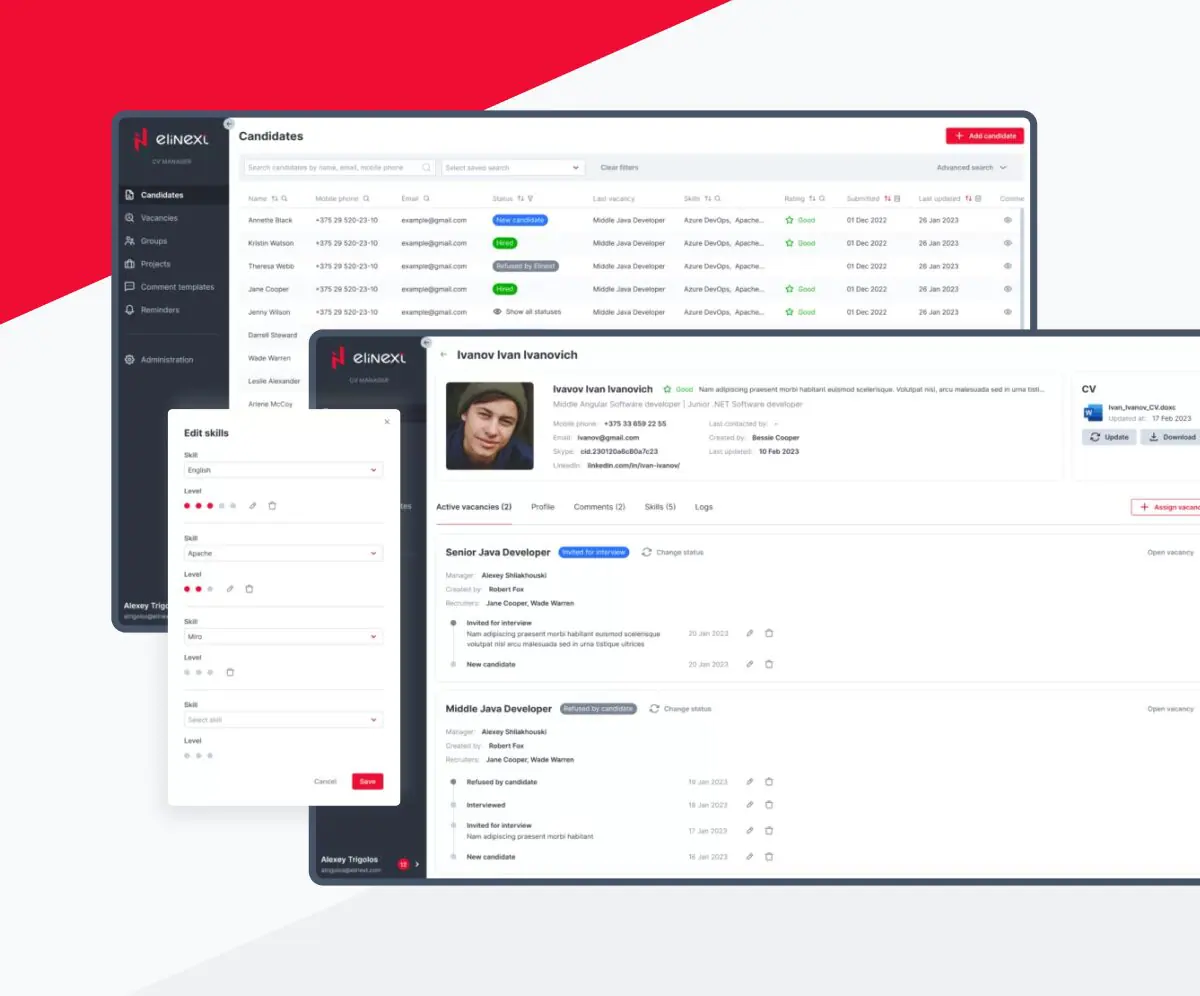



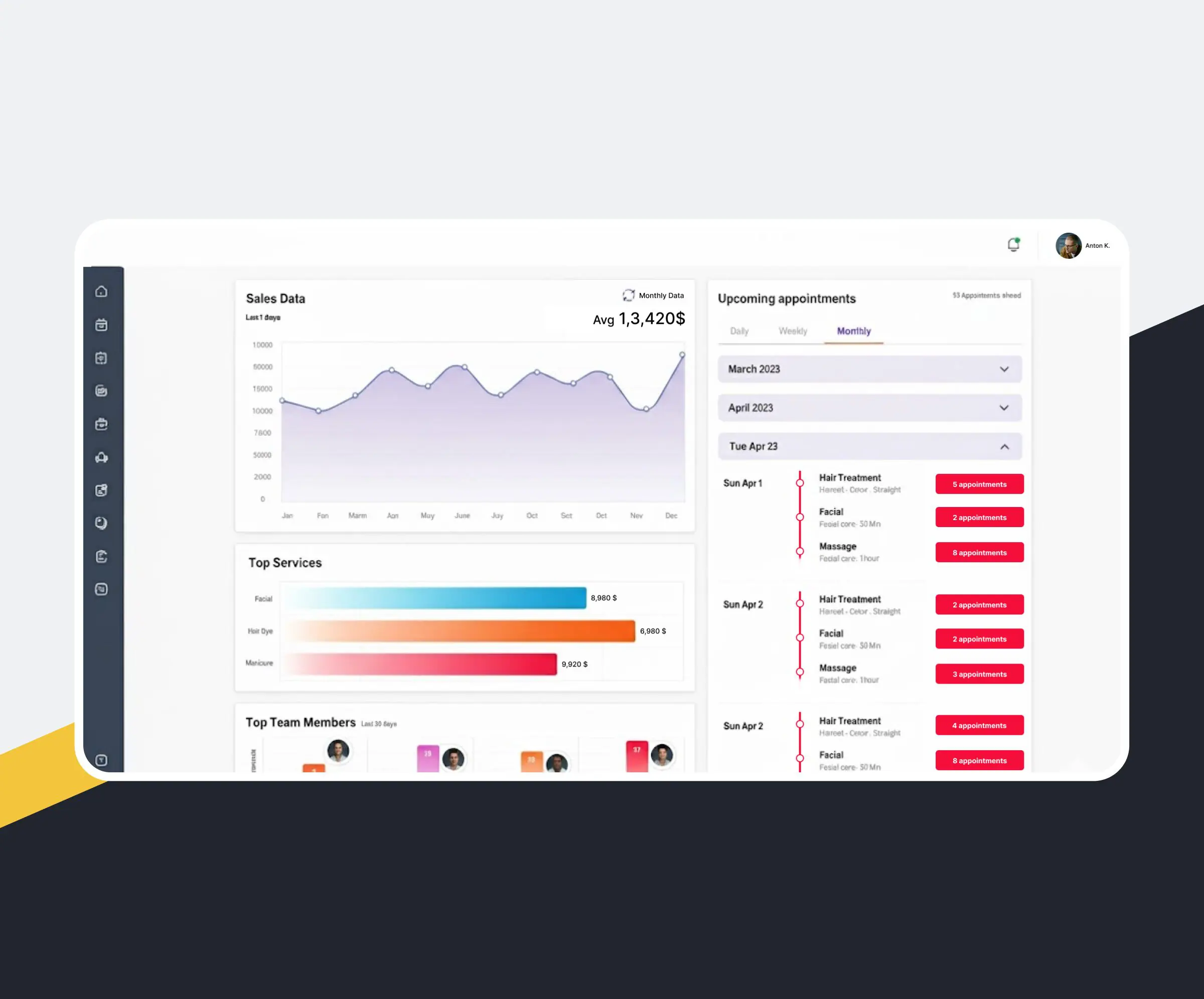





Real estate mobile apps go beyond simple listings, offering tools for CRM, lead management, property management, and analytics. Real estate software development services are designed for real estate agents, landlords, and developers. For example, apps with workflow automation streamline contract negotiations and tenant communications, increasing productivity and customer satisfaction by up to 40%.
In 2026, real estate mobile applications will focus on CRM, virtual property tours, and transaction management. In an $18.7 billion market, these apps will reduce agent workloads by 30% through automation, while simultaneously increasing lead conversion rates by 25%.
What is a Real Estate Mobile App and How It Works?
Real estate mobile apps are digital tools designed to assist with CRM, lead generation, property management, and workflow automation. An app can track client interactions, automate follow-ups, and manage documents digitally. This increases agent productivity, streamlines operations, and improves customer satisfaction.
Streamline workflows, increase lead generation, and improve customer satisfaction.

One of the top concerns real estate agencies have today is how to bring their businesses to the digital world. While a website seems to be a must-have for any respectful company, many are still undetermined about the idea for real estate mobile apps and limit themselves to the application with property listings. But what if they go further and create something that covers up the other fields in the business?
To answer this question, Elinext has processed a lot of requests for real estate mobile development, and outlined top 5 goals our clients trying to meet with the help of real estate mobile applications:
- Attract new customers;
- Provide personalized customer support and follow-ups;
- Automate communication with a client;
- Facilitate agent’s workflow;
- Bring innovation into their products.
With that in mind, we have made up our own list of mobile apps for real estate that are not property listings but still let your company stand out of the crowd:
1. Smart contract app (powered by blockchain)
The main problem real estate companies face today is that the real estate transaction process can take a while before being completed. It still requires a lot of manual work. The operations lack transparency and take a lot of time and money on the interaction with intermediaries like banks, insurance companies, appraisers, etc.
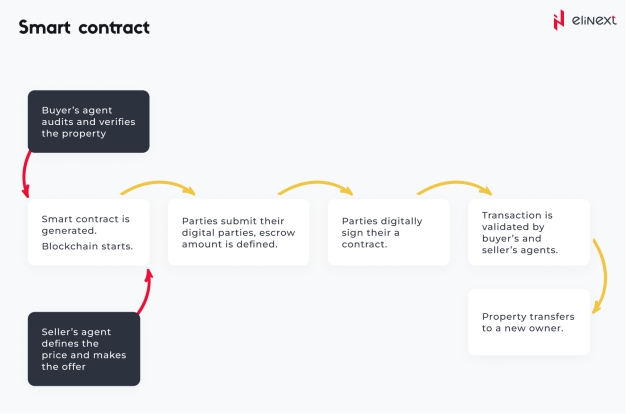
A real estate sales or leasing process can be automated by encompassing it into the smart contracts with the help of a smart contract development company. Let’s look at the sample application business logic:
2. Area overview app
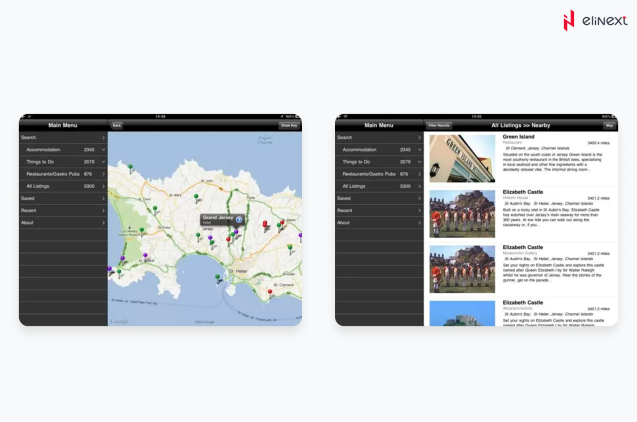
Wherever you sell or rent the property, your customers will wonder about the amenities, neighborhoods, and community living nearby. Place this information on the map and let your users apply filters, create search button and provide some descriptions and facts to let your clients know what spot they are going to visit. Here are only a few ideas (based on our Britain’s Finest app) what to include in this kind of guide:
- The average age of residents;
- Political contributions;
- Average temperature;
- Commuting trends;
- Popular nearby places.
3. 3D tour app
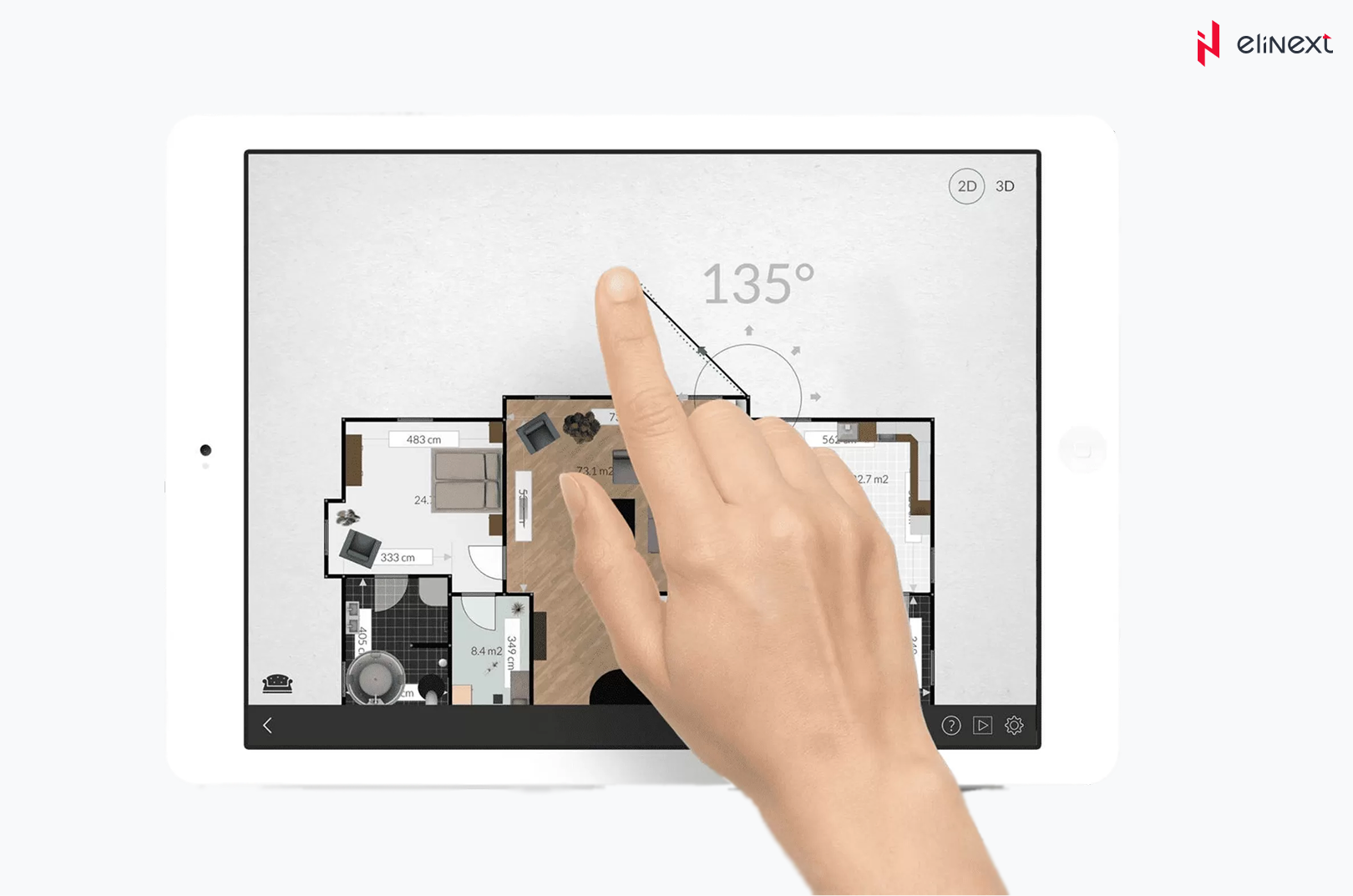
What if your properties are still in project or under construction but you need to show them to your potential customers now? Build your showcase app with a very detailed 3D-view of rooms, receptions, gardens, swimming pool and other facilities.
The solution will allow real estate agents to project a walk-through across the properties to the TV screen while showing them to the customers and update views upon request in real time. Add there real-life panoramic views from the balcony, and you get a perfect customer experience for your potential buyers.
4. Calculator
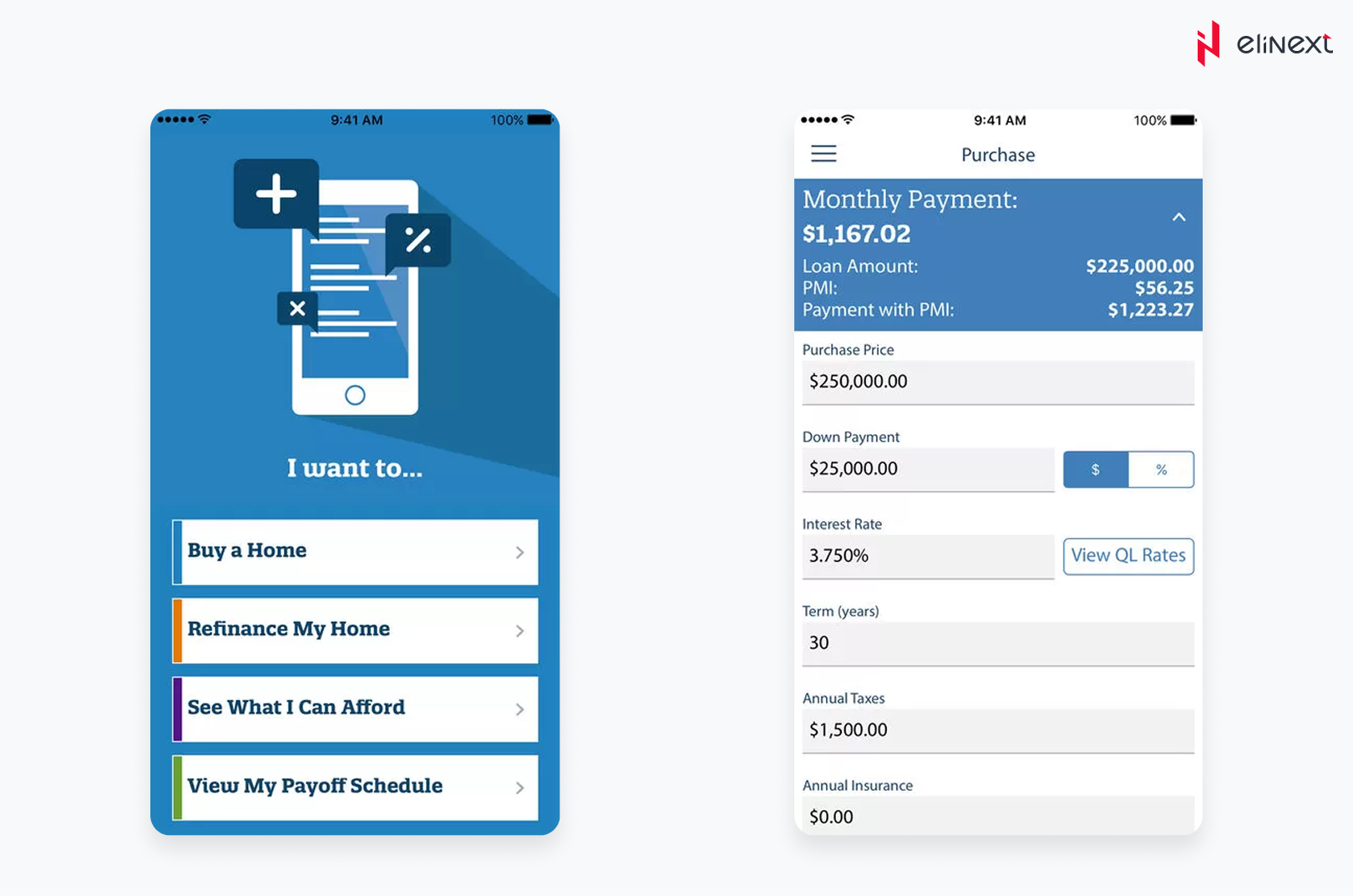
A mortgage calculator is another nice-to-have solution for real estate business. This tool will let you know bank’s repayment requirements. A number of set parameters, such as amount, interest rate, years or months left will provide with the accurate results and tell you about your amounts and your future payoff date.
The other idea for a calculator is a repairing estimate calculator for landlords and their tenants that counts the real cost of repairing work, given the items to repair, costs, time etc.
5. Workflow task management app
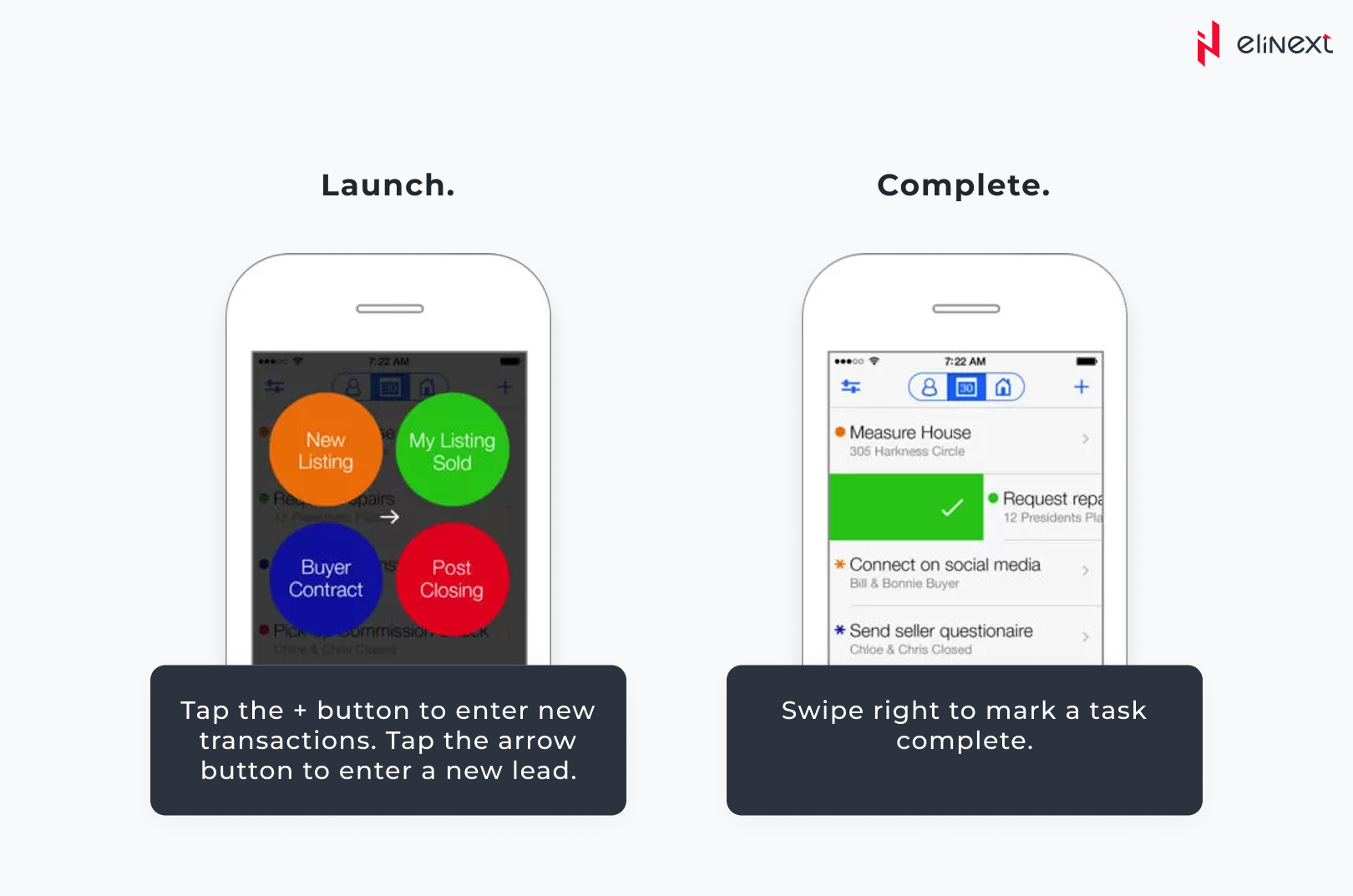
The other real estate mobile app is for those agents who manage their territory on the go. Visit the properties and fill in lead information, map your location and locations to visit on your mobile. The functionality you can apply to your future app can embrace the whole real estate agent’s workflow:
- Prepare photos and marketing materials;
- Make an appointment;
- Arrange a visit with a client;
- Edit the info in the field according to the client’s commentaries;
- Report to the managers, ask them questions in the real time;
- Sign contracts electronically right from the screen;
- Update dates and events on the calendar;
- Stream the video to other clients;
- Automatically synchronize all the data with CRM.
6. Paperwork management app
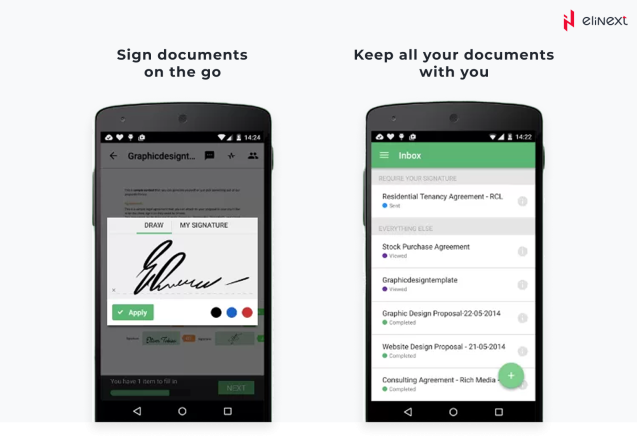
The challenge of going through the piles of documents becomes much easier with the app for paperwork management.
All the necessary documents can be centralized and categorized while being stored in one place, in order to show documents to the clients during a meeting:
- Document scanner;
- Docusign, e-sign etc. integration;
- Face recognition system;
- Integration with Google Docs, Amazon, etc.;
- Document editor;
- Online collaboration tools (whiteboards, notes, chats).
7. Booking calendar
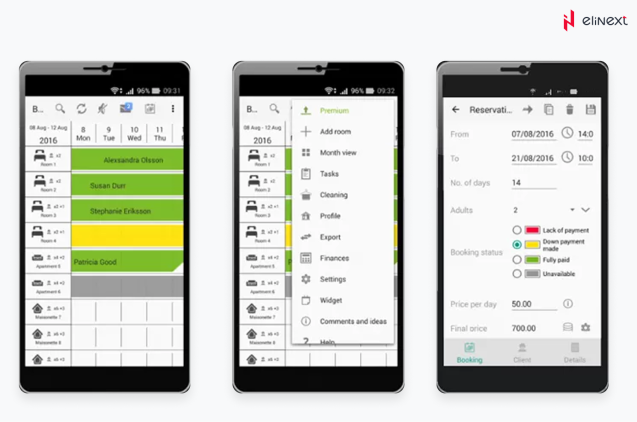
Agents want to use one app to schedule multiple showings with multiple house owners and buyers. Probably, the best idea for time management is to build a booking calendar with custom features like chat or file attachments on the top of it, with the possibility to choose different views, styles and apply filters according to your unique requirements.
8. IoT app
This may be the most unconventional idea from our list. Imagine a passer-by that’s searching for a property to buy walks around the desired neighborhoods and receives notification, when approaching the house on sale. They open the house profile with all the info about it and listing agent’s contact information. The other way is to read the QR code left on the postbox.
Such an app will allow the user to get information on the go without a lot of searching on the web, from the one hand, and can serve as a good lead capturing and analytical tool for real estate agency, from the other hand.
9. AR app
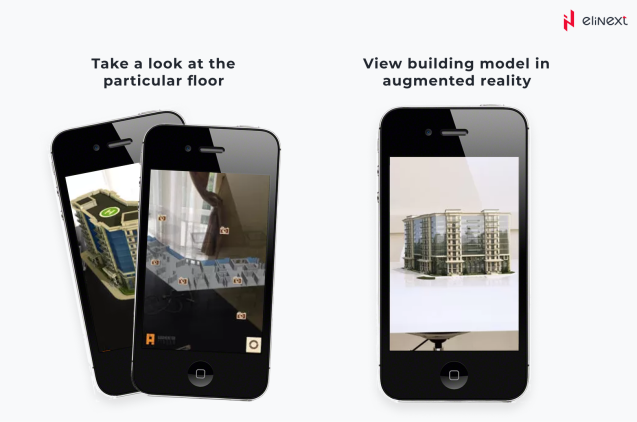
Whilst virtual reality may seem like an insight into the future, augmented reality is already there to help you to add gamification to the promotion campaigns and attract more customers. The idea is the following: a user points at the flat image in the brochure with his smartphone, and property image turns into the 3D-tour across the house floors.
10. Matchmaking app for renting
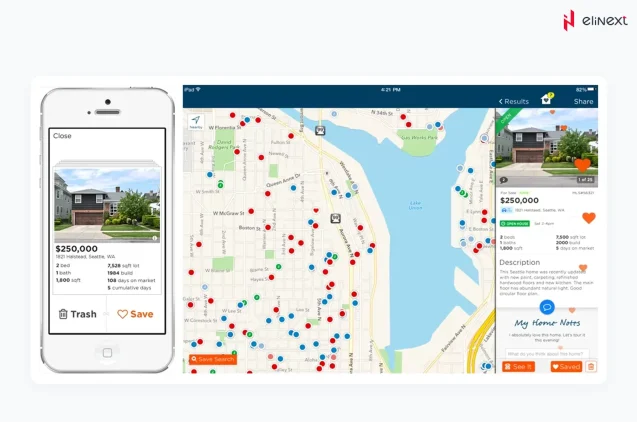
And the tenth idea is… a property listing! As previously mentioned, people tend to skip most of them because of information overflow and third-rate UI-design. Why not create a fresh concept with gamification background? For example, Tinder for landlords and tenants that helps to find a perfect match to one another based on the description, parameters, and availability:
Landlords
- Submit property/Screen applicants
- Receive payments
- Get automatic Invoicing
- Message to Tenants
Tenants
- Submit Application/screen property
- Pay rent
- View payments history
- Send maintenance Requests

Mobile apps for real estate that go beyond simply listing solve inefficiencies in agent workflows. As a mobile app development company, Elinext integrates tools like CRM, automation, and transaction management to streamline repetitive tasks. The business impact is clear: faster transactions, a better customer experience, and up to a 25% higher lead conversion rate.

Conclusion
By 2026, mobile real estate apps will transform the industry, with a projected market size of $18.7 billion. For example, AR and VR companies are creating immersive virtual tours, while IoT solutions enable intelligent property monitoring. These innovations increase lead conversion by 25% and reduce agent workload by 30%. Implementing these solutions ensures competitive advantage and customer satisfaction.
To ensure that your real estate mobile app is user-friendly, intuitive to your employees, partners’ or clients’ needs, your project needs careful research, user experience compliance test and customization based on the results. Companies just need to have their vision, and great software development partners to bring their ideas to life.
Real Estate Mobile Apps: Terms Explained
-
CRM (Customer Relationship Management)
CRM is a system in real estate apps designed to manage customer relationships. It tracks interactions, automates communications, and organizes data, helping agents effectively engage with prospects and close deals.
-
Lead Generation
Lead generation in real estate apps helps agents identify potential clients. It uses tools like forms, analytics, and integrations to collect and qualify leads, improving marketing effectiveness.
-
Lead Nurturing
Lead nurturing in real estate apps focuses on building relationships with potential clients. By automating personalized follow-up actions and tracking client behavior, agents can convert leads faster.
-
Property Management System (PMS)
A property management system (PMS) in real estate apps helps landlords manage tenants, leases, and maintenance. It streamlines operations, automates tasks, and provides instant access to property data.
-
Transaction Management
Transaction management in real estate apps organizes transaction-related processes, such as contracts and documentation. This ensures smoother workflows, reduces errors, and saves time when selling or leasing properties.
-
Automation (Workflow Automation)
Automation in real estate apps eliminates repetitive tasks like sending reminders or scheduling. By streamlining workflows, agents can focus on building relationships and closing deals faster.
-
Analytics & Reporting
Real estate app analytics provide insights into market trends, client behavior, and transaction performance. Reporting tools help agents track performance and make data-driven decisions for growth.
-
Cloud-Based Platform
A cloud platform in real estate apps provides secure storage and access to data from any device. It supports collaboration, remote work, and scalability for agents, landlords, and clients.
FAQ
-
Real estate mobile platforms focus on CRM, lead generation, and property management, offering tools to improve workflows beyond property search.
-
Mobile apps for real estate include CRM tools, property management systems, transaction management apps, analytics platforms, and workflow automation solutions.
-
Mobile apps for real estate with CRM streamline customer communications, manage leads, and automate tasks, allowing agents to focus on building relationships and closing deals.
-
Real estate mobile apps streamline tenant communications, automate rent collection, track maintenance, and simplify lease management, saving time and effort.
-
Yes, real estate mobile platforms can integrate with listing platforms, allowing agents to combine client management with property data for a seamless experience.
-
Mobile apps for real estate improve agent productivity by automating workflows, managing leads, and providing analytics, saving time and increasing efficiency by up to 30%.
-
Yes, real estate mobile apps use encryption, secure cloud storage, and compliance sFtandards to protect client and financial data, ensuring privacy and security.
-
Real estate mobile applications such as transaction management apps streamline real estate transactions by organizing contracts, deadlines, and communication, ensuring error-free and efficient real estate transactions.