


















































































































































Healthcare
Cloud Solutions
What are Healthcare Cloud Solutions






Healthcare Cloud Solutions We Offer

Healthcare Cloud Migration Services
A phased move of EHR, PACS, LIS, and billing systems from on-premises data centers to AWS, Azure, or GCP. Each wave has a compliance checkpoint and a tested rollback path, so clinical operations continue while data moves.

HIPAA-Compliant Cloud Hosting & Security
Secure cloud hosting for healthcare data under a signed BAA with the cloud provider. We configure AES-256 encryption at rest, TLS 1.2+ in transit, role-based access, and audit logging, giving compliance teams evidence ready for an OCR audit.

Cloud-Based EHR Solutions
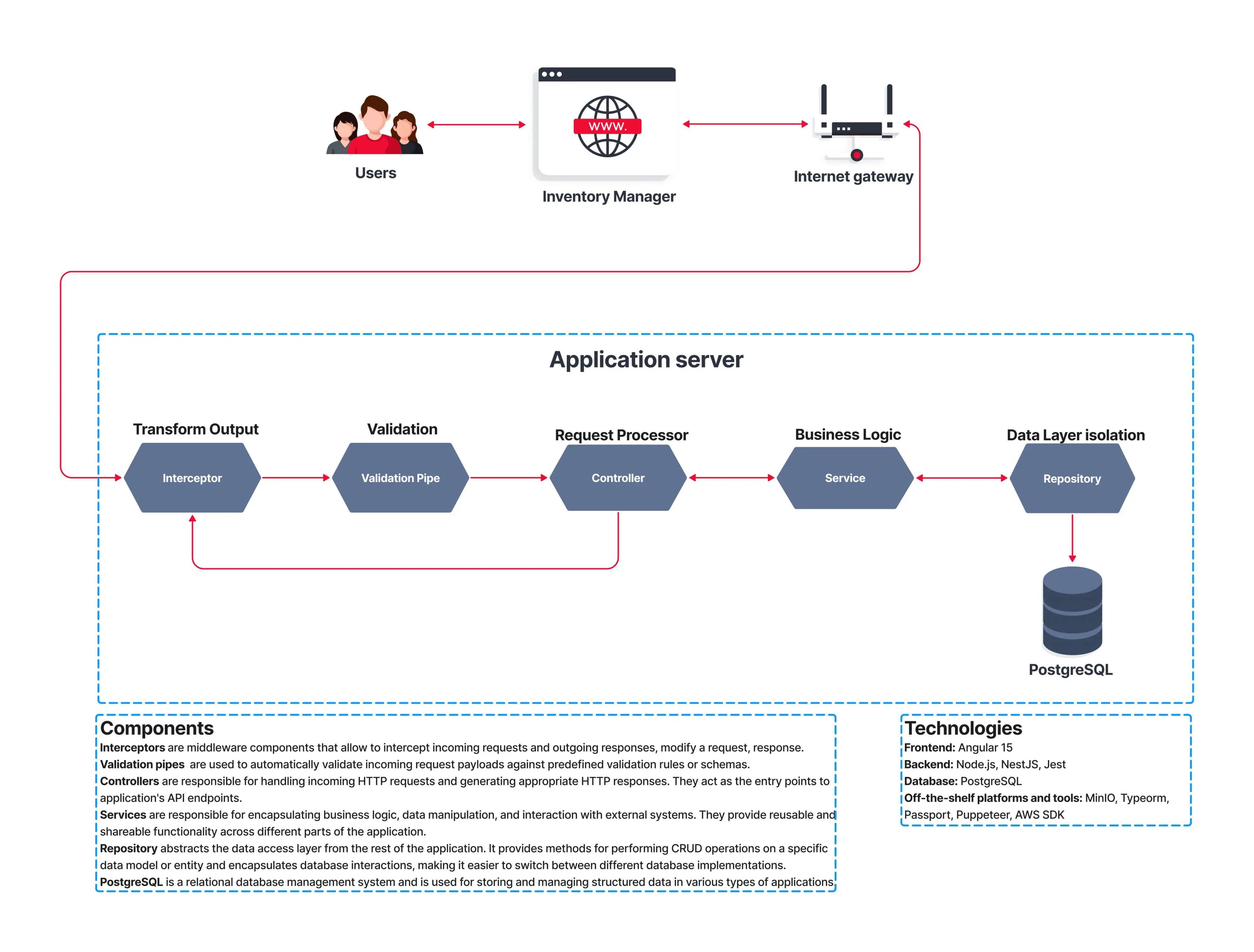
Cloud-based EHR solutions replace server-bound record systems with hosted EHR platforms or custom modules built on FHIR APIs. Clinicians open records from any approved device, and IT stops paying for hardware refresh cycles.

Multi-Cloud Infrastructure
Multi-cloud healthcare solutions run workloads across AWS, Azure, and GCP under one Terraform codebase and one security policy. Clients avoid vendor lock-in, place each workload where it costs least, and keep a failover target on a second provider.

Cloud-Native Application Development
Patient portals, telehealth platforms, and analytics services built as containers on Kubernetes. Cloud-native design lets an app scale from hundreds to tens of thousands of concurrent sessions without re-architecting.

Managed Cloud Operations & Disaster Recovery
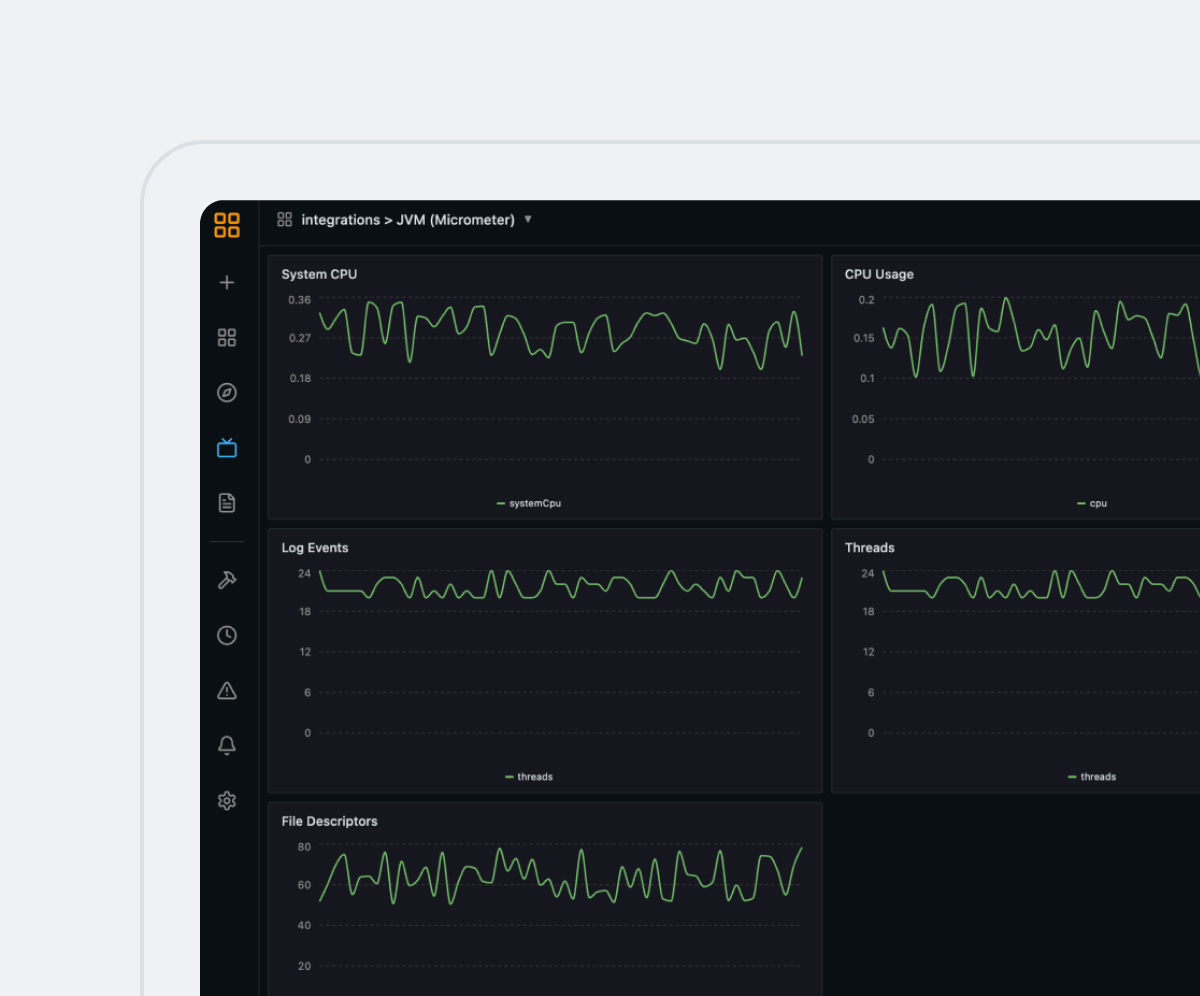
Monitoring, patching, cost control, and backup management after go-live. We design disaster recovery with defined RTO/RPO targets and run scheduled failover drills, so recovery time is measured and tested rather than estimated.
-

A phased move of EHR, PACS, LIS, and billing systems from on-premises data centers to AWS, Azure, or GCP. Each wave has a compliance checkpoint and a tested rollback path, so clinical operations continue while data moves.
-
HIPAA-Compliant Cloud Hosting & Security
Secure cloud hosting for healthcare data under a signed BAA with the cloud provider. We configure AES-256 encryption at rest, TLS 1.2+ in transit, role-based access, and audit logging, giving compliance teams evidence ready for an OCR audit.
-
Cloud-based EHR solutions replace server-bound record systems with hosted EHR platforms or custom modules built on FHIR APIs. Clinicians open records from any approved device, and IT stops paying for hardware refresh cycles.
-
Multi-Cloud Infrastructure
Multi-cloud healthcare solutions run workloads across AWS, Azure, and GCP under one Terraform codebase and one security policy. Clients avoid vendor lock-in, place each workload where it costs least, and keep a failover target on a second provider.
-
Patient portals, telehealth platforms, and analytics services built as containers on Kubernetes. Cloud-native design lets an app scale from hundreds to tens of thousands of concurrent sessions without re-architecting.
-
Managed Cloud Operations & Disaster Recovery
Monitoring, patching, cost control, and backup management after go-live. We design disaster recovery with defined RTO/RPO targets and run scheduled failover drills, so recovery time is measured and tested rather than estimated.


Still Paying for Servers Your Clinicians Outgrew?
Typical Challenges We Solve with Healthcare Cloud Solutions
What is the Cost of Healthcare Cloud Solutions by Elinext?
The cost depends on the number of systems, data volume, compliance scope, and whether applications need refactoring or can move as-is. A cloud readiness assessment usually takes 2–4 weeks. A single application moves in weeks; a multi-site hospital migration runs over several months. We price after discovery with a fixed-scope estimate, so cloud-based healthcare solutions are budgeted against real workloads.
What Our Experts Say


Cloud Platforms & Technologies
We Work With
We build cloud solutions for the healthcare industry on AWS, Microsoft Azure, and Google Cloud, choosing per workload. Health-specific services include AWS HealthLake, Azure Health Data Services, and Google Cloud Healthcare API for FHIR, DICOM, and HL7v2 data. Infrastructure is defined in Terraform and runs on Kubernetes, giving cloud infrastructure for healthcare organizations repeatable, auditable deployments.

Our Healthcare Cloud
Migration & Modernization Roadmap
Regulations & Standards Elinext Covers




Who We Serve






Choose Your
Service Option
Leverage healthcare cloud development expertise
Hire a dedicated healthcare cloud engineers
Let us handle your healthcare cloud development project
Healthcare Cloud Solutions Case Studies


Our Awards and Recognitions



























Why Elinext? Listen to our clients.





























Hire Healthcare Cloud Engineers from Elinext









































FAQ
-
Healthcare cloud solutions are cloud-hosted services and applications that store, process, and share patient data under HIPAA safeguards. Providers use them to run EHRs, imaging, telehealth, and analytics without owning data center hardware.
-
Cloud computing in healthcare centralizes records from EHR, lab, imaging, and billing systems in one governed store. Teams get consistent access controls, automated backups, and FHIR APIs that let every application read the same patient data.
-
Healthcare data cloud storage is HIPAA-compliant when the provider signs a BAA and the customer configures safeguards correctly. HIPAA-compliant cloud hosting requires encryption, access controls, audit logs, and a risk analysis; the provider’s eligibility alone is not enough.
-
No single platform is best: AWS, Azure, and GCP all offer HIPAA-eligible services and sign BAAs. Azure fits Microsoft-centric hospitals, AWS has the widest service catalog, and GCP is strong in analytics. Many organizations use multi-cloud healthcare solutions to combine them.
-
Healthcare cloud migration cost depends on the number of systems, data volume, compliance scope, and refactoring needs. Elinext starts with a readiness assessment, then provides a fixed-scope estimate for each migration wave.
-
Hospital cloud migration typically takes 3 to 12 months. A single application can move in 4-8 weeks, while a multi-site EHR and PACS migration runs in waves over several months, depending on data volume and integrations.
-
Before a cloud migration, prepare an inventory of systems and integrations, data volumes, current licenses, and compliance documentation. Name a clinical owner and an IT owner, and list workloads that cannot tolerate downtime.
-
In-house migration fits teams that already have cloud architecture and HIPAA security skills. Outsourcing fits organizations without that experience or with tight deadlines. Many combine both: a partner leads architecture while internal IT takes over operations.
-
Cloud-based healthcare solutions run on provider-managed infrastructure billed by usage, while on-premise systems need owned hardware and local staff. Cloud adds elastic scaling, geographic redundancy, and faster updates; on-premise keeps direct physical control.
-
Patient data in multi-cloud environments is protected by encryption at rest and in transit, centralized identity management, least-privilege access, and unified audit logging. Secure cloud hosting for healthcare data also needs continuous misconfiguration scanning and a tested incident response plan.