


















































































































































Your claims platform was probably built when a nightly batch file counted as integration. It has no APIs, and every change request turns into a three-month negotiation. Then someone bolts an AI model onto the front of it, and the numbers get worse instead of better.
I’ve watched that happen six times. This post walks through one case: a clinical AI prototype built in eight weeks, and a healthcare claims processing workflow that quietly bounced 23% of what it sent out. The fix wasn’t smarter AI. It was a format problem. If you’re deciding whether to patch or rebuild, the details below should help.
What Is Healthcare Claims Processing Software?
Short version: it moves a claim from the moment a patient is seen to the moment a payer pays. It takes clinical and billing data, turns it into codes, packages everything into the X12 837 electronic format, checks it against payer rules, submits it, and tracks what comes back. Then it deals with denials and appeals.
Some teams buy healthcare claims management software that covers all of this out of the box. Others build around what they already have. The catch is that each step depends on data being shaped exactly right for the next one. Payers don’t guess. If a field is off by one character, the claim bounces, and nobody reviews it clinically at all.
Let’s find out where it actually leaks.

Why This Health System’s Clean Claims Kept Coming Back
The client was a health system that had just shipped a clinical AI prototype, built alongside our clinical & workforce management solutions work. It took eight weeks, and clinicians liked it. Documentation got faster, and the suggested diagnosis codes looked sensible. Meanwhile, finance kept sending us the same chart. Rejections were climbing. By the time we all sat down together, 23% of claims were being rejected, and the annual loss sat somewhere between $4 million and $6 million.
Inside the Healthcare Claims Processing Workflow: Where It Broke
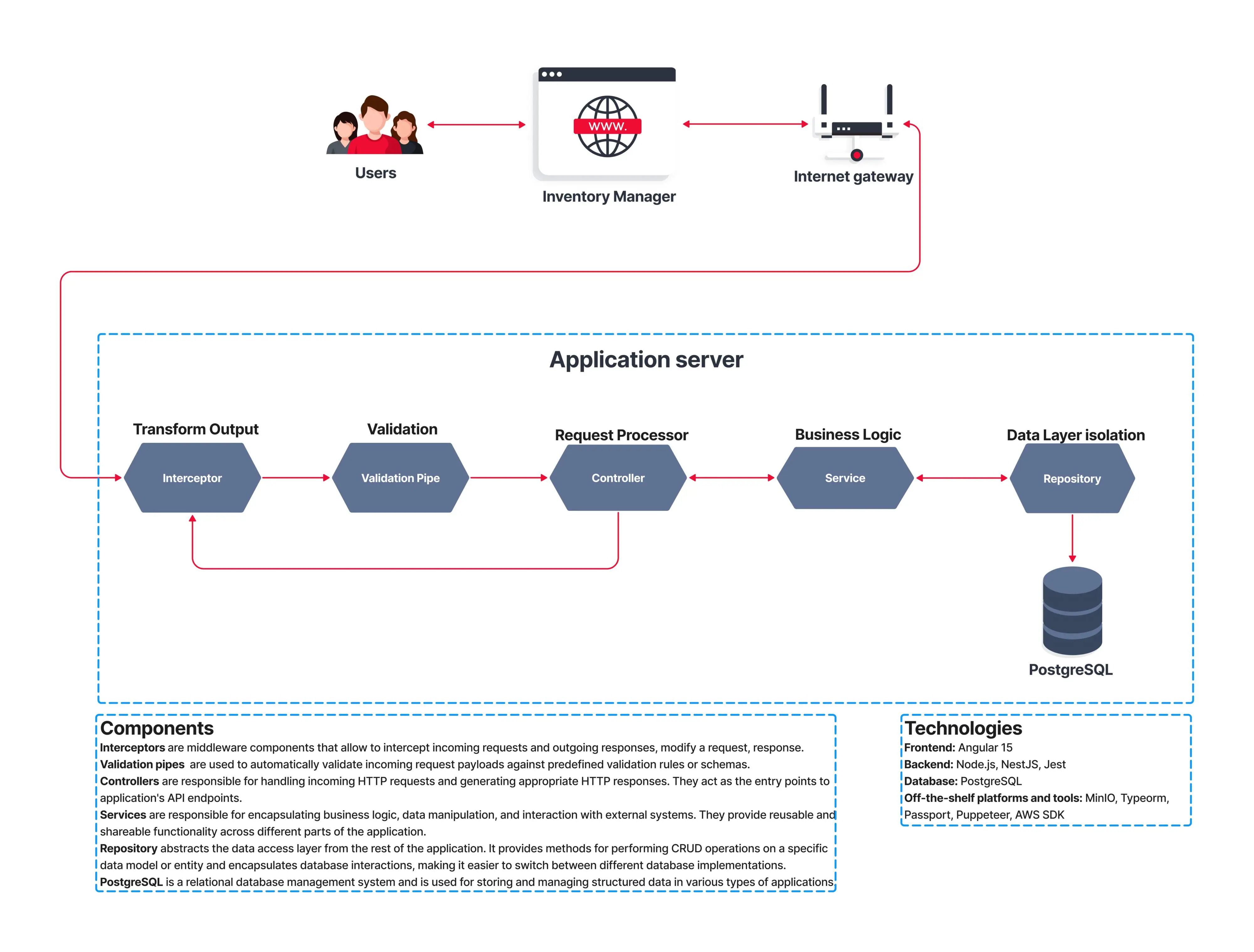
We traced one claim end to end. The AI suggested an ICD-10 code, a coder approved it, and the billing module passed it to the clearinghouse. Everything looked clean on screen. The 837 file told another story. Clinical tools write ICD-10 codes with a decimal, like E11.9. The 837 diagnosis segment expects the same code without one: E119. The prototype and the legacy billing module each handled that conversion differently, and neither knew the other existed. Legacy healthcare claims processing systems rarely say who owns this step. The codes were right. But unfortunately, the format wasn’t.
How AI and Automation Improve Accuracy and Reduce Costs
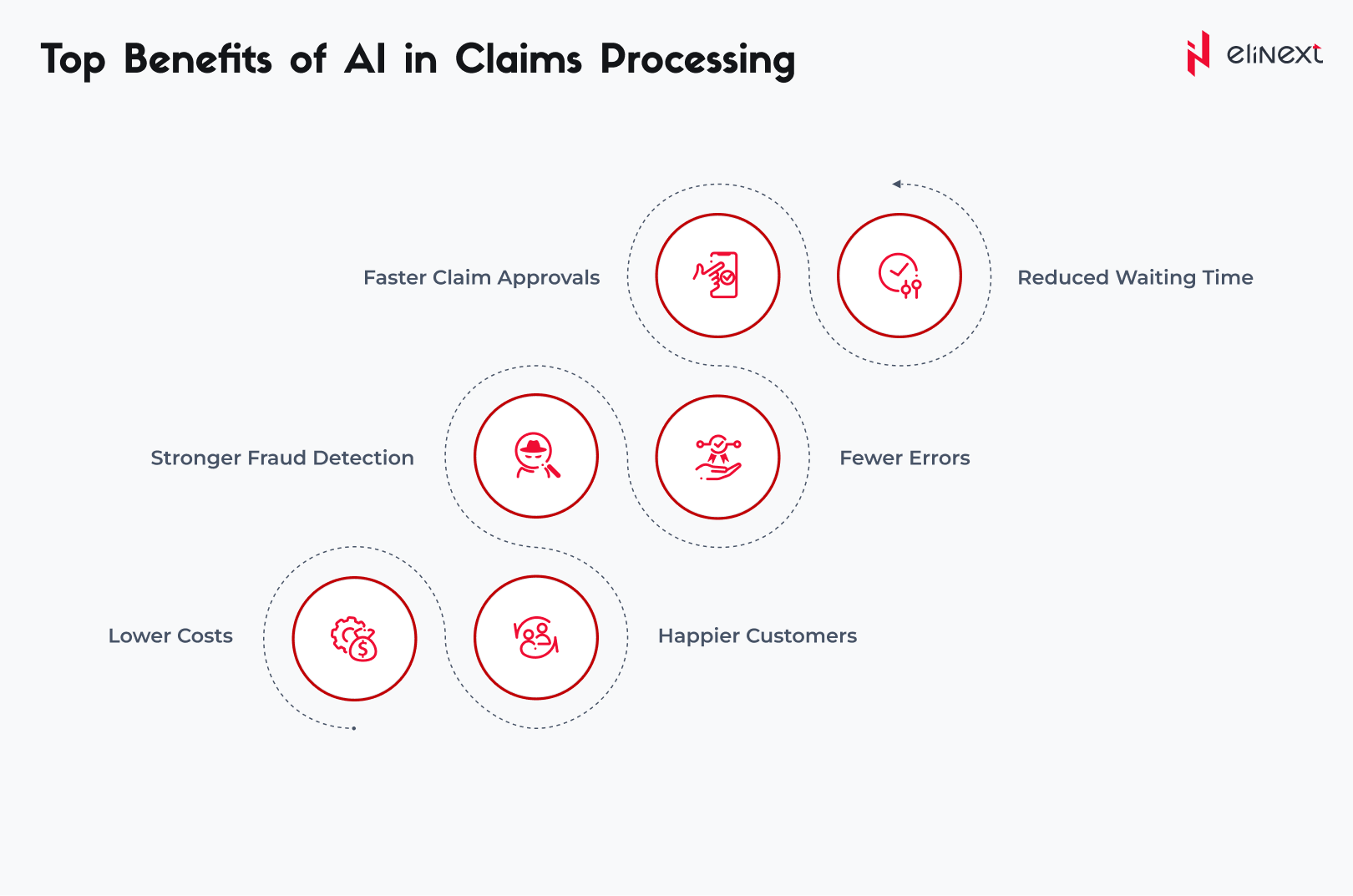
Once we saw the mismatch, the tempting move was to train a better model. We didn’t. The model was fine. What the setup lacked was a checkpoint between the clinical output and the payer’s front door. That’s where claims processing automation earns its keep: not by predicting more, but by verifying what is about to leave the building. Most of the engineering went into rules and parsing, not neural networks. Honestly, that’s the unglamorous truth of this whole field.
What Changed When Claims Processing Automation Caught Errors Before Submission
We added a validation layer that reads the outgoing 837 file, normalizes diagnosis codes to the required format, and checks each segment against payer edits before anything is sent. Failures land in a coder queue with the exact field flagged. We stopped rejections caused by format issues at the source, flattened the finance chart, and then turned it down. We’ve since seen the same pattern in six Elinext healthcare projects. The same seam appears wherever encounter data from care delivery management solutions or a patient portal software development services project meets billing.
Let’s find it together.
Off-the-Shelf or Custom Healthcare Claims Processing Systems?
Honest answer: it depends on where the defect lives. Packaged healthcare claims management software works well when your workflows look like everyone else’s and your data arrives clean. Someone else maintains the payer edits, and that’s worth real money. But it assumes your inputs already match its shape. Add AI, a custom EHR, or a portal, and the seam between them is yours to own. Patch when the defect is one field in one place. Rebuild when the same defect shows up in several modules, or when nobody can touch billing without a quarterly release train.
In this case, a thin validation layer was enough, and a rewrite would have been a waste. For other clients, healthcare claims processing software development from scratch was the only way to get APIs into a monolith. Test first, then decide.

Claims data crosses four or five systems, and each has its own idea of what a valid diagnosis code looks like. Nobody owns the handoffs, so errors hide there. In our healthcare claims processing software development work, we map every handoff first and put validation at the 837 boundary, before submission. For finance leaders, that means less revenue stuck in rework.

Key Takeaways
- A fast AI prototype can raise rejections. The clinical AI took eight weeks to build, while 23% of claims were rejected, costing millions a year. Passing clinical validation says nothing about passing payer validation. They are separate tests.
- The defect was a format, not a model. ICD-10 codes with decimals in the clinical layer, versus the no-decimal form the 837 file expects. The codes were correct, and the claims were still rejected because nobody owned the conversion between the two.
- Validate at the boundary. Check the outgoing 837 file against payer rules before submission. Route failures to a coder with the exact field flagged. Fixing a claim before it leaves is far cheaper than reworking it after a rejection comes back.
- Ask where the defect lives before choosing patch or rebuild. One seam in one module can be patched. The same defect repeating across modules, or trapped in a monolith with no APIs, points toward a rebuild.
- The pattern repeats. We’ve seen it across six Elinext healthcare projects: a new module ships quickly, and the handoff to billing stays untouched. Audit the seams between systems first, because that’s where preventable rejections tend to start.
Conclusion
That eight-week prototype did its job. The clinicians got what they asked for. The trouble sat in the gap nobody was assigned to watch, between a clinical code and an 837 file. Keep that in mind when you review your next quarterly rejection report. Before you approve a rebuild, trace one rejected claim through your healthcare claims processing workflow and read the raw file. You may find one field, not a failed platform.
Or you may find the same problem in five places, and then a rebuild is honest arithmetic. If it comes to that, healthcare claims processing software development works best when validation is designed in from day one. Our healthcare software development services team can help you sort out which situation you’re in.
FAQ
-
It’s the system that turns clinical and billing data into payer-ready claims, submits them, and tracks payment, denials, and appeals. It handles coding, formatting to the 837 standard, payer rule checks, and status tracking in one flow.
-
Mostly front-end edit failures: wrong code formats, missing or mismatched patient and eligibility fields, and invalid segments in the 837 file. These fail automated checks before adjudication, so no human at the payer ever looks at them.
-
By catching errors before submission, when a fix takes seconds. Every rejected claim otherwise costs staff time to find, correct, and resubmit, and delays payment while it sits in rework. Fewer resubmissions also means a smaller rework team.
-
No. It removes preventable errors like formatting and coding mismatches. Denials tied to medical necessity, prior authorization, or payer policy still need human judgment and appeals, though better data makes those cases easier to fight.
-
Packaged tools are configurable and quick to adopt, but assume your data fits their model. Custom-built systems fit your existing EHR, AI tools, and portals, and cost more upfront. The right pick depends on where your rejections originate.
-
It depends on how many systems must integrate. A validation layer on an existing stack is a much smaller effort than a full rebuild. Our clinical AI prototype took eight weeks, and a platform rebuild takes considerably longer.