














































































































































IoT Healthcare Solutions
IoT Healthcare Solutions We Offer

Smart Hospital Solutions
Our experts develop connected infrastructure for clinical and operational workflows, from smart beds and asset tracking to automated alerts. This cuts response times and reduces staff workload on routine tasks.

Telehealth Development Solutions
We provide secure video, messaging, and remote exam tools built for clinical use. Clients expand patient access without adding clinic capacity, which keeps their staff compliant with HIPAA and EU MDR.

Vital Signs Monitors Development
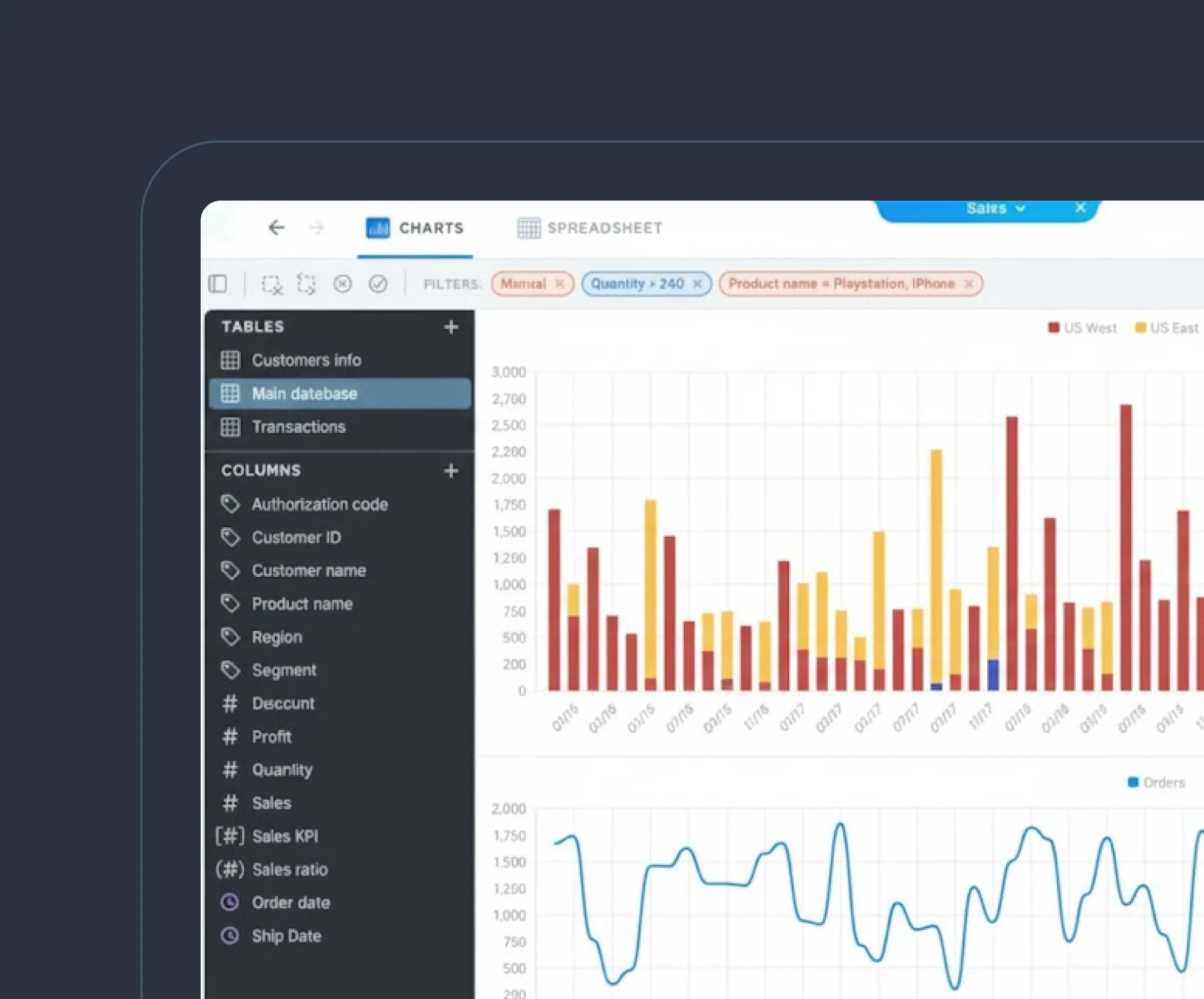
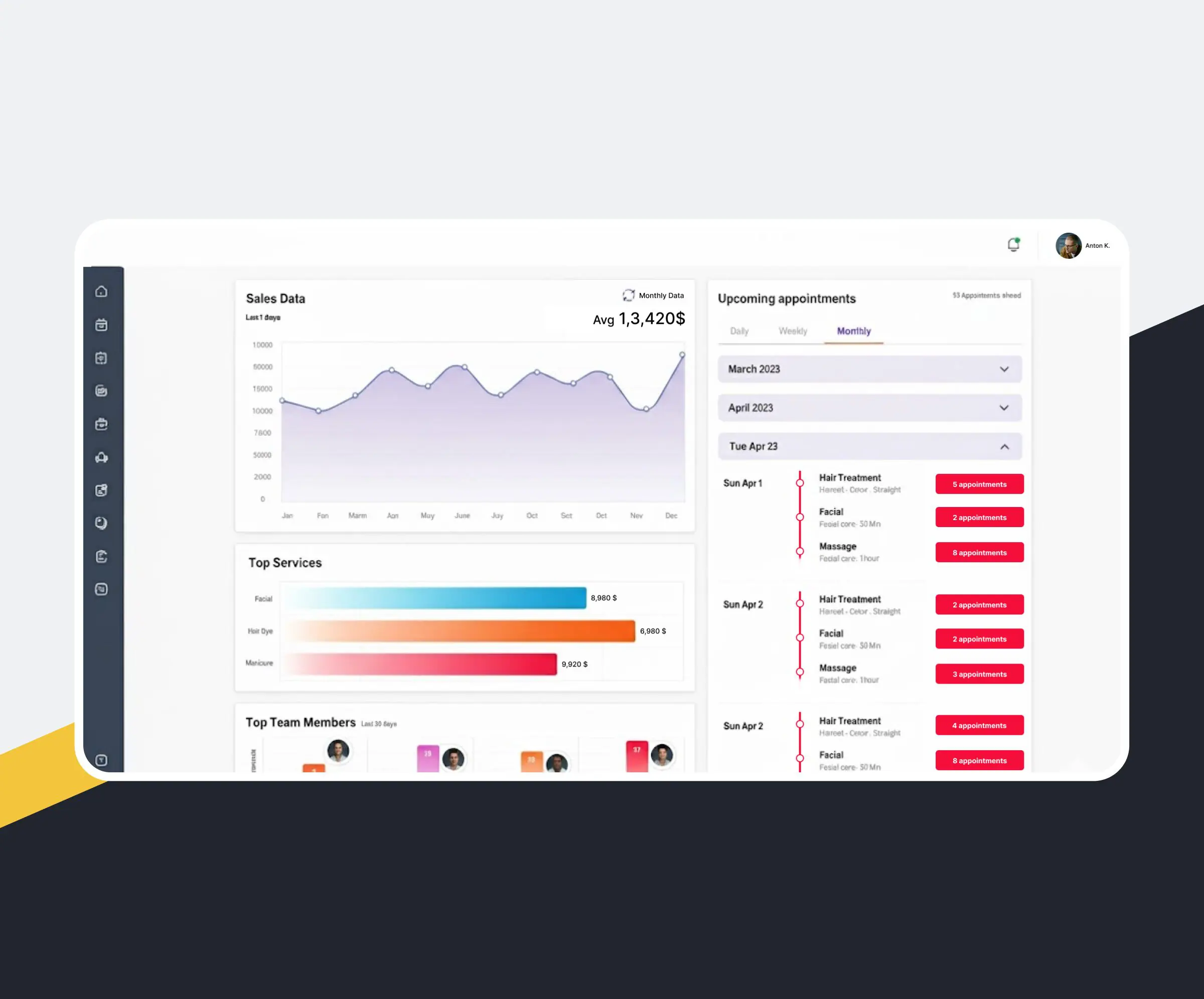
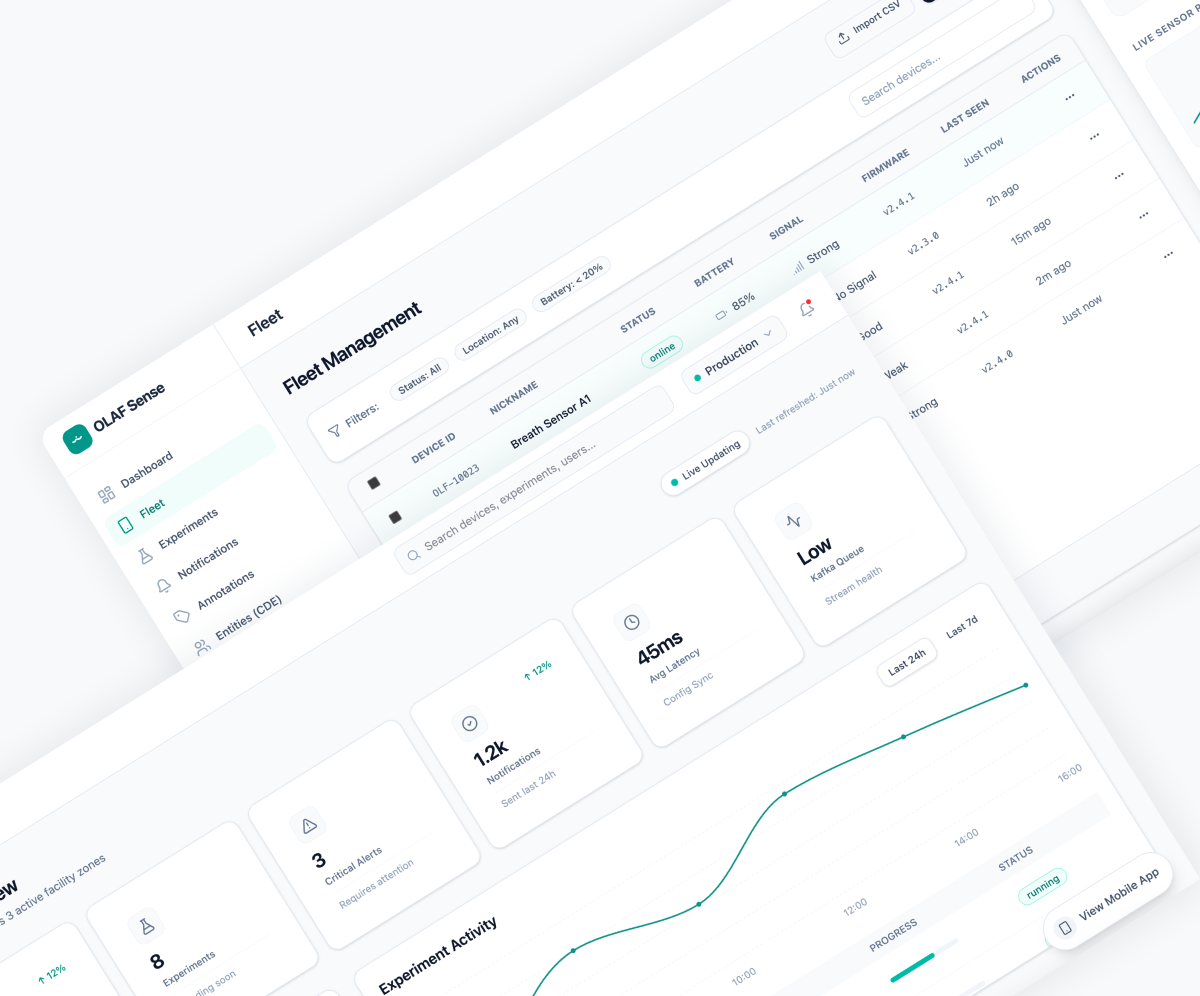
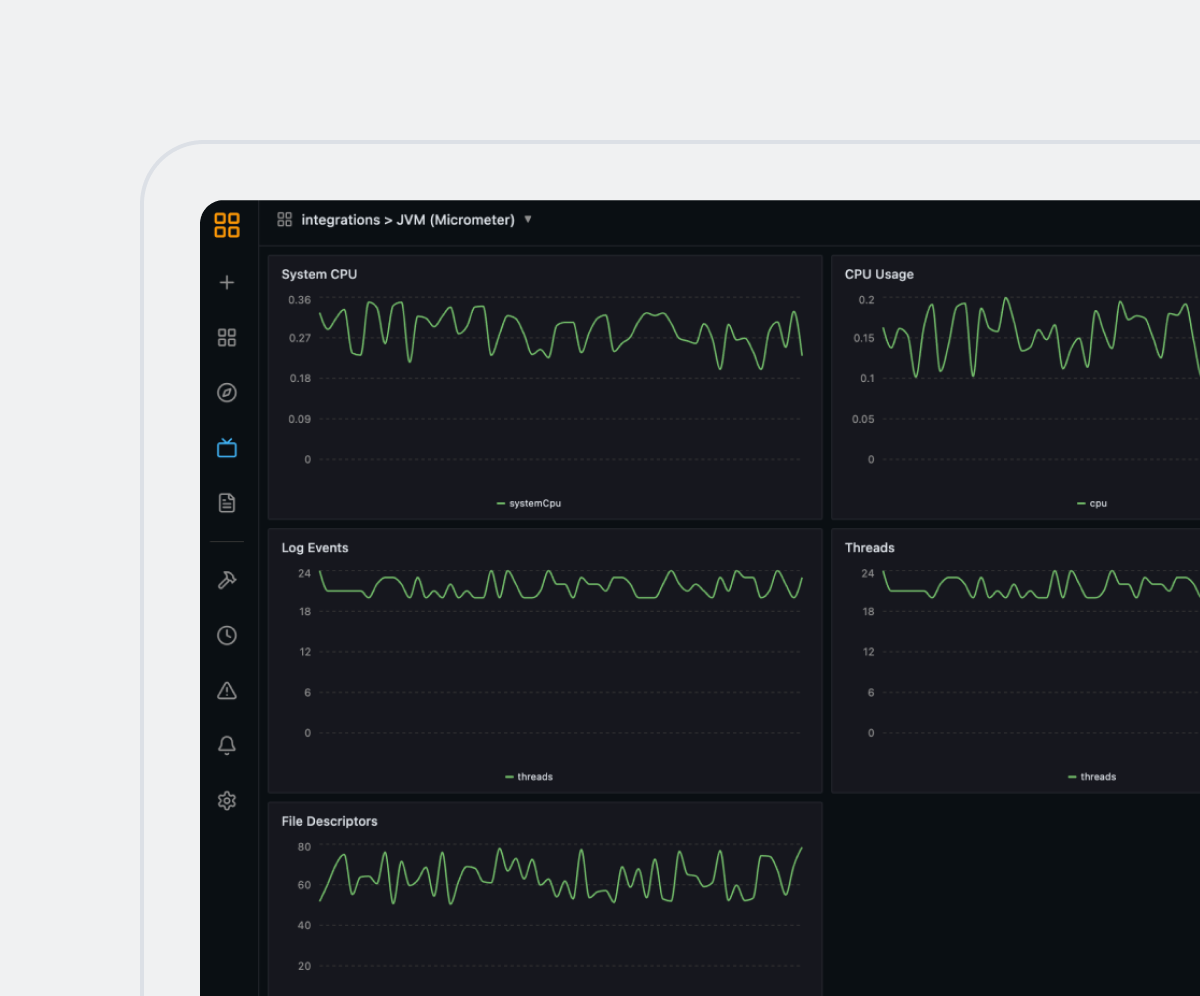
Elinext engineers custom medical firmware and dashboards for wearable and bedside monitoring devices. They stream patient vitals in real time, flag anomalies automatically, and push data into your EHR.

Healthcare Analytics Development
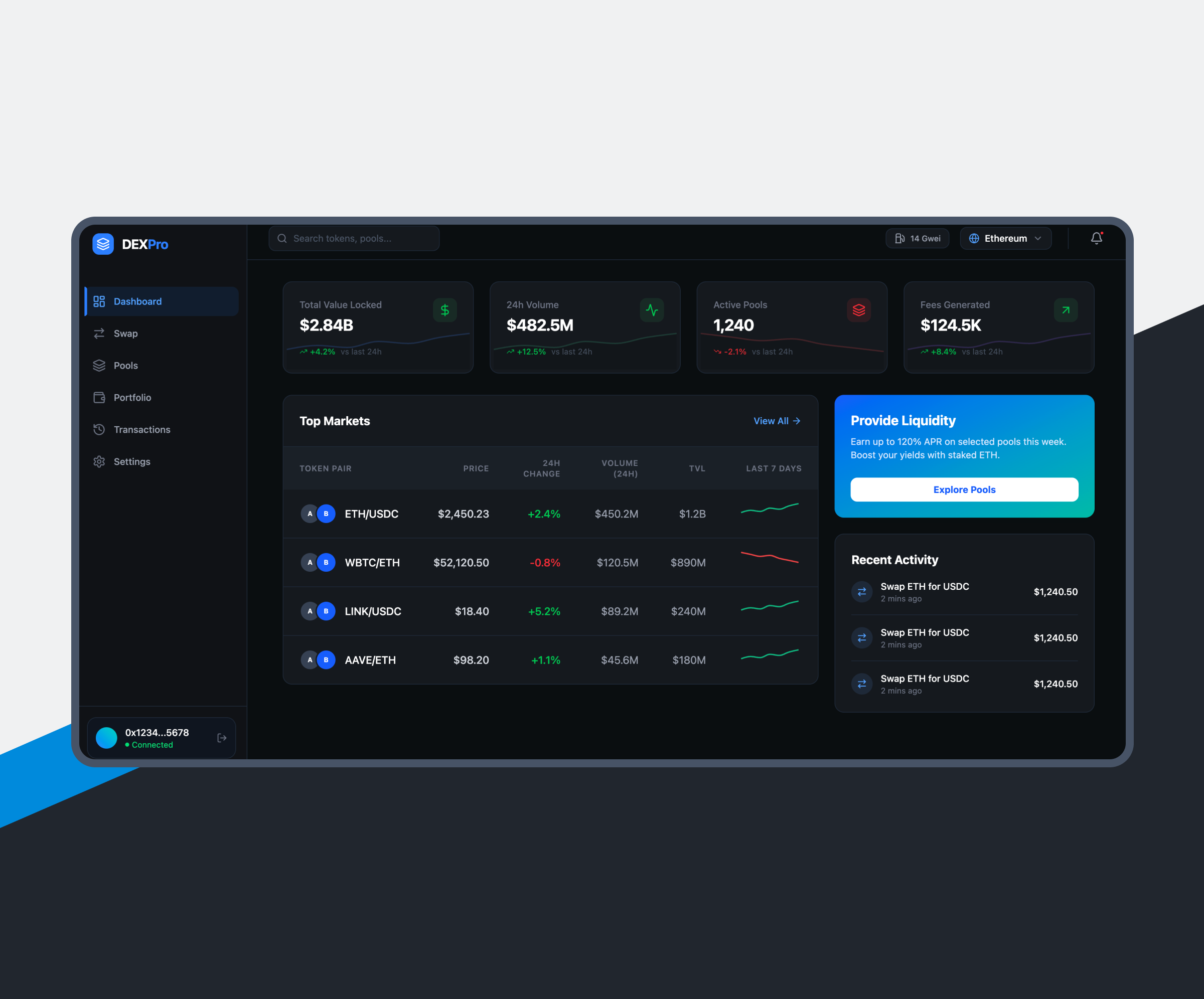
Let us turn raw device and EHR data into structured insights like patient flow, readmission risk, and resource utilization. This helps clinical and operations teams make evidence-based decisions on real facts, not instinct.

Medication Trackers Development
Smart dispensing and adherence tools that log dose events, send patient reminders, and alert clinicians when a patient goes off schedule. Directly addresses one of the most common causes of readmission.

Remote Patient Monitoring
We offer continuous home monitoring for chronic and post-discharge patients via connected devices. This keeps your clinical team in the loop between visits and catches deterioration before it becomes an emergency.
-

Our experts develop connected infrastructure for clinical and operational workflows, from smart beds and asset tracking to automated alerts. This cuts response times and reduces staff workload on routine tasks.
-
We provide secure video, messaging, and remote exam tools built for clinical use. Clients expand patient access without adding clinic capacity, which keeps their staff compliant with HIPAA and EU MDR.
-
Elinext engineers custom medical firmware and dashboards for wearable and bedside monitoring devices. They stream patient vitals in real time, flag anomalies automatically, and push data into your EHR.
-
Let us turn raw device and EHR data into structured insights like patient flow, readmission risk, and resource utilization. This helps clinical and operations teams make evidence-based decisions on real facts, not instinct.
-
Smart dispensing and adherence tools that log dose events, send patient reminders, and alert clinicians when a patient goes off schedule. Directly addresses one of the most common causes of readmission.
-
We offer continuous home monitoring for chronic and post-discharge patients via connected devices. This keeps your clinical team in the loop between visits and catches deterioration before it becomes an emergency.
Our Awards and Recognitions












Advantages of IoT Healthcare Solutions by Elinext

Seamless Integration with the IT Ecosystem
Your EHR, PACS, LIS, and device network don’t get replaced – they get connected. Elinext builds integration layers that speak HL7, FHIR, DICOM, and proprietary protocols, so new IoT components slot into what you already run.

Secure Data and Application Protection
Elinext builds end-to-end protection into the architecture from day one (encryption, role-based access control, audit logging, and compliance with HIPAA, GDPR, and ISO 27001), so security isn’t a layer you add later.

Rapid Software Delivery
Our delivery teams work in short cycles. Working prototype in six weeks, iterative releases tied to clinical feedback, and a production-ready system on a timeline that keeps pace with your operational needs.
-
Seamless Integration with the IT Ecosystem
Your EHR, PACS, LIS, and device network don’t get replaced – they get connected. Elinext builds integration layers that speak HL7, FHIR, DICOM, and proprietary protocols, so new IoT components slot into what you already run.
-
Elinext builds end-to-end protection into the architecture from day one (encryption, role-based access control, audit logging, and compliance with HIPAA, GDPR, and ISO 27001), so security isn’t a layer you add later.
-
Rapid Software Delivery
Our delivery teams work in short cycles. Working prototype in six weeks, iterative releases tied to clinical feedback, and a production-ready system on a timeline that keeps pace with your operational needs.
What Our Experts Say


Discover Core Healthcare IoT Development Services

Healthcare IoT Development Consulting
Before any build starts, you need to know what’s worth building. Elinext maps your existing infrastructure, identifies integration points, and produces a technical roadmap with a realistic scope, timeline, and compliance checklist.

IoMT Adoption Services
Getting medical devices onto a network is one thing. Getting clinical staff to trust and use the data they produce is another. Elinext handles device onboarding, protocol standardisation, staff training, and change management.

IoMT Development Services
Вevice firmware, cloud infrastructure, clinical interfaces, EHR integrations, and the compliance documentation that comes with each. Elinext covers the full stack, so you’re not coordinating three separate vendors for hardware, software, and regulatory work.
-
Before any build starts, you need to know what’s worth building. Elinext maps your existing infrastructure, identifies integration points, and produces a technical roadmap with a realistic scope, timeline, and compliance checklist.
-
IoMT Adoption Services
Getting medical devices onto a network is one thing. Getting clinical staff to trust and use the data they produce is another. Elinext handles device onboarding, protocol standardisation, staff training, and change management.
-
Вevice firmware, cloud infrastructure, clinical interfaces, EHR integrations, and the compliance documentation that comes with each. Elinext covers the full stack, so you’re not coordinating three separate vendors for hardware, software, and regulatory work.
Industries We Serve with IoT Healthcare Solutions








What Our Customers Think























IoT Healthcare Solutions Case Studies

Compliance Standards We Support

Talk to an Expert
Hire IoT Healthcare Developers from Elinext



























Choose Your
Service Option
Leverage IoT healthcare development expertise
Hire a dedicated IoT healthcare developers
Let us handle your IoT healthcare solutions project
FAQ
-
IoT in healthcare is a network of connected medical devices, sensors, and software that collect and exchange patient and operational data in real time. It replaces manual monitoring and fragmented records with a continuous, automated data layer across clinical and home environments.
-
The core benefit is earlier, better-informed clinical decisions. Connected devices surface patient data continuously rather than at scheduled intervals, which cuts response times, reduces avoidable admissions, and frees clinical staff from routine manual tasks.
-
Security in healthcare IoT is a built-in requirement. Properly developed solutions include end-to-end encryption, role-based access control, audit logging, and compliance with HIPAA (US) and GDPR (EU).
-
The main challenges are regulatory complexity, legacy system integration, and data quality. Most hospitals run a mix of old and new infrastructure with incompatible protocols.
-
Hospitals use IoT for asset tracking, patient monitoring, environmental sensing, automated alerts, and workflow automation. Practical examples include smart beds that detect patient movement, real-time location of medical equipment, and continuous vital signs streaming to nurse stations.
-
Timeline for healthcare IoT solutions depends on scope, but a working prototype typically takes six to eight weeks. A production-ready system with EHR integration, compliance documentation, and clinical validation runs between four and nine months.
-
Remote patient monitoring is a care model where connected devices track patient health data. Vitals, glucose, weight, and ECG are tracked outside a clinical setting and streamed to the care team in real time. It keeps clinicians informed between appointments and is reimbursable under CMS CPT codes in the US.
-
Cost of healthcare IoT solutions depends on the scope, the number of device integrations, and the regulatory pathway required. A focused MVP typically starts in the $50,000–$100,000 range. Full-scale platforms with multiple device types, EHR integrations, and compliance documentation run higher.