


















































































































































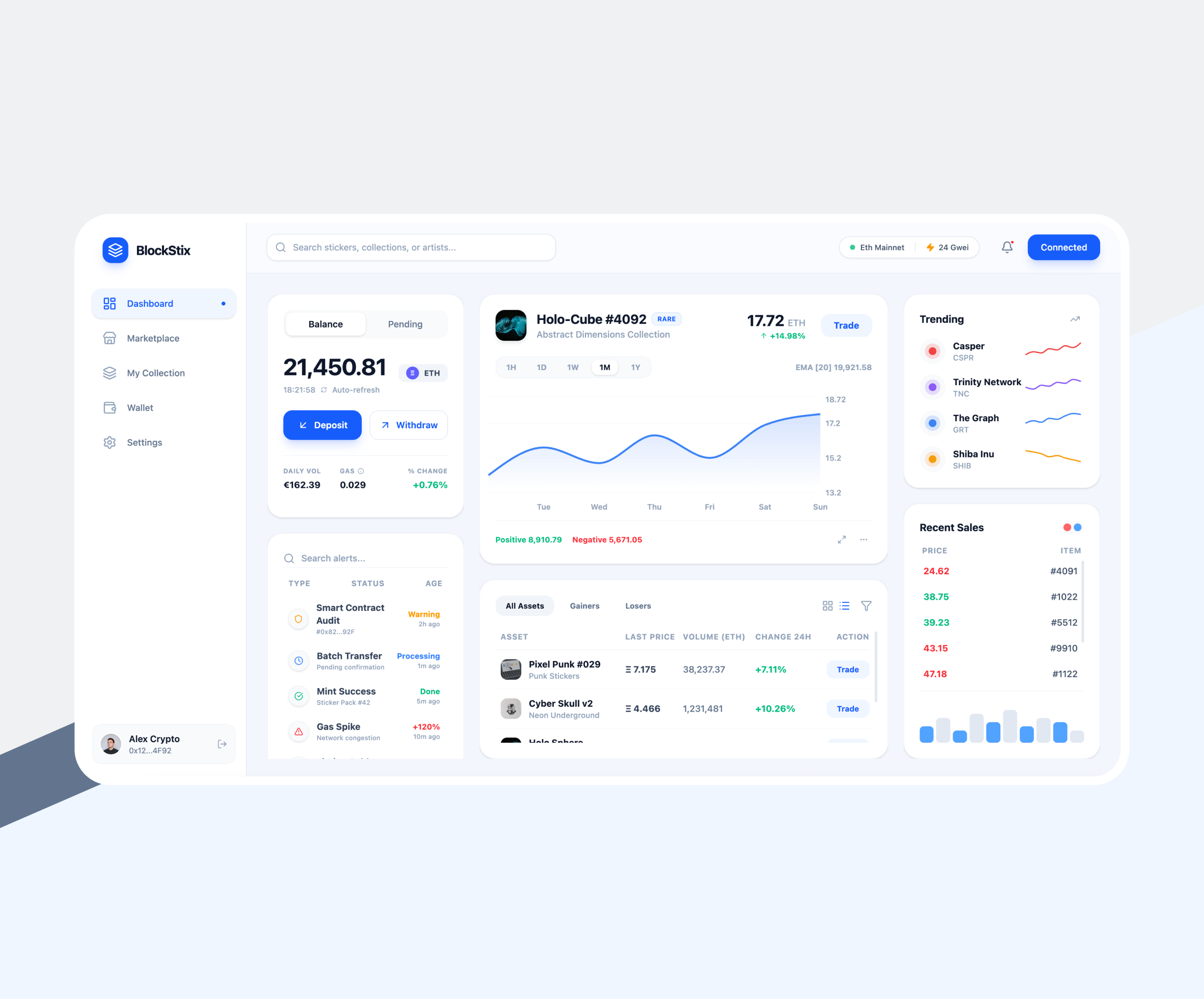
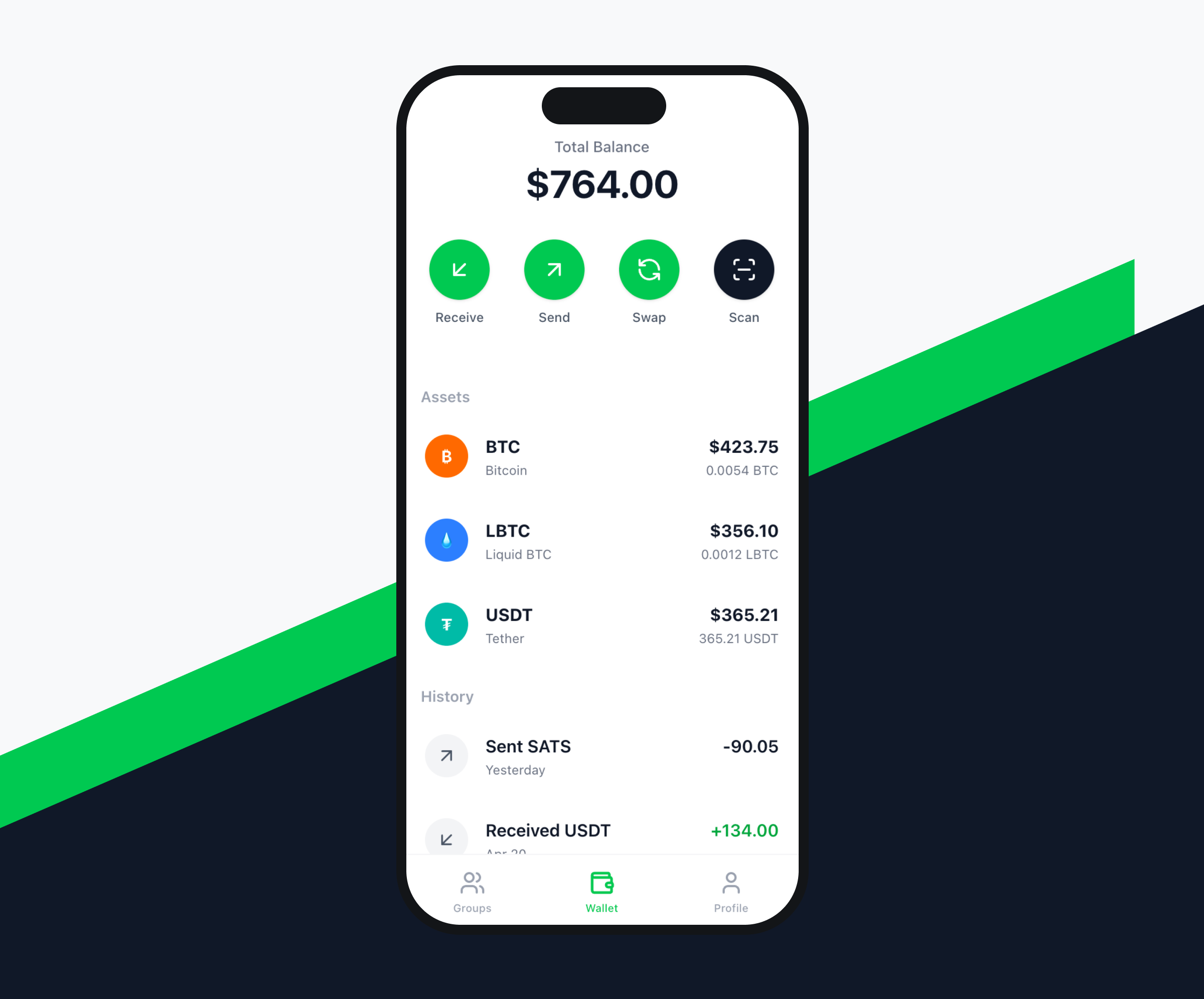
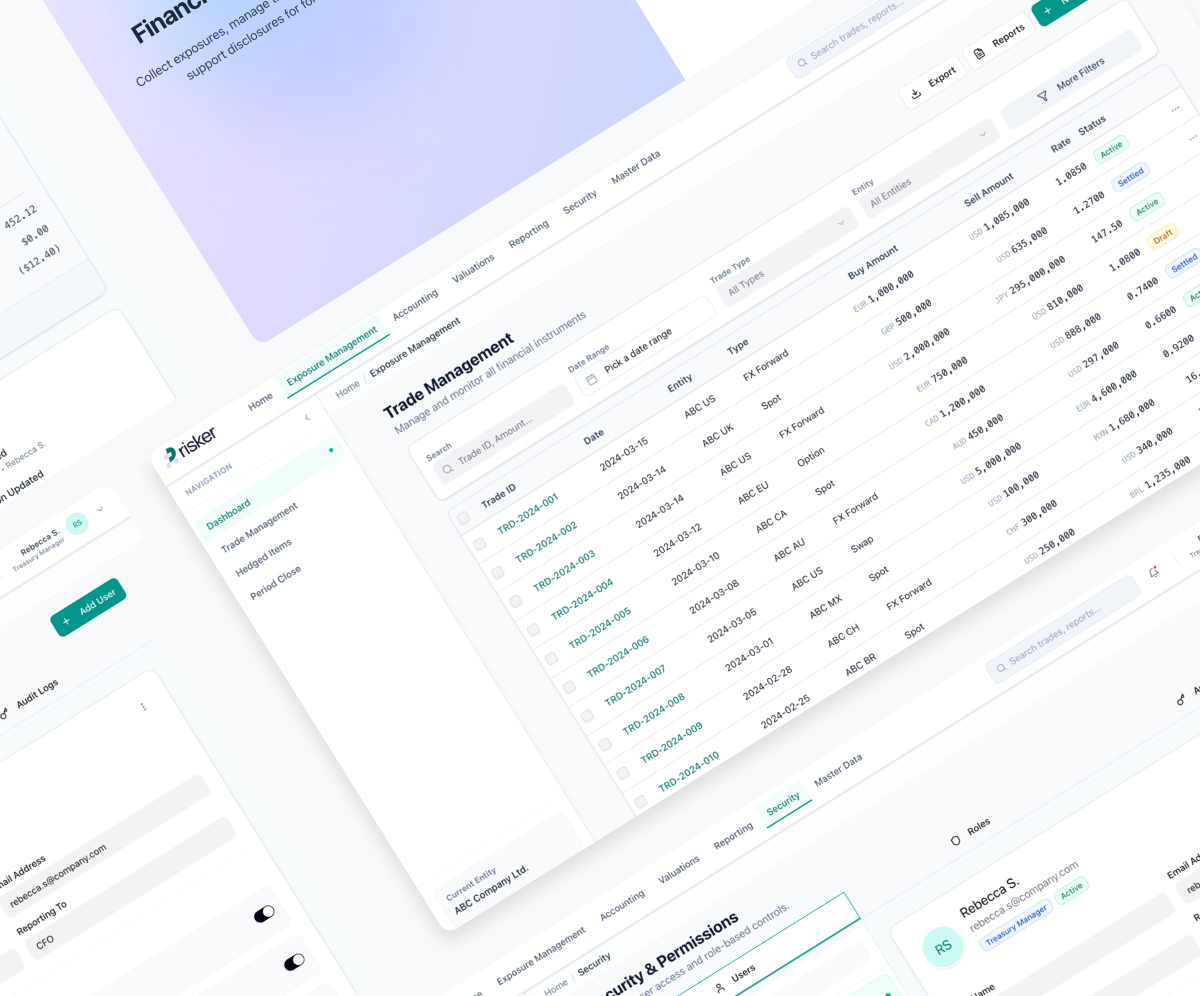
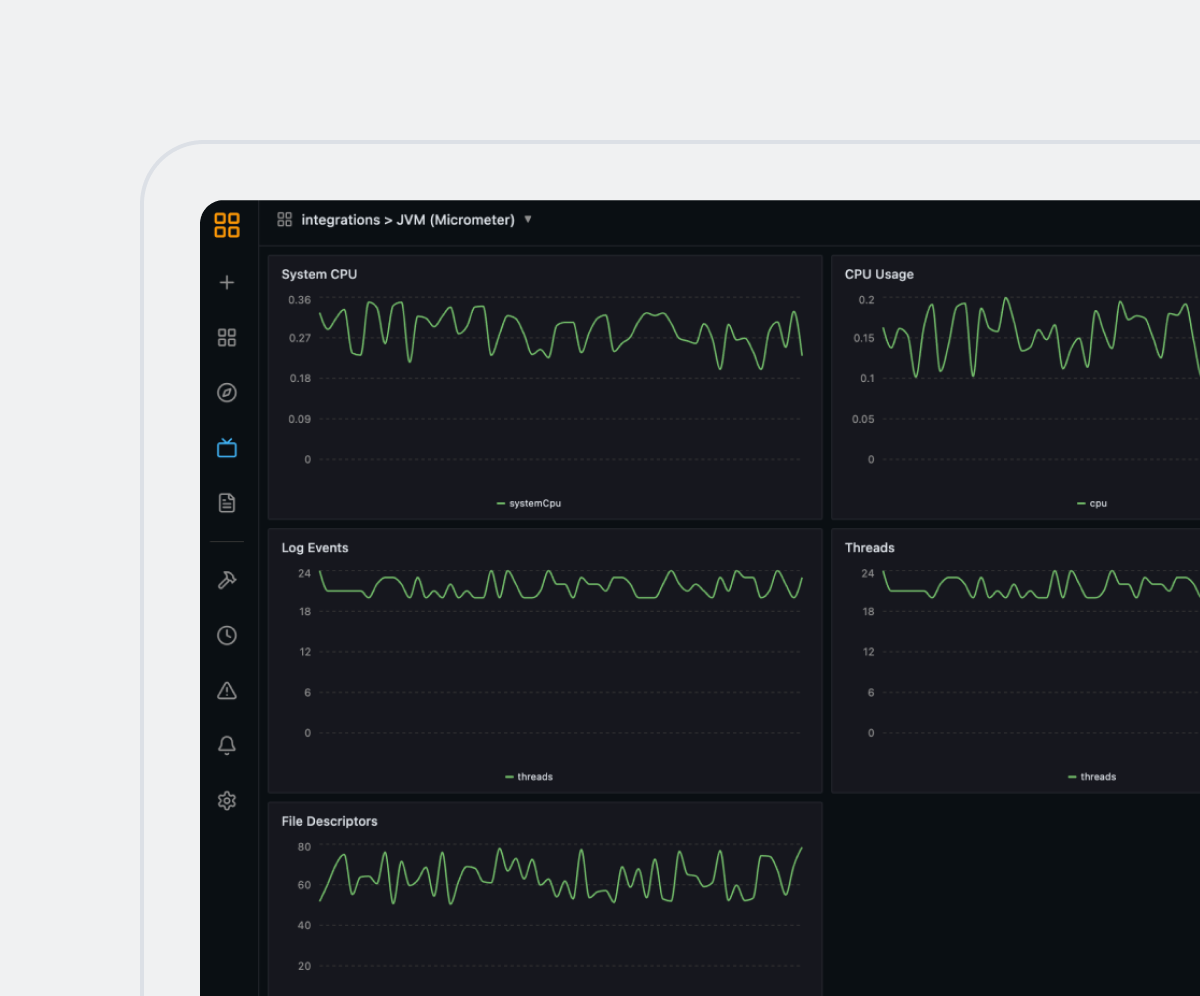

Ask any hospital COO what keeps them up at night, and “the EHR won’t talk to the scheduling system” comes up fast. That’s the monolith problem: one platform promising to do everything, but delivering rigid workflows and API access that takes six months to negotiate. This guide breaks down healthcare software by operational function (not marketing category), so you can match each system to the workflow it actually fixes, and know which questions to ask before signing a contract.
If you’re weighing the full scope of an engagement rather than a single category, our healthcare software development services page covers how we approach builds across all six categories below.
What Are Healthcare Software Solutions?
Simply put, healthcare software solutions are the set of digital tools that run clinical, administrative, and financial operations. Think of a hospital as a city, and each system as a utility: EHR is the water main everyone draws from, scheduling is traffic control, billing is the tax office. Each has a distinct job. Problems start when leadership treats them as one utility instead of a network that needs to interoperate.
And when the water main itself is the problem,not the pipes connecting to it – that’s an architecture issue. That’s the kind of work we cover as an EHR software development company.
Our team reviews your current software stack and flags where operational friction is actually coming from.

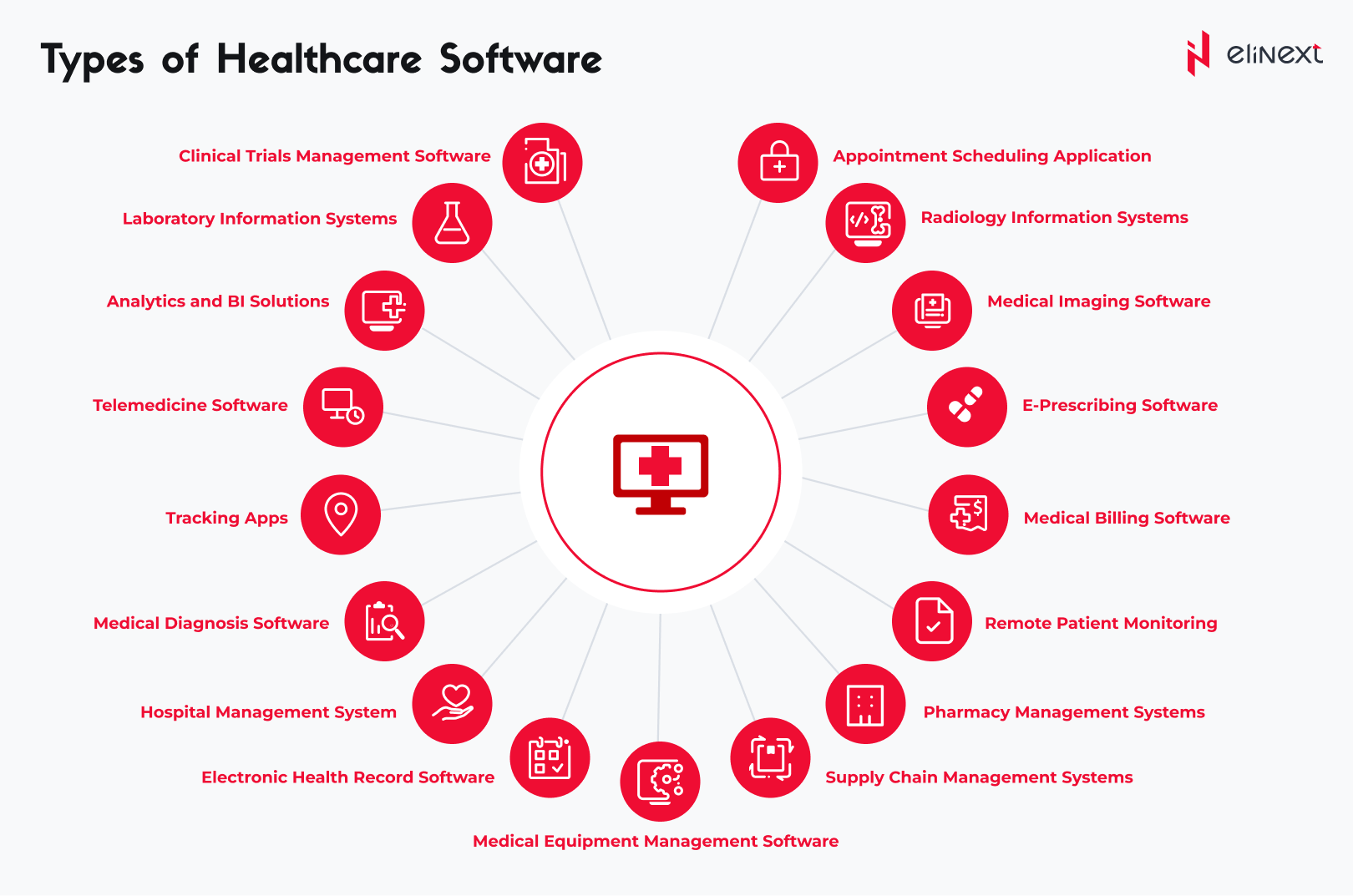
Types of Healthcare Software: The Operational Categories That Actually Move the Needle
Skip the vendor taxonomy pitched by every RFP. Here’s how six operational categories map to the metrics your board actually asks about: cost per case, denial rate, staff turnover, no-show percentage. So you can prioritize spend by measurable impact, not by feature list.
-
Hospital and Practice Management (ERP) Software
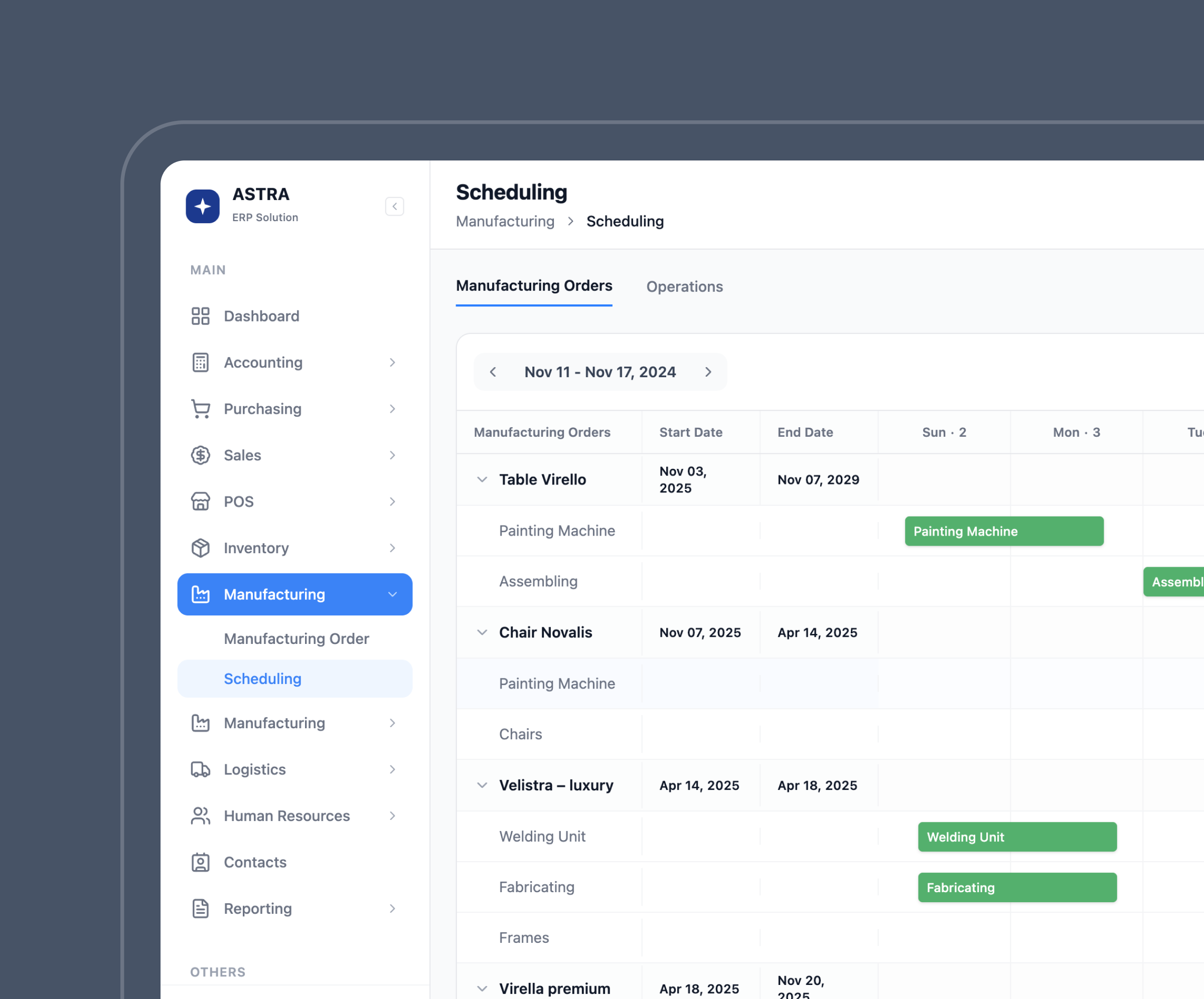
Healthcare ERP software is the operational backbone: inventory, procurement, HR, payroll, and facilities management running through one shared ledger instead of five disconnected spreadsheets. When supply costs run above budget, or department reconciliation drags past month-end close, a fragmented ERP is usually the root cause. Look here first before assuming the problem is staffing or vendor pricing, as the data trail often points back to the system itself.
-
Revenue Cycle and Medical Billing Software
Healthcare revenue cycle software covers claims submission, medical coding, denials management, and patient collections from intake to final payment. If your denial rate sits above the 5-10% industry benchmark, or days-in-A/R keeps climbing quarter over quarter, this is the layer to audit first. Adding billing staff without fixing the underlying claims logic just scales the same errors faster. The software, not the headcount, is usually the bottleneck.
-
Scheduling and Clinical Workforce Management Software
Healthcare scheduling software handles shift planning, credentialing tracking, and real-time staff-to-patient ratio management across departments. Chronic overtime spend and last-minute agency staffing costs usually trace back to scheduling tools that can’t forecast demand by department, shift type, or seasonal patient volume. If your nurse managers are still building schedules in spreadsheets, this gap is costing more than the software would. We’ve written more on how this connects to broader workforce operations in our clinical & workforce management solutions overview.
-
Patient CRM and Engagement Software
Healthcare CRM software manages outreach campaigns, appointment reminders, and a full patient communication history across every channel. No-show rates above 15-20% and low patient portal adoption are almost always engagement-layer problems, not clinical quality issues. Enterprises that fix this layer typically see measurable recovery in scheduled-visit revenue within one to two quarters, all without adding a single new provider. If a chunk of your engagement gap is virtual-visit adoption, that’s worth scoping separately with a telemedicine app development company.
-
Compliance and Risk Management Software
Healthcare compliance software tracks incident reporting, audit trails, policy documentation, and regulatory deadlines across every department and facility. If your team scrambles to assemble records before every Joint Commission survey, compliance data is likely siloed in departmental folders instead of centralized in one auditable system. That scramble is a system problem, and it repeats every cycle until the tooling changes.
Connected equipment adds its own audit trail. If that’s part of the gap, our medical device software development services and IoT healthcare solutions pages cover how device-level data gets captured and audited.
-
Analytics and Business Intelligence Software
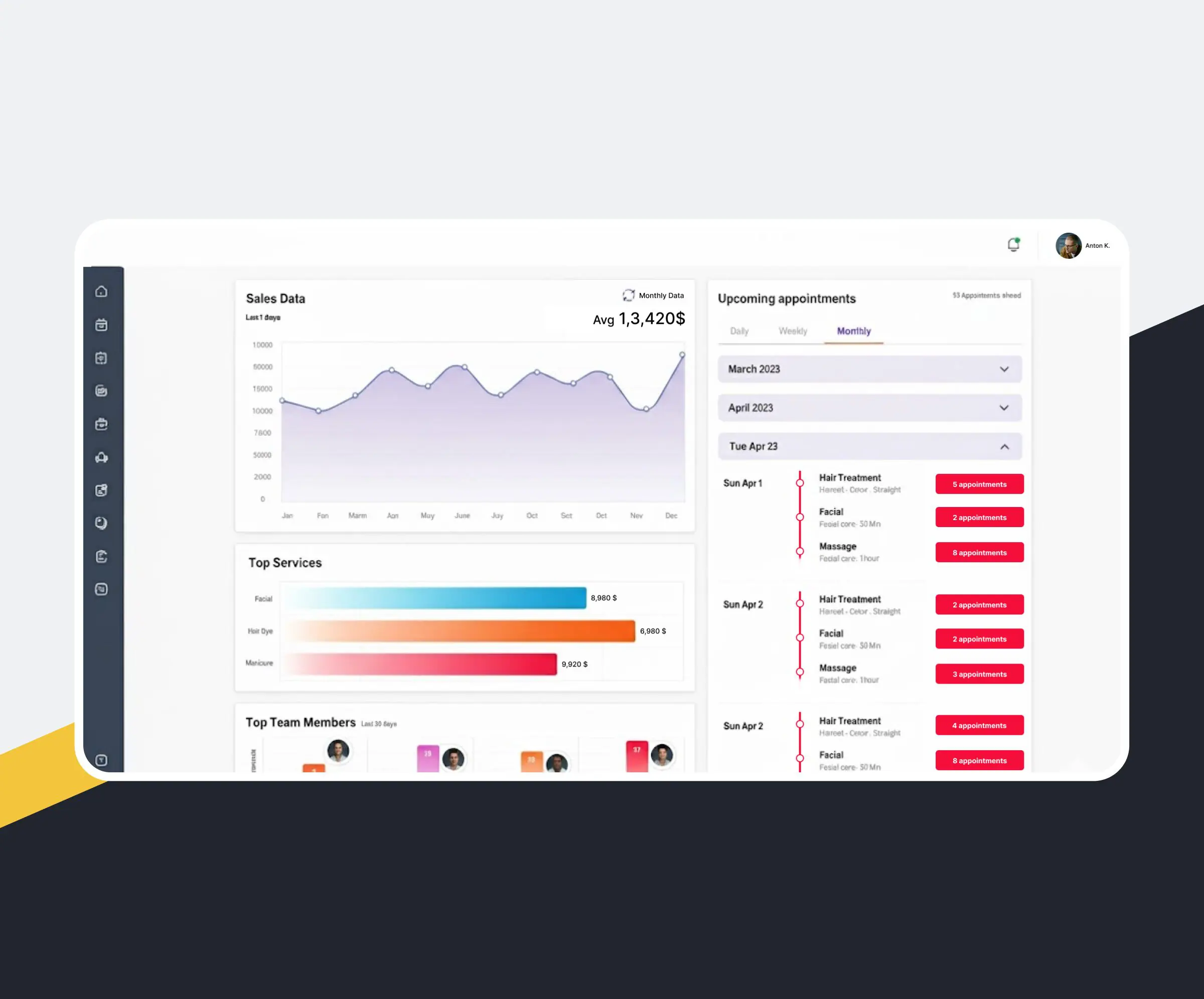
Healthcare analytics software pulls data from clinical, financial, and operational systems into dashboards leadership can actually act on in real time. If monthly reporting still takes a week of manual spreadsheet assembly, this category – not another EHR module – is what closes that gap. The value shows up fastest when BI sits on top of clean data from the categories above, not as a replacement for fixing them.
How Enterprises Should Choose: A Priority Framework
For healthcare leaders, the real decision is sequencing, not picking a “best” platform. Start by pulling one hard number per category, like denial rate, overtime spend, no-show percentage. Because a gap without a metric attached rarely survives budget season. Then look at data flow: a new tool bolted onto a broken integration just relocates the bottleneck instead of closing it. Rank categories by dollar impact rather than which department complains loudest, since visibility and cost don’t always correlate. Finally, pilot using your own historical records instead of a vendor demo: real data surfaces friction that a sales environment is built to hide.

Healthcare enterprises don’t usually have a software problem. They have a sequencing problem. Teams buy the shiny system first, then discover the data underneath is a mess. We start by mapping where data actually breaks before touching any integration. Fix that first, and everything you plug in after (BI, CRM, whatever’s next) starts paying off in weeks, not quarters.

Key Takeaways
Treat categories, not vendors, as your unit of analysis. ERP, revenue cycle, scheduling, CRM, compliance, and BI each solve a distinct operational problem – evaluating by feature list instead of function is how enterprises end up with overlapping, underused tools.
A gap without a metric isn’t a priority. Denial rate, overtime spend, no-show percentage. Quantify the leak in each category before allocating budget, or the loudest department wins over the costliest one.
Fix data flow before adding features. New software layered on broken integrations just relocates the bottleneck instead of closing it, and the enterprise-wide picture gets worse.
Sequencing beats “best-in-class.” The order you fix things in determines whether each new system compounds value or just adds another silo to reconcile at month-end.
Pilot on your own data, not a vendor demo. Historical records expose real friction; a sales environment is built to hide it: test claims, schedules, or tickets you already have.
Conclusion
Vendors will keep renaming these categories every few years: what actually determines success is sequencing, and that part doesn’t change with the market. Enterprises that treat each new system as a bet placed on an already-mapped data flow tend to compound value year after year. Those that skip straight to the shiny dashboard usually end up rebuilding the stack the moment leadership turns over. The discipline is harder to sell internally than a slick demo, but it holds up longer. Start with the metric. Let the platform choice follow from there.
Pull your denial rate, overtime spend, and we’ll help you see which category is actually costing you the most.
FAQ
-
EHR systems remain the most widely deployed, since regulatory requirements and clinical documentation mandates make them non-negotiable. But “most used” doesn’t mean “most impactful”: for operational efficiency, revenue cycle and scheduling software often move the metrics faster.
-
Most enterprises run a stack: an EHR for clinical records, an ERP for hospital management, billing software for revenue cycle, scheduling tools for workforce, plus CRM and BI layered on top. The mix varies by facility size and specialty.
-
Epic and Oracle Health (formerly Cerner) dominate EHR market share among large health systems. Vendors like Meditech, athenahealth, and NextGen serve mid-size and ambulatory markets with different pricing and implementation models.
-
Epic leads in large health system deployments, Oracle Health (Cerner) follows closely, and MEDITECH holds significant share in community hospitals. Selection typically depends on facility size, budget, and existing infrastructure rather than feature parity alone.
-
Six operational categories cover most enterprise needs: hospital/practice management (ERP), revenue cycle and billing, scheduling and workforce management, patient CRM, compliance and risk management, and analytics/BI, each solving a distinct operational problem.
-
Start by quantifying the operational gap in each category with a hard metric, then prioritize by dollar impact rather than urgency of complaints. Fix underlying data flow before adding new features, and pilot with existing records instead of vendor demos.
-
Clinical software (EHR, e-prescribing, clinical decision support) directly supports patient care decisions and documentation. Operational software (ERP, scheduling, billing, BI) runs the business side that keeps clinical operations funded and staffed.
-
Costs vary widely by category and facility size, from tens of thousands for scheduling tools to millions for enterprise EHR rollouts. Total cost of ownership should include integration, training, and data migration, not just licensing fees.