














































































































































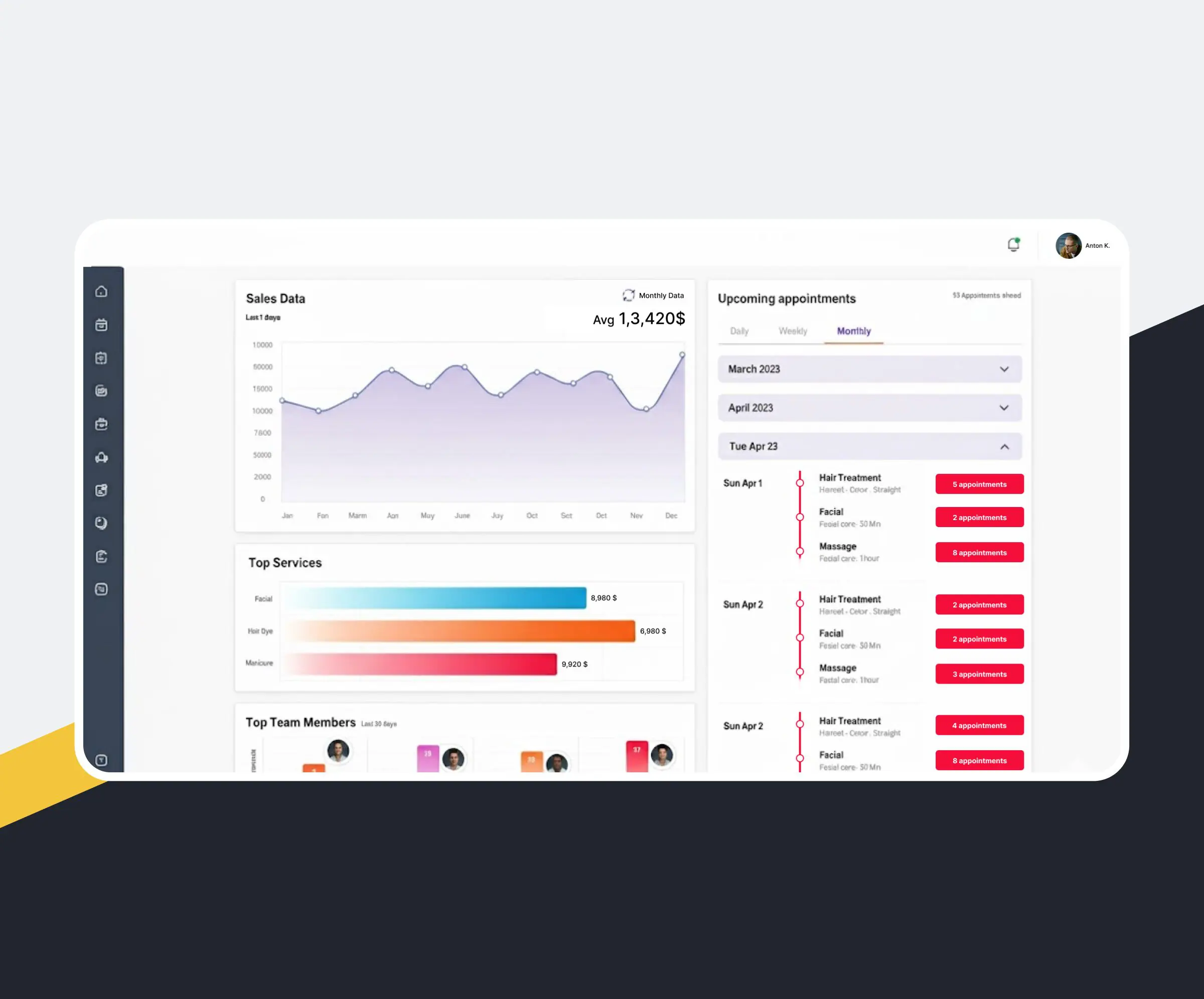


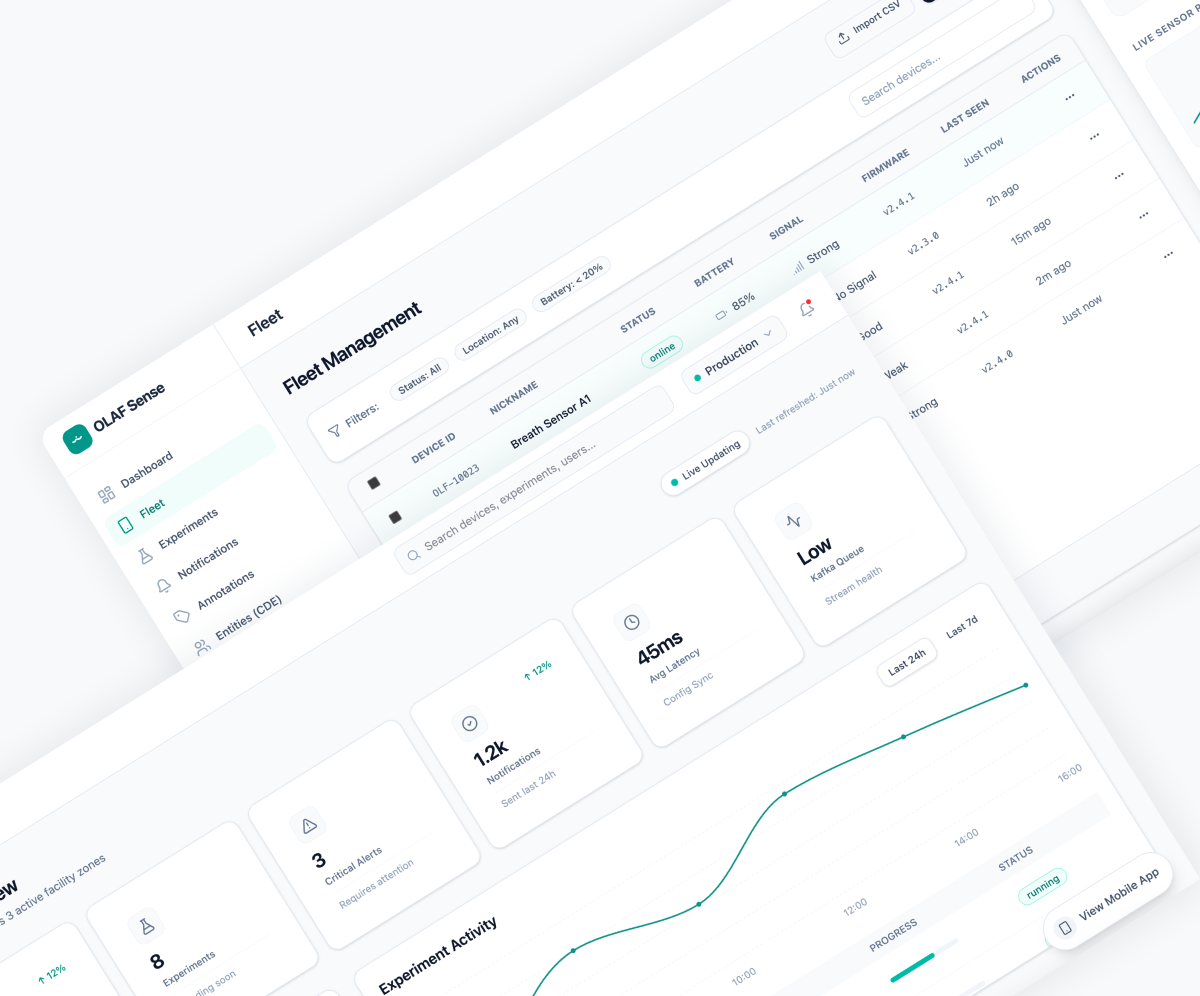


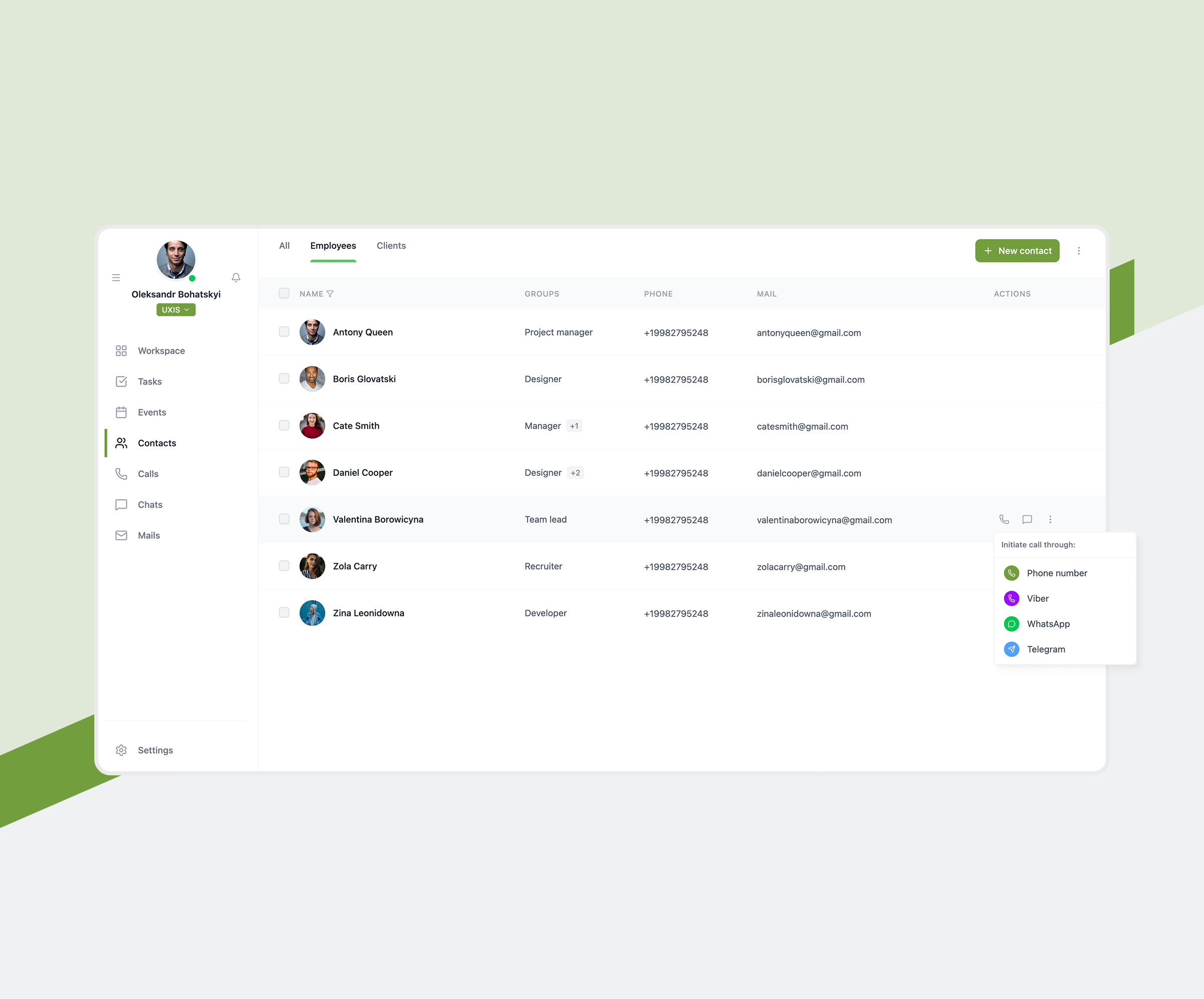
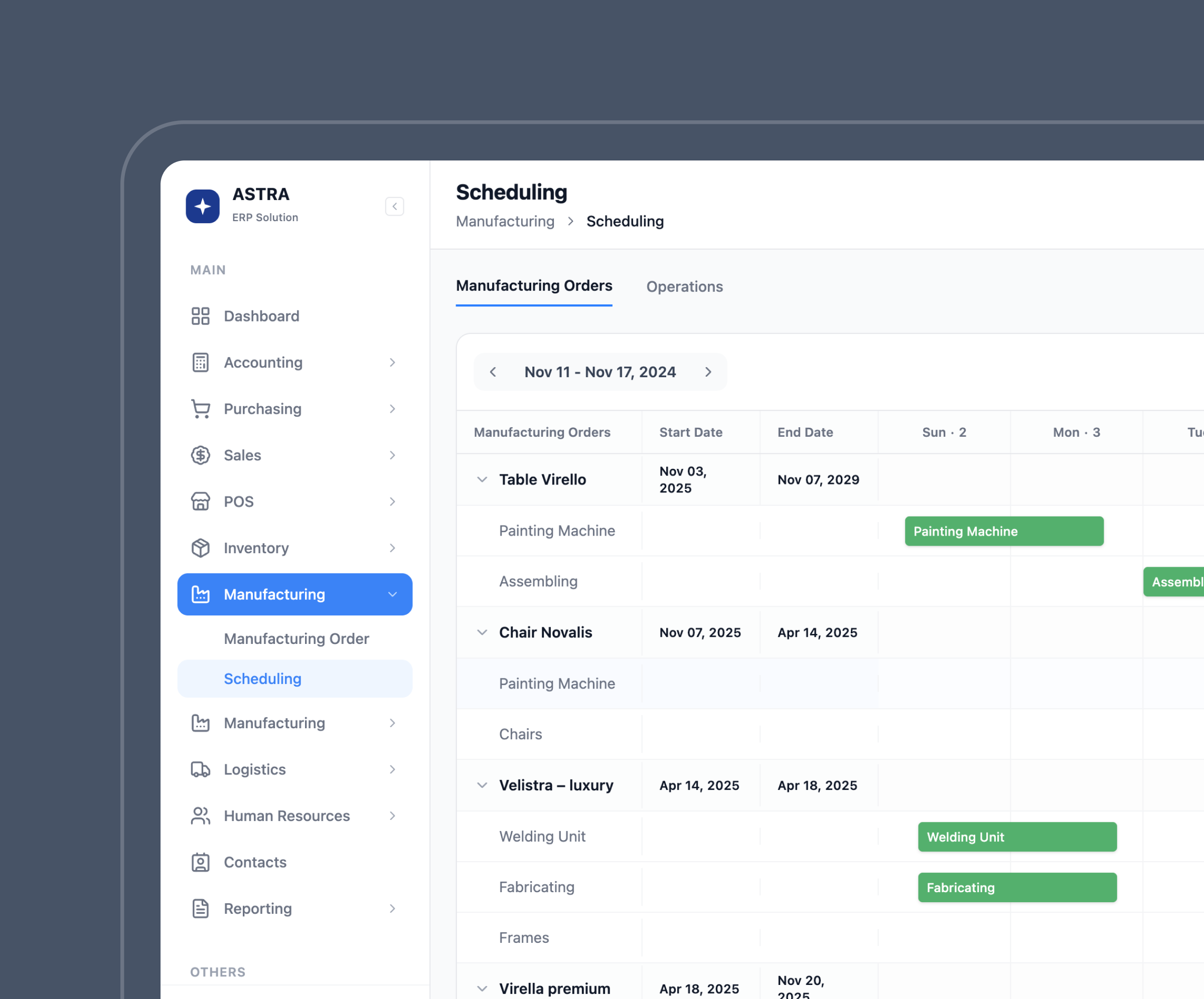
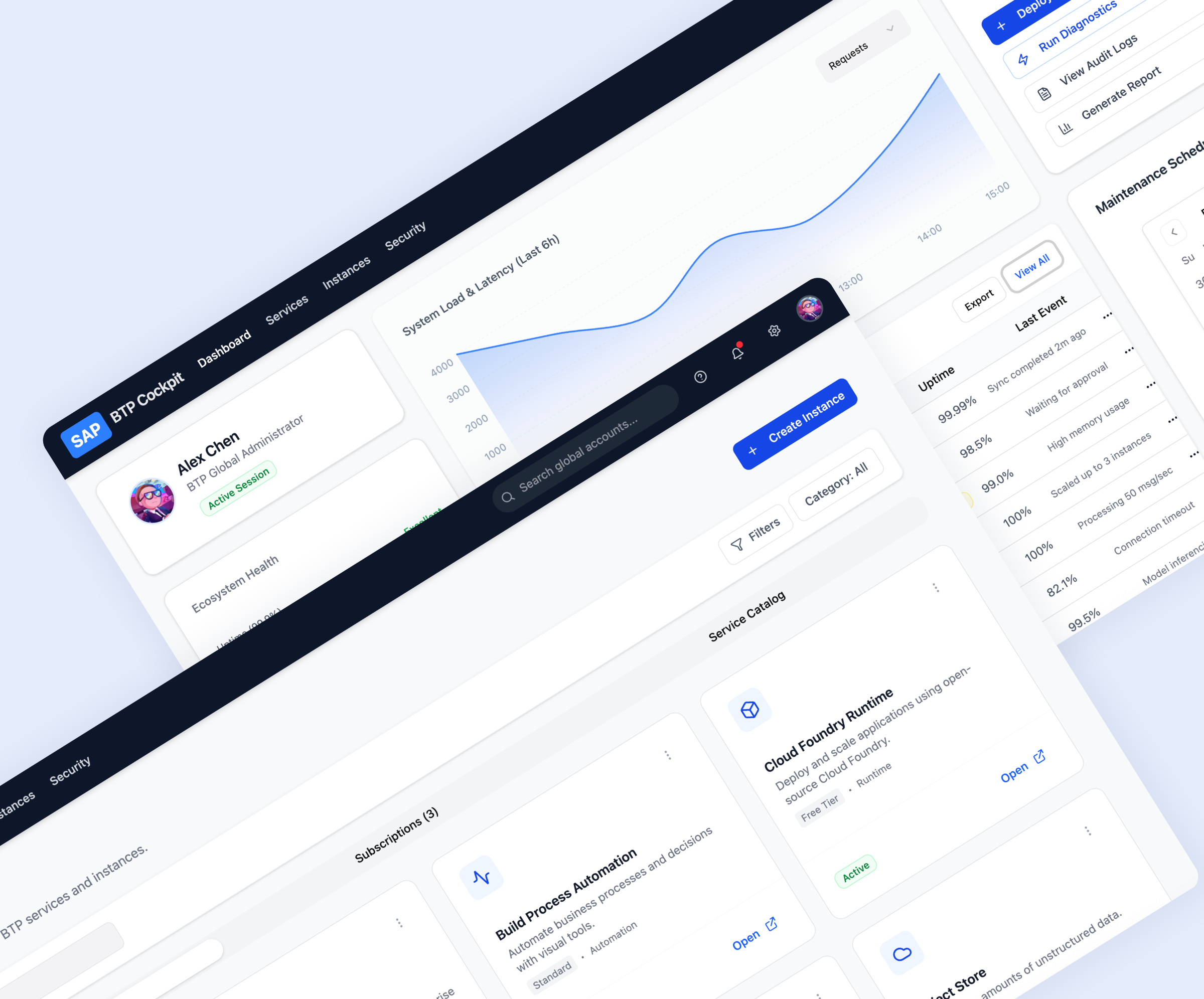
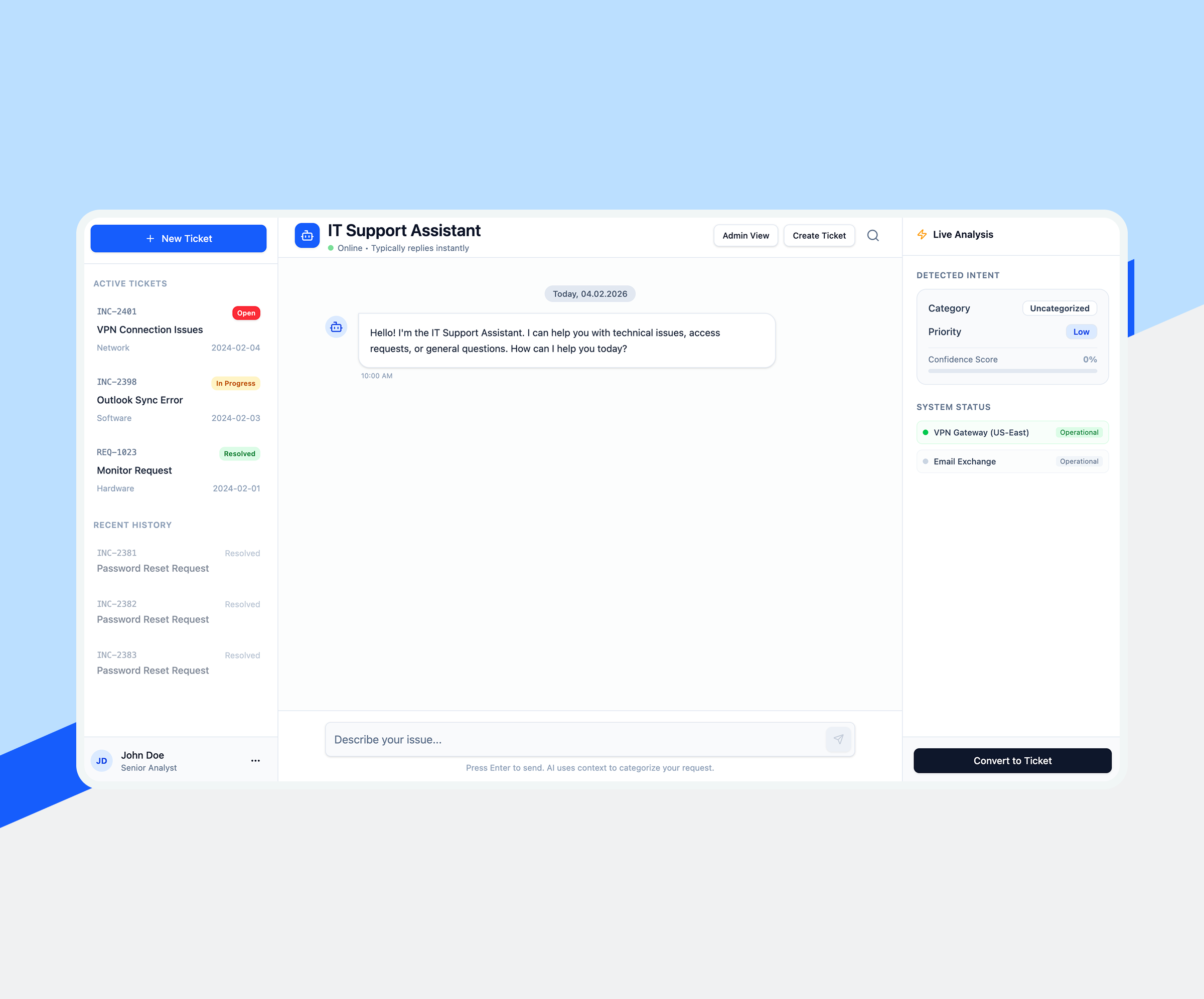
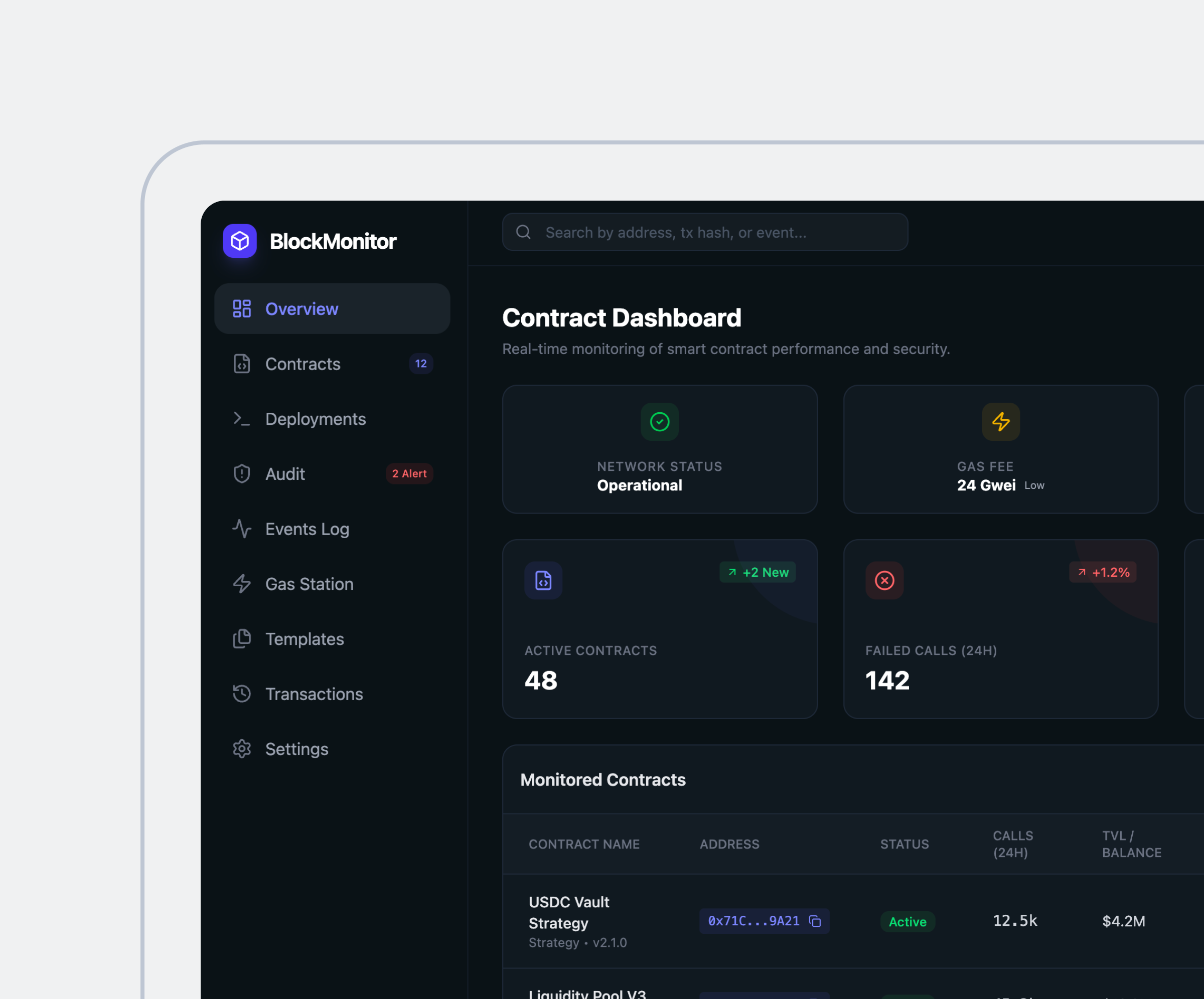
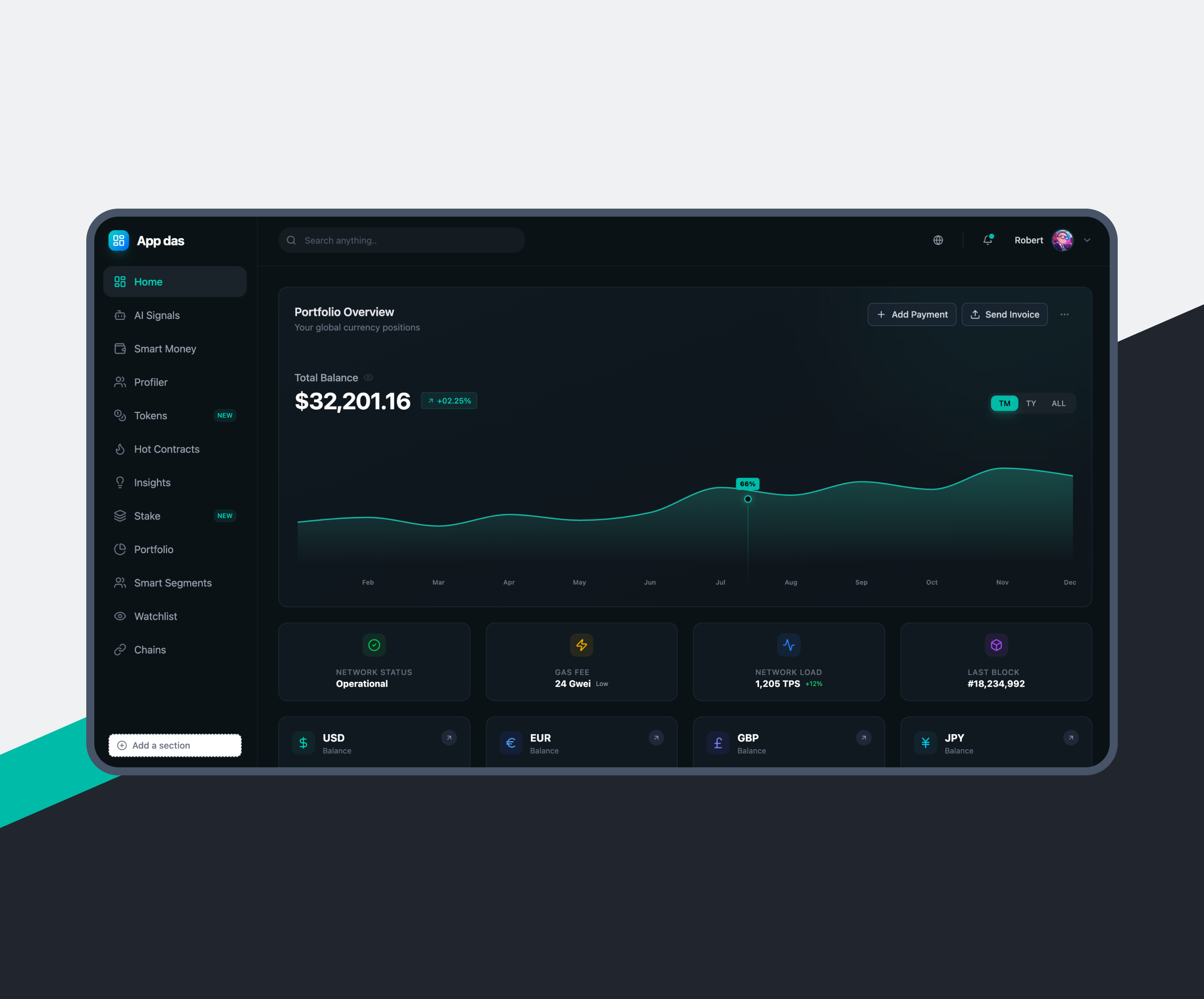
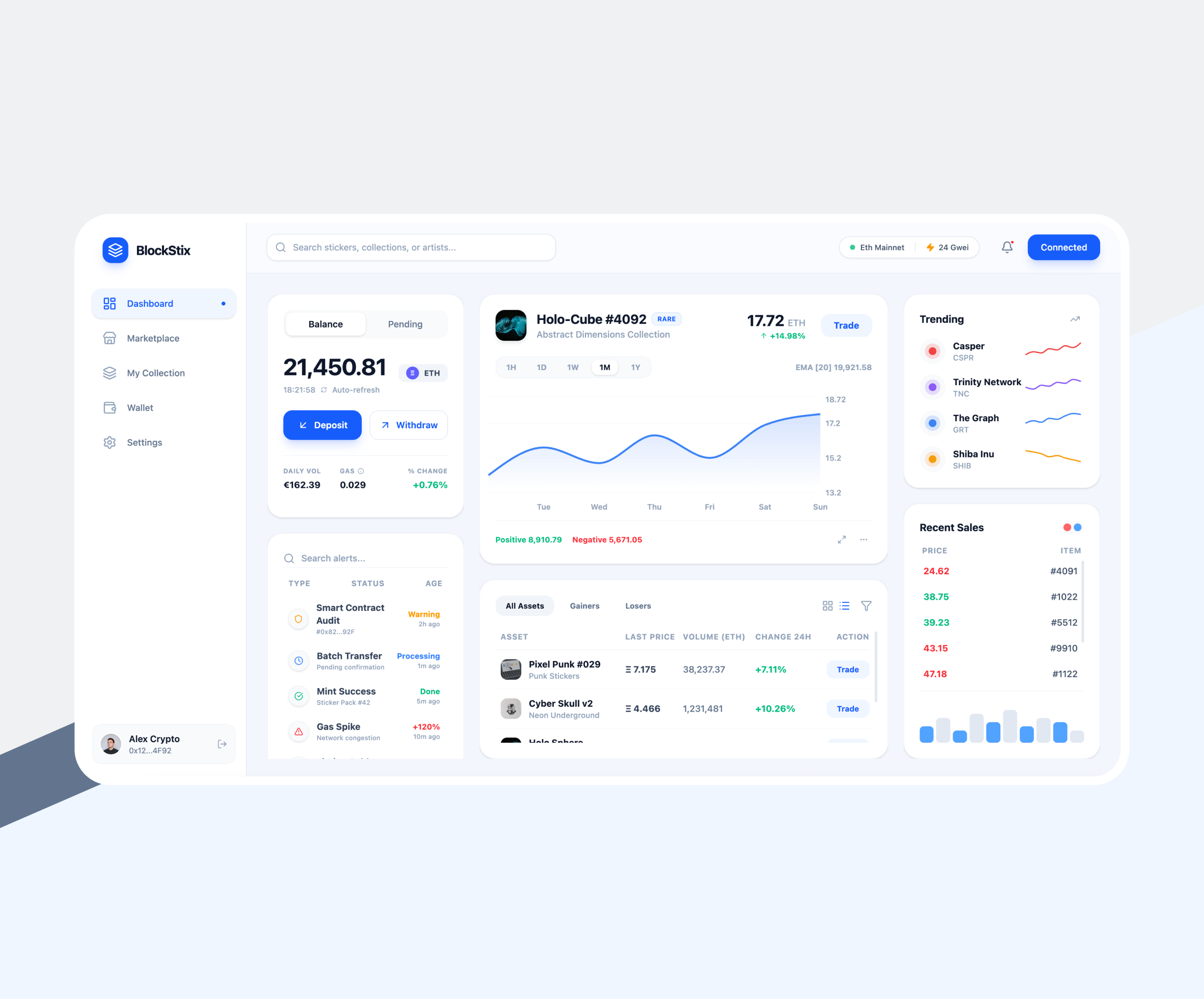
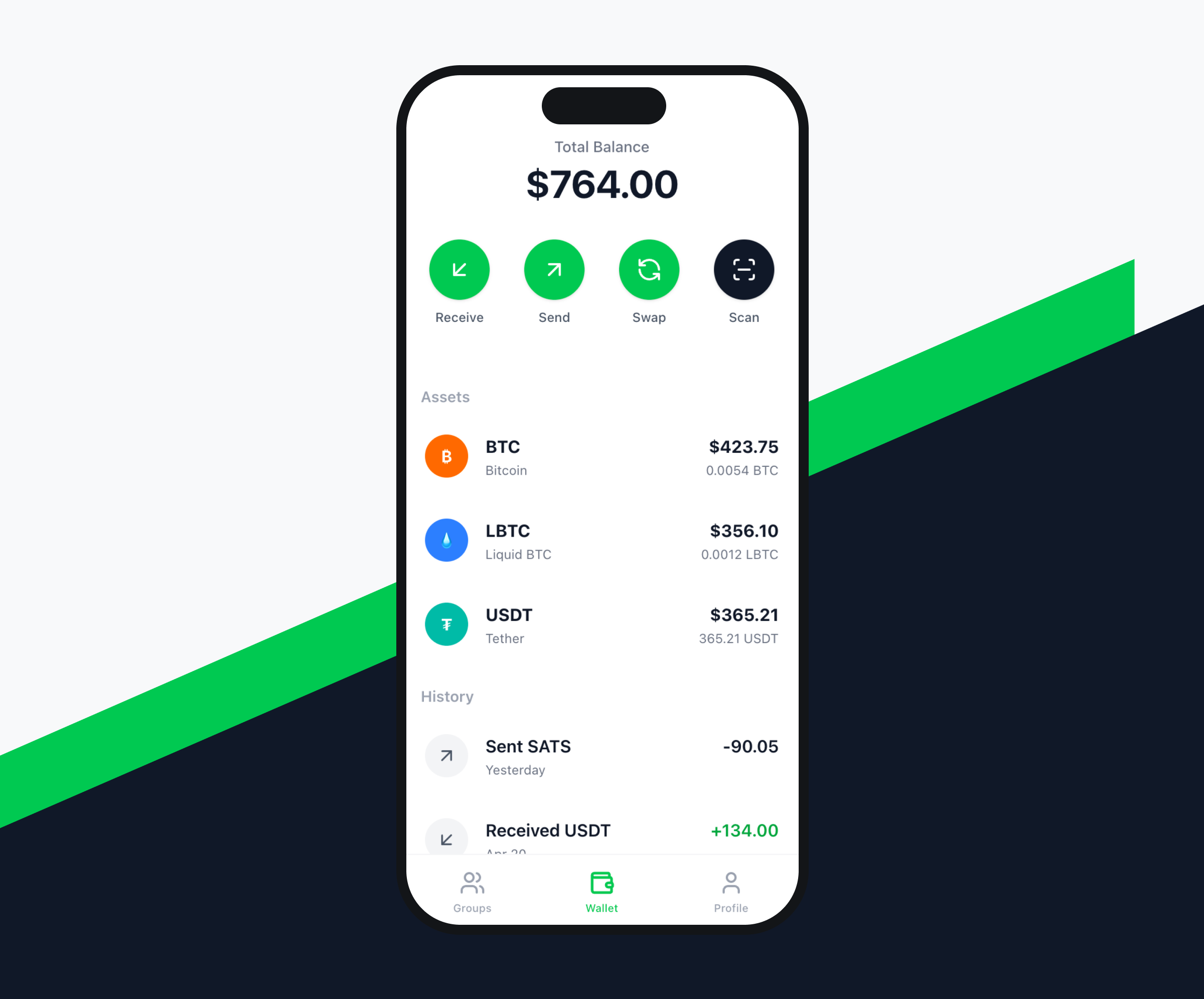
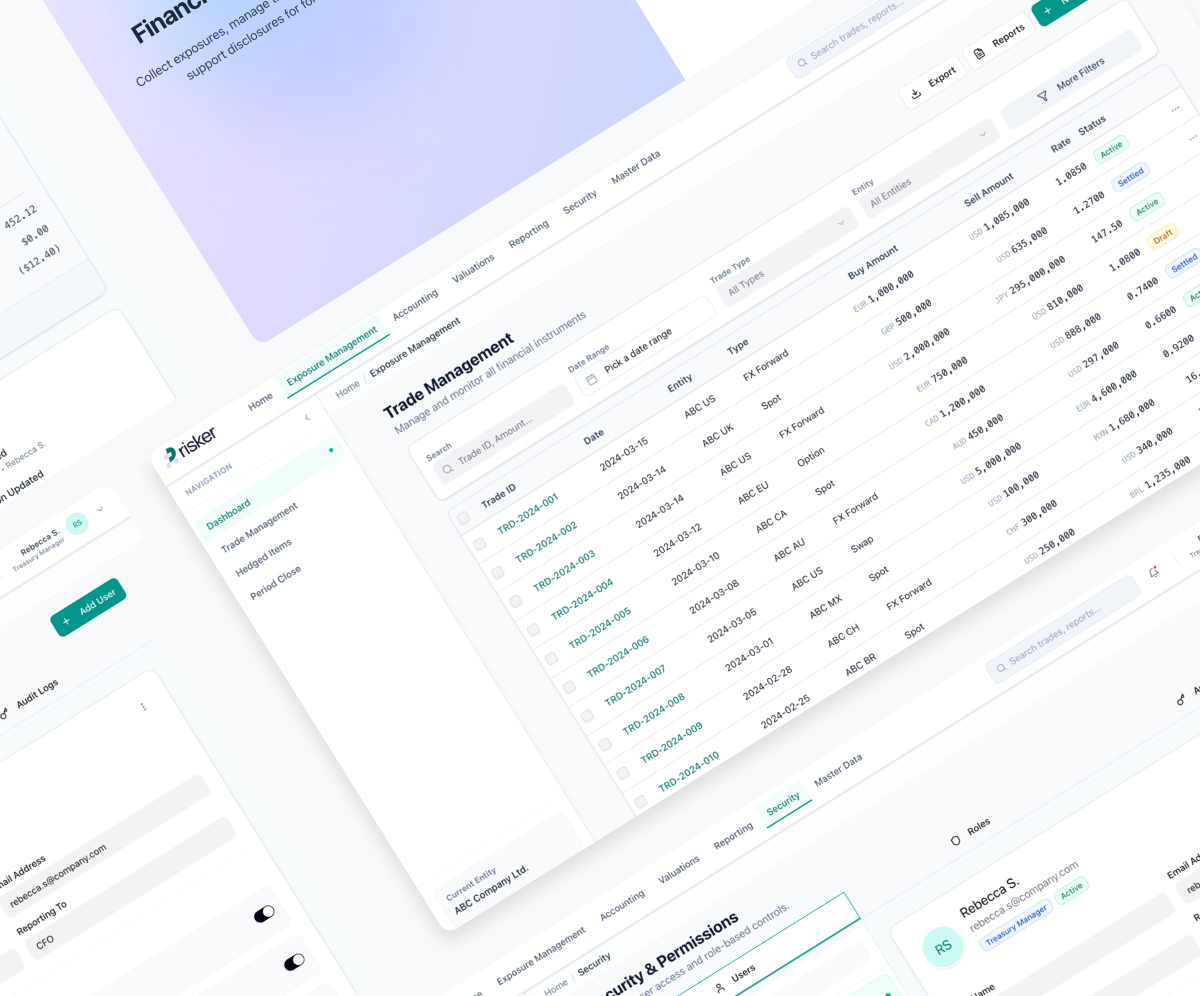
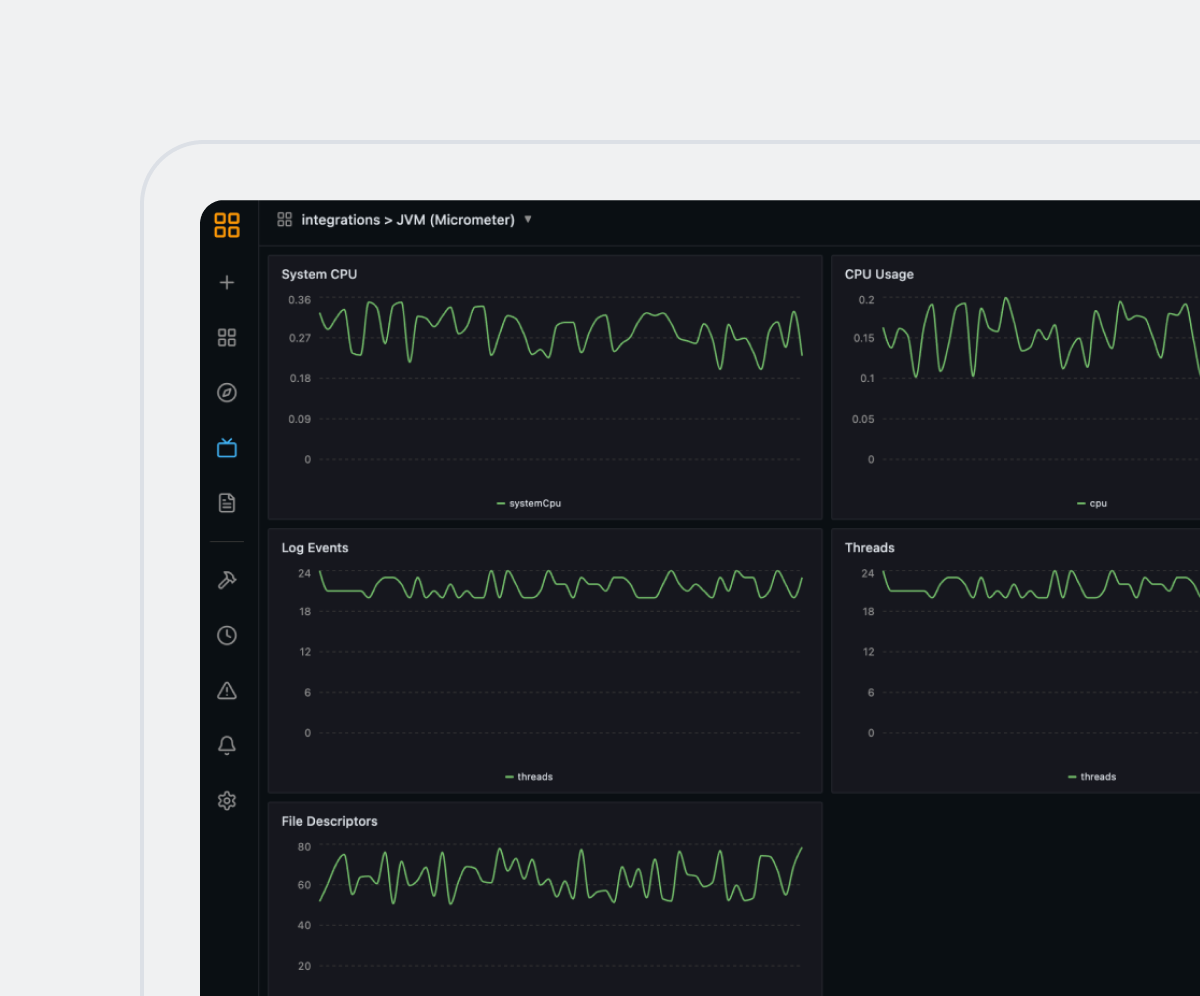
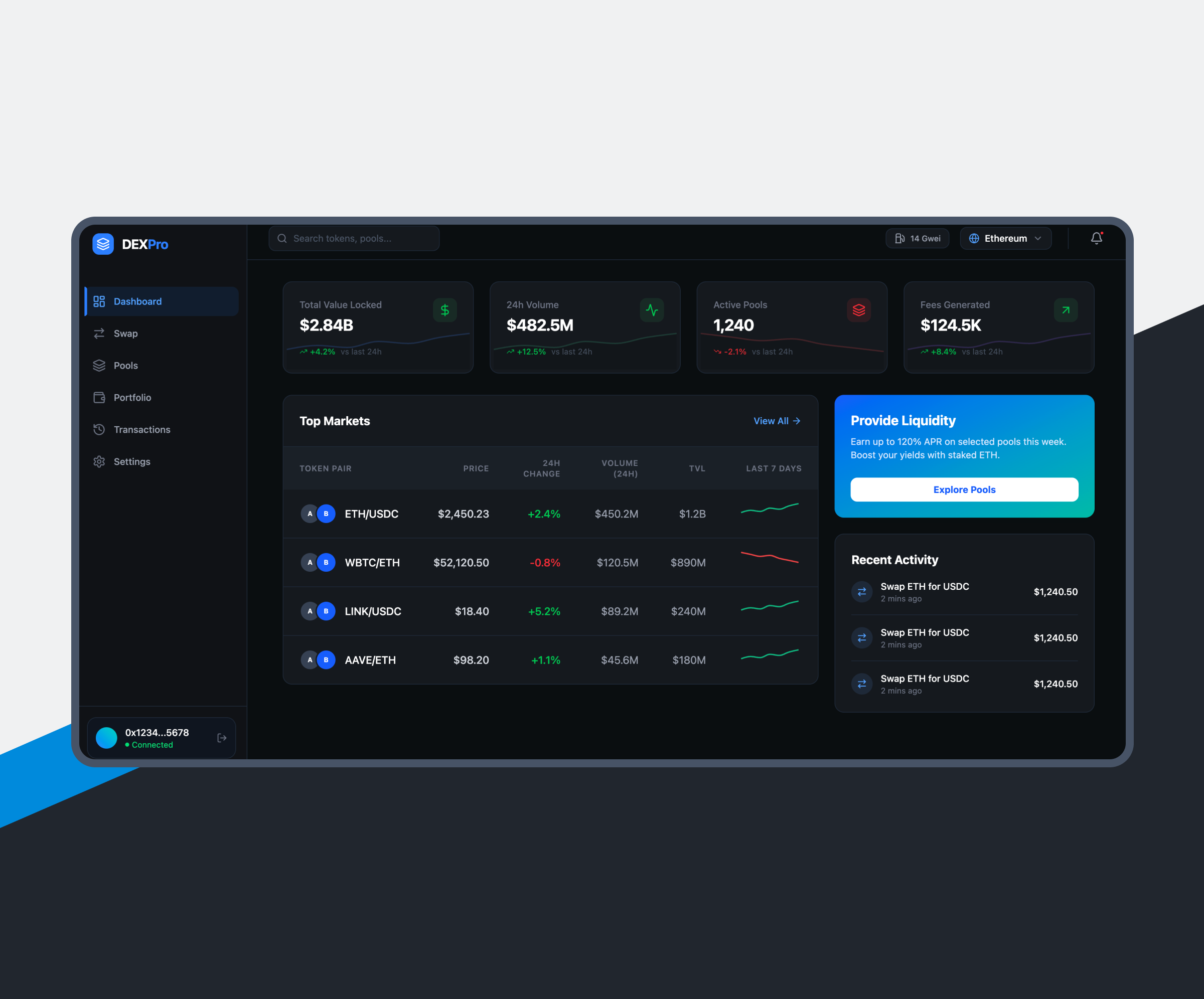
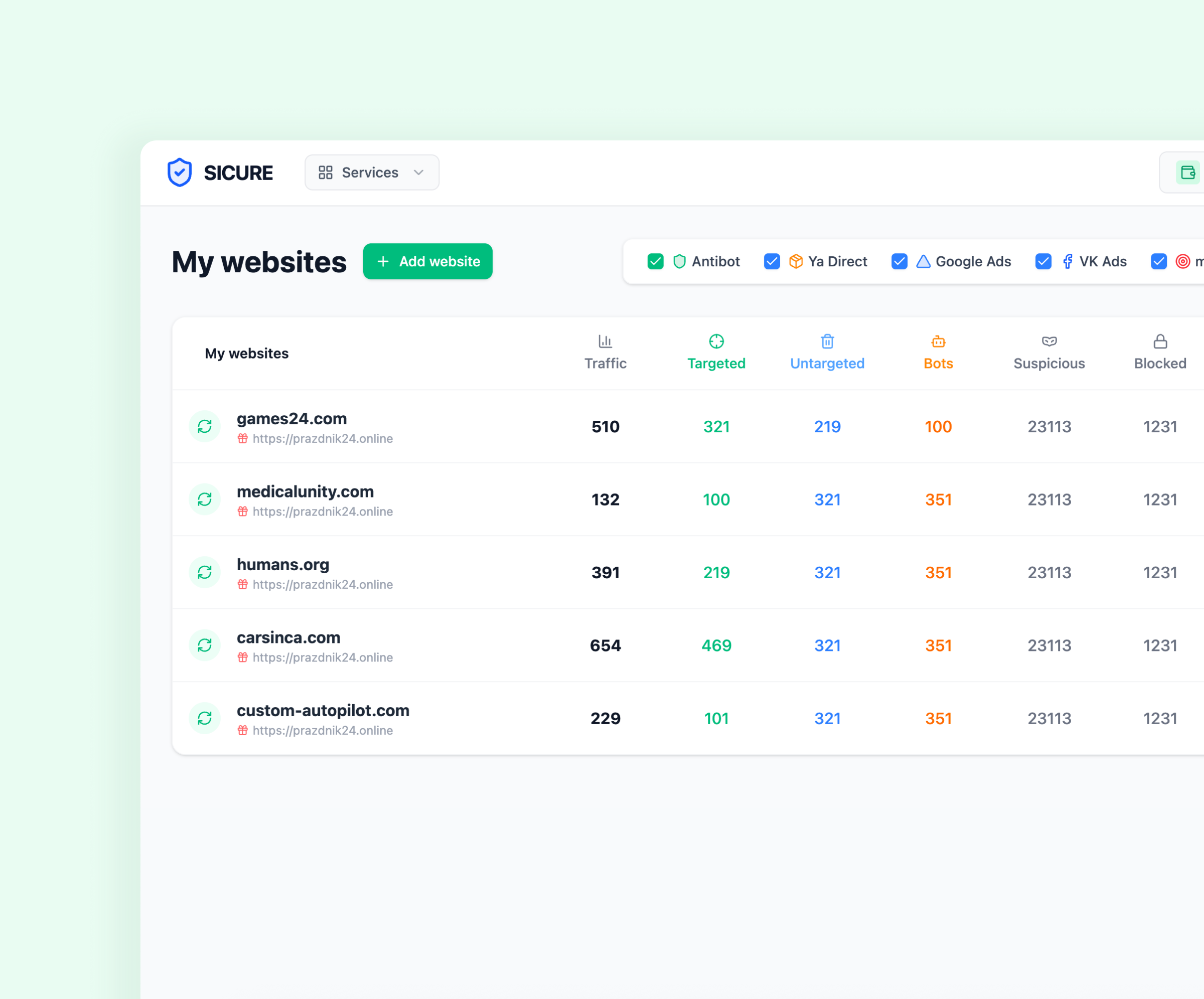

An insurance portal is a role-based environment where content, business applications, and workflow management systems are assembled in a unified way. Portals help insurance carriers administer customer histories, product details, sales activities, corporate data, and other relevant information.
Insurance portal development by an insurance app development company provides digital platforms for managing policies, claims, and clients. This service benefits insurers, brokers, and insurance agency managers seeking efficiency, regulatory compliance, and client satisfaction. Results include a 45% reduction in administrative costs, a 70% acceleration in claims processing, and preparedness for future operational changes.
In order to achieve growth, insurance companies enhance their services by providing more targeted offers, increasing response times, and automating data exchange.
Insurance web portal development enables self-service, digital claims processing, and policy management in real time. By 2026, 55% of claims will be processed digitally, reducing processing time by 5.5 days and saving $40 million. Features such as AI-powered automation and secure document management improve efficiency and customer satisfaction.
Information is the lifeblood of the insurance industry. To integrate people, procedures, and a wide array of information sources, many insurance companies are turning today to the flexibility and capabilities of portals.
Key Takeaways
- 55% of insurance companies now process claims digitally, reducing processing time to 5.5 days.
- Digital transformation can save up to $40 million and reduce policy administrative costs by 45%.
- More than 60% of insurance companies have accelerated portal implementation to meet rising customer expectations.
What is an Insurance Web Portal?
An insurance web portal is a digital platform for policyholders, agents, and partners that enables them to manage insurance processes online. For example, IoT in transportation and logistics provides real-time risk data, while insurance web portal development allows users to submit claims, track shipments, and securely access documents, streamlining operations for both insurers and clients.
Let’s make your business customer-centric and future-ready.

Discover All Types of Insurance Portals
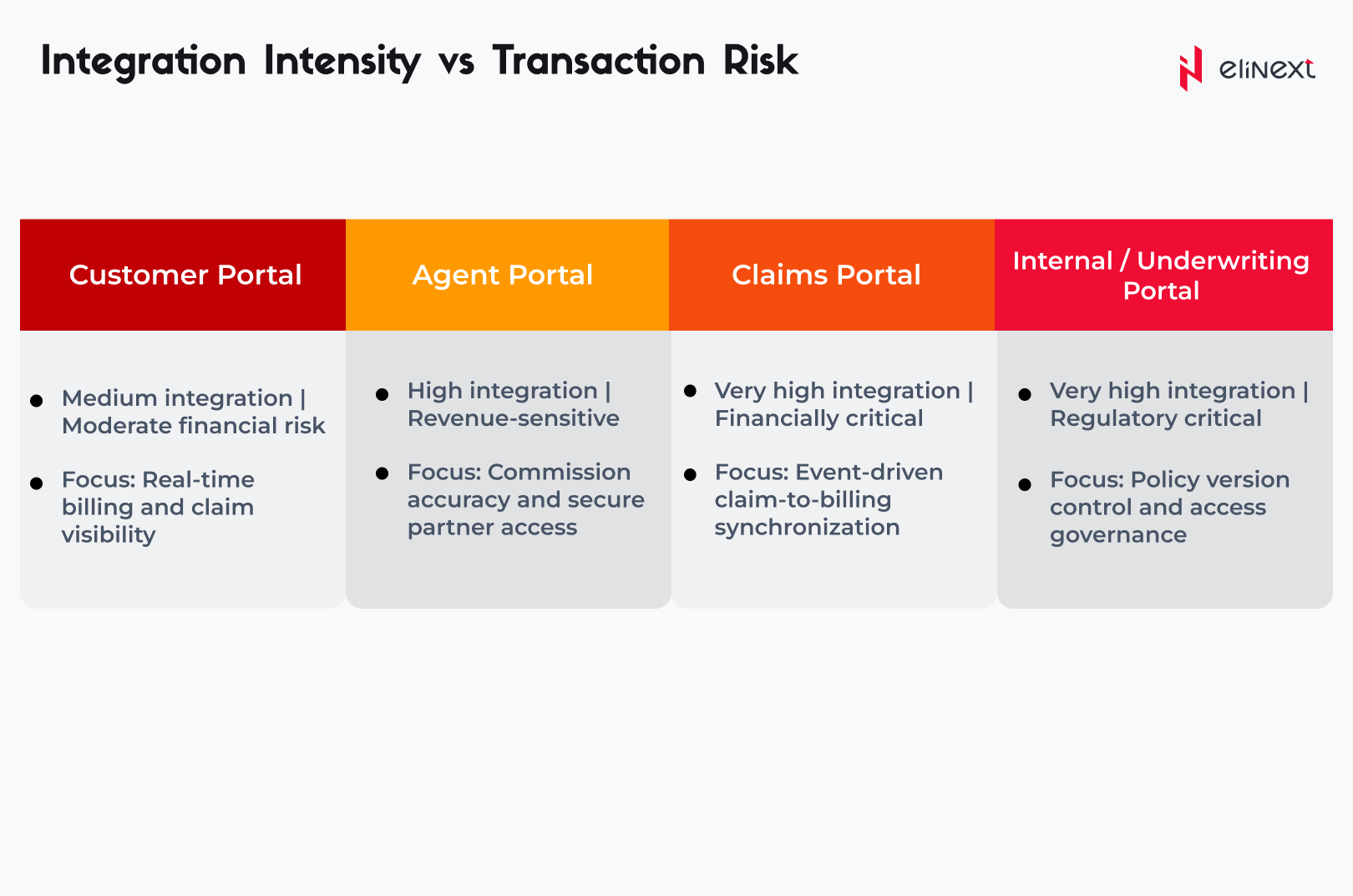
Insurance portal development and ERP for insurance allow for the creation of a variety of portals: customer self-service, agent portals, broker portals, claims processing portals, underwriting portals, partner portals, comparison portals, MGA/MGU portals, and administrative portals. Each type supports unique workflows—policy management, claims processing, or partner collaboration—providing a customized digital experience for each participant in the insurance process.
-
Customer Self-Service Portal
With insurance portal development, customer self-service portals allow policyholders to manage policies, submit claims, pay premiums, and access documents 24/7. This reduces support costs, increases satisfaction, and streamlines operations, making insurance more accessible and responsive to modern customer needs.
-
Agent and Broker Portal
The Agent and Broker Portal is a digital platform that helps brokers efficiently manage policies, quotes, and customer interactions. Insurance brokers log in to compare plans, generate quotes, and track commissions in one place, improving response times and customer satisfaction.
-
Claims-Focused Portal
The Claims-Focused Portal is a system designed to streamline the process of filing, tracking, and resolving claims. Clients upload photos of the accident, submit a claim, and track approval status online, while claims specialists quickly review and process everything through the same interface.
-
Internal Administration and Underwriting Portal
CRM for insurance industry supports the internal administrative and underwriting portal, centralizing policy data, automating risk assessment, and streamlining the approval process. An underwriter views a client’s history, automatically calculated risk score, and documents in a single dashboard and then issues a policy in minutes instead of days.
Key business values of insurance portal development
Insurance web portal development ensures operational efficiency, reduced costs, and improved customer service. Automation reduces administrative costs by up to 45%, AI-based claim processing speeds up processing by 70%, and self-service increases satisfaction. Centralized data and analytics enable more informed decisions and ensure regulatory compliance for insurers.
- Streamlined information flow across business units and processes;
- Reduced operational costs related to a high degree of process automation;
- Customizable role-based access to information and applications;
- Faster claims processing;
- Higher employee productivity;
- A clearer picture of the most demanded services and products;
- Outreach to a larger customer pool with a possibility of moving into new market segments;
- Increased data accuracy;
- Enhanced collaboration between users and insurance agents;
- Integration with CRM (customer relationship management) systems and call centers;
- E-learning with role-specific training and guidelines;
- Improved customer satisfaction due to self-service and time-saving applications;
- Increased sales efficiency.
Sensing technological, economical, and social pressures, insurance companies are interested in having up-to-date and reliable portal solutions. In the near future, hardly any insurer will be able to do without a portal. Obviously, prosperous are going to be those insurance companies that invest in insurance software infrastructure to sustain robust IT agility as a critical competitive advantage.
Maximize efficiency, compliance, and customer loyalty.
What are the Main Features of Insurance Web Portals
Insurance portal development offers a wide range of capabilities: policy management, claims processing, underwriting support, document management, CRM, accounting, marketing, reinsurance, RBAC, fraud detection, and API integration. These tools automate workflows, ensure compliance, and provide a seamless digital experience for both insurers and clients.
-
Customer Management
Insurance web portal development centralizes customer data, tracks interactions, and automates policy renewals. CRM integration enables personalized communications, lead management, and customer retention strategies, increasing satisfaction and loyalty while reducing manual processes for insurers and agents.
-
Underwriting Support
Insurance portal development streamlines underwriting with automated risk assessment, AI-powered engines, and workflow automation. Underwriters can instantly evaluate applications, customize policies, and ensure compliance, speeding up policy issuance and reducing errors for insurers. This is the core focus of Elinext’s AI insurance underwriting solutions, which combine risk-assessment engines with workflow automation.
-
Claims Management
Claims management automates the entire process from the initial notification of an insurance claim to settlement. Customers submit claims online, upload documents, and track their status, while insurers use AI to detect fraud and expedite review, reducing processing time and increasing transparency.
-
Reinsurance
Reinsurance modules in insurance portals manage contracts, claims, and risk analysis. They automate accounting, simplify reporting, and enable real-time collaboration between insurers and reinsurers, improving risk management and operational efficiency.
-
Documents Management
Insurance web portal development includes secure document management systems for storing, sharing, and electronically signing policies, claims, and invoices. Features such as version control, indexing, and audit logs ensure compliance and easy access for all users.
-
Marketing Management
Marketing management tools in insurance portals allow you to automate campaigns, qualify leads, segment them, and increase sales. Insurers can launch targeted campaigns, track performance, and personalize offers, driving growth and customer engagement.
-
Accounting & Financial Reporting
Insurance portal development integrates accounting and financial reporting, automating premium invoicing, commission payments, and regulatory reporting. Real-time dashboards and analytics provide transparency, reduce errors, and support strategic decision-making for insurers.

Industry 4.0 brings both opportunities and risks to insurance portal development. Regulatory requirements (GDPR, HIPAA) and cyberthreats make legacy systems vulnerable. Elinext insurtech software solutions integrate compliance, automation, and security at every level, reducing the risk of data breaches and ensuring business continuity. The result: resilient, future-ready insurance operations.

Conclusion
In 2025, insurance web portal development and CRM for the insurance industry are transforming operations. A leading insurance company implemented a digital portal, achieving a 12% increase in digital claims utilization, a 3-day reduction in claims processing time, and $40 million in cost savings. With 59% of insurers increasing their investment in digital technologies and 92% receiving positive customer feedback, portals are essential for improving efficiency and growth.
Insurance Portal Development: Terms Explained
-
Policy Management System
A policy management system manages the entire insurance policy lifecycle creation, issuance, renewal, and cancellation. Portals allow users to view, renew, and renew policies online, streamlining administration and improving the customer experience.
-
Claims Management
Claim management software handles the entire claims process, from initial notification of an insurance claim to settlement. Portals allow customers to submit claims, upload documents, and track status, while insurers automate review and fraud screening for faster dispute resolution.
-
Underwriting Engine
An underwriting system automates risk assessment and decision-making using business rules and analytics. In insurance portals, it instantly evaluates applications and calculates premiums, ensuring end-to-end processing of new policies.
-
Customer Self-Service Portal
The customer self-service portal is a secure web interface where policyholders can purchase, renew, or manage policies, file claims, and upload documents without agent assistance, increasing convenience and reducing support costs.
-
API Integration
API integration ensures seamless data exchange between the portal and core systems (policies, claims, billing, CRM). For example, APIs connect the portal to payment gateways and fraud detection tools, ensuring real-time updates and compatibility.
-
Role-Based Access Control (RBAC)
Role-Based Access Control (RBAC) restricts access to the portal to specific entities.
-
Document Management System (DMS)
The DMS provides secure storage, organization, and retrieval of digital documents (policies, claims, invoices) within the portal. Users can upload, download, and sign documents electronically, with version control and audit logs.
-
Fraud Detection Module
The fraud detection module uses AI and analytics to identify suspicious claims or transactions. In portals, it flags high-risk claims for review, reducing fraud losses and increasing trust in the insurance process.
FAQ
-
Insurance portal development is the creation of digital platforms for managing policies, claims, and customers. Insurers use portals to automate policy renewals and claims processing.
-
Insurance companies need a web portal to meet customer demand for self-service, speed, and transparency. Portals allow for 24/7 claim filing and policy renewals.
-
The key benefits for business are reduced costs, increased efficiency, and improved customer satisfaction. Portals reduce administrative costs by 45% and speed up claims processing by 70%.
-
An insurance portal improves customer service by providing self-service, real-time updates, and easy access to policies. Customers can instantly track claims online.
-
Mobile-first development is crucial for insurance web portals. It improves customer satisfaction.
-
AI-based insurance portal development leverages artificial intelligence to improve portal functionality. It is used to automate tasks and improve decision-making. Companies use this to personalize offers, for example, by suggesting loyalty policy options based on user behavior.