












































































































































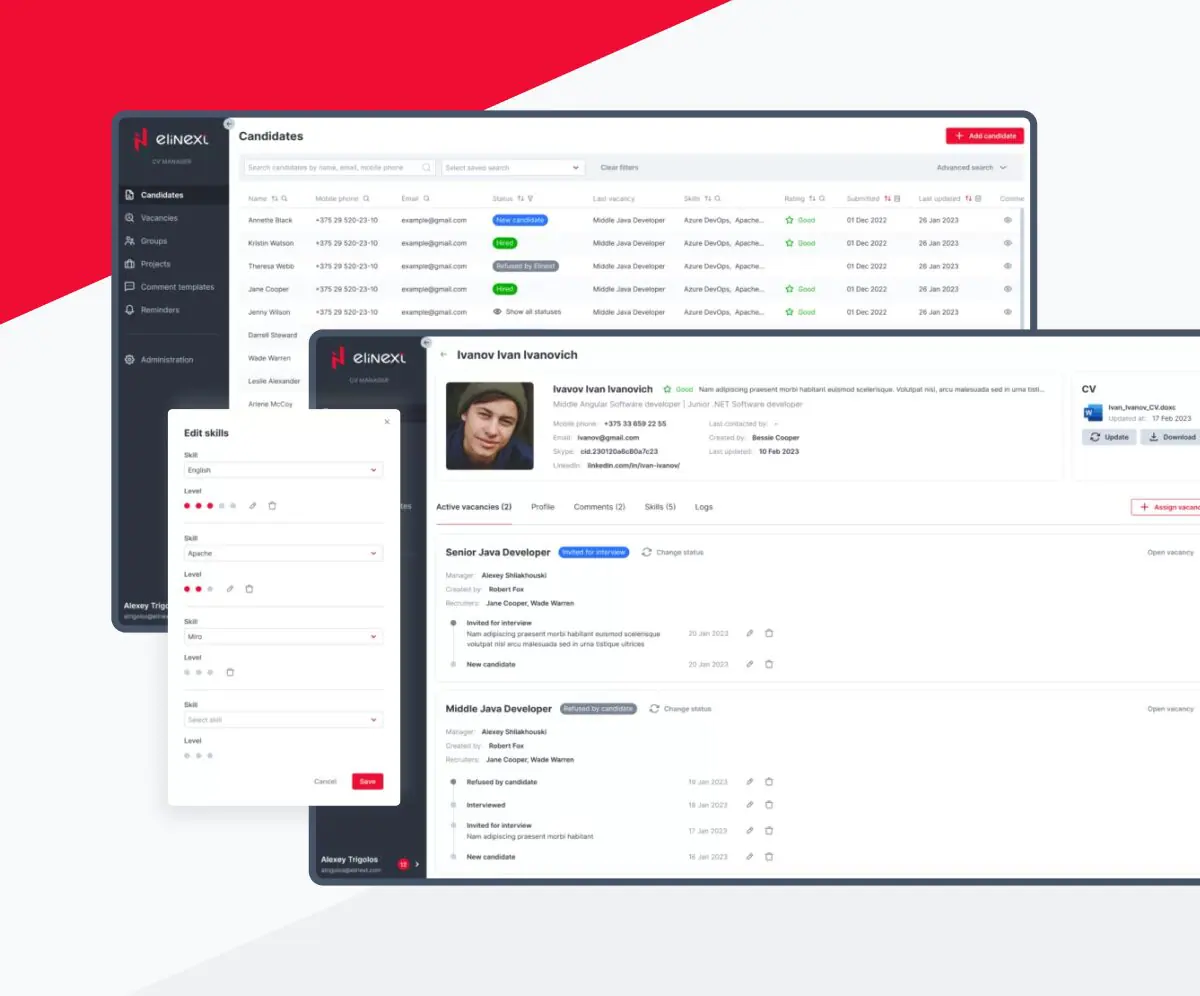





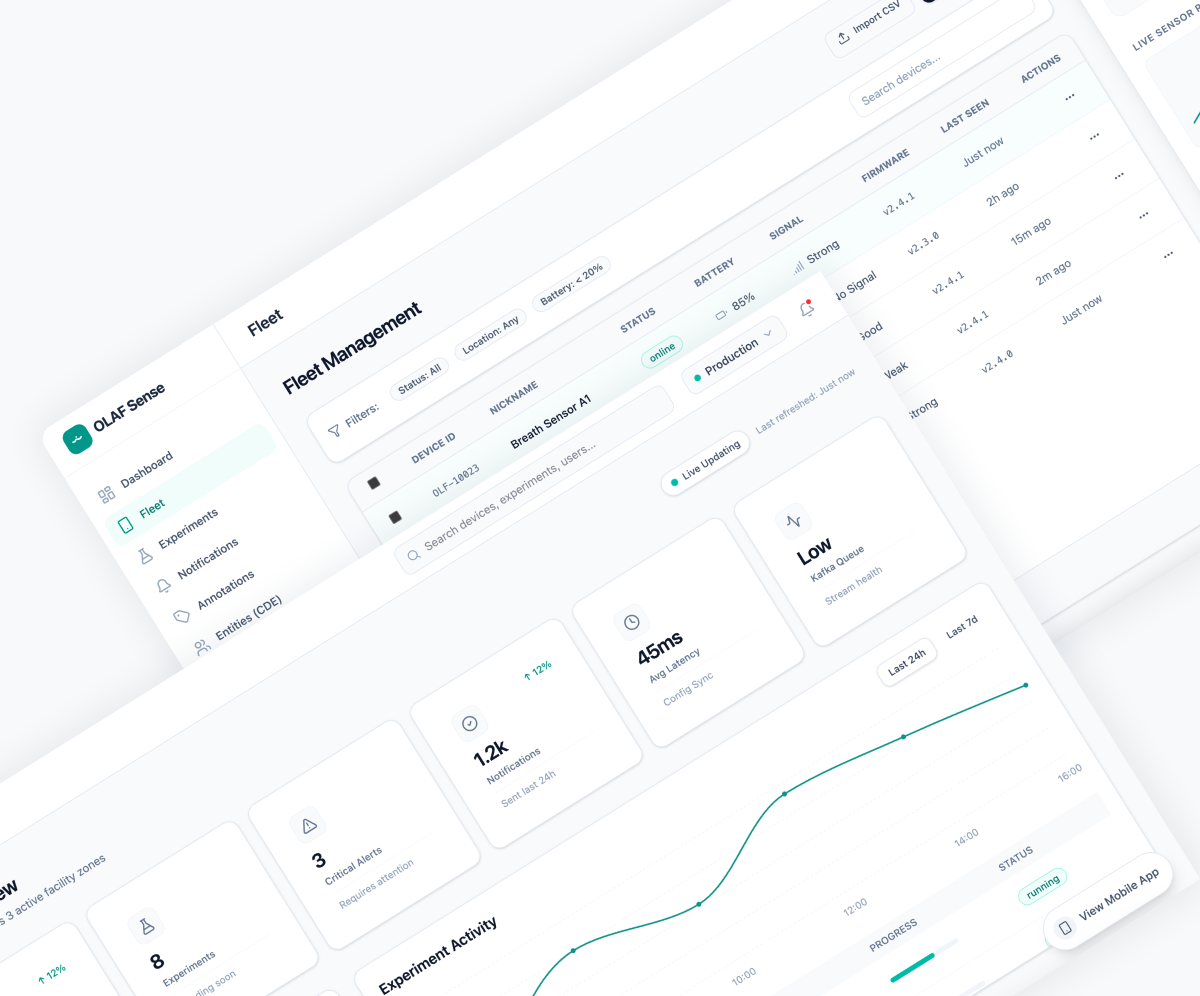


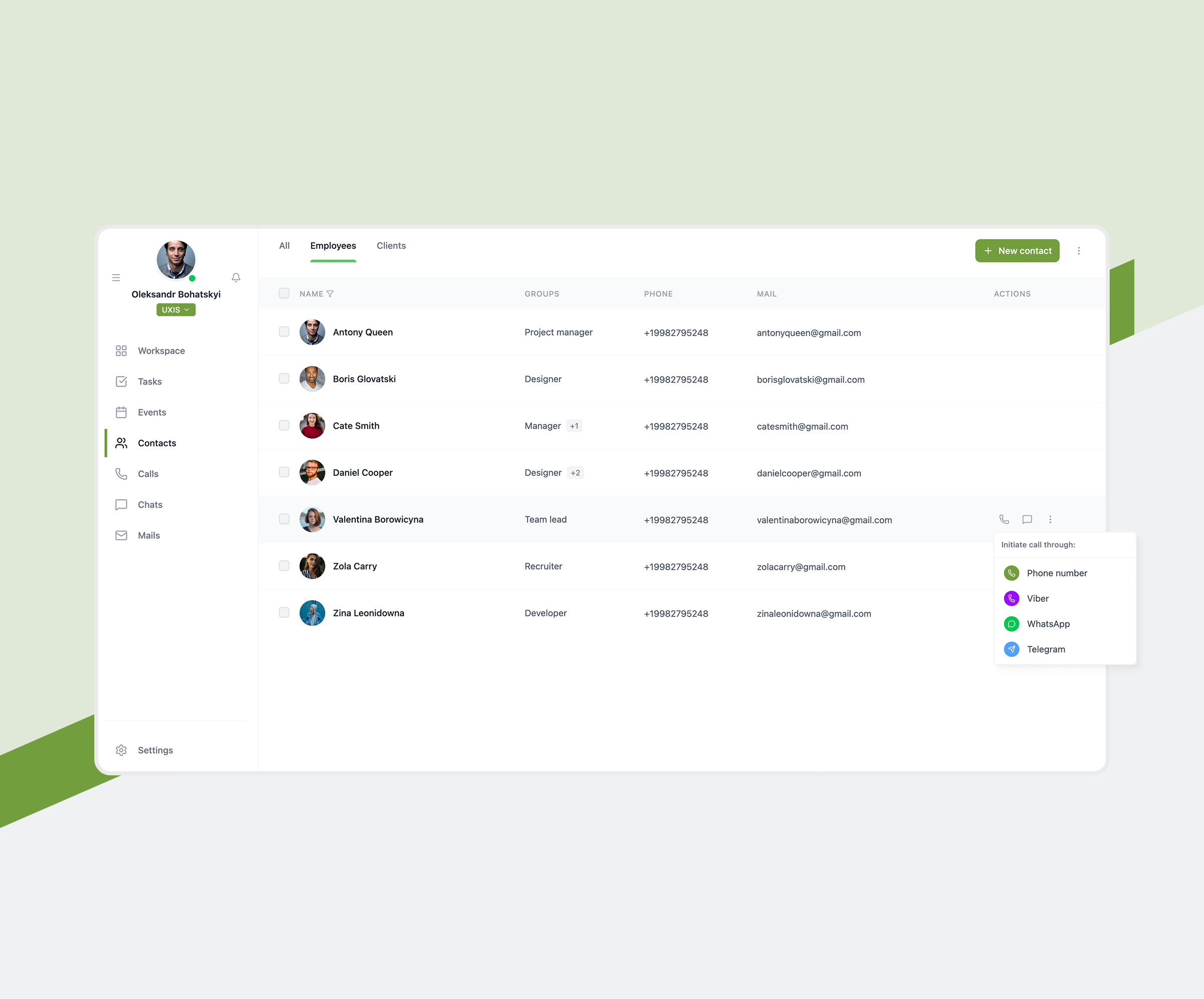
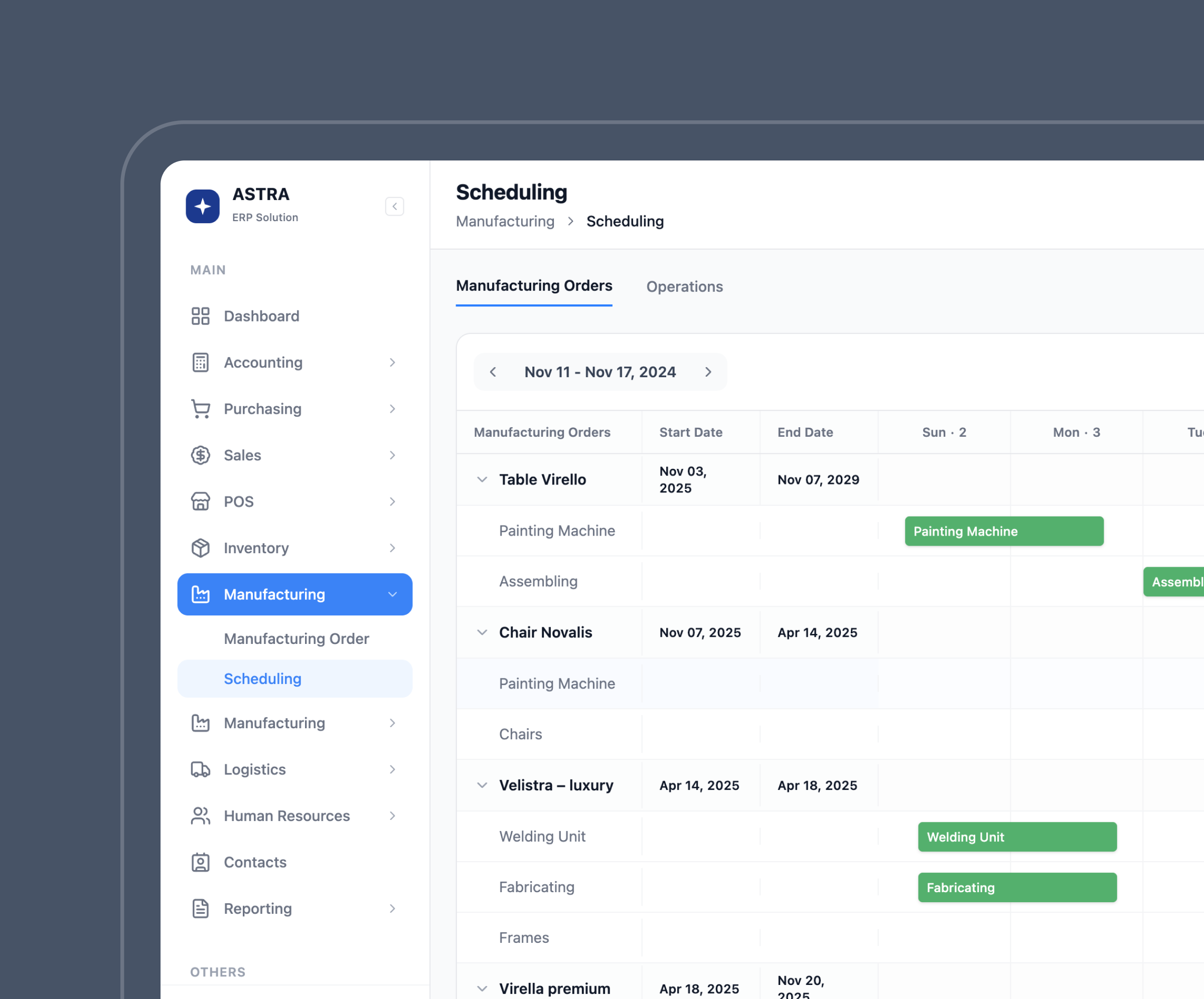
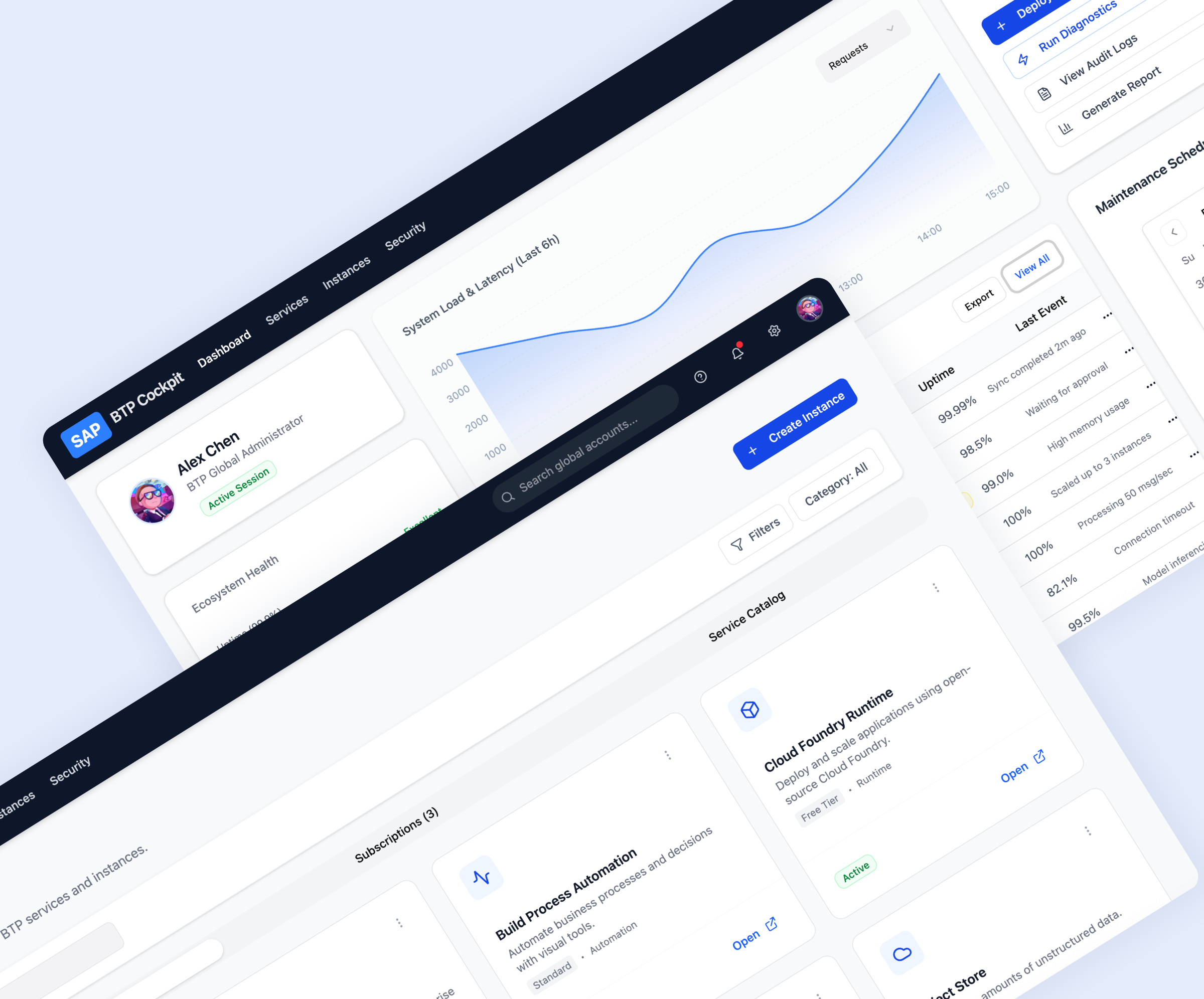

Travel CRM development helps convert more inquiries by organizing traveler data, booking history, supplier options, and follow-up actions in a single workflow. Custom travel agency CRM features can reflect unique pricing processes and GDSs. After a client inquires about Italy, the CRM can track the quote, remind the agent to contact them, and suggest a premium hotel based on past bookings, turning a missed opportunity into a more profitable sale.
- Centralizes profiles, trips, documents, and communications.
- Tracks leads from inquiry to post-trip follow-up.
- Identifies upselling opportunities based on booking history.
- Automates reminders, confirmations, and follow-up.
- Integrates GDSs, suppliers, payment systems, and reporting tools.
What Is a CRM for Travel Agencies?
CRM for travel agencies is software that stores and manages client profiles, booking history, travel preferences, documents, and sales activity in one place. Travel CRM software differs from standard CRMs by including fields for passport information, visa status, dietary requirements, loyalty program numbers, destinations, and itineraries. It is used by travel agents, sales managers, operations, and finance departments. Travel agency CRM example: an agent opens a client’s profile, sees previous beach trips and the upcoming travel date, and then sends a corresponding offer.
Why Travel Agencies Struggle Without a CRM
Custom CRM development for travel agency operations prevents lost sales due to data fragmentation. Without a CRM for tour operators, profiles are stored in Excel, email, and chat messages; when an agent leaves, knowledge can be lost. The lack of reminders means previous travelers aren’t contacted until the holiday season begins, and premium booking patterns remain invisible. Managers also lack real-time reporting on sales funnels, conversions, and sources. Travel CRM development creates a unified record, a tracking workflow, and clear accountability for each potential client.
A custom CRM for travel agency teams turns traveler data into timely follow-up actions and more profitable offers.

Key Features of a Travel CRM for Agencies
1. Client and Contact Database Management
A mobile app for tour operator teams can connect to a central client database created by a travel app development company. A travel agency mobile app stores profiles, passport information, visa status, loyalty program numbers, documents, booking history, and travel preferences. Agents can segment travelers by trip type: business, luxury, family, or adventure. Passport expiration alerts help an agent contact families before summer bookings and recommend destinations for visa-free travel.
2. Booking and Itinerary Management
Travel agency CRM development creates a single client record containing personal information, passports, visa status, loyalty programs, documents, booking history, and travel preferences. Agents use this context to recommend relevant tours rather than standard packages. A traveler with a history of luxury travel in Europe can receive a customized premium itinerary. Automatic alerts notify about expiring passports or visas, and segmentation groups customers by travel type: business, family, luxury, or adventure.
3. Sales Pipeline and Lead Management
A travel agency CRM tracks every opportunity at every stage: inquiry, qualified lead, submitted proposal, follow-up, booking, and post-trip upselling. Sales managers can see conversion rates, abandoned leads, and agent performance, instead of relying on disjointed notes. If a traveler doesn’t respond within three days, the system reminds the assigned agent to follow up. After the trip, it can offer a related offer, creating a structured upselling funnel.
4. Automated Follow-Ups and Communication
A travel agency CRM uses automated sequences to ensure consistent tracking. Triggers can send an email 48 hours after the offer, a message via the WhatsApp Business API seven days after the return, or an offer on the anniversary of the first booking. Messages can include the client’s name, destination, and trip details; SMS can support urgent updates. Example: A post-trip survey automatically requests feedback, preventing missed calls when an agent is busy.
5. GDS and Third-Party Integrations
Travel CRM development connects CRM for travel industry workflows with GDS platforms such as Amadeus, Sabre, and Travelport. This distinguishes it from generic systems that do not include built-in access to travel inventory. A customized solution can also integrate the Booking.com API, Expedia partner services, payment gateways, WhatsApp Business API, Mailchimp, and document management tools. A confirmed booking can automatically generate a voucher, invoice, and customer notification.
6. Reporting, Analytics, and Performance Tracking
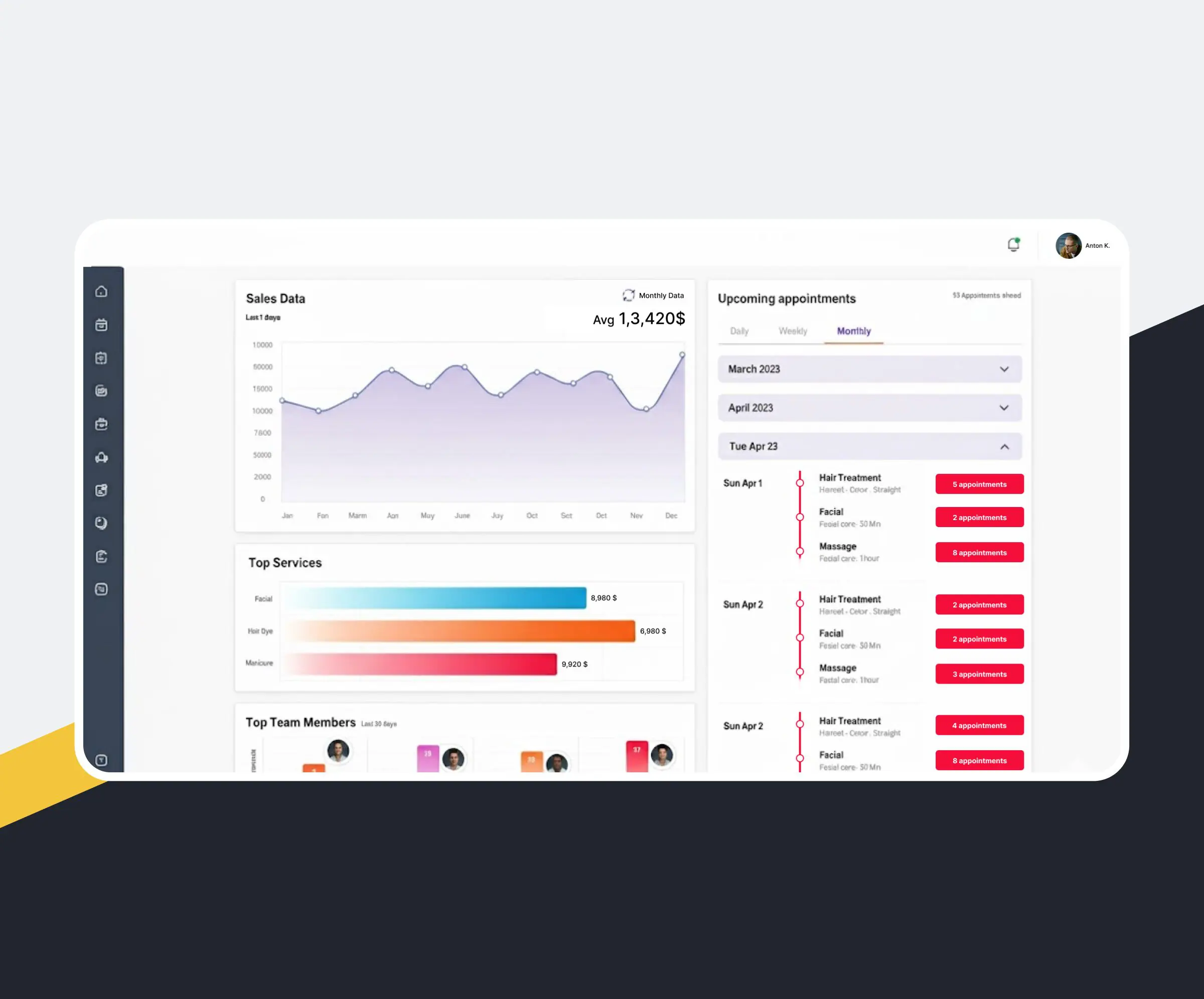
A travel agency CRM provides managers with a dashboard to track revenue, conversion rate, revenue per customer, popular destinations, booking wait times, cancellations, and agent performance. It also connects marketing sources to bookings, helping teams evaluate the ROI of channel investments. Cohort analysis can reveal which travelers booked again after one, three, or five years. Without centralized records in a CRM system, it’s difficult to accurately calculate and use this data for customer retention decisions.
Custom CRM vs Off-the-Shelf — Comparison Table
Choosing between a custom travel agency CRM and an off-the-shelf solution is one of the most consequential technology decisions an agency makes. Consider a mid-size agency with 25 agents using Amadeus: Salesforce can manage contacts well, but connecting it to Amadeus requires a costly third-party integration that breaks with every platform update and still won’t support their proprietary supplier pricing logic. A custom CRM, by contrast, is built around their exact workflow from day one.
| Parameter | Custom CRM | Salesforce / HubSpot | Zoho CRM / Pipedrive |
|---|---|---|---|
| GDS integration (Amadeus, Sabre) | Native - built for your GDS | Only through an expensive connector or API development | Limited or unavailable |
| Travel-specific fields (passport, visa, itinerary) | Yes - any fields for agency workflow | Out of the box - requires customization | Out of the box |
| Multi-destination itinerary management | Yes | No | No |
| WhatsApp Business API integration | Yes | Via a third-party connector (additional cost) | Limited |
| Supplier / vendor database | Yes - a custom structure for your hotel/tour database | No native | No native |
| Cost (first year) | $40,000-$150,000 (development) | $3,000-$60,000/year (license + customization) | $300-$3,600/year (license) |
| Time to launch | 4-8 months | 1-3 months (setup) | 1-4 weeks |
| Scalability for growth | Full - any changes | Limited by license plan | Limited |
| Suitable for | Agencies with a unique workflow, GDS, 20+ agents | Agencies without GDS, standard B2B sales | Small agencies, simple pipeline |
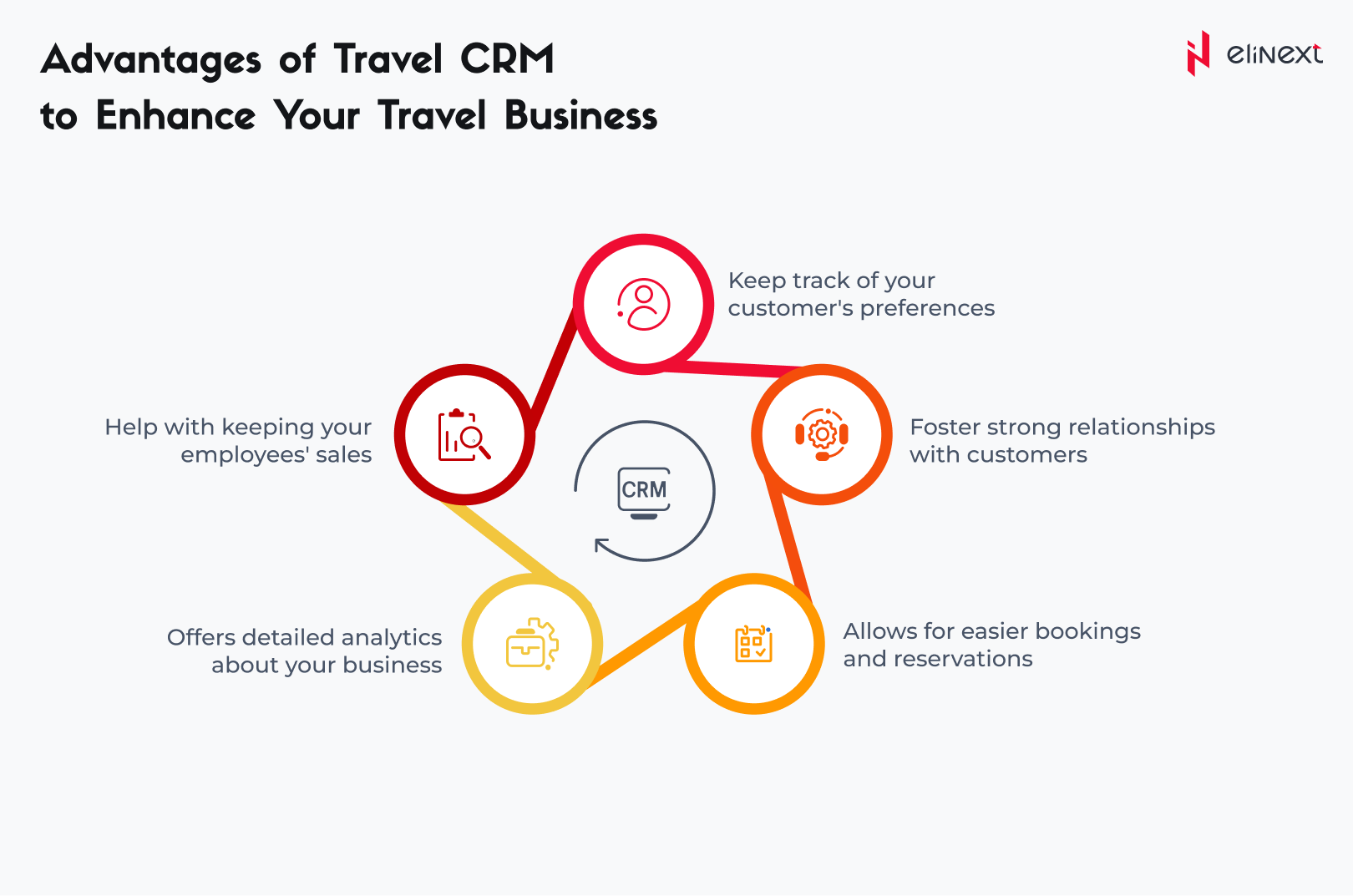
Travel Business Benefits with Metrics
-
Higher Repeat Booking Rate
CRM for travel agencies supports repeat bookings through systematic tracking rather than relying on agents memorizing data. Seasonal reminders, post-trip surveys, and personalized offers connect with former clients before competitors do. Two months before a client’s typical annual vacation, the system creates a task specifying their preferred destination and budget. Customer retention rates vary by study and industry, so any percentage claim should be verified with the original Nucleus Research source before publication.
-
Reduced Agent Time per Booking
A custom CRM for travel agency teams reduces administrative work by automating confirmation emails, document reminders, payment updates, and post-trip surveys. Agents spend more time qualifying travelers and closing deals, rather than copying information between inboxes and spreadsheets. After a booking is confirmed, a CRM can automatically send a payment receipt and request missing passport information. Claims of time savings should be verified against the agency’s current workflow before being published.
-
Upsell and Cross-Sell Revenue
A travel agency CRM makes booking patterns visible, enabling relevant upselling and cross-selling. If a traveler repeatedly chooses five-star European hotels, an agent can recommend a premium room or private transfer before their next trip. If a client has returned from Thailand, the CRM can suggest a trip to Vietnam or Bali. Without a shared booking history, agents may not recognize these preferences or respond to them at the right time.
-
Lower Cost Per Repeat Client
Custom CRM development for travel agency teams focuses marketing and sales efforts on customers who are already familiar with the brand. Retaining an existing customer is generally considered less expensive than acquiring a new one, but the exact figure of “five to seven times” varies depending on the source and should be verified before use. Instead of purchasing new leads, an agency could send a personalized travel anniversary offer to a former newlywed and track subsequent repeat bookings.
Travel CRM software turns past bookings into timely follow-ups, personalized offers, and repeat revenue.
How to Get Started with Custom Travel CRM Development
Step 1: Audit Your Current Workflow (1-2 weeks)
A CRM for travel agencies should begin with a workflow audit, which will take one to two weeks. Map out where customer data is currently stored in Excel, inbox, chat, or another CRM and identify required fields, such as passports, visas, preferences, and booking history. List required integrations: GDS, payments, email, and suppliers. If offer tracking is memory-sensitive, define a reminder rule before starting development.
Step 2: Scope the MVP Feature Set (1-2 weeks)
A CRM for tour operators should launch with a clearly defined MVP. In version 1.0, prioritize the customer database, booking tracking, and the basic sales pipeline. Include automation sequences, GDS integration, advanced analytics, and mobile access in version 2.0 unless absolutely necessary. Decide in advance whether the GDS integration will be native or API-based. A small agency might start with web access and add a mobile app after receiving agent feedback.
Step 3: Build, Integrate, and Test (3-6 months for MVP)
Developing a custom CRM for travel agency typically involves development, quality assurance, and user acceptance testing with real agents. Integration with the GDS can be the most challenging step, as it may require API access, contract negotiation, and certification. Two or three agents might launch the new CRM system in parallel with the old process during beta testing, then validate records before migrating customer data. This reduces disruptions and identifies workflow gaps early on.
Step 4: Onboard Agents and Iterate (ongoing)
Travel CRM development continues after launch. During the first 30 days, train agents and collect feedback; during the first 90 days, fix bugs and add necessary fields. Use real-world activity to prioritize 2.0 features, such as automation, reporting, or mobile access. Developing a minimum viable product (MVP) can take approximately four to eight months, and the cost can vary greatly, often from $40,000 to $150,000 or more depending on the project’s scope, GDS integration, and mobile device requirements.
Key Takeaways
- CRM for travel agencies combines traveler profiles, booking history, preferences, documents, and communications in a single, searchable system.
- Key features of CRM for travel agencies include customer records, itinerary tracking, sales funnel management, follow-up, GDS connectivity, and analytics.
- A custom CRM is most useful for agencies with unique supplier pricing, complex trips, GDS dependencies, or large agent teams.
- Sales growth is achieved through consistent follow-up communication, rebooking campaigns, targeted upselling, and reduced agent administrative work.
- Start with a workflow audit and MVP; add advanced automation, reporting, and mobile features based on feedback from real users.
Build a custom CRM that replaces scattered spreadsheets with predictable sales growth.
Conclusion
The best CRM for travel agency growth is one that reflects how agents actually create offers, book, support, and re-engage with travelers. CRM software development services can integrate profiles, itineraries, supplier data, and reminders so teams can respond to opportunities rather than searching for information. After a family returns from Spain, a CRM system plans a seasonal offer for Italy based on their saved preferences. Mordor Intelligence estimates the total CRM market will be $87.96 billion in 2026, reflecting continued investment in customer data and revenue-generating workflows.

The problem is rarely that an agency lacks customer data; the problem is that this data is scattered across inboxes, spreadsheets, booking tools, and individual agents. Travel agency CRM features should connect these records with follow-up actions using travel app & software development services: follow-up contact, document requests, itinerary updates, or additional service suggestions, so the team can serve travelers consistently, rather than creating each trip from scratch.

FAQ
-
Travel CRM development is the creation of software that centralizes traveler data, bookings, communications, documents, and sales activity. It is used to provide agents with a complete view of each client and automate routine follow-up actions. Companies use it to reduce lost leads, personalize offers, and track revenue. An agent opens a profile, sees the client’s previous cruise, passport status, and preferred cabin type, and then prepares a corresponding offer.
-
A travel agency CRM is a system for managing client information, bookings, correspondence, and sales tasks in a single, shared workspace. It is used to replace disparate spreadsheets and inboxes with clear rules for ownership and tracking. Companies use it when multiple agents are handling leads or repeat clients. When an agent is absent, another employee can view a traveler’s quote, documents, and last contact date without asking the client for repeated information.
-
Custom CRM development for travel agency involves designing CRM functions tailored to specific travel industry workflows. It is used to manage customer profiles, passport and visa data, itineraries, booking stages, supplier records, payments, follow-ups, and reports. Companies use it to precisely align with their GDS and sales processes. A CRM can notify an agent that a passport is about to expire before departure and automatically request an updated document.
-
A custom CRM for travel agency teams is a customized system that transforms traveler data and sales tasks into repeatable actions. It’s used to track every inquiry, automate follow-up, and identify upselling opportunities based on booking history. Companies use it to prevent missed leads and personalize offers. A traveler who regularly books luxury resorts receives a corresponding upgrade offer before their next vacation.
-
A custom CRM system is software built around a travel agency’s own workflow, while Salesforce and HubSpot are general-purpose platforms configured for this purpose. They are used to manage contacts and sales funnels, but a custom system can include requirements for itineraries, visas, suppliers, and GDSs from the outset. A custom CRM system can model bookings for multiple destinations and supplier policies without the need for multiple external connectors.
-
The cost of developing a custom CRM system for travel agencies is the budget required to design, build, integrate, test, and support a specialized system for an agency. It is used when standard CRM tools cannot meet workflow or GDS needs. Companies use an MVP with a limited scope of work to control the initial investment. A basic customer database and sales funnel cost less than a platform with Amadeus integration, mobile apps, automation, and analytics.
-
The development time for a CRM system for travel agencies is the period required to define workflows, create features, connect services, migrate data, test, and onboard users. This period is used to plan a realistic implementation rather than treating the CRM as a one-time installation. Companies use an MVP version to achieve results more quickly. A basic system with profiles, booking tracking, and a sales funnel can be provided before advanced GDS integration and analytics are added. Many MVP projects take approximately four to eight months.
-
A custom CRM system for travel agencies is a platform designed to address the unique processes of booking, supplier management, and service. It is used when a standard CRM requires excessive workarounds or cannot support core workflows such as GDS, pricing, itinerary creation, or document management. Companies use it when complexity makes customization costly and unreliable. A tour operator serving multiple destinations and maintaining its own supplier rates may require a custom system, while a small agency with a simple process can successfully use standard CRM software.