
















































































































































Pharmaceutical Traceability Software Development Services
What Is Pharmaceutical Traceability Software Development?





Pharmaceutical Traceability
Software Development
Services We Offer

DSCSA Compliance Software Development
DSCSA compliance software supports saleable returns verification, EDRN workflows, and ASN/EPCIS event reporting for US supply chains. It reduces manual exception handling and helps trading partners meet Drug Supply Chain Security Act requirements.

EU FMD Track & Trace Solutions
EU FMD compliance software integrates with the European Medicines Verification System for pack verification and decommissioning. It reduces manual checks, improves alert handling, and supports Falsified Medicines Directive compliance in EU markets.

Serialization Software Development
A serialization engine creates item- and case-level identifiers using DataMatrix, GTIN, SGTIN, and SSCC. MES and WMS integration supports required line throughput, reduces coding errors, and keeps packaging and warehouse events synchronized.

EPCIS Integration Services
EPCIS Integration Services build EPCIS 2.0-compatible event repositories that capture and exchange GS1 events with trading partners. They reduce data gaps, speed reconciliation, and improve end-to-end supply chain visibility.

Pharmaceutical ERP Integration
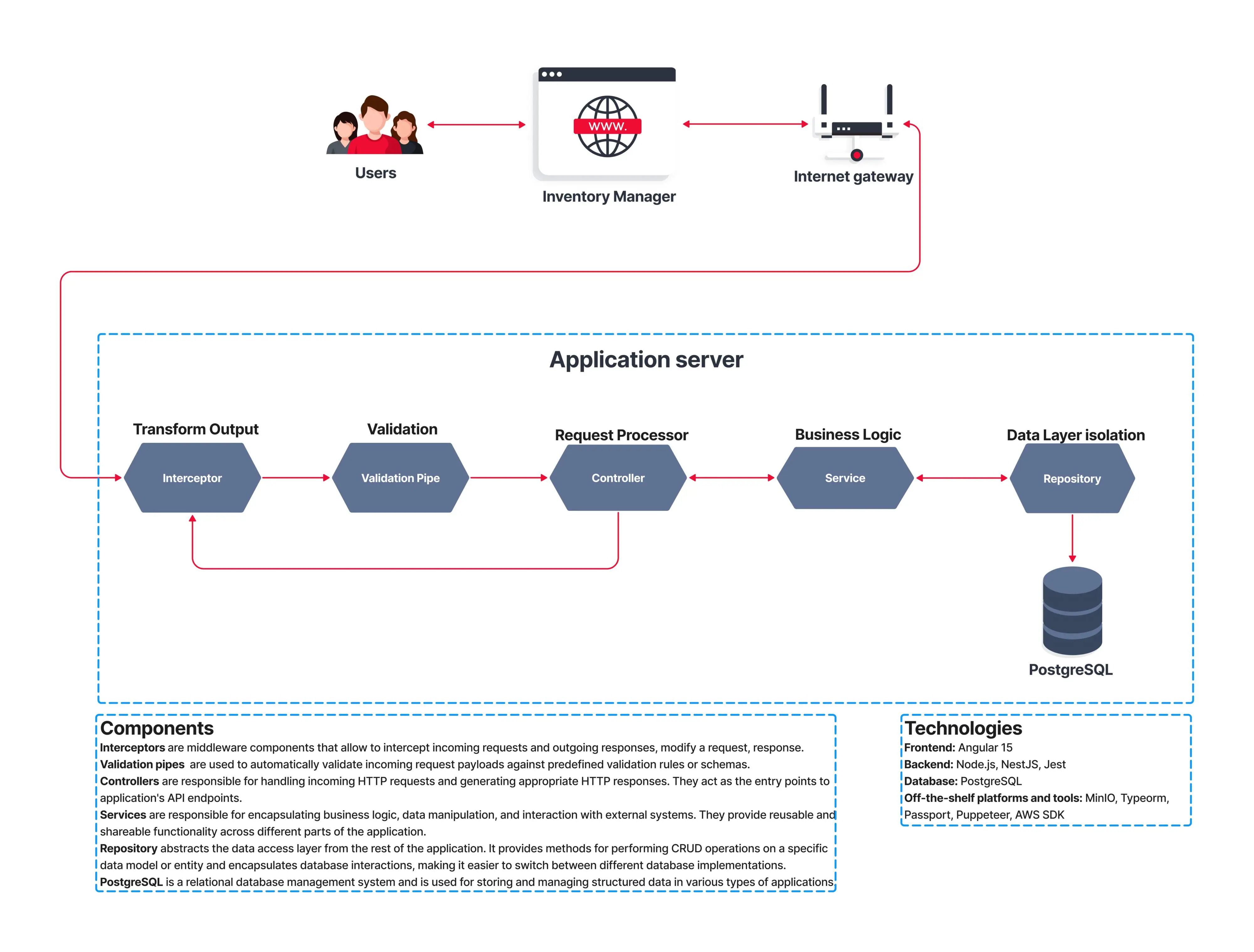
Pharmaceutical ERP integration connects traceability systems with SAP S/4HANA, Oracle SCM, and Microsoft Dynamics 365. It removes duplicate records and creates one compliance data source with lot-level traceability inside ERP.

Custom Pharmaceutical Track & Trace Platform Development
Custom pharmaceutical track and trace platform development delivers a cloud-native, multi-market system built from scratch for DSCSA, EU FMD, and other rules. It replaces country tools, standardizes workflows, and centralizes compliance data.
-

DSCSA compliance software supports saleable returns verification, EDRN workflows, and ASN/EPCIS event reporting for US supply chains. It reduces manual exception handling and helps trading partners meet Drug Supply Chain Security Act requirements.
-
EU FMD Track & Trace Solutions
EU FMD compliance software integrates with the European Medicines Verification System for pack verification and decommissioning. It reduces manual checks, improves alert handling, and supports Falsified Medicines Directive compliance in EU markets.
-
Serialization Software Development
A serialization engine creates item- and case-level identifiers using DataMatrix, GTIN, SGTIN, and SSCC. MES and WMS integration supports required line throughput, reduces coding errors, and keeps packaging and warehouse events synchronized.
-
EPCIS Integration Services build EPCIS 2.0-compatible event repositories that capture and exchange GS1 events with trading partners. They reduce data gaps, speed reconciliation, and improve end-to-end supply chain visibility.
-
Pharmaceutical ERP integration connects traceability systems with SAP S/4HANA, Oracle SCM, and Microsoft Dynamics 365. It removes duplicate records and creates one compliance data source with lot-level traceability inside ERP.
-
Custom Pharmaceutical Track & Trace Platform Development
Custom pharmaceutical track and trace platform development delivers a cloud-native, multi-market system built from scratch for DSCSA, EU FMD, and other rules. It replaces country tools, standardizes workflows, and centralizes compliance data.


Identify DSCSA, EU FMD, serialization, and EPCIS gaps before they delay launch or trigger remediation work
and compliance risks.
Typical Challenges We Help Solve with Pharmaceutical Traceability Software

Multi-Regulatory Compliance Complexity
Multi-market compliance means handling DSCSA, EU FMD, China NMPA, WHO guidance, and ACSS-market requirements with different formats and deadlines. Elinext implements one configurable compliance engine, reducing duplicate country systems and accelerating regulatory updates across markets.

Legacy System Integration
Legacy MES, WMS, and ERP platforms often cannot create EPCIS events or exchange GS1-compliant data. Elinext adds custom middleware and API adapters that map existing records, automate event exchange, and avoid replacing core production and warehouse systems.

High-Throughput Serialization Performance
High-throughput serialization must process thousands of serialized units per minute without slowing packaging lines. Our experts optimize identifier generation and event processing for sub-second responses, helping maintain line speed while reducing rejected packs and data backlogs.

Data Integrity and Audit Trail Requirements
Incomplete or editable event histories create inspection risk when regulated records cannot be reconstructed. Elinext adds tamper-evident logging, cryptographic event signing, and immutable audit trails, giving QA teams verifiable records for FDA reviews and investigations.

Global Supply Chain Data Fragmentation
Package movement data is often split across manufacturer, distributor, and 3PL systems, delaying exception analysis and recalls. We build a centralized traceability repository with real-time event aggregation, creating one view of product status and chain of custody.

Computer System Validation (CSV) Compliance
GxP systems require documented IQ, OQ, and PQ activities and controls aligned with 21 CFR Part 11. Elinext team manages the full CSV lifecycle, including validation plans, test evidence, traceability matrices, and release documentation, reducing approval delays and audit preparation work.
-
Multi-Regulatory Compliance Complexity
Multi-market compliance means handling DSCSA, EU FMD, China NMPA, WHO guidance, and ACSS-market requirements with different formats and deadlines. Elinext implements one configurable compliance engine, reducing duplicate country systems and accelerating regulatory updates across markets.
-
Legacy System Integration
Legacy MES, WMS, and ERP platforms often cannot create EPCIS events or exchange GS1-compliant data. Elinext adds custom middleware and API adapters that map existing records, automate event exchange, and avoid replacing core production and warehouse systems.
-
High-Throughput Serialization Performance
High-throughput serialization must process thousands of serialized units per minute without slowing packaging lines. Our experts optimize identifier generation and event processing for sub-second responses, helping maintain line speed while reducing rejected packs and data backlogs.
-
Data Integrity and Audit Trail Requirements
Incomplete or editable event histories create inspection risk when regulated records cannot be reconstructed. Elinext adds tamper-evident logging, cryptographic event signing, and immutable audit trails, giving QA teams verifiable records for FDA reviews and investigations.
-
Package movement data is often split across manufacturer, distributor, and 3PL systems, delaying exception analysis and recalls. We build a centralized traceability repository with real-time event aggregation, creating one view of product status and chain of custody.
-
Computer System Validation (CSV) Compliance
GxP systems require documented IQ, OQ, and PQ activities and controls aligned with 21 CFR Part 11. Elinext team manages the full CSV lifecycle, including validation plans, test evidence, traceability matrices, and release documentation, reducing approval delays and audit preparation work.
Why Pharmaceutical Companies Invest in Traceability Software Now
DSCSA package-level electronic tracking is mandatory for US trading partners, while EU FMD rollout and WHO PIDM and ACSS cooperation raise data demands. With at least 1 in 10 medicines in low- and middle-income countries substandard or falsified, traceability reduces partner rejection, FDA Warning Letters, product recalls, and investigation time.
What Our Experts Say


Choose Your
Engagement Model
Leverage Pharmaceutical Traceability Expertise
Hire a Dedicated Pharmaceutical Traceability Team
Full-Cycle Traceability Software Development
Typical Pharmaceutical Traceability Projects & Complexity

Single-Site DSCSA or EU FMD Compliance Implementation
A single-site DSCSA or EU FMD project covers one plant, one line, and one market. Scope includes a serialization engine, MES integration, and EPCIS reporting. Complexity depends on legacy MES capability, line speed, and ERP structure; the outcome is compliant product tracking.

Multi-Site or Multi-Country Traceability Rollout
A multi-site or multi-country rollout connects several plants and markets with different regulatory rules. Scope includes a centralized traceability platform and market-specific adapters. Complexity depends on site variation, data mapping, and rollout order; the outcome is standardized compliance.

Enterprise Pharmaceutical Traceability Ecosystem
An enterprise traceability ecosystem follows products from manufacturing through distribution, 3PL, and dispensing. Scope includes partner connectivity, centralized event data, and real-time analytics. Complexity depends on network size and integration depth; the outcome is end-to-end visibility.

AI-Enhanced Traceability & Counterfeit Detection
An AI-enhanced traceability project adds machine learning to an existing system to detect unusual events, duplicate serials, and suspicious product movements. Scope includes data preparation, model validation, and alert workflows; the outcome is faster detection and lower investigation effort.

What Influences Pharmaceutical Traceability Project Complexity
Project complexity depends on SKU volume, ERP and MES diversity, market count, trading-partner count, packaging-line speed, and CSV scope. These factors determine integration effort, validation workload, rollout sequencing, and the engagement model required for delivery.
-
Single-Site DSCSA or EU FMD Compliance Implementation
A single-site DSCSA or EU FMD project covers one plant, one line, and one market. Scope includes a serialization engine, MES integration, and EPCIS reporting. Complexity depends on legacy MES capability, line speed, and ERP structure; the outcome is compliant product tracking.
-
Multi-Site or Multi-Country Traceability Rollout
A multi-site or multi-country rollout connects several plants and markets with different regulatory rules. Scope includes a centralized traceability platform and market-specific adapters. Complexity depends on site variation, data mapping, and rollout order; the outcome is standardized compliance.
-
Enterprise Pharmaceutical Traceability Ecosystem
An enterprise traceability ecosystem follows products from manufacturing through distribution, 3PL, and dispensing. Scope includes partner connectivity, centralized event data, and real-time analytics. Complexity depends on network size and integration depth; the outcome is end-to-end visibility.
-
An AI-enhanced traceability project adds machine learning to an existing system to detect unusual events, duplicate serials, and suspicious product movements. Scope includes data preparation, model validation, and alert workflows; the outcome is faster detection and lower investigation effort.
-
What Influences Pharmaceutical Traceability Project Complexity
Project complexity depends on SKU volume, ERP and MES diversity, market count, trading-partner count, packaging-line speed, and CSV scope. These factors determine integration effort, validation workload, rollout sequencing, and the engagement model required for delivery.
Who We Serve







Pharmaceutical Traceability Software Development Case Studies


How Elinext Overcomes Pharmaceutical Traceability Challenges

Pharmaceutical Traceability Solutions We Deliver

DSCSA Compliance & EPCIS Integration
A DSCSA compliance solution combines an EPCIS 2.0 event repository, EDRN connectivity, saleable returns verification, and trading-partner data exchange. It reduces manual reconciliation and supports package-level traceability across US supply chains.

Pharmaceutical Serialization Engine Development
A high-throughput serialization engine assigns item-, case-, and pallet-level identifiers, controls DataMatrix printing, and connects with packaging-line equipment. It maintains production speed while reducing coding errors and rejected packs.

Pharmaceutical ERP & MES Integration
Bi-directional ERP and MES integration connects SAP S/4HANA, Oracle SCM, and Microsoft Dynamics with traceability workflows. It synchronizes lot master data and maps production orders to serial numbers, reducing duplicate entry and release delays.

Blockchain-Based Pharmaceutical Traceability
Blockchain-based traceability records chain-of-custody events on an immutable ledger and uses smart contracts for automated compliance checks. EPCIS interoperability preserves partner exchange while improving data integrity and auditability.

AI-Powered Counterfeit Detection
AI-powered counterfeit detection applies ML models to EPCIS event streams to identify anomalous serialization patterns, duplicate serial numbers, and suspicious movements. It prioritizes high-risk cases and reduces manual investigation effort.

Cloud-Native Pharmaceutical Track & Trace Platform
Cloud-native pharmaceutical traceability software solutions use AI for predictive analytics, demand-driven optimization, and real-time visibility across markets. Horizontal scaling supports rising event volumes, new sites, and multi-country rollouts.
-
DSCSA Compliance & EPCIS Integration
A DSCSA compliance solution combines an EPCIS 2.0 event repository, EDRN connectivity, saleable returns verification, and trading-partner data exchange. It reduces manual reconciliation and supports package-level traceability across US supply chains.
-
Pharmaceutical Serialization Engine Development
A high-throughput serialization engine assigns item-, case-, and pallet-level identifiers, controls DataMatrix printing, and connects with packaging-line equipment. It maintains production speed while reducing coding errors and rejected packs.
-
Pharmaceutical ERP & MES Integration
Bi-directional ERP and MES integration connects SAP S/4HANA, Oracle SCM, and Microsoft Dynamics with traceability workflows. It synchronizes lot master data and maps production orders to serial numbers, reducing duplicate entry and release delays.
-
Blockchain-based traceability records chain-of-custody events on an immutable ledger and uses smart contracts for automated compliance checks. EPCIS interoperability preserves partner exchange while improving data integrity and auditability.
-
AI-powered counterfeit detection applies ML models to EPCIS event streams to identify anomalous serialization patterns, duplicate serial numbers, and suspicious movements. It prioritizes high-risk cases and reduces manual investigation effort.
-
Cloud-native pharmaceutical traceability software solutions use AI for predictive analytics, demand-driven optimization, and real-time visibility across markets. Horizontal scaling supports rising event volumes, new sites, and multi-country rollouts.
Advanced Features of Pharmaceutical Traceability Software We Build
Our Awards and Recognitions













Our Pharmaceutical Traceability Software Development Roadmap

Regulatory Landscape & Gap Analysis
Before design begins, Elinext compares current workflows with DSCSA, EU FMD, and other target requirements. The output is a compliance gap report, risk matrix, and mapped list of regulatory frameworks that define project scope.

System Architecture & Integration Design
Based on the approved scope, architects define data flows across MES, ERP, WMS, and EPCIS environments. The client receives a technical architecture document, integration map, and selected technology stack for implementation.

Serialization Engine & EPCIS Development
Engineering then focuses on the serialization core, EPCIS 2.0 repository, and barcode workflows. The deliverables include a working serialization engine, event repository, and barcode integration ready for controlled testing.

System Integration & Testing
Once the core components are available, they are connected with internal systems and trading partners. End-to-end integration tests, partner connectivity checks, resolved defects, and completed UAT confirm operational readiness.

Regulatory Validation (IQ/OQ/PQ) & Go-Live
Validation activities cover IQ, OQ, and PQ within the Computer System Validation lifecycle. The final package includes approved CSV documentation, a validated production system, and a controlled go-live plan.

Post-Launch Optimization & Compliance Monitoring
After release, the platform is monitored for compliance exceptions, performance issues, and regulatory changes. Clients receive SLA-backed support, a compliance monitoring dashboard, and controlled version updates.
-
Regulatory Landscape & Gap Analysis
Before design begins, Elinext compares current workflows with DSCSA, EU FMD, and other target requirements. The output is a compliance gap report, risk matrix, and mapped list of regulatory frameworks that define project scope.
-
Based on the approved scope, architects define data flows across MES, ERP, WMS, and EPCIS environments. The client receives a technical architecture document, integration map, and selected technology stack for implementation.
-
Serialization Engine & EPCIS Development
Engineering then focuses on the serialization core, EPCIS 2.0 repository, and barcode workflows. The deliverables include a working serialization engine, event repository, and barcode integration ready for controlled testing.
-
Once the core components are available, they are connected with internal systems and trading partners. End-to-end integration tests, partner connectivity checks, resolved defects, and completed UAT confirm operational readiness.
-
Regulatory Validation (IQ/OQ/PQ) & Go-Live
Validation activities cover IQ, OQ, and PQ within the Computer System Validation lifecycle. The final package includes approved CSV documentation, a validated production system, and a controlled go-live plan.
-
After release, the platform is monitored for compliance exceptions, performance issues, and regulatory changes. Clients receive SLA-backed support, a compliance monitoring dashboard, and controlled version updates.
What Our Customers Think























Hire Data Monetization Consultants from Elinext





































FAQ
-
Pharmaceutical traceability software is a system that serializes drug packs and records supply chain events. It supports DSCSA and EU FMD compliance. Businesses use it when they must verify products, trace custody, or manage recalls.
-
Pharmaceutical traceability software development solutions are the creation of serialization, aggregation, EPCIS, and GS1 data workflows. It connects ERP, MES, and partner systems. Businesses use it when standard tools cannot support their compliance process.
-
DSCSA and EU FMD are regulations requiring product identification, verification, and electronic traceability. They use serialization, GS1 identifiers, and event data. Businesses use pharmaceutical traceability software solutions when selling regulated medicines in US or EU markets.
-
Pharmaceutical traceability software is a control system that verifies serialized packs and analyzes EPCIS events. It flags duplicate serials and invalid routes. Businesses use it when suspect products must be stopped before release or dispensing.
-
Pharmaceutical traceability software is an integration layer linking serialization and EPCIS data with SAP, Oracle, or other ERP systems. It synchronizes lots, orders, and events. Businesses use it when compliance data must match operations.
-
DSCSA is a US law requiring interoperable electronic tracing of certain prescription drugs at package level. It uses serialization, verification, and EPCIS data exchange. Businesses use Elinext pharmaceutical traceability software development services when want meeting trading-partner obligations.
-
EPCIS is a GS1 standard for capturing and sharing supply chain event data across trading partners. It records what happened, where, when, and why. Businesses use it when DSCSA tracing and end-to-end product visibility are required.
-
Pharmaceutical traceability software development solutions are a result of a phased process which duration depends on scope. It covers discovery, integration, testing, and CSV. Businesses need longer timelines when projects span several sites, markets, or partners.
-
Serialization is the assignment of a unique identifier to each drug pack, while aggregation links packs to cases and pallets. They support GS1 and EPCIS workflows. Businesses use both when products must be traced without scanning every item.
-
A multi-regulatory pharmaceutical traceability solution is a platform that applies DSCSA, EU FMD, and other market rules in one system. It uses configurable serialization and EPCIS workflows. Businesses use it when operating across several countries.