















































































































































Cloud Native Development Services
Custom Cloud Native Development Consulting Services We Offer

Custom Cloud Native Development
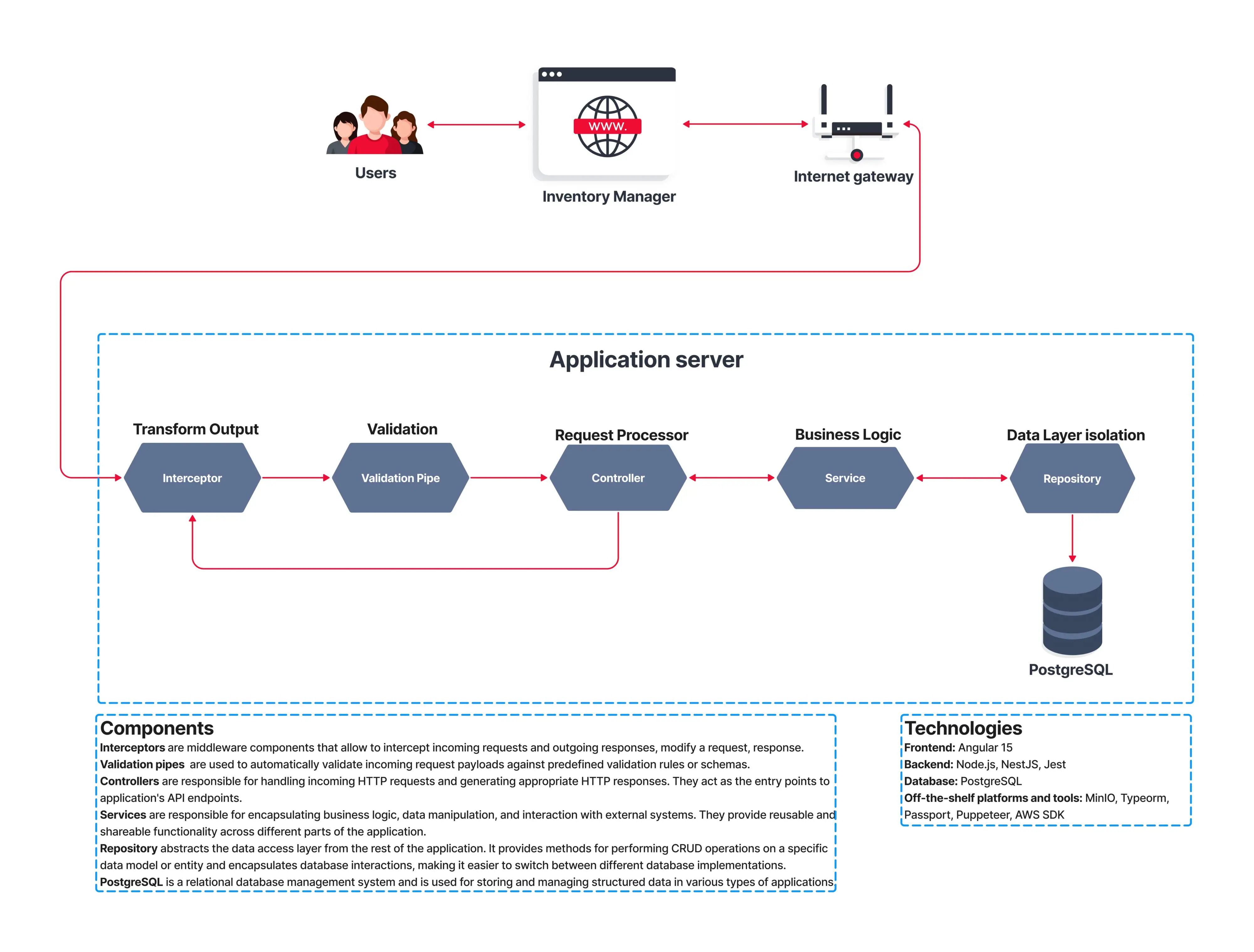
Custom cloud native development services focus on building systems specifically for elastic environments rather than adapting legacy patterns. As a cloud native development company, Elinext designs microservices, event-driven communication, and resilient infrastructure. The outcome is an architecture that scales smoothly and isolates failures without bringing the whole system down.

Cloud Native App Development
Cloud native app development services involve creating applications that run efficiently in containerized environments with automated scaling. We structure services for observability, fault tolerance, and rapid deployment. Businesses receive production-ready cloud native application development services that support continuous improvement without risky downtime.

Cloud Native Consulting Services
Cloud native development services also include advisory support for teams planning architecture shifts. We audit existing infrastructure, identify bottlenecks, and define realistic migration roadmaps. Clients gain strategic clarity before committing to major technical decisions.

Cloud Native Rearchitecting
Rearchitecting means breaking monoliths into manageable, independently deployable services. Through targeted cloud native app development services, Elinext reduces system coupling and improves performance consistency. The result is a platform ready for scaling and frequent updates.

Cloud Native Modernization
Modernization focuses on upgrading outdated systems using containers, CI/CD automation, and infrastructure-as-code. Instead of full rewrites, we refactor critical components and improve deployment logic. Organizations achieve measurable performance gains without operational disruption.

Cloud Native Containerization
Containerization packages applications into portable units that run consistently across environments. Elinext configures Docker images and orchestration platforms to support stability and automated recovery. Systems become easier to deploy, monitor, and scale across cloud environments.
-
 Custom Cloud Native Development
Custom cloud native development services focus on building systems specifically for elastic environments rather than adapting legacy patterns. As a cloud native development company, Elinext designs microservices, event-driven communication, and resilient infrastructure. The outcome is an architecture that scales smoothly and isolates failures without bringing the whole system down.
-
Cloud native app development services involve creating applications that run efficiently in containerized environments with automated scaling. We structure services for observability, fault tolerance, and rapid deployment. Businesses receive production-ready cloud native application development services that support continuous improvement without risky downtime.
-
Cloud Native Consulting Services
Cloud native development services also include advisory support for teams planning architecture shifts. We audit existing infrastructure, identify bottlenecks, and define realistic migration roadmaps. Clients gain strategic clarity before committing to major technical decisions.
-
Cloud Native Rearchitecting
Rearchitecting means breaking monoliths into manageable, independently deployable services. Through targeted cloud native app development services, Elinext reduces system coupling and improves performance consistency. The result is a platform ready for scaling and frequent updates.
-
Cloud Native Modernization
Modernization focuses on upgrading outdated systems using containers, CI/CD automation, and infrastructure-as-code. Instead of full rewrites, we refactor critical components and improve deployment logic. Organizations achieve measurable performance gains without operational disruption.
-
Cloud Native Containerization
Containerization packages applications into portable units that run consistently across environments. Elinext configures Docker images and orchestration platforms to support stability and automated recovery. Systems become easier to deploy, monitor, and scale across cloud environments.
Our Awards and Recognitions














Discover Cloud Native Development Approach by Elinext

Gen-AI-Based Modernization
Gen-AI-based modernization applies intelligent analysis to legacy code and infrastructure. We use AI-assisted review to identify refactoring priorities and inefficiencies. This shortens modernization timelines and reduces unnecessary rewrites.

Automation-Driven Approach
Manual deployment slows growth. Our automation-first model introduces CI/CD pipelines, infrastructure as code, and monitoring scripts. The benefit is predictable releases and fewer configuration errors.

Kubernetes Development
Kubernetes development focuses on orchestrating containerized workloads efficiently. We design cluster architecture, scaling policies, and resource optimization strategies. Applications stay stable even during traffic spikes.

High Availability & Disaster Recovery
High availability and disaster recovery planning prepares systems for unexpected failure. Redundant services, backup policies, and failover mechanisms are embedded in architecture. Downtime risk is significantly reduced.

Microservice Development
Microservice development separates functionality into independent services. Each component can scale and deploy independently. This increases flexibility and simplifies long-term maintenance.

Serverless App Development Services
Serverless development leverages cloud-managed execution models. Applications run without dedicated server management. Businesses gain cost efficiency and automatic scaling based on usage.

User Experience Solutions
Cloud architecture should support performance at the user level. We optimize response times, reduce latency, and design service communication carefully. End users experience fast, reliable interaction.

IoT and Edge Modernization
IoT and edge modernization connects distributed devices with scalable cloud systems. We structure data ingestion and edge processing to reduce latency. The result is efficient real-time data handling.

DevOps Solutions
DevOps solutions align development and operations workflows. We implement monitoring, logging, and automated testing frameworks. Teams release updates confidently without compromising system stability.
-
Gen-AI-based modernization applies intelligent analysis to legacy code and infrastructure. We use AI-assisted review to identify refactoring priorities and inefficiencies. This shortens modernization timelines and reduces unnecessary rewrites.
-
Manual deployment slows growth. Our automation-first model introduces CI/CD pipelines, infrastructure as code, and monitoring scripts. The benefit is predictable releases and fewer configuration errors.
-
Kubernetes Development
Kubernetes development focuses on orchestrating containerized workloads efficiently. We design cluster architecture, scaling policies, and resource optimization strategies. Applications stay stable even during traffic spikes.
-
High Availability & Disaster Recovery
High availability and disaster recovery planning prepares systems for unexpected failure. Redundant services, backup policies, and failover mechanisms are embedded in architecture. Downtime risk is significantly reduced.
-
Microservice Development
Microservice development separates functionality into independent services. Each component can scale and deploy independently. This increases flexibility and simplifies long-term maintenance.
-
Serverless App Development Services
Serverless development leverages cloud-managed execution models. Applications run without dedicated server management. Businesses gain cost efficiency and automatic scaling based on usage.
-
User Experience Solutions
Cloud architecture should support performance at the user level. We optimize response times, reduce latency, and design service communication carefully. End users experience fast, reliable interaction.
-
IoT and edge modernization connects distributed devices with scalable cloud systems. We structure data ingestion and edge processing to reduce latency. The result is efficient real-time data handling.
-
DevOps solutions align development and operations workflows. We implement monitoring, logging, and automated testing frameworks. Teams release updates confidently without compromising system stability.
What Our Experts Say


Industries We Serve











Choose Your
Service Option
Leverage Cloud Native Development expertise
Hire a dedicated Cloud Native developers
Let us handle your Cloud Native Development project
Hire Cloud Native Developers from Elinext































What Our Customers Think






















Cloud Native Development Case Studies

FAQ
-
Cloud native development services are professional services focused on building applications designed specifically for cloud environments using containers, microservices, and automation. They are used to create scalable, resilient systems. Businesses apply them to release faster and handle unpredictable workloads without rebuilding infrastructure.
-
Cloud native development benefits are operational and architectural advantages gained from modern cloud-first design. They include automatic scaling, faster deployments, and improved fault isolation. In simple terms, systems become more flexible and far less dramatic under pressure.
-
Cloud native development is an approach where applications are built for distributed cloud environments from the start. Traditional development often relies on monolithic, server-bound systems. The difference shows up during scaling and updates: one adapts smoothly, the other usually resists change.
-
Microservices architecture is a design model where applications are divided into independent, loosely connected services. Each component can scale and deploy separately. This improves flexibility and reduces the risk of one failure affecting the entire system.
-
Cloud native application security is based on layered protection including container isolation, role-based access, encryption, and automated monitoring. Properly designed systems reduce attack surface and detect anomalies early. Security is built into architecture rather than added afterward.
-
Cloud native application development services are structured projects whose timeline depends on system complexity and migration scope. Smaller platforms may take a few months, while enterprise transformations require phased delivery. Clear architecture planning shortens unexpected delays.