




















































































































































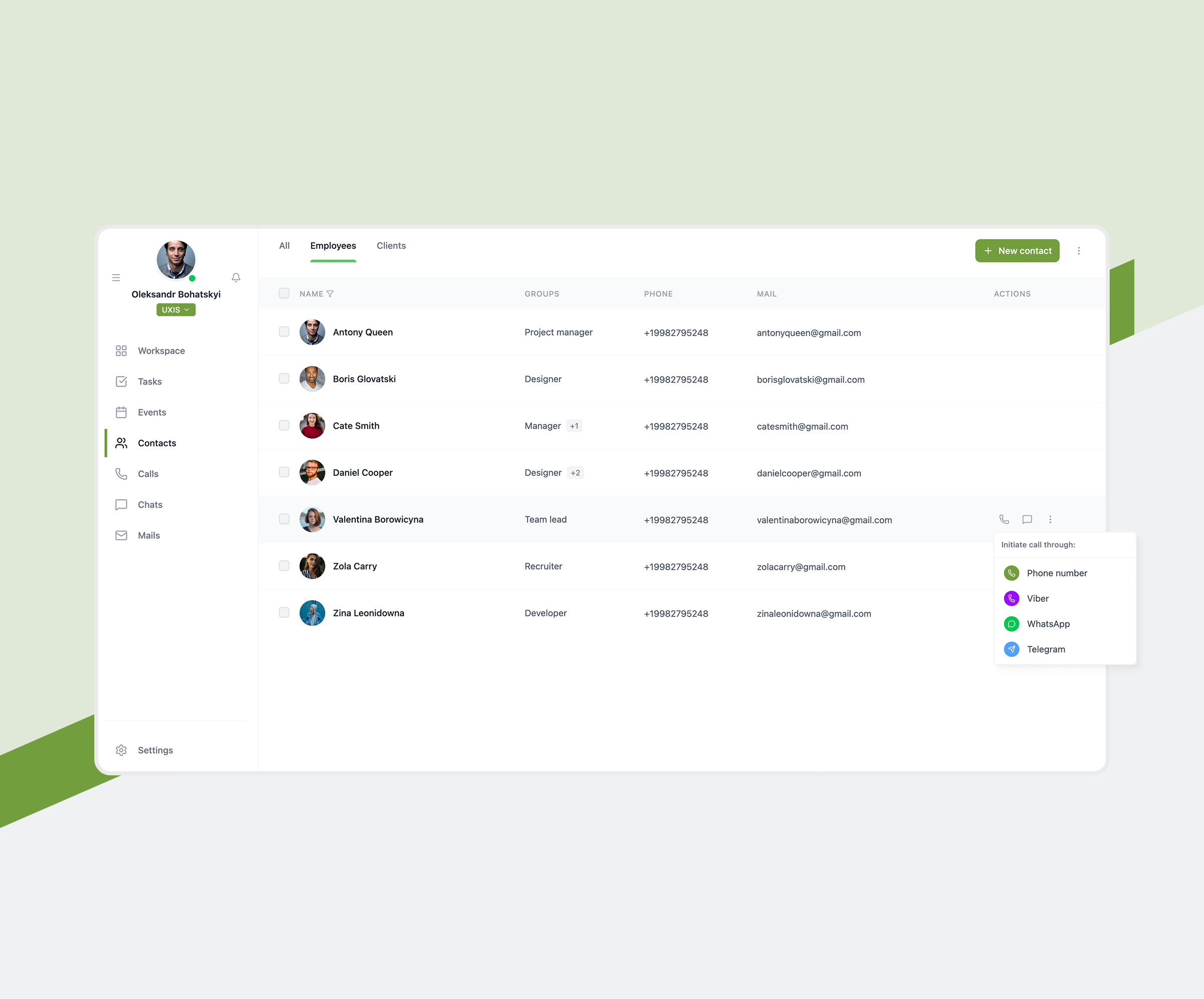
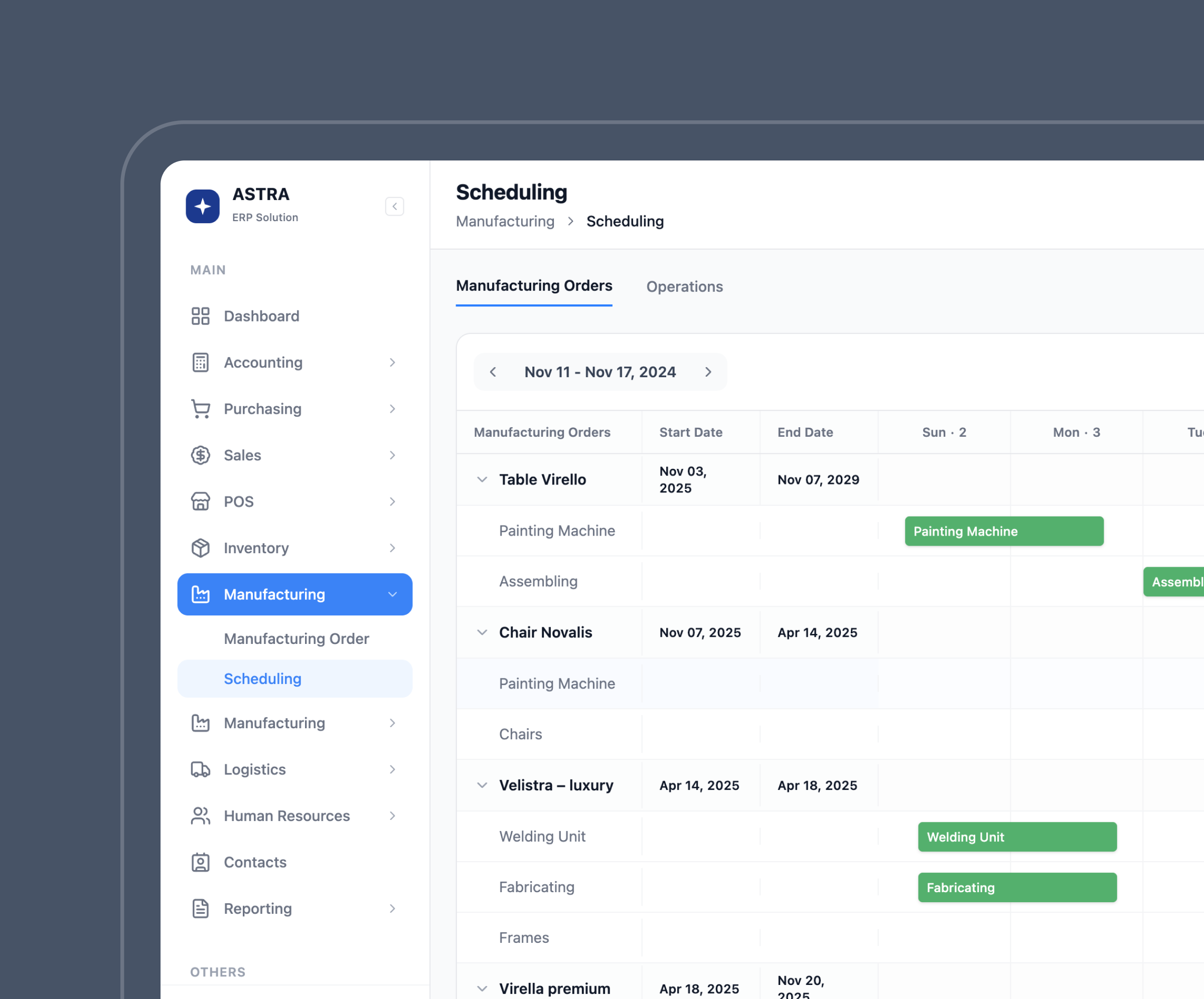
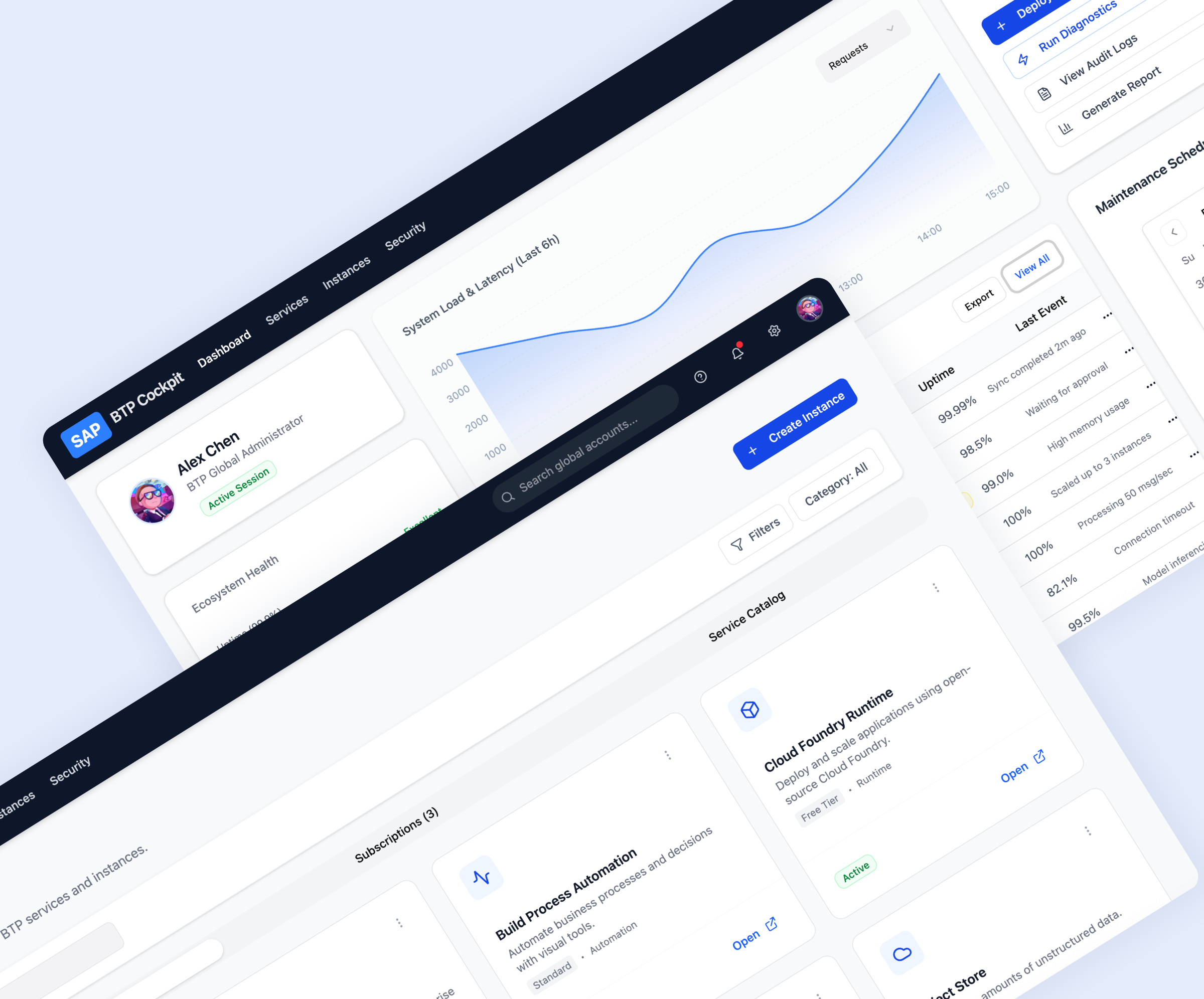
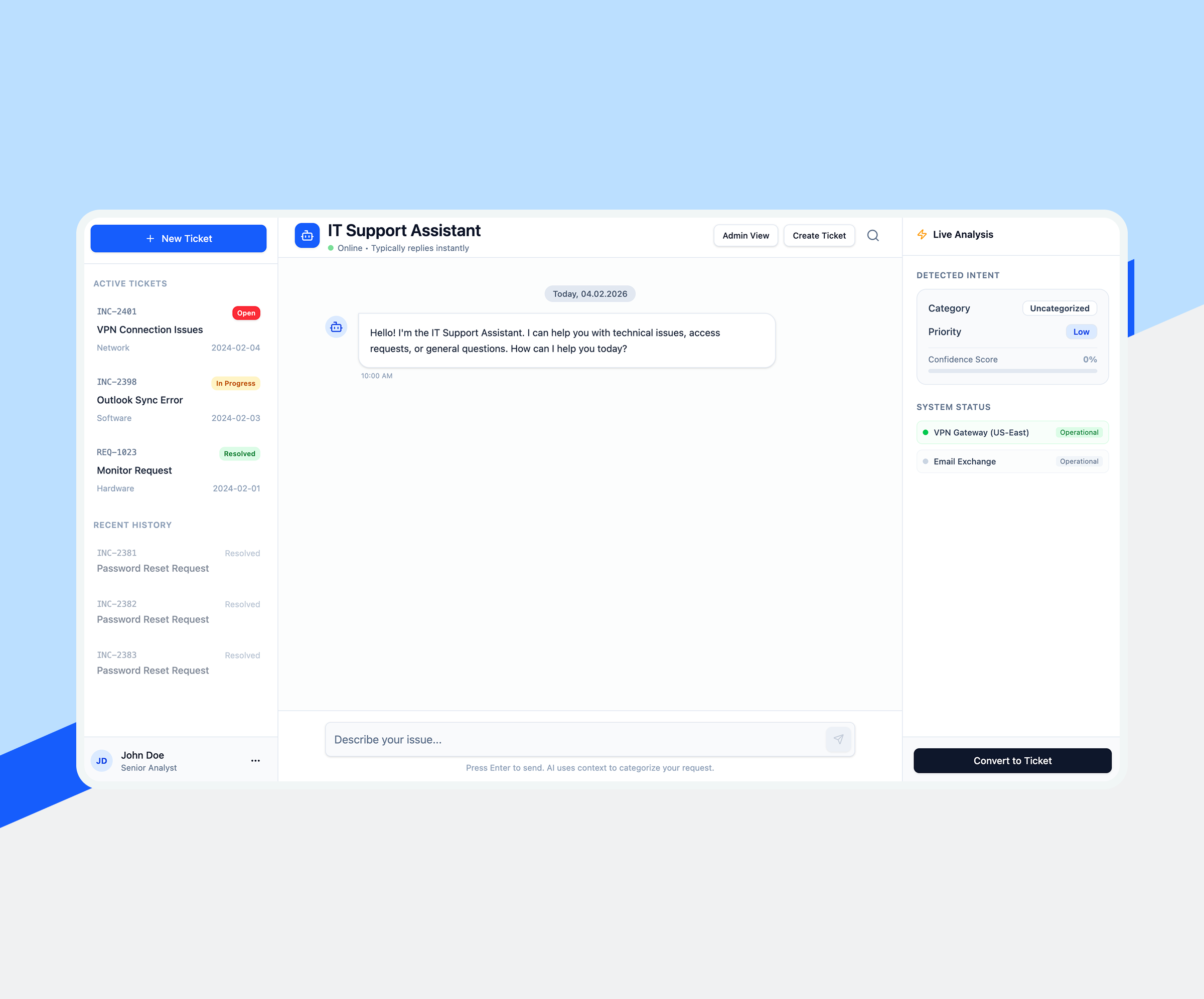

Financial companies are implementing fintech customer experience software, digital CX insurance, and SaaS application development services to combine apps, data, AI, compliance, and support into a single, seamless process.
A bank replaces in-branch onboarding with electronic customer identification (eKYC), instant card issuance, fraud alerts, and in-app support, while an insurance company automates tracking of financial distress notifications and claims. The benefits include faster service, fewer friction points, improved customer retention, and more personalized financial products.
- Unified customer data across the app, website, branches, and call center.
- Mobile onboarding, payments, claims processing, and account management.
- AI-powered personalization to deliver the most compelling offers and proactive alerts. Digital self-service for loans, policies, cards, and support.
- Integrating regulatory compliance into the user experience through KYC, AML, GDPR, and SCA processes.
What is software-driven customer experience in financial services?
Customer experience in financial services becomes software-driven when every touchpoint operates on a unified data infrastructure, not just a redesigned app or chatbot. Fintech customer experience means digital onboarding, AI-powered personalization, mobile banking app flows, omnichannel support, NPS tracking, and proactive customer journey management. Banking customer experience software helps banks compete with neobanks’ UX expectations. Salesforce notes that 78% of consumers expect a consistent experience across departments.
Why CX Has Become the Main Competitive Driver
Software-driven customer experience is now a key competitive advantage for banks, as switching costs have decreased, open banking has expanded choice, and customers are comparing banks not only with other banks but also with neobanks. An effective omnichannel banking experience provides context across the app, branch, and customer support. Digital customer experience banking also impacts trust: Lemonade has set a CX benchmark by disbursing some insurance claims in approximately three minutes, while traditional payouts can take days. The challenge is not only technical but also operational.
Build banking customer experience software that makes every customer interaction faster and easier.

Core Software Capabilities That Drive CX in Financial Services
1. Mobile-First Product Access and Account Management
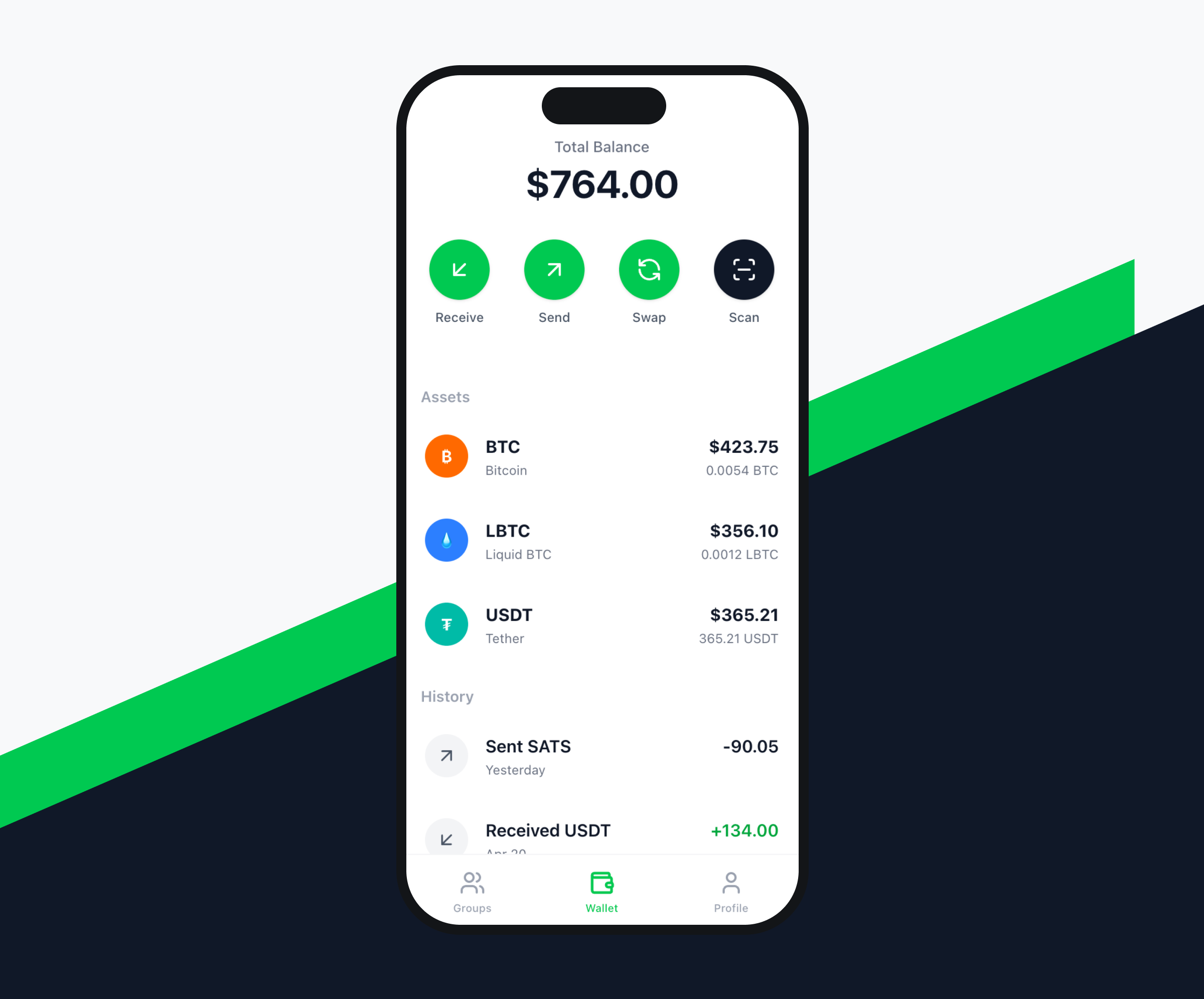
Fintech customer experience software improves digital customer experience banking by making the mobile app the primary access point to accounts, cards, P2P payments, loans, investments, and customer support. Financial software development services add biometric login, instant payments, open bank account aggregation, card management, chat, video calls, and callbacks so customers can manage their money without leaving the app.
2. Omnichannel Journey Continuity
A strong digital banking customer journey is omnichannel, not just multichannel. Banking customer experience software maintains a consistent customer context across apps, websites, branches, call centers, and CRM systems. In customer experience in financial services, this means that the customer begins processing the First Notice of Loss (FNOL) in the app, and the agent continues working with the same data without asking the customer for repeated information. Legacy systems make this difficult because they were designed for each channel separately.
3. AI-Driven Personalization and Predictive Engagement
Software-driven customer experience uses AI to anticipate needs before customers express them. An insurance customer experience platform can detect a large transfer and suggest a deposit, or identify child-related expenses and suggest savings or insurance. In insurance digital transformation CX, telematics supports usage-based pricing. The challenge is balancing hyper-personalization with GDPR, consent, explainability, and secure data use.
4. Proactive Fraud Detection with Non-Disruptive UX
Digital CX insurance and banking are enhanced when fraud detection operates in real time but remains invisible until action is required. In customer experience in financial services, machine learning-powered anomaly detection examines behavior, device, location, and transaction patterns, then sends a push notification to confirm or block a card with a single tap. False positives are a key CX metric: too many blocked legitimate payments undermine trust as much as the fraud itself.
5. Digital Self-Service for Complex Transactions
Fintech customer experience software transforms complex banking and insurance transactions into manageable self-service flows. Customers can open an account using eKYC, apply for a loan using open banking credentials, sign documents electronically, or change policies without agent intervention. The insurance customer experience platform adds policy updates, beneficiary changes, coverage adjustments, chatbot support, and progress indicators that reduce cancellations.
6. Compliance-Embedded UX: Security That Doesn’t Break CX
Fintech customer experience improves the customer experience when compliance is built into the interaction process rather than added as a barrier. KYC becomes OCR plus authentication, SCA becomes biometric authentication instead of a slow SMS verification code, GDPR consent becomes a step-by-step disclosure, and AML monitoring works in the background. A user confirms their identity in 60 seconds, while risk checks remain auditable. Compliance is a constraint, not a feature that customers must contend with.
Fintech Customer Experience Software: Implementation Steps
Step 1: Map the Customer Journey Before Writing Code (2-4 weeks)
The omnichannel banking experience begins with mapping the customer journey before writing code. Teams identify every touchpoint: app, website, branch, call center, consultant, and agent. For each touchpoint, they document what the customer wants, what’s happening now, and where obstacles are encountered. Tools include interviews, NPS by channel, analytics, and session recordings. The result is a data-driven heatmap of friction points, not a list of assumptions.
Step 2: Identify and Prioritize Friction Points (1-2 weeks)
Software-driven customer experience starts by defining friction as the gap between what customers expect and what they receive. Prioritize issues by frequency and intensity. If opening an account takes three days and requires a branch visit, this is a common and highly disruptive issue, so it becomes priority #1. The goal is not to fix everything at once, but to select the two or three most effective interactions for the first CX iteration.
Step 3: Build vs. Buy vs. Configure (2-3 weeks)
In customer experience in financial services, each friction point should be matched with the right delivery model: buy SaaS, configure a platform, integrate APIs, or build custom software. Custom development is justified when legacy core banking systems block integration, proprietary logic is required, or product ownership is strategic. A lending platform may need custom scoring, workflows, and partner integrations rather than a generic tool.
Step 4: Deploy Iteratively, Starting with Mobile (3-6 months for MVP)
Fintech customer experience software should be deployed iteratively, starting with the most-used channel: mobile. The MVP should include 2–3 core features, not the full roadmap. Each release is tested against task completion, NPS, abandonment, and adoption. Backend work comes first: API modernization and a clean data layer must support the journey before expensive UI rewrites begin.
Step 5: Measure CX Improvement, Not Just Feature Delivery (ongoing)
Digital customer experience banking must be measured by outcomes, not only features shipped. Track NPS by channel, CSAT, task completion rate, time to complete key journeys, digital adoption, call deflection, and abandonment. A common mistake is reporting “we released five features” instead of “customers now open accounts 40% faster.” Review metrics every 90 days to decide what to improve, stop, or launch next.
Business Benefits of Fintech Customer Experience Software
Higher Revenue Per Client
Financial hedging software and CX platforms can increase revenue per client when they use data to recommend timely, relevant products. A next-best-action engine sees cash sitting idle and suggests a deposit, investment, or hedge instead of sending generic campaigns. The mechanism is simple: higher digital engagement creates more moments to cross-sell, upsell, and personalize financial offers.
Lower Cost to Serve
Fintech customer experience lowers cost to serve by moving routine actions from branches and call centers to digital self-service. Customers reset cards, check balances, submit claims, upload documents, or change policy data without an agent. Digital FNOL reduces manual claim intake, while chatbots handle repetitive questions. The result is fewer calls, faster resolution, and lower operating cost per transaction.
Higher Client Retention
A better digital banking customer journey improves retention because customers stay where daily tasks are fast, transparent, and predictable. If onboarding, payments, support, card controls, and alerts work smoothly, the bank becomes harder to replace. A customer who manages accounts, savings goals, and support in one app has more reasons to keep using the provider and fewer reasons to switch to a neobank.
Faster Time to Market for New Products
Software-driven customer experience speeds product launches because API-first architecture and modern platforms reduce dependence on legacy releases. A neobank can test a new feature in weeks, while a traditional bank may need months if data, compliance, and core systems are fragmented. CX impact: faster feedback loops let financial companies respond to customer needs before competitors set the new standard.
Key Takeaways
- A software-centric CX is more than just a mobile app; it’s a unified digital infrastructure for faster, more personalized, and less cumbersome interactions.
- Key CX capabilities include mobile-first access, omnichannel continuity, AI-powered personalization, proactive fraud alerts, digital self-service, and UX integrated with compliance requirements.
- Banking CX focuses on daily cash transactions, customer onboarding, payments, cards, and open banking.
- Insurance CX focuses on financial non-payment (FNOL) notifications, claims transparency, policy changes, pricing personalization, and digital support.
- Compliance requirements such as KYC, AML, GDPR, and SCA should be designed as invisible, auditable UX flows. CX transformation begins with mapping the customer journey, prioritizing barriers, and making build-or-buy decisions before app development.
- Key business benefits include higher customer retention, lower cost of service, faster product launches, and higher revenue per customer.
Build fintech customer experience software that keeps customers coming back.
Conclusion
ERP for financial services helps companies implement software-driven CX by unifying customer data, finance, risk, compliance, products, and service workflows into a single operational layer. Example: When a customer applies for a loan, the connected ERP platform can review documents, assess risks, trigger approval tasks, update the CRM, and automatically notify the mobile app. This improves speed, transparency, and control. The ERP software market is projected to reach $147.7 billion in 2026, demonstrating growing demand for integrated enterprise platforms.

Financial CX typically fails not because the app feels outdated, but because the systems that underpin it don’t share context. A customer might start with a mobile app, call customer support, and visit a branch, but each channel sees a different version of the journey. Software development helps by integrating data, workflows, compliance checks, and interfaces into a unified experience.

FAQ
-
Software-centric customer experience in financial services is a systems-based approach in which apps, data, AI, compliance, and support work together at every touchpoint. It differs from traditional customer service in its scale, personalization, and proactive actions. A mobile banking app detects overdrafts, sends a forecast, suggests a savings plan, and allows the customer to contact customer support without repeating account details.
-
The customer experience at neobanks (Neobank CX) is a digital approach based on quick onboarding, instant payments, push notifications, personal finance tools, card management, and in-app support. They often outperform traditional banks because they aren’t slowed down by legacy core systems and disparate service channels. A user can open an account using eKYC in minutes, while a traditional bank might require several steps in a branch. Incumbents can respond with APIs, partnerships with fintech companies, and digital-only products.
-
Artificial intelligence in customer experience in banking and insurance is the use of models to personalize, predict, automate, and protect customer journeys. It enables optimal offer development, fraud detection, chatbot support, and claims triage. An insurer uses AI to classify a simple claim and route a complex one to an adjuster. AI requires sufficient transaction and behavioral data and is GDPR compliant. The best AI often operates in the background, not as an imposed chatbot.
-
A superior banking app is a mobile platform for secure, real-time financial management. Essential features include biometric login, instant notifications, card management, instant payments, and digital statements. High-value features include personal finance management, savings goals, open banking data aggregation, and in-app chat. Advanced features include AI recommendations, investments, cryptocurrency, and lending. Revolut-style management is now a basic requirement.
-
Omnichannel banking is a seamless customer experience across the app, website, branch, and customer service, as opposed to multichannel banking, which offers only individual channels. A customer applies for a mortgage in a mobile app, discusses it in a branch, and then uploads documents online without restarting the process. This requires unified customer data, real-time synchronization, and visibility into the CRM. This is important because legacy communication channels cause customers to repeat information and lose trust.
-
First Notice of Insurance (FNOL) automation is the digitalization of the first notice of an insurance claim, the moment a customer reports a claim to an insurance company. It improves the customer experience by enabling mobile data submission, photo uploads, AI-powered triage, automation of simple claims, and transparent claim tracking. Lemonade found that in some cases, claim processing can take around 3 minutes. For insurers, automation reduces labor costs; for customers, it eliminates uncertainty like “where is my claim?”.
-
Telematics in insurance is the use of driving, device, vehicle, home, or wearable data to personalize insurance coverage and pricing. In auto insurance, data can come from a mobile app, GPS, OBD adapter, or connected car APIs. Drivers who follow safe driving rules receive usage-based insurance rates instead of standard rates. In home or health insurance, smart devices and wearables can promote preventative measures. Opt-in and transparency are crucial for trust.
-
Creating a software platform to improve the customer experience for a bank or insurance company typically takes months, not weeks. Mapping the customer journey and defining requirements can take 4-8 weeks; API and backend development 3–6 months; mobile or web interface development 3–6 months; quality assurance and compliance testing 4–8 weeks. Timelines increase with the integration of legacy core systems, data migration, and compliance testing. A phased approach begins with one stage, such as digital onboarding for new employees, and then expands.