


IT as a Service (ITaaS) is a delivery model where IT infrastructure, platforms, and software are provided as on-demand services rather than owned and managed internally. It is designed for organizations that want flexible technology operations without large upfront investments. The result is predictable costs and faster access to modern IT capabilities. As companies continue to digitize operations, IT as a service has become a practical way to manage complex technology environments while keeping teams focused on core business goals.
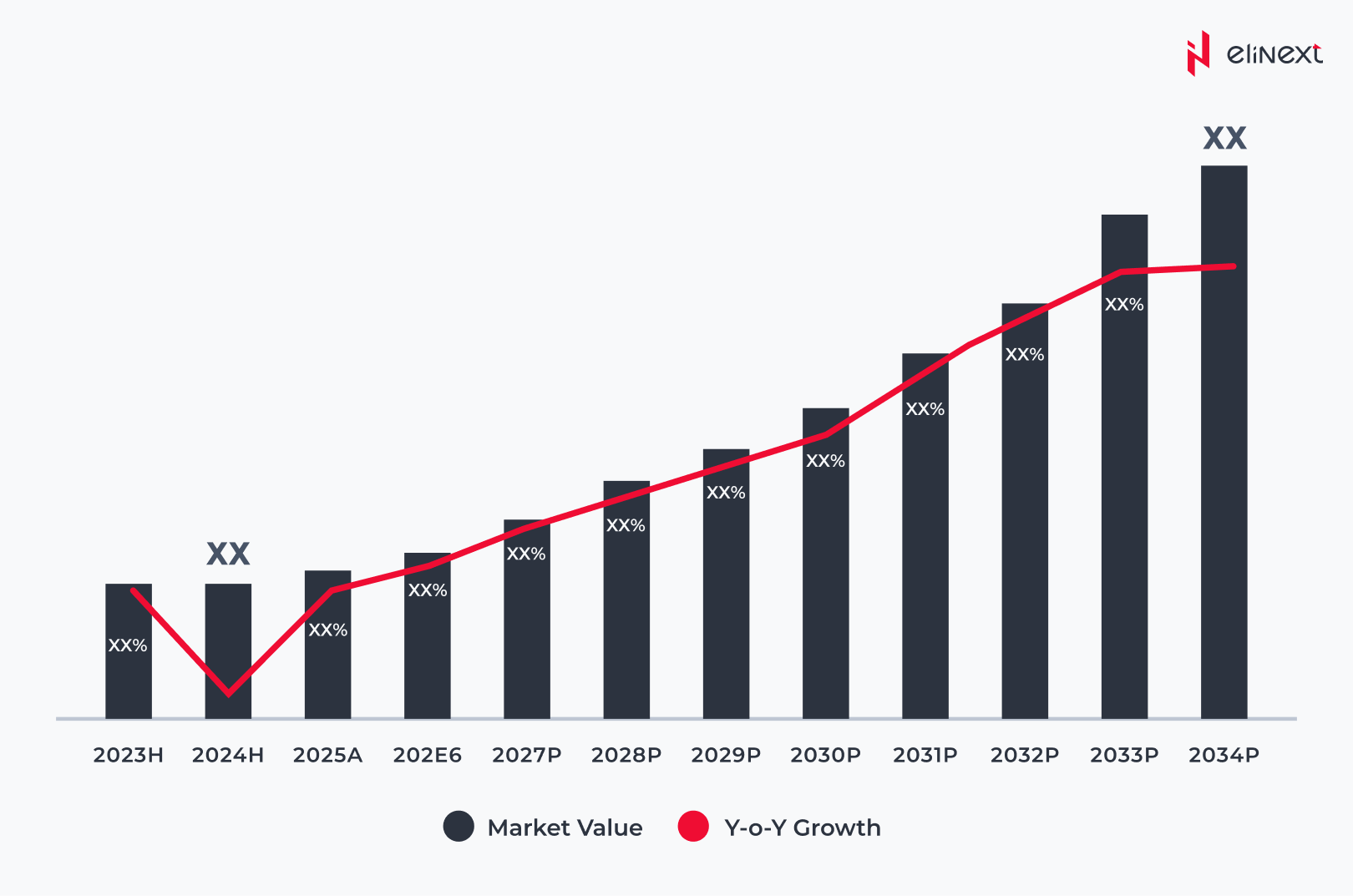
Key Takeaways
- The global ITaaS market is projected to exceed $150 billion within the next decade
- Around 70% of enterprises now rely on service-based IT delivery models
- Organizations adopting ITaaS report up to 30% faster IT deployment cycles
What is IT as a Service (ITaaS)?
IT support as a Service (ITaaS) is an operating model where IT capabilities are delivered as structured services rather than owned infrastructure. Instead of building and maintaining complex systems internally, businesses consume computing resources, applications, and platforms on demand. This approach supports flexibility, predictable spending, and faster innovation.
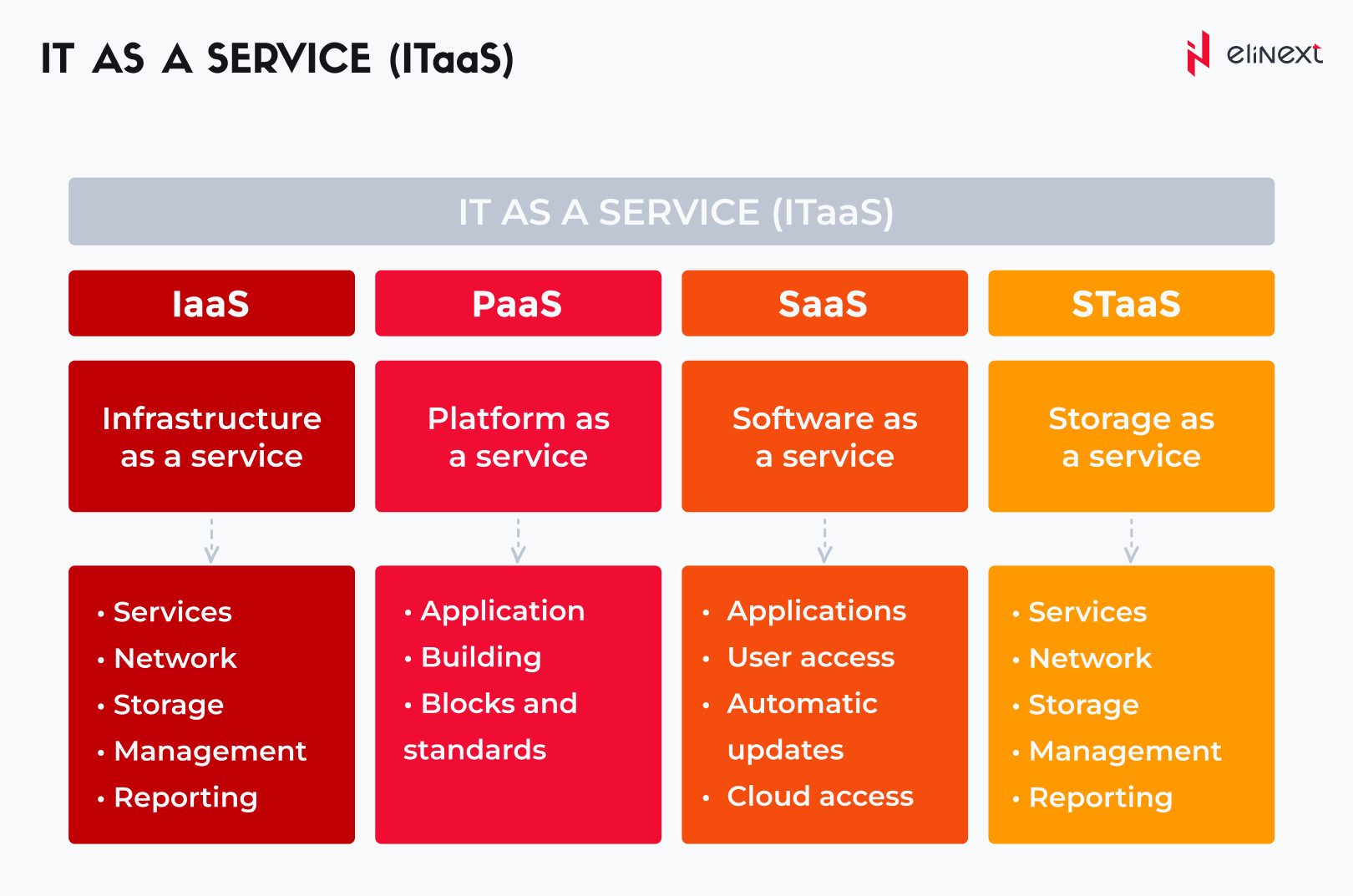
IaaS
Infrastructure as a Service provides virtualized computing resources such as servers, storage, and networking. Businesses avoid purchasing physical infrastructure and instead scale resources as needed. The outcome is lower capital investment and flexible infrastructure management.
PaaS
Platform as a Service delivers development environments that allow teams to build, test, and deploy applications quickly. Companies benefit from simplified development workflows and reduced infrastructure management. As a result, software teams can focus on innovation instead of operational complexity.
SaaS
Software as a Service provides ready-to-use applications delivered over the internet. Businesses access tools through subscriptions instead of installing and maintaining software internally. This approach ensures constant updates, easier collaboration, and faster adoption of digital tools.
STaaS
Storage as a Service offers scalable data storage delivered through cloud platforms. Companies can expand storage capacity without investing in hardware. The outcome is reliable data availability and simplified data management.
Looking to modernize your technology environment?
Explore tailored IT solutions that support growth and efficiency.
Types of Services That Can Be Provided With ITaaS
IT support as a service includes a wide range of services that support daily IT operations and long-term digital strategy. Businesses can outsource infrastructure management, security, support, and software maintenance while keeping internal teams focused on strategic initiatives. Many companies combine ITaaS with solutions such as SaaS application development services and software product engineering services to build scalable technology ecosystems.
Cloud Infrastructure Management
Cloud infrastructure management involves monitoring and maintaining cloud environments, including computing resources and storage systems. Businesses gain improved reliability and optimized resource usage. The result is a stable infrastructure that adapts quickly to changing workloads.
Data Backup and Recovery
Backup and recovery services protect critical business data from accidental loss, system failure, or cyber incidents. Organizations benefit from automated backup processes and structured recovery plans. The outcome is a faster system restoration and minimal operational disruption.
Network Management
Network management services oversee the performance, availability, and security of corporate networks. Businesses receive continuous monitoring and optimization of network traffic. This leads to reliable connectivity and improved performance across digital systems.
Cybersecurity Services
Cybersecurity services focus on protecting systems, applications, and data from cyber threats. Providers implement monitoring tools, threat detection, and security frameworks. As a result, organizations strengthen their security posture and maintain regulatory compliance.
Help Desk Support
Help desk support provides technical assistance to employees and users. IT specialists resolve issues, troubleshoot systems, and ensure smooth daily operations. The outcome is reduced downtime and better productivity for internal teams.
Software Management
Software management includes application updates, licensing, monitoring, and performance optimization. Businesses ensure their software environment remains stable and secure. The result is reliable applications and fewer operational disruptions.
Hardware Setup and Support
Hardware setup and support cover installation, configuration, and maintenance of physical IT equipment. Organizations avoid operational delays and ensure devices function correctly. This service helps maintain a stable workplace technology infrastructure.
IT Consulting and Strategy
IT consulting and strategy services help companies align technology investments with business goals. Experts evaluate infrastructure, identify modernization opportunities, and recommend improvements. The outcome is a clear technology roadmap that supports long-term growth.
How to Choose the Right IT as a Service (ITaaS) Company?
Choosing an ITaaS provider requires careful evaluation of both technical expertise and service transparency. Businesses should review the provider’s experience with cloud platforms, security frameworks, and infrastructure management. It is also important to assess service level agreements, scalability options, and industry knowledge. A reliable partner offers proactive support, clear communication, and flexible service models that evolve with business needs. Companies that prioritize long-term collaboration often gain more value from ITaaS partnerships.
“Data modernization is challenging because many companies rely on legacy systems that were never designed for today’s cloud environments. Integrating old infrastructure with modern platforms often leads to performance issues and security risks. Elinext approaches modernization through architecture redesign and gradual migration strategies. This helps businesses reduce system complexity while improving reliability and scalability.” ― Anna Kidron, Senior IT Consultant
The Benefits of IT as a Service (ITaaS)
IT support as a service allows organizations to transform the way they deliver and manage technology. Instead of maintaining large internal infrastructure teams, businesses rely on specialized providers who deliver services on demand. This model helps companies improve operational efficiency while maintaining access to advanced IT capabilities.
Cost Consistency
Cost consistency means organizations pay predictable subscription-based fees instead of large infrastructure investments. Businesses can better manage IT budgets and avoid unexpected hardware expenses. The outcome is financial stability and improved cost planning.
Scalability
Scalability allows companies to increase or reduce IT resources based on current needs. Infrastructure grows alongside business demand without major upgrades. This flexibility ensures systems remain efficient even during rapid expansion.
Agility
Agility refers to the ability to implement new technologies quickly. With ITaaS, organizations deploy tools, platforms, and services faster than traditional infrastructure allows. The result is quicker innovation cycles and faster product delivery.
Expert Support
Expert support provides access to specialized IT professionals who manage complex systems. Businesses benefit from advanced expertise without hiring large internal teams. This improves problem resolution speed and system reliability.
Security & Compliance
Security and compliance services ensure systems follow industry regulations and cybersecurity best practices. Providers monitor infrastructure and implement protective measures. The outcome is stronger data protection and reduced regulatory risks.
Simplify your IT operations and scale faster.
Explore IT as a Service (ITaaS) by Elinext
Elinext helps organizations modernize their IT environments through flexible service models and experienced engineering teams. From software architecture consulting services to custom software development services, the company supports businesses at every stage of their technology journey. With the professional help of Elinext developers, organizations can build reliable IT ecosystems that grow alongside their business.
Conclusion
IT as a service helps businesses manage technology more efficiently while reducing operational complexity. By shifting IT capabilities to service-based models, organizations gain access to scalable infrastructure, expert support, and predictable costs. As digital transformation accelerates across industries, ITaaS enables companies to modernize systems, strengthen security, and respond faster to changing market demands.
IT as a Service (ITaaS): Terms Explained
ITSM
IT Service Management is a framework used to design, deliver, and manage IT services within an organization. It focuses on structured processes that ensure technology services meet business requirements efficiently.
MSP
A Managed Service Provider is a company that remotely manages IT infrastructure and systems for clients. Businesses rely on MSPs to maintain technology environments and provide ongoing technical support.
SLA
A Service Level Agreement is a formal contract that defines service expectations between providers and clients. It outlines response times, system availability, and performance standards.
Multi/Hybrid Cloud
Multi-cloud and hybrid cloud environments combine several cloud providers or mix public and private infrastructure. This approach increases flexibility and prevents reliance on a single platform.
FaaS
Function as a Service is a serverless computing model where developers run code in response to events without managing infrastructure. It supports scalable applications and efficient resource usage.
DRaaS
Disaster Recovery as a Service provides cloud-based backup and system recovery capabilities. Businesses use it to restore operations quickly after infrastructure failures or cyber incidents.
DaaS
Desktop as a Service delivers virtual desktop environments through cloud platforms. Employees can securely access work systems from various devices and locations.
NaaS
Network as a Service provides network infrastructure and connectivity through subscription-based models. Organizations gain flexible networking without managing complex hardware.
SECaaS
Security as a Service delivers cybersecurity tools and monitoring through cloud platforms. Businesses use it to strengthen protection against cyber threats without building an internal security infrastructure.
FAQ
What is IT as a Service (ITaaS)?
IT as a Service is a model where IT infrastructure, platforms, and software are delivered as on-demand services instead of owned systems. Organizations use it to access technology resources through subscription-based models. This approach simplifies IT management and improves flexibility.
How is ITaaS different from traditional IT?
Traditional IT relies on internally owned infrastructure and dedicated maintenance teams. ITaaS replaces this model with externally delivered services. Businesses benefit from scalable resources, predictable costs, and reduced operational complexity.
What are the key benefits of ITaaS?
ITaaS benefits include predictable costs, improved scalability, and faster access to modern technology solutions. Businesses also gain expert support and improved system reliability. These advantages help organizations adapt quickly to changing technology demands.
Is ITaaS the same as cloud computing?
ITaaS is not exactly the same as cloud computing, although the two concepts are closely related. Cloud platforms often power ITaaS services, but ITaaS also includes service management, support, and infrastructure operations delivered as a unified offering.
What are common ITaaS challenges?
ITaaS challenges typically involve integration with legacy systems, data migration, and maintaining security across distributed environments. Businesses must carefully plan implementation and choose experienced providers to ensure smooth transitions and reliable operations.
