
Clinical trial data management services are the discipline that turns raw trial information into reliable evidence that regulators, sponsors, and clinicians can trust and act upon. In practice, it covers how study data is collected, cleaned, reviewed, tracked, and locked before further analysis. Think of it as the quality engine behind a study: every lab value, adverse event, visit date, and patient-reported outcome has to land in the right place, make sense in context, and hold up under audit.
And that is not a nice-to-have. Under current GCP expectations, robust record handling, data integrity, and fit-for-purpose computerized systems are built into the foundation of clinical research.
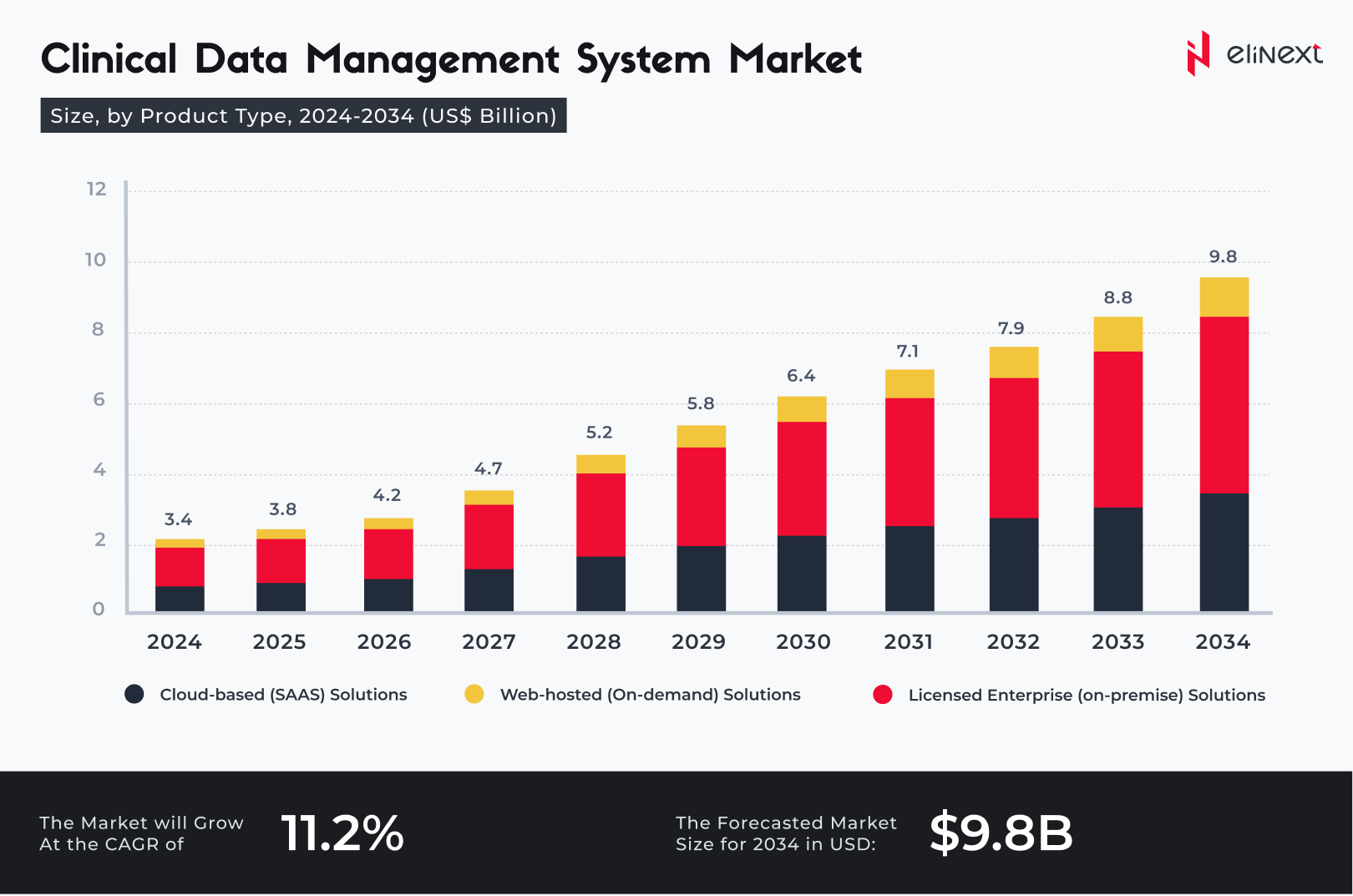
This field of CDM matters more now because clinical trial data management is more digital, more distributed, and more data-heavy than it used to be. ClinicalTrials.gov says it currently lists 577,168 studies across 225 countries and territories, which gives you a sense of the scale of today’s research ecosystem.
Intrigued to learn more about what is under the hood of CDM? Let’s dive in without further ado…
What are Clinical Data Management Services?
Clinical trial data management services help make clinical trial data clear, complete, and trustworthy. That includes setting up how data is collected, checking for mistakes, fixing missing or unusual entries, and preparing everything for analysis. You can think of it like quality control for a study: if the data is messy, the results are hard to trust.
A simple example: imagine a trial patient whose temperature is entered as 108.4°C instead of 38.4°C. Without validation rules and review workflows, that typo can distort safety review, trigger false signals, or waste days in follow-up. With proper CDM, it gets flagged fast, checked against the source, corrected with a reason, and documented in the audit trail. That sounds small. In a multicenter study with thousands of participants, it is the difference between chaos and confidence.
Is your clinical data generating more questions than answers? Let’s bring order, quality, and confidence to every stage of the study.
Key Components of a Clinical Data Management
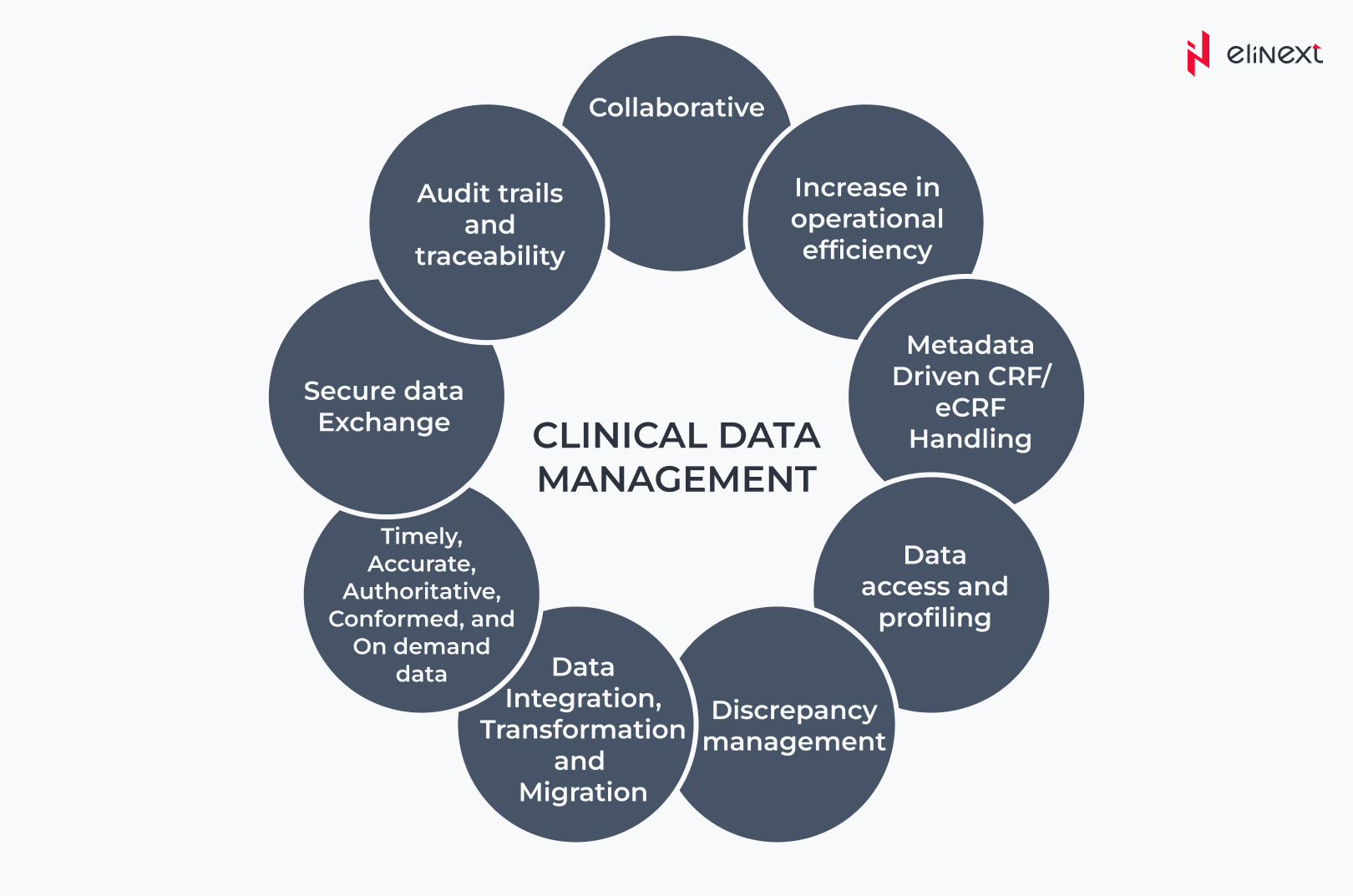
Clinical trial data management services have a few core parts, and each one solves a different problem. It’s like a study’s control room: one part stores the data, another checks it, another connects sources, and others protect, track, and explain what the data means.
-
Database Management
Setup and structure of the database: where data lives, how forms work, and how fields are organized. Business value comes from consistency and fewer setup errors. Data management services that support clean, usable study data.
-
Data Cleaning and Validation
This means checking data for mistakes, gaps, mismatches, or values that do not make sense. Why does it matter? Because bad data leads to bad decisions. The outcome is a more accurate database and fewer surprises close to the study lock.
-
Data Integration
Bringing data together from different sources, such as EDC, labs, ePRO, or imaging systems. The business value is a fuller study picture in one place. Better visibility, less manual work, and fewer disconnected datasets.
-
Reporting and Analysis
This covers the reports and summaries that help teams review study progress and data quality. It is useful because teams need to spot issues early, not at the end. This leads to faster decisions, better oversight, and clearer next steps.
-
Audit Trails
An audit trail shows what changed in the data, when it changed, who changed it, and why. That is essential for compliance and trust. The business value is traceability, and a study record that stands up to review, audit, or inspection.
-
Security Features
Security features protect clinical data from loss, leaks, or unauthorized access. That includes permissions, access controls, and system safeguards. Lower risk and stronger compliance, as well as more confidence across the study.
Quote
Clinical data gets messy fast, especially when it comes from different sites, labs, and systems. That’s where strong data management in clinical research matters. At Elinext, we help teams bring structure, consistency, and control to that process. The business impact? Fewer errors, less rework, and more confidence in clinical trial data management.
Explore Clinical Data Management Services by Elinex
Elinext delivers clinical data management services that help trial and medical teams keep data clean, consistent, and ready to use. Besides healthcare software development services and clinical & workforce management solutions, we support the full CDM workflow, from database setup and validation to integration, review, and reporting. This all in general brings fewer data issues, smoother study execution, and more confidence in every decision.
What is the Future of Clinical Data Management
Data management in clinical research will soon feel less like back-office support and more like the nerve center of a clinical trial. As studies pull data from sites, labs, apps, and wearables, the old “check everything later” model will start to break. The next step is clear: faster review, earlier issue detection, and more connected systems with data visualization solutions, as an example. For trial teams, that means fewer delays, less cleanup at the end, and stronger confidence in the results.
Is messy trial data putting your timelines at risk? Elinext helps you catch issues earlier and move forward confidently.
Conclusion
Clinical data management helps turn clinical trial data into something far more valuable than raw numbers: evidence you can stand behind. It gives structure to complex studies, helps teams catch issues before they grow, and makes final results easier to trust, defend, and use. That matters for timelines, budgets, compliance, and, frankly, for the quality of decisions made along the way. As clinical trial data management services become more connected and data starts coming from more places, CDM stops being just a support function. It becomes one of the clearest signals of whether a study is truly under control.
Clinical Data Management: Terms Explained
-
Case Report Form (CRF)
A CRF is the form used to collect trial data for each participant. It turns study visits, lab results, and safety details into a structured record for review and analysis.
-
Electronic Data Capture (EDC)
EDC is the software used to collect and manage clinical trial data electronically. It replaces paper forms and helps teams review, track, and control data more efficiently.
-
Data Query
A data query is a question raised about missing, unclear, or unusual trial data. This way, study teams check details, fix errors, and keep the dataset reliable.
-
Data Cleaning
Data cleaning is the process of finding and correcting mistakes, gaps, or mismatched entries in data. It helps make the final dataset accurate and usable.
-
Database Lock
Database lock is the point when data is finalized, and no further changes are allowed without formal control. After that, the data is ready for data analytics services.
-
Source Data Verification (SDV)
SDV is the check that compares data in the system with original source records, such as medical charts, to confirm that entered data is correct.
-
Clinical Data Management Plan (CDMP)
A CDMP is the document that explains how trial data will be collected, reviewed, cleaned, and controlled. It gives the data team a clear working plan.
-
Medical Coding
Medical coding means standardizing terms for events, diseases, or medications by using accepted dictionaries. This keeps trial data consistent and easier to analyze.
-
Audit Trail
An audit trail is a record of what changed in the data, when it changed, who made the change, and why, to support traceability, trust, and compliance.
-
Serious Adverse Event (SAE)
An SAE is a medical event during a trial that leads to death, hospitalization, disability, or another serious outcome. These events require prompt review and reporting.
FAQ
Why is clinical data management important?
Clinical data management is the process that keeps trial data accurate, consistent, and trustworthy. It helps healthcare teams reduce errors, support compliance, and make sure study results are strong enough for analysis and review.
What is the main goal of CDM?
The main goal of CDM is to produce a clean, complete, and reliable dataset for analysis. It helps clinical trial data management teams catch issues early, control data quality, and make sure the final results can be trusted and defended.
Who works in clinical data management?
Data management in clinical research is handled by data managers, clinical research associates, database specialists, medical coders, and biostatistics teams. They work together to review data and prepare the study database for further analysis.
What are the key activities in CDM?
The key activities in CDM are database setup, CRF design, data review, query handling, validation, coding, reconciliation, and database lock. These steps help turn raw study data into a reliable dataset ready for final analysis.
About the Author
Victoria is a healthcare IT consultant at Elinext with over 8 years of experience in HealthTech delivery. She specializes in agile project management, Scrum leadership, and healthcare client advisory — helping teams navigate complex regulatory environments and deliver compliant, patient-centered software solutions.