
























































































































































Industrial companies keep running into the same complaint: equipment fails without enough warning, and by the time an alarm fires, the damage is already done. Manufacturers are trying to fix this problem with predictive maintenance platforms, which is confirmed by a growing market. It’s rising from $9.21 bln in 2025 to a projected $94.27 bln by 2035. This article explains how predictive maintenance software connects real-time machine data, maintenance feedback, and rule-based logic, as well as and when the data is mature enough to introduce ML forecasting.
What Are Predictive Maintenance Platforms?
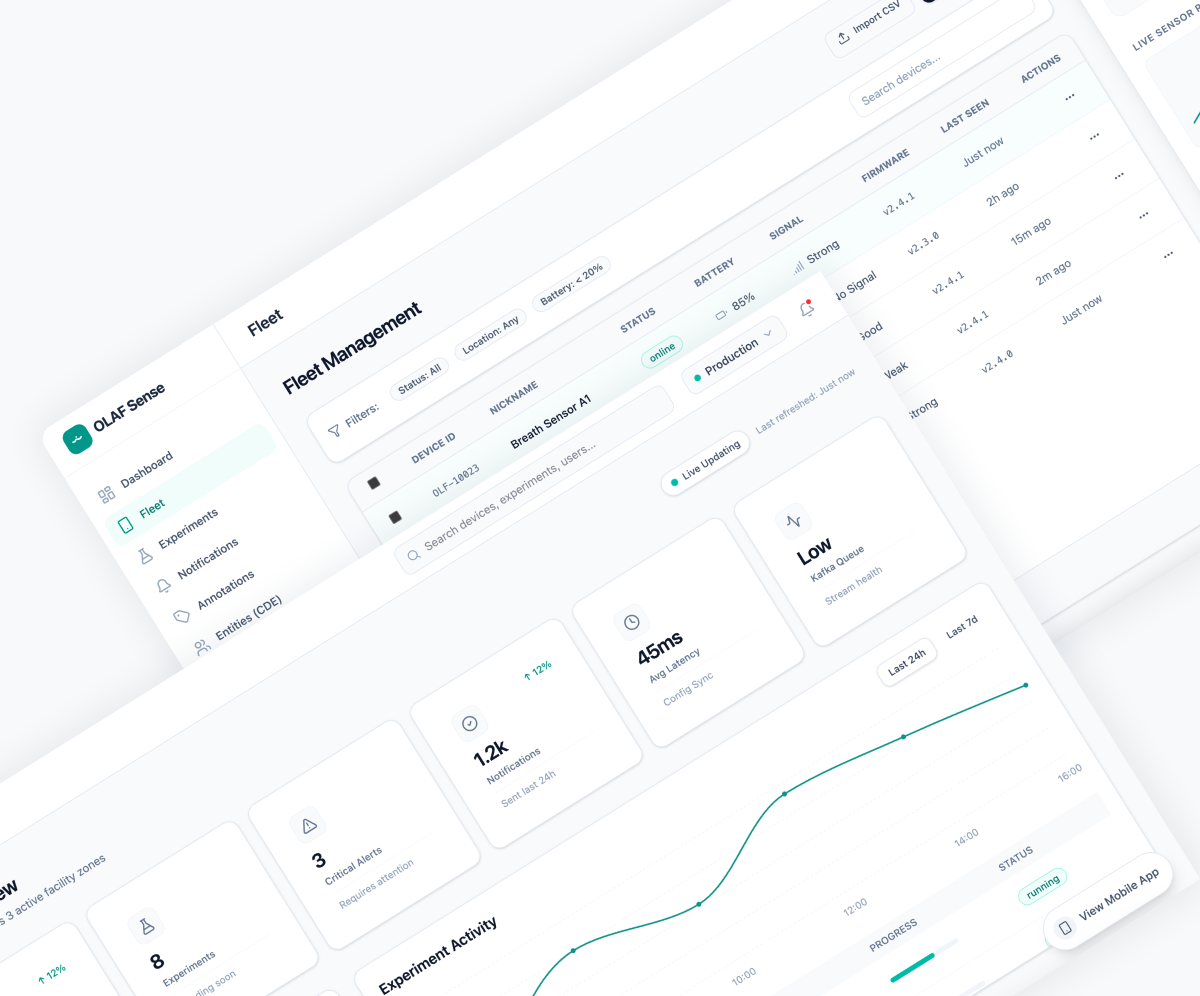
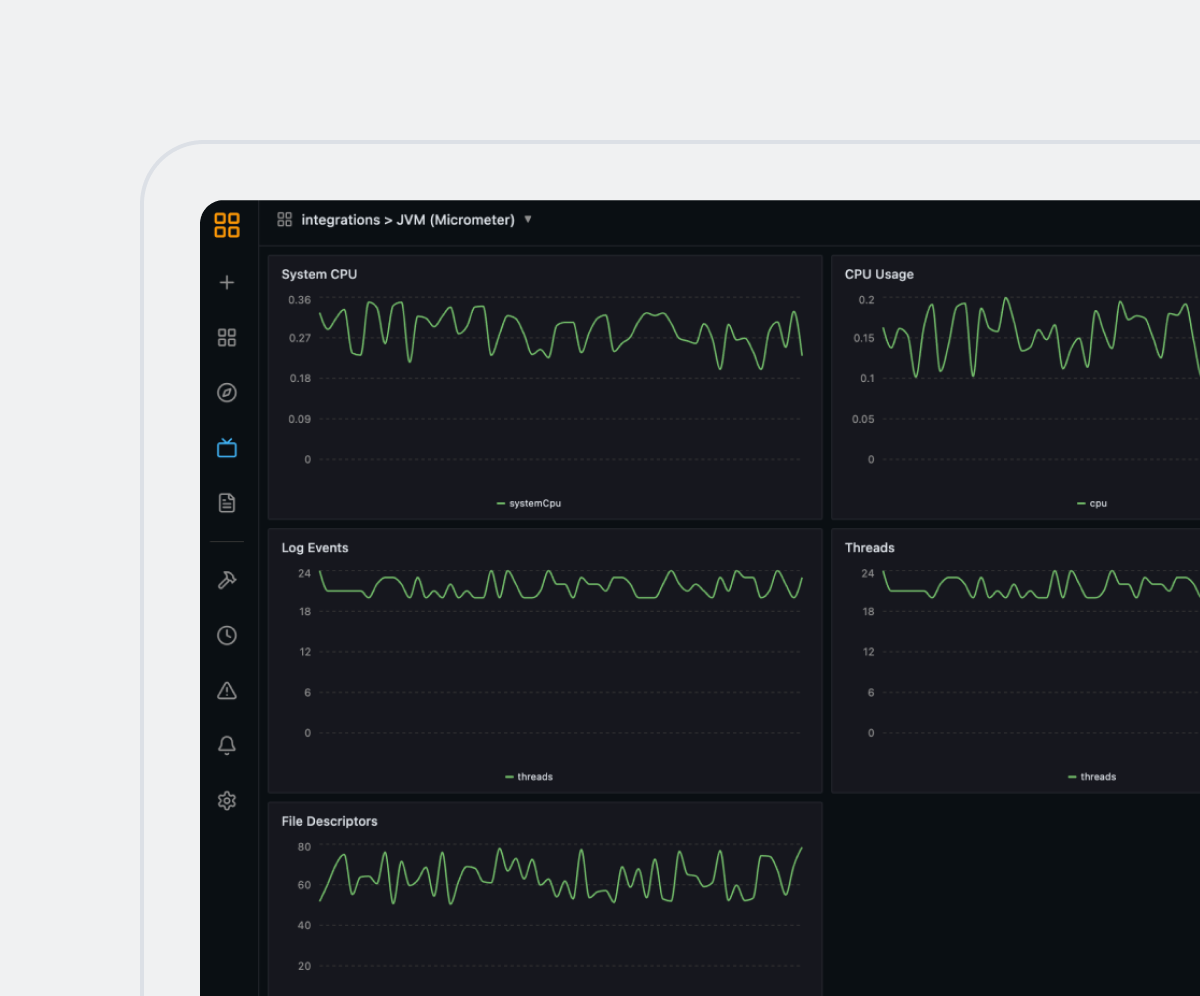
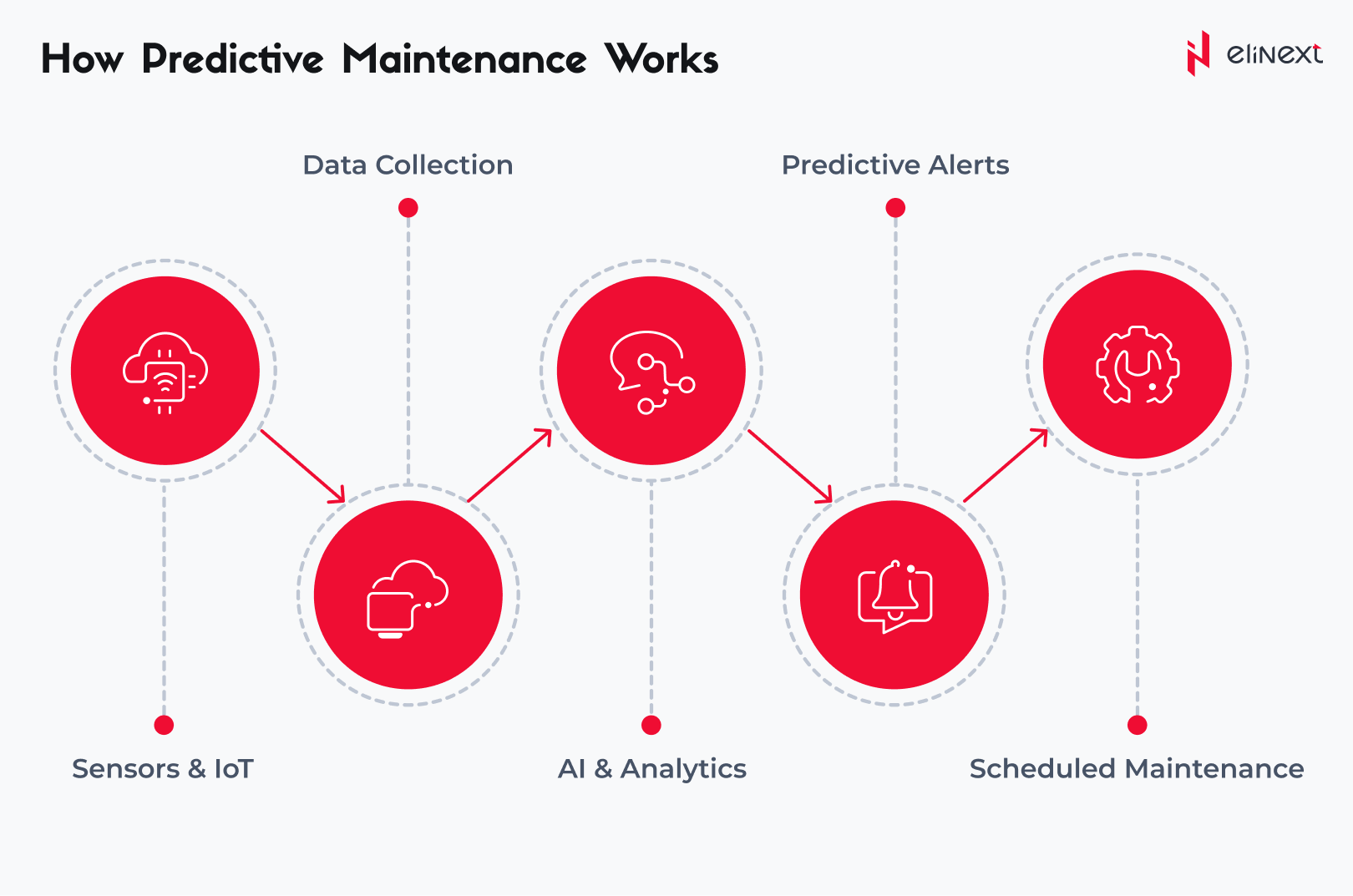
Predictive maintenance platforms collect machine signals from OPC-UA, Modbus, PLC historians, and condition-monitoring sensors. Then they link anomalies to specific assets, maintenance history, and technician workflows. Instead of flagging every temperature or vibration threshold as a failure, they prioritize evidence, record outcomes, and make the maintenance process traceable across the plant floor, turning scattered sensor noise into decisions engineers can actually act on.
For teams modernizing a mixed machine estate, our manufacturing software development services can help establish the integration layer before analytics are added. Start by mapping the assets, protocols, alarm logic, and maintenance decisions that matter.
AI-Powered Predictive Maintenance Platforms: What Changes When ML Enters the Pipeline
AI-powered predictive maintenance platforms don’t replace the pipeline; they depend entirely on it. ML only becomes useful once sensor timestamps, operating modes, maintenance labels, and failure records are consistently aligned across every machine in the fleet. Before that, a sophisticated model can simply automate uncertainty at a higher cost.
-
Why LSTM Needs 18 Months of Clean Data
An LSTM model is designed to detect patterns over time, not merely react to an isolated high reading. For a factory with changing shifts, tooling, materials, and load profiles, it needs approximately 18 months of clean, synchronized history to distinguish normal variation from a degradation path. That means validated OPC-UA or Modbus feeds, consistent asset IDs, known downtime periods, and work orders that state what technicians actually found.
-
What a 72-Hour Prediction Window Actually Buys
A 72-hour prediction window is operationally useful because it gives planners time to verify the signal, reserve a spare, coordinate production, and schedule work during an existing stop. It is not a promise that a component will fail exactly three days later. The value lies in moving from a disruptive response to a controlled maintenance decision while keeping the model’s confidence and evidence visible to engineers.
The difficult part is rarely selecting an algorithm. It’s reconciling sensor streams with machine states and work-order outcomes, especially where a threshold alarm already produces 40-60% noise. We help teams build that traceable data pipeline first, then introduce ML where labels and history justify it. As a result, your maintenance process will spend less time investigating unsupported alerts and more time planning verified interventions.
How to Compare Predictive Maintenance Platforms: Rules First, AI Second
When you compare predictive maintenance platforms, assess the operational layer before model claims. Can the system ingest OPC-UA and Modbus data without fragile point-to-point scripts? Does it preserve raw signals, asset context, alarms, work orders, and technician feedback in one auditable flow? Can engineers tune rules by machine and operating state? Platforms such as IBM Maximo, SAP Predictive Maintenance, Augury, and SMARTdiagnostics differ in deployment model, data coverage, asset-management depth, and analytics approach. The practical sequence is rules first, data quality second, AI third. AI-powered predictive maintenance platforms are the next step.
Key Takeaways
- Predictive maintenance platforms should reduce decision noise, not just gather more sensor readings. With 12–18 false alerts per day, even a small maintenance crew can lose up to 27 hours weekly investigating issues that don’t require intervention.
- Start with the plant’s real interfaces: OPC-UA, Modbus, PLC data, historian records, CMMS work orders, and production states. A platform can’t make reliable recommendations if timestamps, asset names, and downtime events can’t be reconciled.
- Rule-based logic remains valuable when failure modes are understood and data is limited. It provides transparent alerts and creates the feedback loop needed to identify which conditions caused a real maintenance action.
- LSTM-based prediction requires roughly 18 months of clean historical data in a varied production environment. That history must include operating context and maintenance outcomes rather than only sensor values collected at high frequency.
- A 72-hour warning can support parts allocation, production coordination, and planned intervention. It should be interpreted as a prioritization signal with evidence rather than as a precise countdown to failure.
Conclusion
For manufacturers, the decision is not whether to choose rules or ML forever. It’s whether the data pipeline can support the decision the maintenance team must make today. Predictive maintenance platforms create value when they connect live machine data with asset context, work orders, and technician findings. Begin by reducing alarm ambiguity and documenting outcomes: every dismissed alert and confirmed failure is training data you’ll need later. Once clean history accumulates, introduce models that can identify degradation patterns beyond fixed thresholds. This staged approach protects engineering time now while building a credible, evidence-backed path toward AI-based prediction later.
If you’re weighing where to start, the answer usually comes down to what your current data can actually support. Our predictive maintenance software development services focus on building that traceable pipeline first, so rule-based alerts and future AI models both rest on data engineers can trust. And if you’re evaluating your setup more broadly, explore our smart manufacturing solutions that can help you map out where predictive maintenance fits into your wider modernization plans.
FAQ
-
Predictive maintenance platforms are software systems that combine machine-condition data, asset records, alarms, production context, and maintenance outcomes to identify equipment issues before they cause an unplanned stop.
-
Predictive maintenance platforms ingest live and historical signals from machines and sensors, normalize them against asset IDs and timestamps, then apply rules or models to identify unusual conditions. Engineers validate alerts through work orders and technician feedback.
-
Rule-based systems trigger when explicit conditions occur, such as vibration or temperature exceeding a defined limit. They are useful with limited data. AI-driven systems learn patterns across multiple signals and time periods, but need clean historical data and a controlled deployment process.
-
Timing depends on protocol access, the number of assets, existing historians, and CMMS integration. A rules-based pilot can begin after selected OPC-UA or Modbus data is available and validated. An ML stage takes longer because it may require about 18 months of clean, labeled operational history.
-
The best predictive maintenance platforms depend on machine connectivity, existing enterprise systems, deployment constraints, and in-house engineering capacity. IBM Maximo and SAP Predictive Maintenance fit firms invested in them; Augury and SMARTdiagnostics offer different analytics models.
-
For time-series models such as LSTMs in a varied industrial setting, plan for 18 months of clean data. The dataset needs more than sensor readings: it must preserve operating modes, machine stops, material changes, maintenance records, and confirmed fault outcomes to make patterns interpretable.
-
To compare predictive maintenance platforms, test protocol support, historian integration, asset hierarchy, CMMS connectivity, rule configurability, audit trails, data ownership, and security. Evaluate model claims after confirming that the platform can produce consistent data from your equipment.