


Generative AI vs agentic AI describes two distinct approaches to artificial intelligence: one focused on creating content, the other on independently achieving goals. These solutions are designed for businesses seeking automation, innovation, and smarter decision-making. The result is improved efficiency for both types, faster workflows, and scalable digital capabilities.
As AI adoption accelerates, companies are moving beyond simple content generation toward systems that can act, decide, and optimize processes. Understanding the difference between generative AI and agentic AI helps organizations choose the right technology for their operational and strategic needs.
What is an Agentic AI?
Agentic AI is a type of artificial intelligence designed to act autonomously, make decisions, and pursue predefined goals. It can analyze environments, adapt to changes, and execute multi-step tasks with minimal human intervention, making it ideal for complex business workflows.
What is a Generative AI?
Generative AI focuses on creating new content such as text, images, code, or audio based on patterns learned from data. It supports creativity and productivity by automating content production and enhancing user experiences across industries.
Core Differences Between Generative AI VS Agentic AI
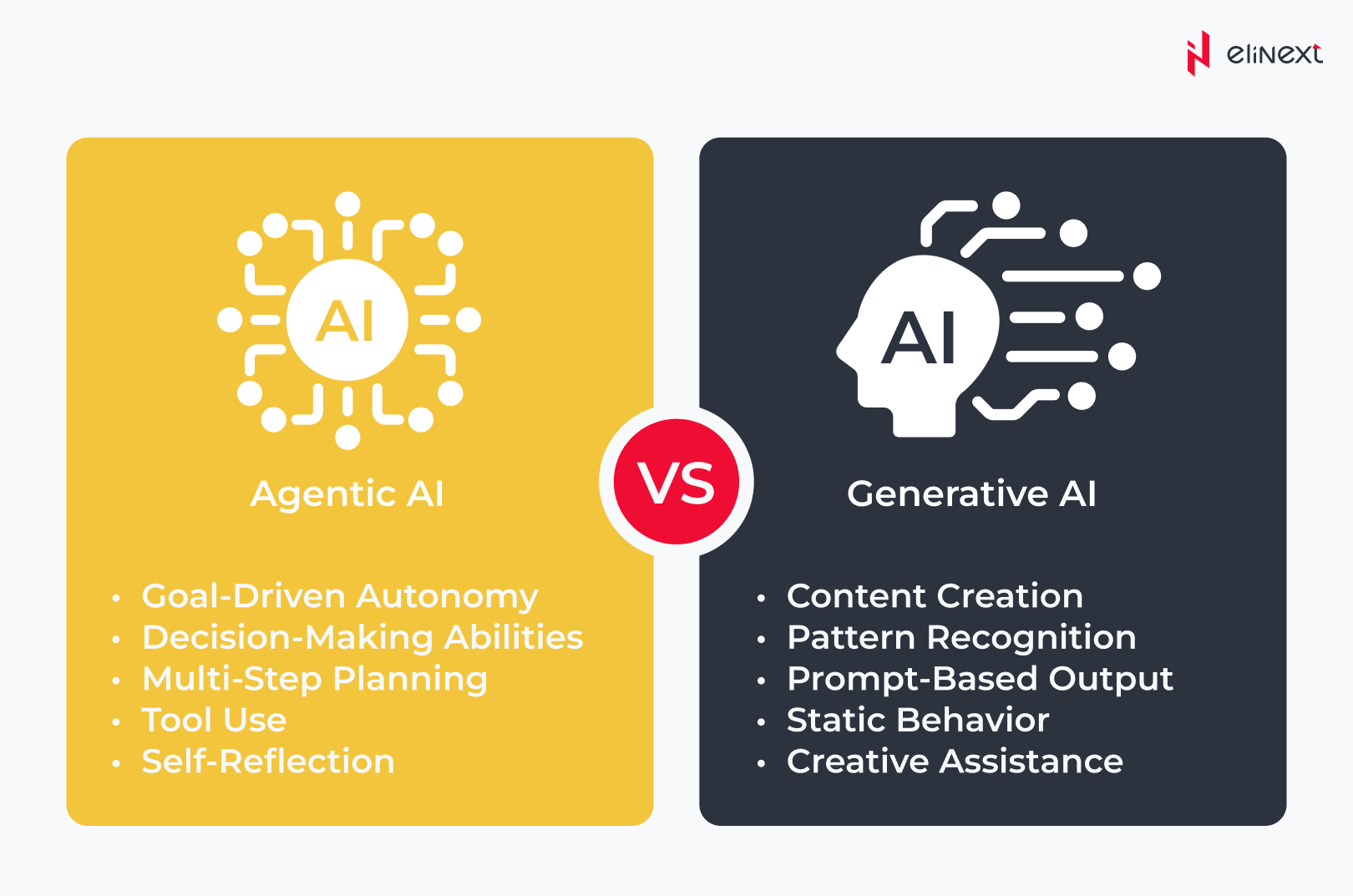
While both technologies rely on advanced models, their purpose and capabilities differ significantly. Generative systems produce outputs, while agentic systems act toward outcomes. Below are the key distinctions that define agentic AI vs generative AI roles in business environments.
Focus and Goals
Generative AI is designed to generate content from input prompts, emphasizing creativity and variation. In contrast, agentic AI is goal-driven, designed to achieve specific outcomes through continuous decision-making. This difference between agentic AI vs generative AI allows businesses to either scale content or automate complex operations effectively.
Core Function
The core function of generative AI is pattern recognition and content synthesis, which enables rapid creation of high-quality outputs. Agentic AI, on the other hand, combines reasoning, planning, and execution. This allows Agentic AI to manage tasks end-to-end, which makes it more suitable for dynamic, real-time environments.
Autonomy
Generative AI requires user prompts and guidance to function and operates reactively. Agentic AI demonstrates autonomy by initiating action; it adapts strategies and learns from outcomes. This independence reduces manual oversight and increases operational efficiency.
Workflow Automation
Generative AI enhances workflows by accelerating content-related tasks. Agentic AI goes further by orchestrating entire processes, from data analysis to execution. This leads to deeper automation and reduces reliance on human intervention in repetitive or complex tasks.
Decision Making
Generative AI does not make decisions; it generates options based on input. Agentic AI evaluates scenarios, selects optimal actions, and adjusts strategies over time. This capability enables businesses to respond more quickly and accurately to changing conditions.
Ready to integrate AI into your business workflows?
Explore tailored solutions designed to match your business goals.
Key Generative AI Use Cases
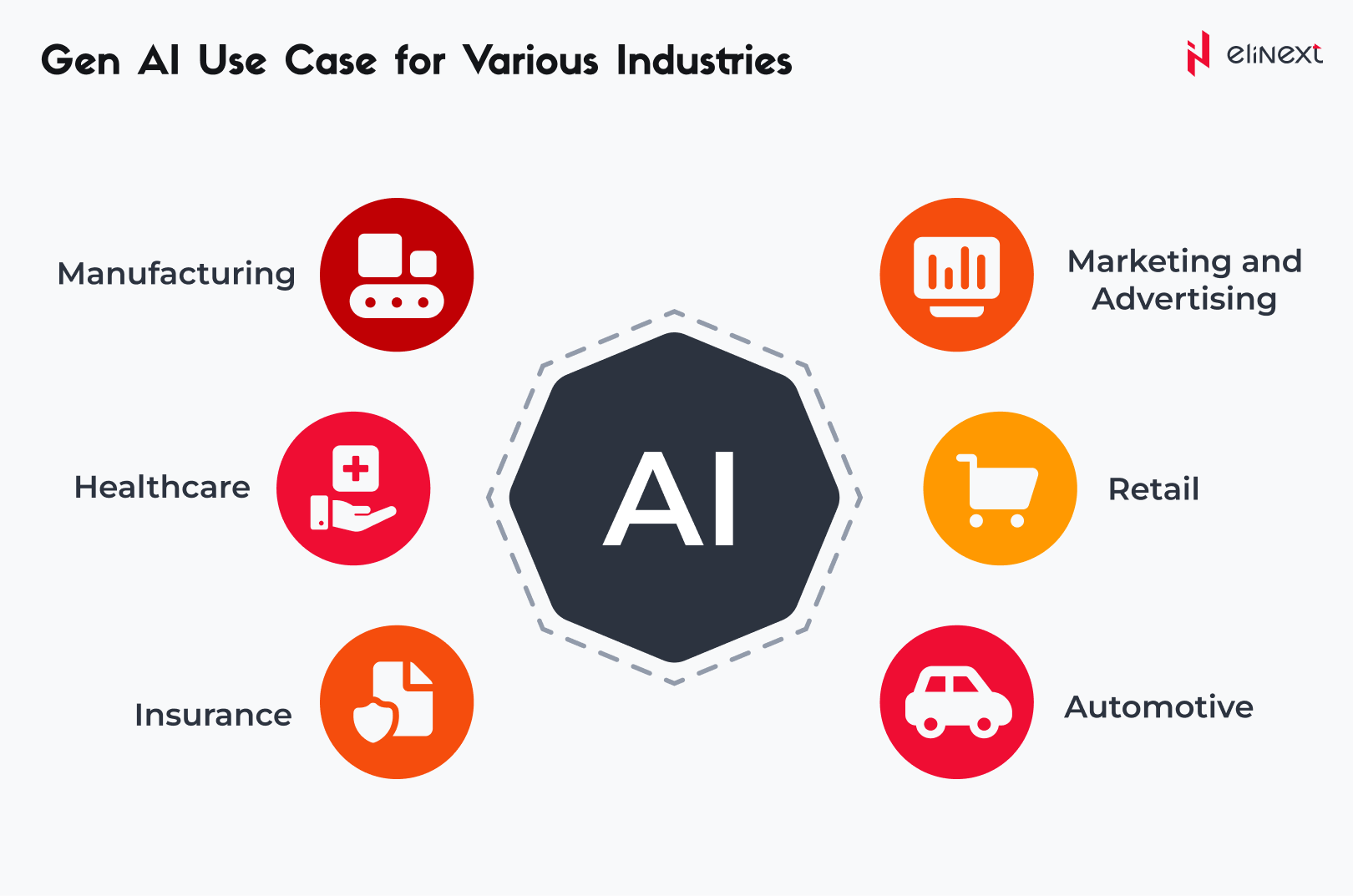
Generative AI is widely used across industries to streamline content creation, improve customer engagement, and accelerate innovation. Its ability to produce high-quality outputs quickly makes it a valuable tool for businesses looking to scale operations efficiently.
Content Creation for SEO
This use case involves generating blog posts, landing pages, and metadata optimized for search engines. It helps businesses maintain consistent publishing schedules while improving visibility. The result is increased organic traffic and a stronger online presence.
Marketing and Sales
Generative AI creates personalized campaigns, ad copy, and product descriptions. It enables faster experimentation and targeted messaging. Businesses benefit from improved conversion rates and more effective customer engagement strategies.
Product Design and Development
AI-generated prototypes, designs, and concepts accelerate innovation cycles. Teams can explore multiple ideas quickly and refine them based on feedback, which leads to faster time-to-market and more competitive products.
Customer Support Automation
Generative AI powers chatbots and automated responses that handle common customer inquiries. It reduces response times and improves user satisfaction. The outcome is lower support costs and scalable service operations.
Key Agentic AI Use Cases
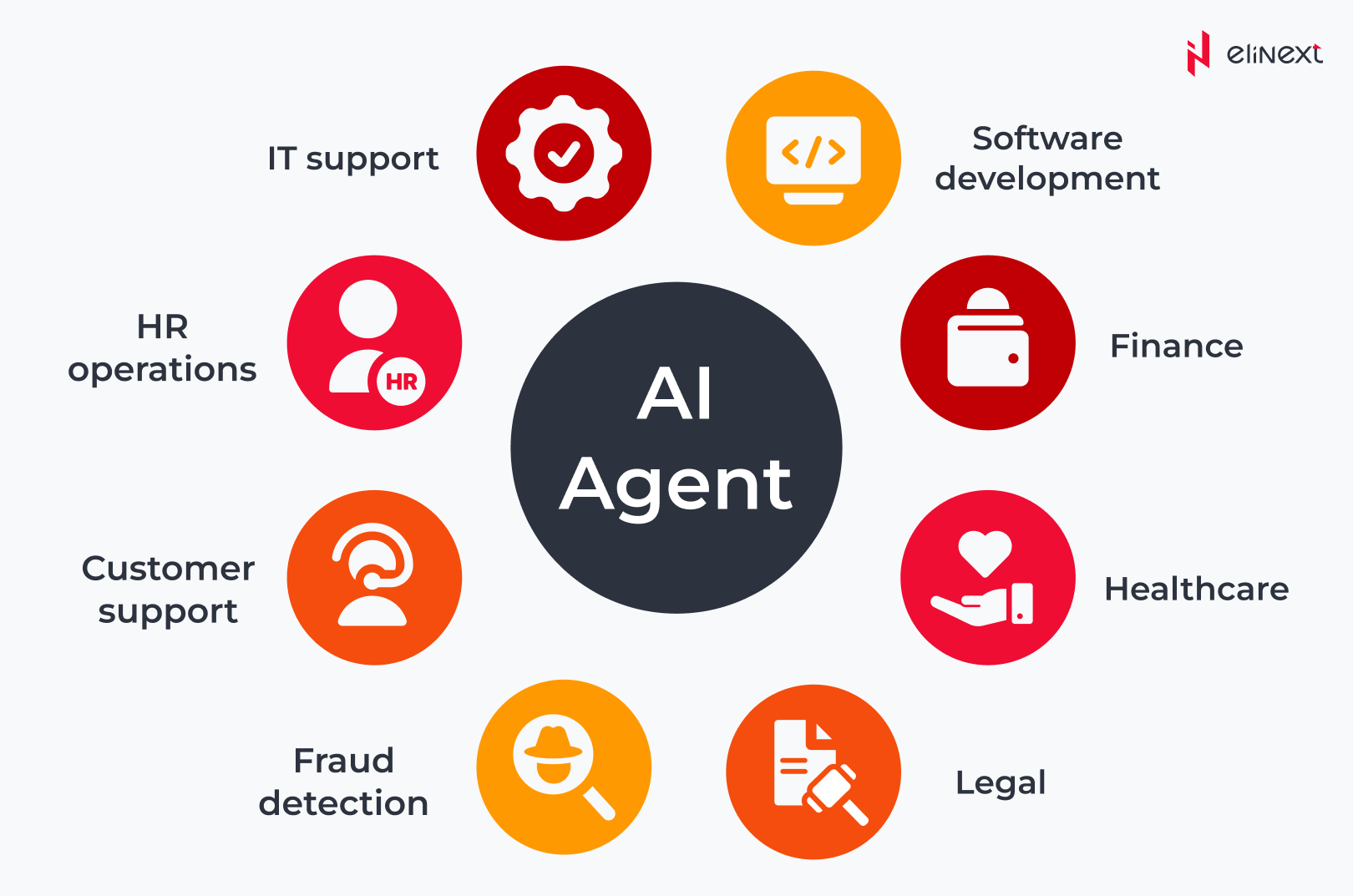
Agentic AI is transforming how businesses manage operations by enabling systems to act independently and optimize processes. It is particularly valuable in environments requiring continuous monitoring, adaptation, and decision-making.
Customer Service
Agentic AI systems can manage customer interactions, resolve issues, and escalate cases when needed. They learn from past interactions to improve performance. This results in faster resolutions and enhanced customer satisfaction.
Healthcare
In healthcare, agentic AI supports diagnostics, treatment planning, and patient monitoring. It analyzes complex data and recommends actions for improved accuracy and better patient outcomes.
Automated Workflow Management
Agentic AI coordinates tasks across departments, ensuring processes run smoothly. It identifies bottlenecks and adjusts workflows in real time. As a result, businesses can improve efficiency and reduce operational friction.
Financial Risk Management
These systems monitor transactions, detect anomalies, and assess risks proactively. They adapt to new patterns and threats, achieving stronger fraud prevention and more reliable financial decision-making.
“Many companies underestimate how difficult it is to move from simple AI tools to systems that actually act on their own. You have to align data and processes, which is rarely easy. In my experience, organizations that succeed are the ones that treat AI as part of a broader transformation, not just a feature. When done right, it leads to real business impact. That’s what Elinext has the most experience and expertise in.” ― Aliaksei Druzik, Principal AI Systems Architect
Explore Agentic And Generative AI Development Solutions by Elinext
Elinext provides end-to-end AI solutions that help businesses adopt both generative and agentic technologies. From strategy to implementation, the company delivers AI integration services that cover it all. Whether optimizing workflows with LLM development services or enhancing user experiences with generative AI development services, these solutions drive measurable business outcomes.
Looking to implement AI that truly delivers results?
Agentic AI and Generative AI Trends
Both generative and agentic AI continue to evolve, shaping how businesses innovate and operate. Emerging trends in agentic AI vs generative AI highlight a shift toward more intelligent, adaptive, and integrated systems that deliver greater value across industries.
Generative AI Trends
Gen AI Augmented Applications: Applications enhanced with generative AI offer dynamic content and smarter interactions. They improve user engagement and personalization. The result is more intuitive and responsive digital products.
Synthetic Data for Model Training: Synthetic data enables training models without relying on sensitive real-world datasets. It improves scalability and privacy compliance. Businesses gain more robust and ethical AI systems.
Deepfake Technology: Deepfake tools generate realistic media for entertainment and training purposes. While powerful, they require careful regulation. The outcome is innovative content creation with potential risks.
Content Personalization: Generative AI tailors content to individual preferences in real time. It enhances customer experiences and engagement. Businesses achieve higher retention and satisfaction rates.
Agentic AI
Financial Services Industry: Agentic AI automates trading, compliance, and risk analysis in finance. It adapts to market changes quickly. This leads to more accurate decisions and reduced operational risks.
Robotics: Agentic AI powers autonomous robots capable of performing complex tasks. It improves efficiency in manufacturing and logistics. The result is reduced costs and increased productivity.
City Planning: AI agents analyze urban data to optimize infrastructure and resource allocation. They support smarter decision-making. Cities benefit from improved sustainability and livability.
Human Resources: Agentic AI streamlines recruitment, onboarding, and performance management. It automates repetitive tasks and provides insights. Businesses gain more efficient and data-driven HR processes.
Discover solutions designed for long-term growth.
Conclusion
Agentic AI vs generative AI serve different but complementary roles in modern business environments, and the difference between generative AI and agentic AI is vital. While generative systems excel at creating content, agentic AI drives autonomous decision-making and process execution. Together, they enable organizations to innovate faster, operate more efficiently, and build smarter digital ecosystems that scale with demand. To learn more, explore Elinext’s AI software development services.
Agentic AI VS Generative AI: Terms Explained
Autonomy
Autonomy refers to an AI system’s ability to operate independently without constant human input. It enables systems to make decisions and act based on data and predefined goals.
Decision-making
Decision-making in AI involves evaluating data and selecting the best course of action. It is a core capability of agentic systems that requires adaptability and precision.
Goal-oriented behavior
This describes AI systems designed to achieve specific objectives. They continuously adjust their actions to meet defined targets efficiently.
Reinforcement Learning (RL)
RL is a training method where AI learns through rewards and penalties. It helps systems improve performance over time based on feedback.
Multi-agent systems
These systems consist of multiple AI agents working together to solve complex problems. They enable collaboration and distributed decision-making.
Policy optimization
Policy optimization focuses on improving the rules that guide AI behavior. It ensures better outcomes through continuous learning and adjustment.
Reward function
A reward function defines what success looks like for an AI system. It guides learning by assigning value to different actions.
Proactive behavior
Proactive AI anticipates needs and takes action before being prompted. It enhances efficiency and responsiveness in dynamic environments.
Adaptive learning
Adaptive learning allows AI systems to adjust based on new data. It ensures ongoing improvement and relevance.
Task execution
Task execution refers to the ability of AI to carry out specific actions or workflows. It is essential for automation and operational efficiency.
FAQ
What is agentic AI?
Agentic AI is a type of artificial intelligence that can act autonomously to achieve specific goals. It is used to automate workflows, make decisions, and adapt to changing conditions. Businesses apply it to improve efficiency and reduce manual effort.
What is generative AI?
Generative AI is a technology that creates new content such as text, images, or code. It is used to automate content production and enhance creativity. Businesses apply it to scale marketing, design, and communication efforts.
Can agentic AI generate content?
Agentic AI can generate content as part of broader tasks. It is used to combine content creation with decision-making and execution. Businesses apply it when workflows require both generation and autonomous action.
Can generative AI act autonomously?
Generative AI is not inherently autonomous and relies on user input. It is used to produce outputs based on prompts. Businesses apply it for content-related tasks rather than independent decision-making.
Will agentic AI replace generative AI?
Agentic AI will not replace generative AI but complement it. It is used to add autonomy and execution capabilities to AI systems. Businesses that apply both technologies together understand the difference between generative AI and agentic AI and achieve more advanced and efficient solutions.
