


















































































































































Most clinical trial delays aren’t caused by bad science. No, they’re caused by software that can’t talk to itself. A CTMS that doesn’t sync with the EDC, an eTMF sitting in its own silo, a safety feed nobody automated. Every handoff like that is where a coordinator re-types data by hand, a monitor waits on an email, or a query sits unanswered for a week. Multiply that across a hundred sites and the real cost center isn’t recruitment or dosing; it’s the plumbing between systems.
This piece covers what teams actually automate clinical trial workflows around today, what still needs a human signature and a regulatory eye, and what it takes to commission clinical trial software development properly, from scoping through validation.
What Is Involved in Clinical Trial Software Development?
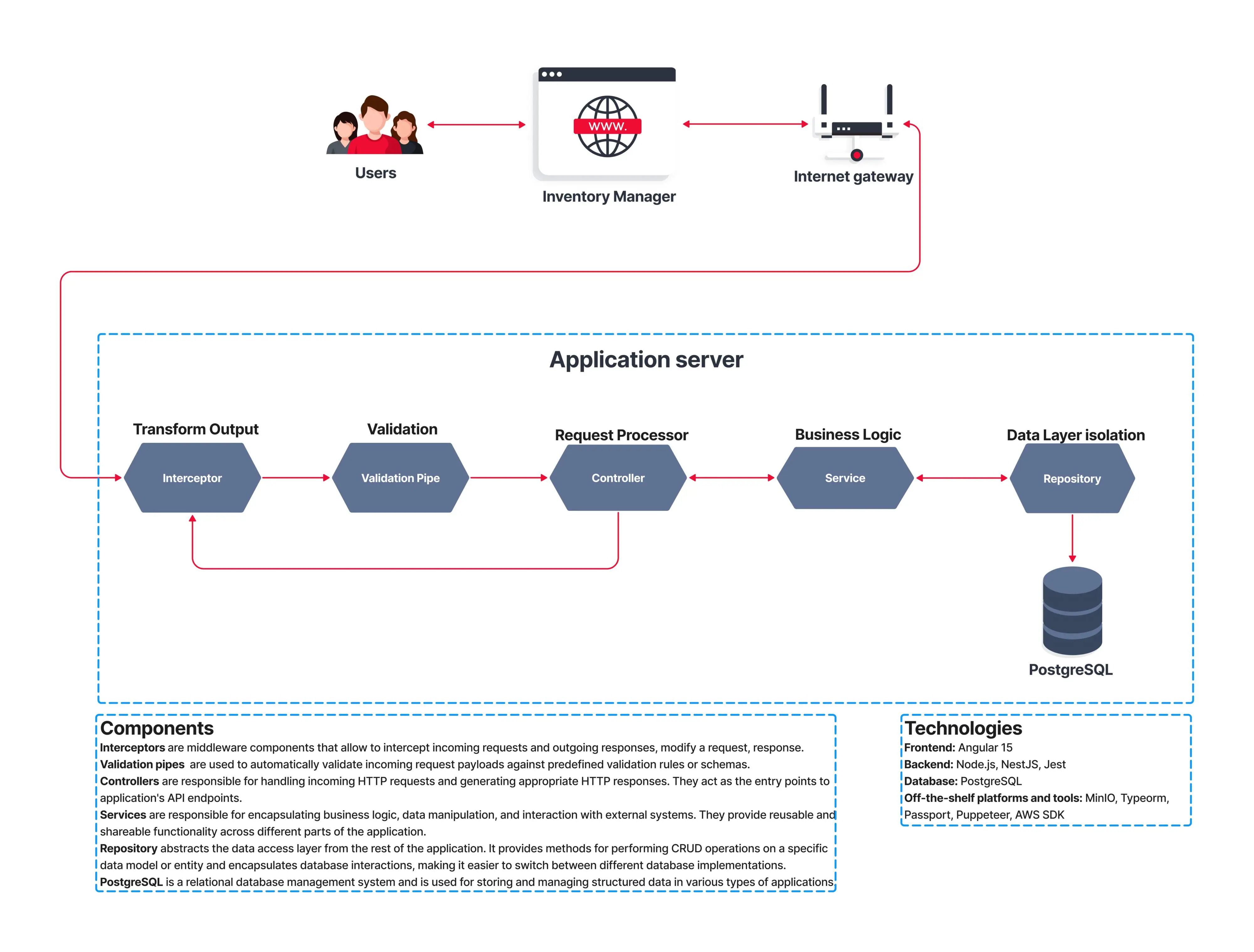
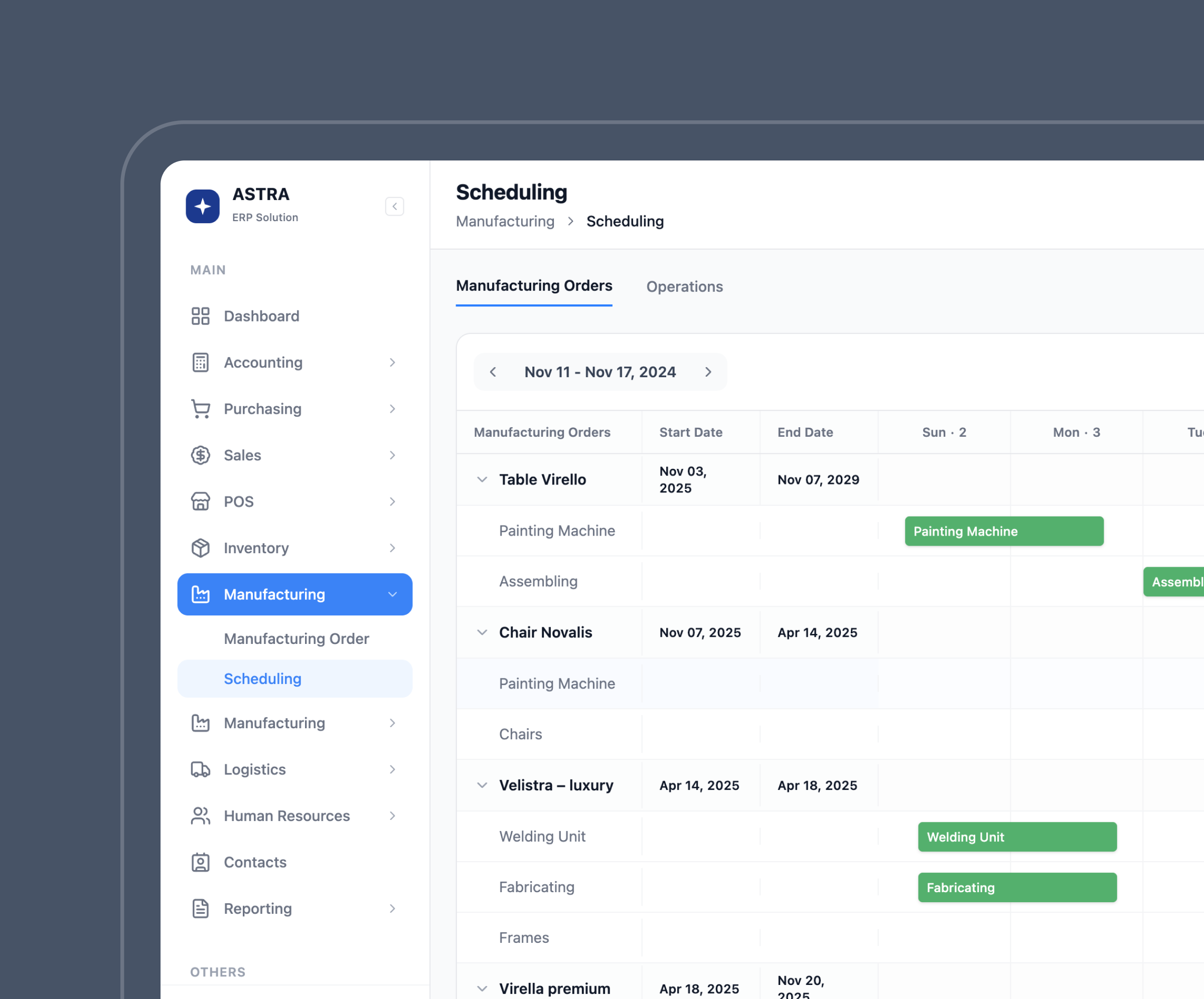
This isn’t one deliverable. It’s a set of connected modules: CTMS for study and site management, electronic data capture (EDC) software for patient data, eTMF for document control, randomization systems, and safety feeds. Each module carries its own regulatory footprint (21 CFR Part 11, GCP, HIPAA or GDPR depending on geography), and the real engineering work sits in the integration layer: the APIs and audit trails that let systems exchange data without breaking traceability. A team offering clinical trial software development services typically covers the full stack, usually starting with a scoping call before a single API gets touched.
Choose healthcare software development services from Elinext.

Clinical Trial Workflow Automation: Which Processes Can Actually Be Automated?
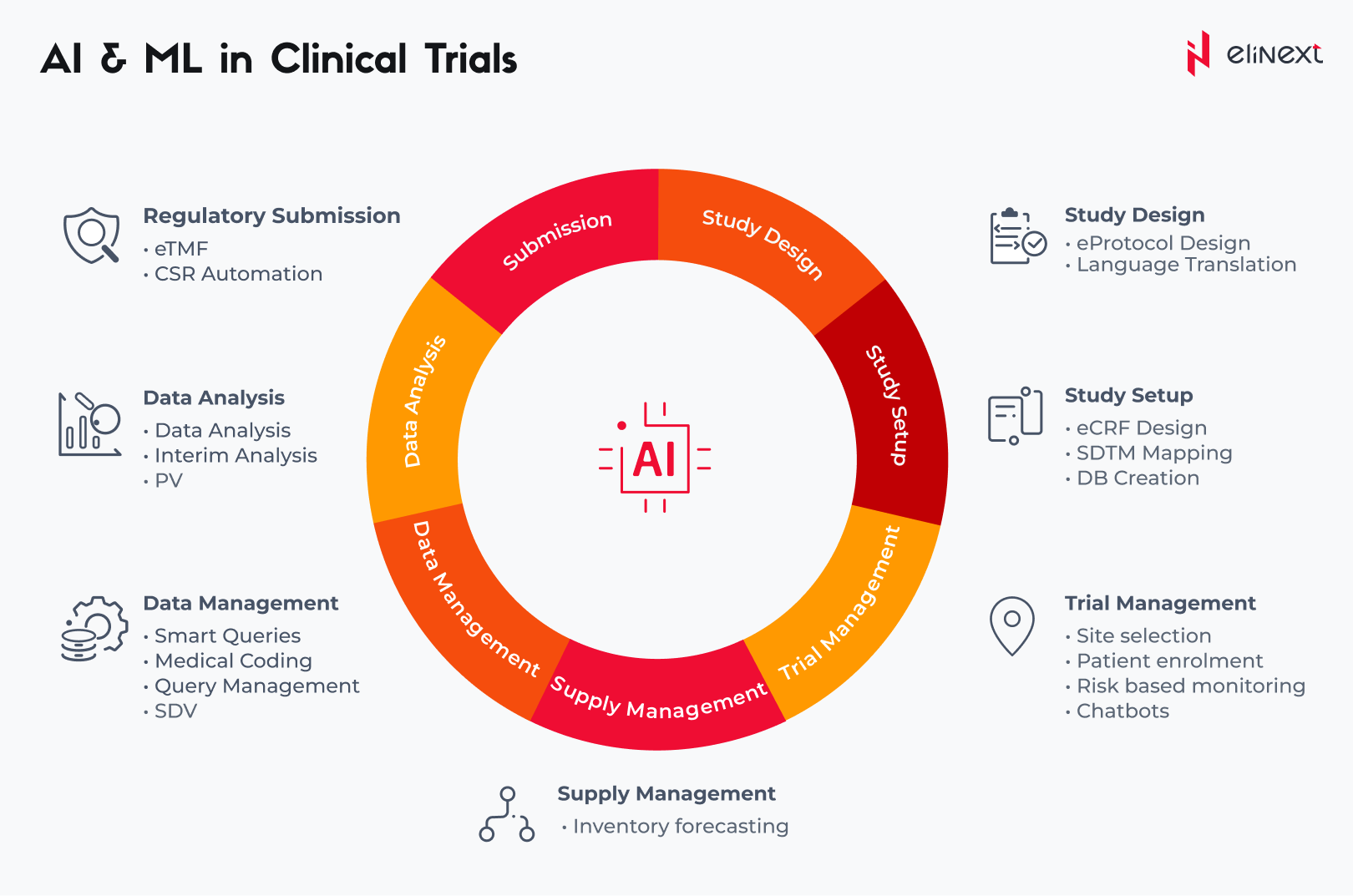
Not every trial task is a candidate for automation, and pretending otherwise creates compliance risk down the line. Here’s where teams realistically automate clinical trial workflows today, and where software is only assisting a decision instead of replacing one.
Patient Recruitment Automation & Eligibility Screening
This kind of automation matches protocol criteria against EHR data, registries, and referral networks to flag likely candidates before a coordinator manually screens a chart. Natural-language processing reads unstructured clinical notes for inclusion and exclusion criteria, cutting screening time. A coordinator still confirms eligibility and consent, and the software only narrows the pool it has to review by hand. A bit similar to patient portal software development services.
Regulatory Documentation & eTMF Automation
eTMF automation auto-files incoming documents into the correct zone and folder by document type. Then it flags missing or expiring artifacts against the DIA reference model, and tracks completeness in real time instead of at an audit. It won’t decide whether a document is fit for submission (that judgment stays with regulatory staff), but it clears the filing backlog behind most TMF audit findings.
Data Collection & Query Resolution
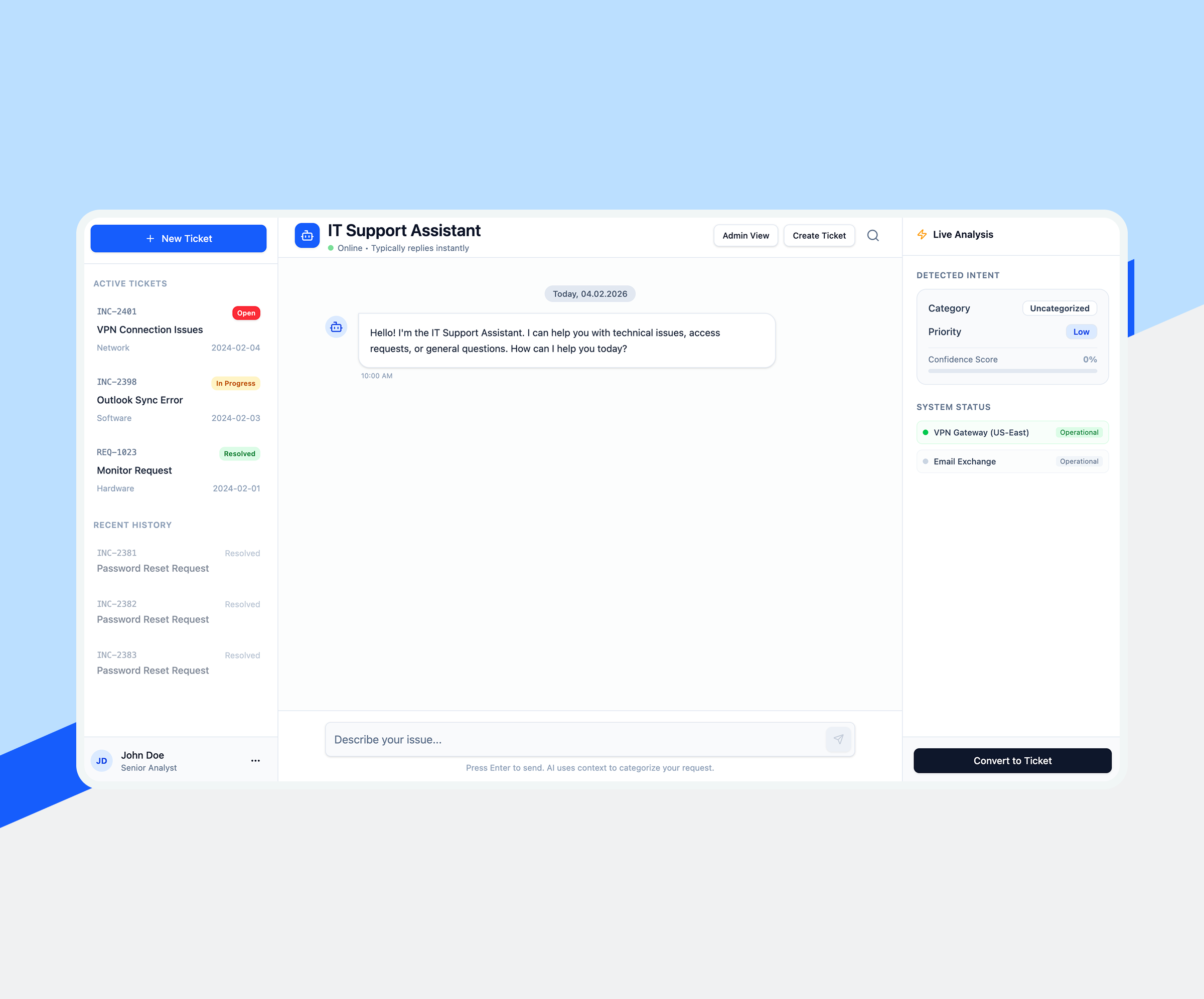
Modern electronic data capture (EDC) software runs edit checks at the point of entry, catching range errors and protocol deviations before a query even generates. Auto-generated queries route to the right site contact, and resolution status feeds the monitoring dashboard automatically. Monitors still review flagged discrepancies and clinical significance themselves, by hand, before anything closes out.
Risk-Based Monitoring Software for Remote Oversight
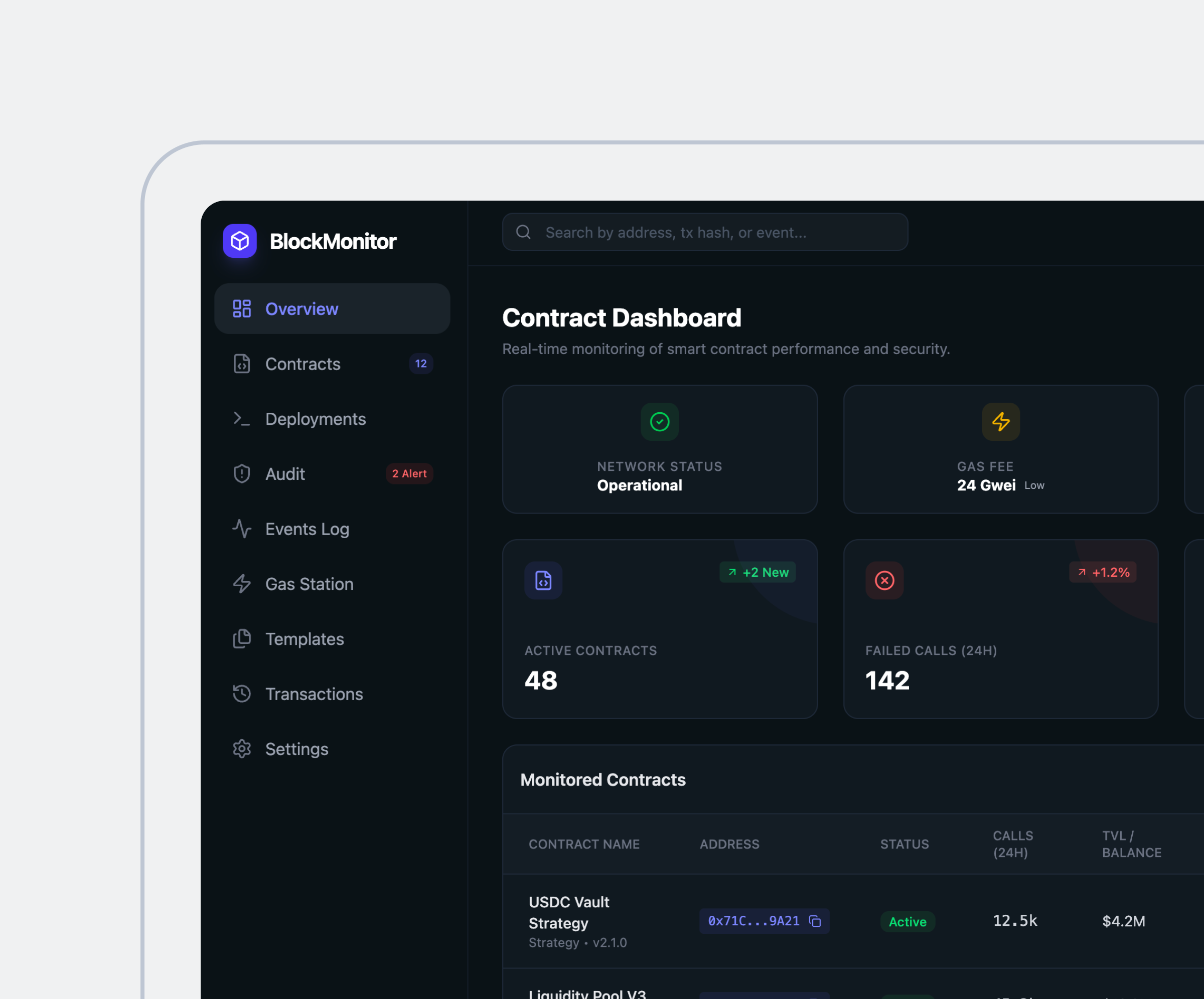
This kind of monitoring pulls data quality, enrollment, and safety signals from every site into one view, scoring each site so monitors know where to spend limited travel and review time instead of visiting every site on a fixed schedule. It reduces on-site visit frequency, not the monitoring plan, and a clinical lead still sets the thresholds and signs off on the model.
Adverse Event Detection & Safety Reporting
Automated rules scan incoming EDC and patient-reported data for AE and SAE patterns plus MedDRA-coded terms, drafting the initial report and starting the regulatory reporting clock the moment a threshold is hit. What the software can’t do is make the causality assessment or the expedited reporting decision itself; that’s a medical monitor’s call, every single time, without exception.
The Clinical Trial Software Development Process: Step by Step
Building this kind of system isn’t a standard web app project – validation, traceability, and regulatory sign-off shape nearly every decision along the way. Here’s what the clinical trial software development process usually looks like once scope and budget are agreed on.
-
Requirements & Regulatory Scoping
This phase maps user roles, data flows, and which regulations apply ( 21 CFR Part 11, ICH E6(R2) GCP, HIPAA, GDPR), or some mix, depending on trial geography and sponsor. Teams document intended use, risk classification, and integration points with existing CTMS, EDC, or lab systems now, since retrofitting compliance after development starts is what blows budgets and timelines later.
-
Architecture & System Integration Planning
Here the team settles on API structure, data models, and how the new system exchanges information with existing eTMF, EDC, or safety databases without duplicate manual entry anywhere in the flow. Audit trail design, role-based access, and encryption standards get specified at this stage too, since adding them later costs far more than building them in from the first architecture diagram.
-
Development & Computer System Validation
Code gets written in sprints, but nothing ships without computer system validation clinical trials teams can defend to an auditor: IQ/OQ/PQ testing, documented traceability from requirement to test case, and evidence the system performs consistently under real conditions. This is what most separates trial software from a typical SaaS build: validation runs alongside development from day one, not after it.
-
Deployment & Change Management
Rollout includes site-level training, SOP updates, and a defined path for any future config or code change to go through re-validation before it reaches production again. Change control documentation matters as much as the software itself here. An unlogged tweak to a validated system is a finding waiting to happen at the next regulatory inspection.
With Elinext, build clinical & workforce management solutions and care delivery management solutions that actually work.
Where Automation Still Needs Human and Regulatory Oversight
It’s worth being blunt about the limits here, since overselling automation in a regulated environment causes real problems down the line. Informed consent conversations, causality assessments for adverse events, protocol deviation calls, and final data lock sign-off all require a named, accountable person.
Regulators expect a documented, auditable trail showing a qualified human reviewed each of these steps, and FDA and EMA guidance on AI in trials consistently treats algorithmic output as decision support, not a substitute for that review. Any vendor promising to fully automate clinical trial workflows without describing where the human checkpoints sit in that process is describing something that won’t survive an inspection.

The hard part usually isn’t the automation logic. It’s that a trial’s data lives across four or five systems that were never built to talk to each other. We spend most of the integration budget on the API and audit-trail layer, not the interface. Clients notice it first in query turnaround time: weeks drop to days once the systems actually talk to each other.

Key Takeaways
- Automation works best on data-heavy, rules-based tasks. Screening matches, eTMF filing, EDC edit checks, and AE flagging all follow protocol logic that software can apply consistently across every site, freeing staff for the calls that actually need a trained person’s judgment.
- Human sign-off stays mandatory at key decision points regardless of how mature the tooling gets. Consent, causality, deviation review, and data lock all require a named, accountable person and a documented audit trail – no vendor can automate that regulatory requirement away.
- Integration is the real engineering challenge. Most delays trace back to CTMS, EDC, and eTMF systems that can’t exchange data cleanly; that’s exactly where clinical trial software development services should put the budget and the review time.
- Validation runs parallel to development, not after it, and treating it as a final QA pass is a common mistake. IQ/OQ/PQ testing and traceability documentation need to start with the first sprint, or the project stalls later waiting on evidence nobody collected.
- Vendor selection should hinge on regulatory track record. A clinical trial software development company that’s shipped 21 CFR Part 11 systems before will scope realistic timelines; one that hasn’t will underestimate validation every time.
Conclusion
You may think clinical trial workflow automation is removing people from the process. Of course, not; it’s about routing routine, rules-based work to software so staff spend their time on the judgment calls that actually need one. The trials that get this right treat automation and validation as a single project, not two, and pick a partner built for the regulatory reality from the first requirements meeting, not one retrofitting compliance later. If you’re deciding where to start, eTMF filing and EDC edit checks are the safest first moves: high volume, well-defined rules, and a fast, visible payoff before anything closer to an actual clinical decision. That sequencing, more than any single feature, is what good clinical trial software development services are supposed to get right.
FAQ
-
It applies protocol rules to incoming data (screening matches, EDC edit checks, eTMF filing, AE flagging), so software handles the repetitive logic while staff review exceptions and make the calls that need clinical or regulatory judgment.
-
Most teams start with eTMF filing and EDC edit checks (high-volume, rules-based tasks with a fast payoff), before moving into automated eligibility screening or risk-based monitoring, which need more configuration and closer oversight.
-
Requirements and regulatory scoping, architecture and integration design, build and computer system validation, then deployment with site training and change-control documentation, usually spanning CTMS, EDC, and eTMF modules together.
-
Evidence they’ve shipped 21 CFR Part 11 and GCP-compliant systems before, a validation methodology they can show you, and real integration experience with the CTMS, EDC, and eTMF stack you already run.
-
It varies by scope. Single module integration can take a few months, while a full CTMS, EDC, and eTMF platform build with validation typically runs nine to eighteen months, largely driven by validation and documentation timelines.
-
No. AI can flag patterns and prioritize review, but causality assessments, protocol deviation decisions, and data lock sign-off require a named, accountable person under GCP, and regulators expect that decision trail documented in full.
-
Off-the-shelf CTMS platforms suit standard trials with common, well-established workflows; custom development makes sense when you need specific integrations, unusual protocol logic, or long-term ownership of the system across multiple studies and sites.