





































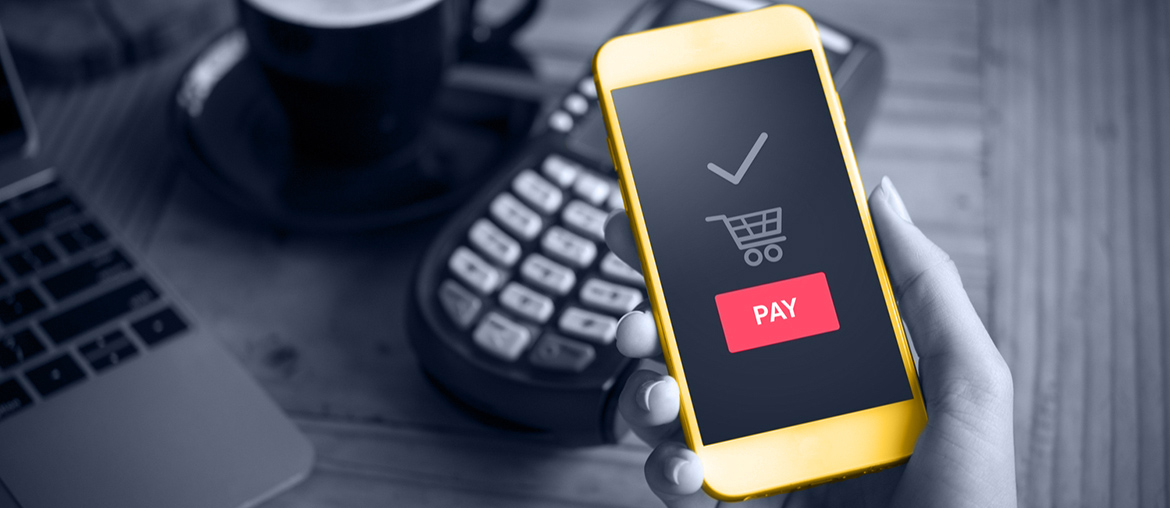



























































































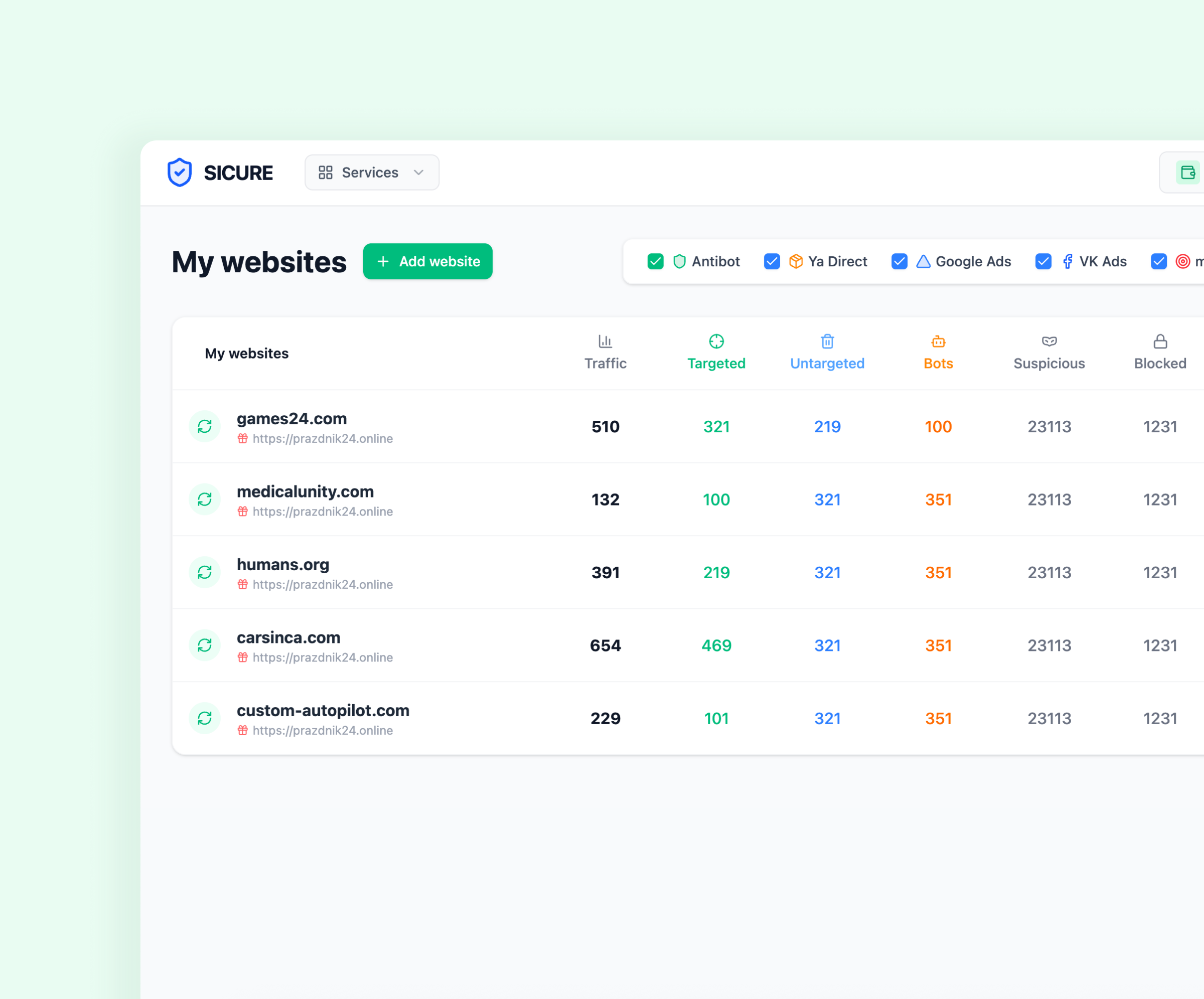
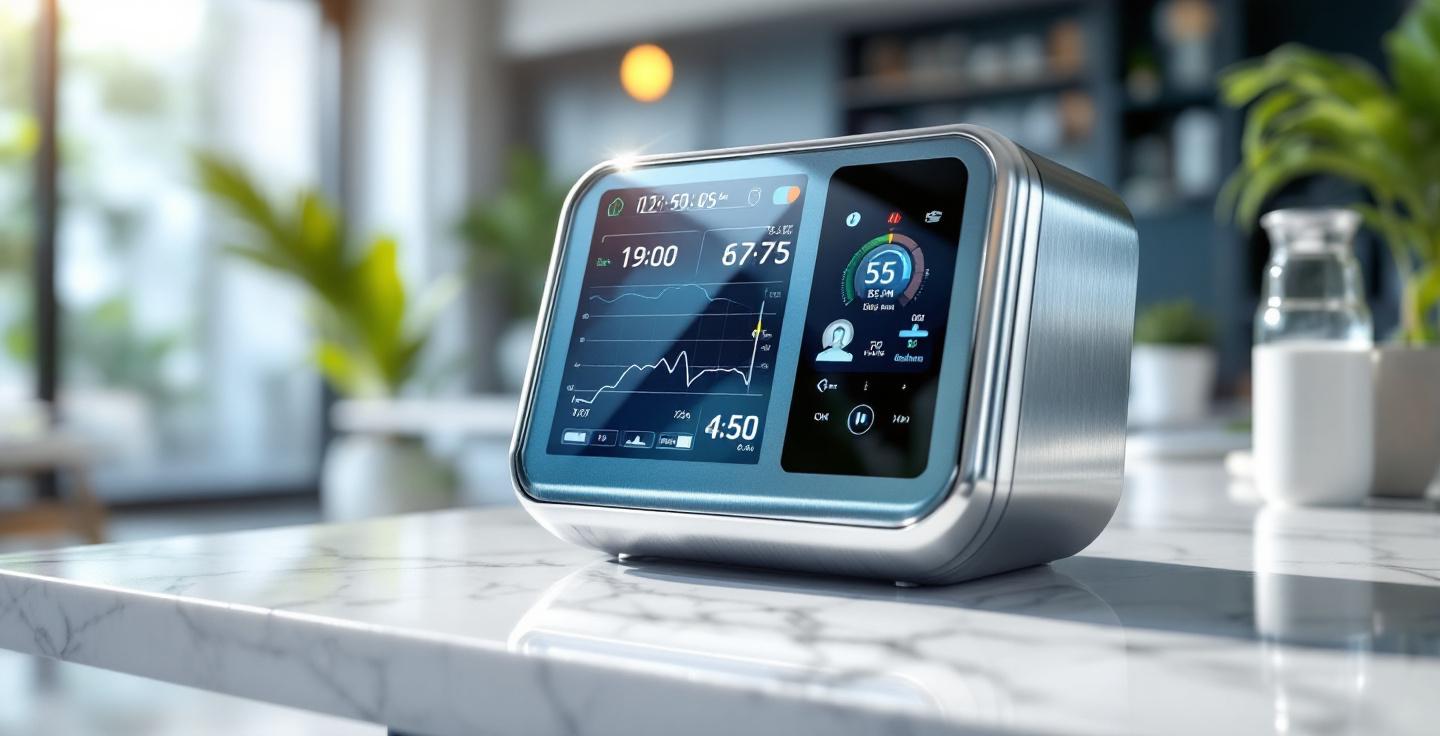
Digital diabetes management software connects regulated devices, patient apps, billing workflows, and clinical dashboards and not general wellness tools. With medical device software development services, teams integrate CGMs, pumps, smart pens, RPM feeds, alerts, and documentation. Diabetes management app development helps clinics build compliant device connections, AI risk prompts, and payer-ready data flows. CGM readings trigger a nurse alert, log RPM time, and sync billing evidence.
The World Health Organization is clear about it: diabetes has turned into a global pandemic, with over 420 million people worldwide suffering from type 1 or type 2 diabetes. To get a clearer view of the magnitude of this health problem, we can try to condense data and imagine that the whole population of the U.S. (i.e. 332,915,073 inhabitants) plus Mexico (i.e. 130,262,216 inhabitants) suffer from diabetes. According to The American Journal of Managed Care, in the U.S. alone, a new patient is diagnosed with diabetes every 17 seconds!
Diabetes is a pressing global health problem. That’s a proven fact. But are health organizations ready to address it? Can technology, especially custom HealthTech solutions, help?
What Is Digital Diabetes Management Software?
Diabetes management software is a connected care system for glucose data, insulin use, patient behavior, and provider monitoring. It may include continuous glucose monitoring, pumps, tracking apps, AI coaching, and RPM dashboards. Diabetes management app development turns these tools into one workflow. A CGM sends trends to an app, AI flags nighttime lows, and a clinician reviews the patient remotely.
Explore automated insulin delivery integration, AI alerts, RPM data pipelines, and compliance support.

What is digital diabetes management software?
Diabetes keeps growing because aging, urban lifestyles, obesity, late diagnosis, and unequal access make prevention and daily control harder. Diabetes management app development supports earlier intervention with CGM feeds, coaching, reminders, and RPM dashboards, while digital diabetes management helps clinicians see risk before complications escalate. An app flags rising fasting glucose and sends education before therapy fails. IDF Diabetes Atlas reports 589M adults with diabetes and projects 853M by 2050.
Health Complications
Diabetes management app development and diabetes management software matter because poor control leads to severe complications: retinopathy, kidney failure, and amputation. CGM trends plus foot-check reminders can trigger earlier clinician review. ADA Burden of Diabetes fact sheet reports over 25% of adults with diabetes have retinopathy, diabetes causes 44% of new kidney failure cases, and about 73,000 amputations occur yearly.
Quality of Life and Psychological Burden
Diabetes management app development supported by healthcare software development services can address mental health, anxiety, depression, and diabetes distress through reminders, CGM views, coaching, and provider messages. Continuous monitoring helps patients see patterns instead of guessing after symptoms appear. Alerts explain nighttime lows and suggest when to contact care teams. IDF Diabetes Atlas highlights diabetes’ global burden and the need for person-centered care.
Market Trends in Digital Diabetes Care
Diabetes management app development is driven by connected CGMs, insulin tools, AI coaching, and RPM demand. Modern diabetes management software must support real-time data, interoperability, and compliance. MarketsAndMarkets forecasts the global market growing from $18.9B in 2023 to $35.8B by 2028 at a 13.6% CAGR.
Advantages
Continuous glucose monitoring enables seamless data capture and self-education by showing glucose trends in real time, not only at fingerstick moments. Patients learn how food, sleep, stress, and exercise affect levels. After breakfast spikes appear on the CGM graph, the app suggests meal changes and prompts a provider review if patterns repeat.
Disadvantages
Automated insulin delivery can improve control, but cost, digital literacy, training time, and adoption gaps remain barriers. Some patients never start, while others stop early because alerts, supplies, or setup feel overwhelming. A family abandons a hybrid closed-loop workflow after sensor failures. Published studies report under 25% initiation and up to 30% abandonment within 6 months.
Core Categories of Diabetes Management Technology
Continuous Glucose Monitors (CGM)
Continuous glucose monitoring now centers on Dexcom G7, FreeStyle Libre 3 Plus, and Medtronic Simplera Sync, plus OTC options such as Dexcom Stelo and Abbott Lingo. A patient uses a sensor for daily trend alerts while clinicians review patterns remotely. Truly non-invasive CGM without skin puncture is still not on the market; no smartwatch or smartband has FDA clearance for glucose measurement.
Automated Insulin Delivery (AID) / Closed-Loop Systems
Diabetes management app development for AID must support current systems such as Tandem Control-IQ+/Mobi, MiniMed 780G, Omnipod 5, Beta Bionics iLet, and Sequel Twiist. Mobi is phone-controlled, while 780G can pair with Simplera Sync. Adoption still needs honesty: studies report under 25% hybrid closed-loop initiation and up to 30% failure or abandonment within 6 months.
Diabetes Management and Tracking Apps
Continuous glucose monitoring works best when tracking apps turn raw readings into habits and care decisions. Current diabetes apps include mySugr, Glooko, Livongo/Teladoc, and One Drop. A CGM trend syncs to Glooko, the patient adds meals and insulin, and the provider reviews patterns before the next visit instead of relying on paper logs.
AI-Driven Glucose Prediction and Coaching
AI-driven glucose prediction uses models to forecast highs, lows, and behavior risks before they happen. Roche Accu-Chek SmartGuide Predict uses ML models for 30-minute and 2-hour forecasts; Dexcom Stelo adds generative insights, while Low Glucose Predict can use XGBoost-style modeling to warn patients earlier and guide safer daily choices.
GLP-1 and Medication Adherence Tracking
Diabetes management software now also supports GLP-1 and medication adherence, not only glucose logs. A patient using LillyDirect or the Lilly Health app on the Welldoc platform tracks dose timing, side effects, weight, and glucose trends. Third-party tools such as Shotsy, Glapp, and MyTherapy can also help patients manage injections and reminders.
Connect devices, AI alerts, billing workflows, and compliance controls in one reliable foundation.
Reimbursement and Regulatory Considerations
Automated insulin delivery projects must consider RPM/RTM billing and FDA SaMD/DTx rules from the start. Reimbursement affects how data is captured, stored, and documented, while regulation affects claims, safety logic, and validation. An AID-connected app logs CGM data for RPM billing, but any dosing recommendation may trigger FDA SaMD review.
FDA Regulatory Pathway for Diabetes Digital Therapeutics
Diabetes management app development for RPM should support CMS documentation for codes such as CPT 99453 for setup, CPT 99454 for device data supply, and CPT 99457 for care management time. CGM data flows into a dashboard, and staff time is logged for review. Codes should be verified on CMS.gov before publication.
What’s Still Missing in Diabetes Software
mHealth app development services still need to solve accessibility, data security, clinical validation, and real-world performance. Many diabetes tools are hard for older users, weak on interoperability, or unclear on HIPAA-grade safeguards. A CGM app may collect data well but fail if it cannot sync safely with EHRs or prove outcomes in clinical use.
Explore automated insulin delivery, RPM integration, FDA-ready workflows, and billing logic.
Build vs. Buy: Cost and Platform Landscape
A telemedicine app development company helps decide build vs. buy for diabetes platforms. Custom development may cost about $40K–$150K+ for general apps and up to $200K–$600K for enterprise-grade systems, depending on integrations, security, AI, RPM, and EHR scope. Ready-made platforms such as Glooko, Livongo, Omada, Virta, One Drop, and mySugr can reduce launch time. A clinic may buy Glooko integration first, then build custom RPM analytics later. If you’re weighing a custom-built diabetes platform against an off-the-shelf integration, start with data, compliance, and reimbursement goals.

Choosing between a ready-made platform and custom software is difficult because diabetes workflows depend on devices, reimbursement, EHR data, and patient behavior. A smart insulin pen may solve data capture, but not care coordination. Elinext helps connect devices, validate logic, and design compliant workflows so businesses reduce integration risk and support safer clinical decisions.

Key Takeaways
- Digital diabetes software is no longer just a logbook; it connects CGMs, pumps, smart pens, apps, and RPM dashboards.
- AI coaching is useful only when alerts are clinically validated, explainable, and safe for patients.
- Compliance shapes the product from day one because device data, SaMD, HIPAA, and billing rules affect architecture.
- Build-vs-buy decisions depend on cost, integrations, customization, and long-term ownership.
- The strongest platforms combine device connectivity, provider workflows, reimbursement readiness, and patient-centered design.
Conclusion
Diabetes management app development is becoming a strategic healthcare priority because diabetes care now depends on devices, AI, RPM, and EHR-connected workflows. An EHR software development company can help turn CGM, pump, medication, and visit data into safer care decisions. A provider sees glucose trends in the EHR and adjusts therapy before complications grow. IDF Diabetes Atlas reports 589M adults with diabetes and projects 853M by 2050.
FAQ
-
The cost of developing a diabetes app is the budget required to design, build, test, integrate, and support a diabetes care product. It is used to plan features such as glucose logs, CGM synchronization, medication reminders, patient dashboards, and integration with electronic medical records. Companies use it to select a minimum viable product (MVP) or enterprise scale. A simple tracker can cost much less than a HIPAA-compliant CGM/RPM platform with AI-powered alerts.
-
Diabetes management app features are tools that help patients and doctors track, interpret, and use diabetes data. They are used for glucose monitoring, CGM integration, insulin and medication reminders, nutrition tracking, AI-powered alerts, patient dashboards, reports, and secure messaging. Companies use them to improve treatment adherence and clinical transparency. A CGM alert triggers a nurse follow-up.
-
Diabetes management apps are digital tools that help better monitor glucose levels, change behavior, and manage patient outcomes. They are used to monitor patterns, provide patient reminders, and make timely treatment adjustments. Companies use them to increase engagement and improve treatment outcomes. CGM data combined with coaching can help reduce the frequency of recurrent glucose elevations and improve HbA1c levels when combined with clinical care.
-
CGM or pump integration is the process of connecting device data to a diabetes app via approved APIs, cloud platforms, Bluetooth, or vendor data services. It is used to import glucose and insulin data, alerts, and trends. Companies use it to create patient monitoring workflows and support decision making. A CGM sends readings to an app, which then reports to a physician’s dashboard.
-
HIPAA-compliant diabetes management software is software that protects patient health information by ensuring privacy, security, access control, audit trails, and secure data sharing. It is used when apps store or transmit glucose, insulin, medication, or patient care data in the United States. Enterprises use it to reduce legal and security risks. CGM data is encrypted and shared only with authorized physicians.
-
Reimbursement for remote health monitoring is payment for the remote collection and clinical analysis of patient health data. It is used when healthcare providers track diabetes data, such as CGM trends, vital signs, or medication adherence, outside of visits. Businesses use it to support treatment programs and revenue-generating workflows. CPT code 99453 may cover setup time, CPT 99454 device data, and CPT 99457 treatment management time; check current regulations on CMS.gov.
-
The FDA regulatory pathway for a digital diabetes therapeutic is the review process used when software claims to treat, diagnose, or support therapy. It is used to classify SaMD/DTx risk, often class II, and may trigger a 510(k) process if a precedent exists. Companies use it for validation and market entry planning. AI-assisted insulin guidance requires more rigorous validation than a simple glucose diary.
-
Integration with Apple Health or Google Health Connect is a way for diabetes apps to share authorized patient health data with mobile health ecosystems.