













































































































































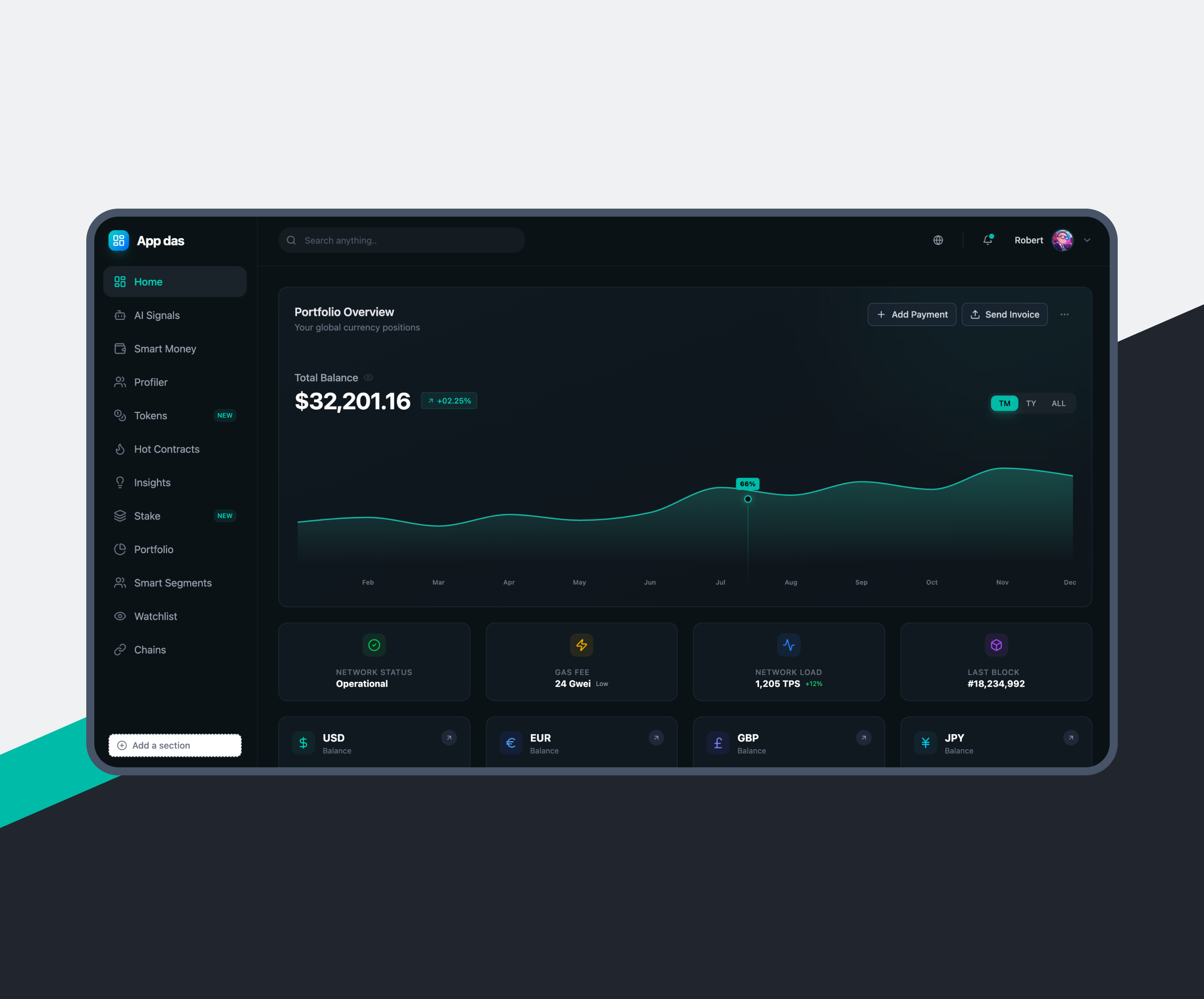
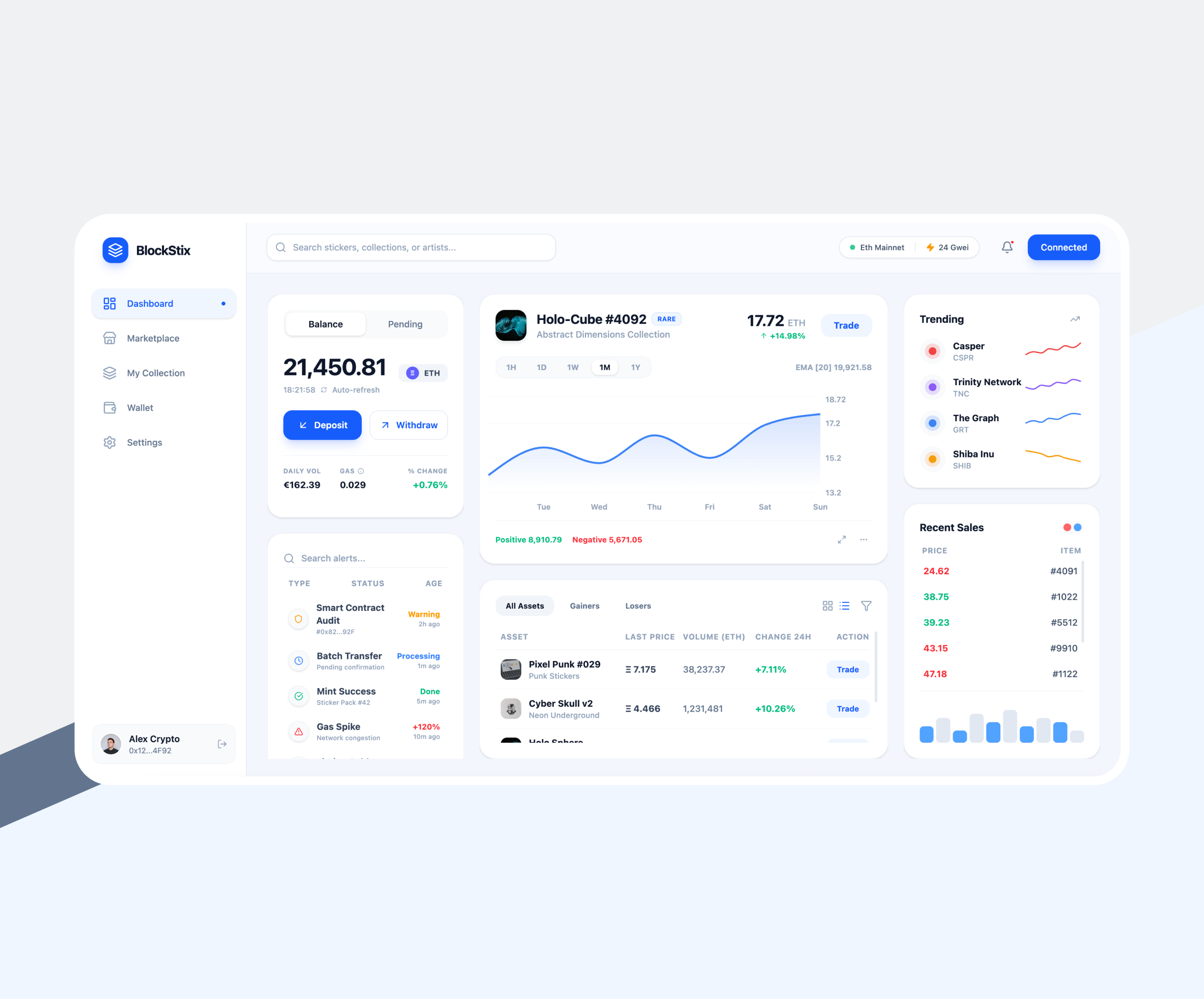
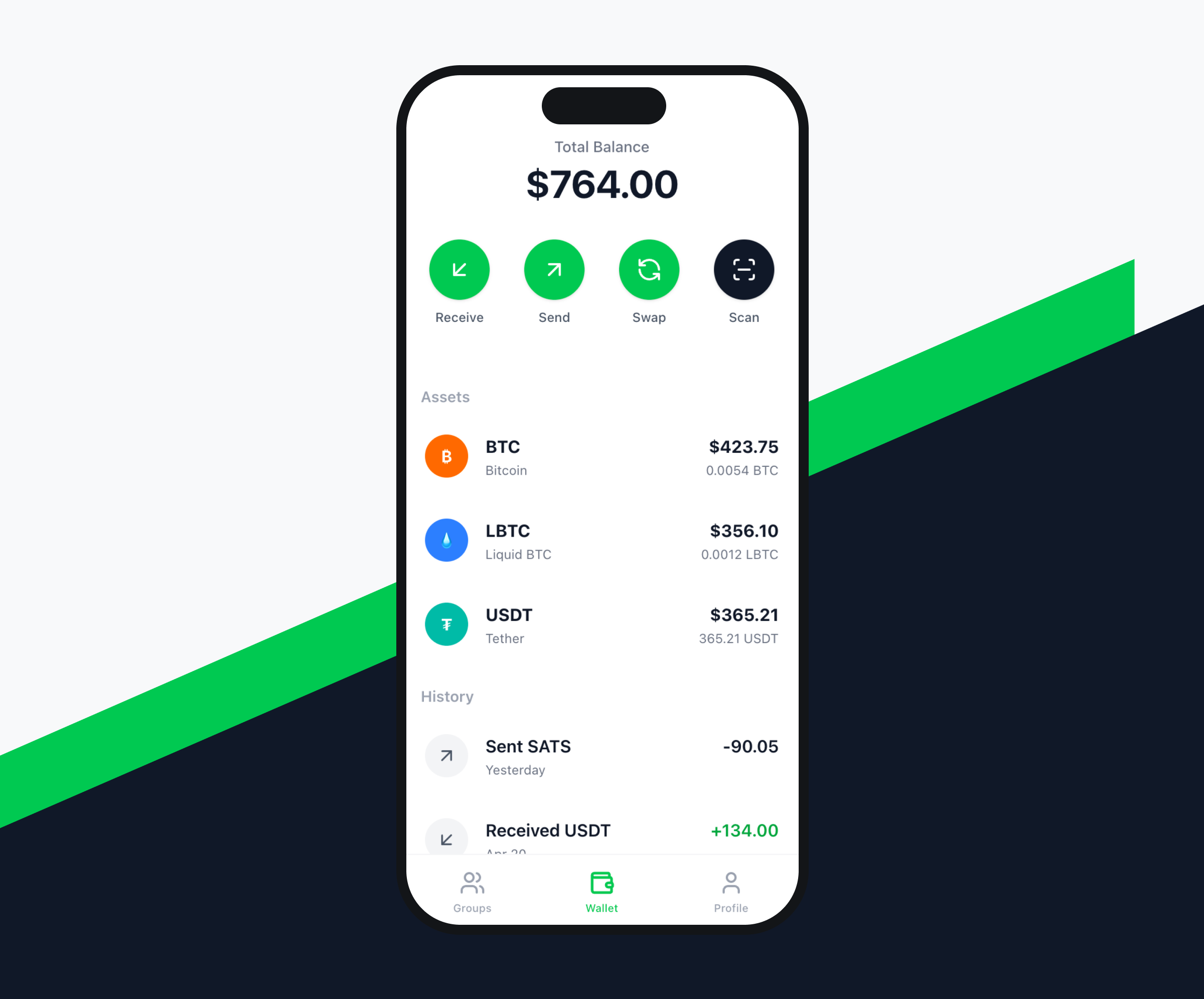
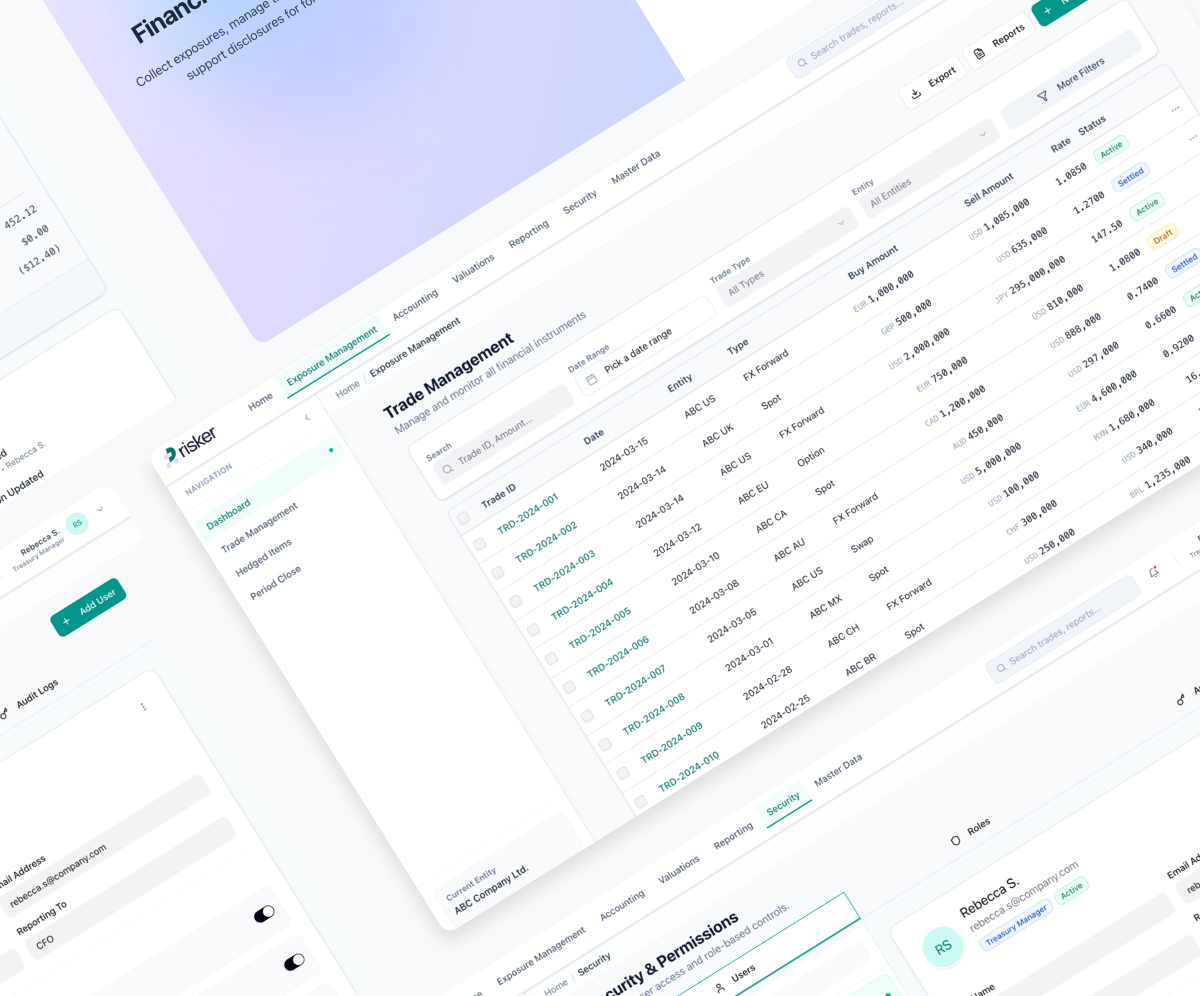

AI EHR development helps clinics turn connected-device data into usable EHR workflows: alerts, summaries, billing-ready records, and care-team dashboards. EHR technology solutions should focus on regulated device data, secure connections, and reimbursement logic, not broad diabetes apps. An RPM glucometer sends readings to the EHR, AI flags risk, IoT confirms delivery, and EHR blockchain logs consent. An EHR software development company connects devices, APIs, security, and billing rules into one clinical flow.
What are EHR Technology Solutions?
Blockchain EHR, EHR innovation, and AI solutions for EHR are digital tools that make patient records smarter, safer, and easier to use. They include AI documentation, clinical alerts, interoperability APIs, blockchain audit trails, IoT device feeds, and cloud access. A doctor receives AI-made visit notes, while blockchain logs who viewed the record. The goal is faster care, fewer errors, and stronger data trust.
Connect AI, IoT, and care workflows while protecting sensitive patient data.

Artificial Intelligence and EHR blockchain
EHR technology solutions combine AI and blockchain to improve how records are created, shared, and protected. AI solutions for healthcare can summarize visits, detect risk patterns, and support coding, while blockchain adds tamper-resistant access logs and consent tracking. AI drafts a discharge note, and blockchain records every provider who opens it. Together, they reduce manual work and improve data accountability.

AI EHR development is difficult because hospitals need automation without losing clinical control. Elinext helps by mapping real workflows, validating AI outputs, and integrating them into existing EHR systems. The impact is fewer documentation gaps, faster decisions, and safer adoption of AI where clinicians stay responsible for care.

EHR Blockchain
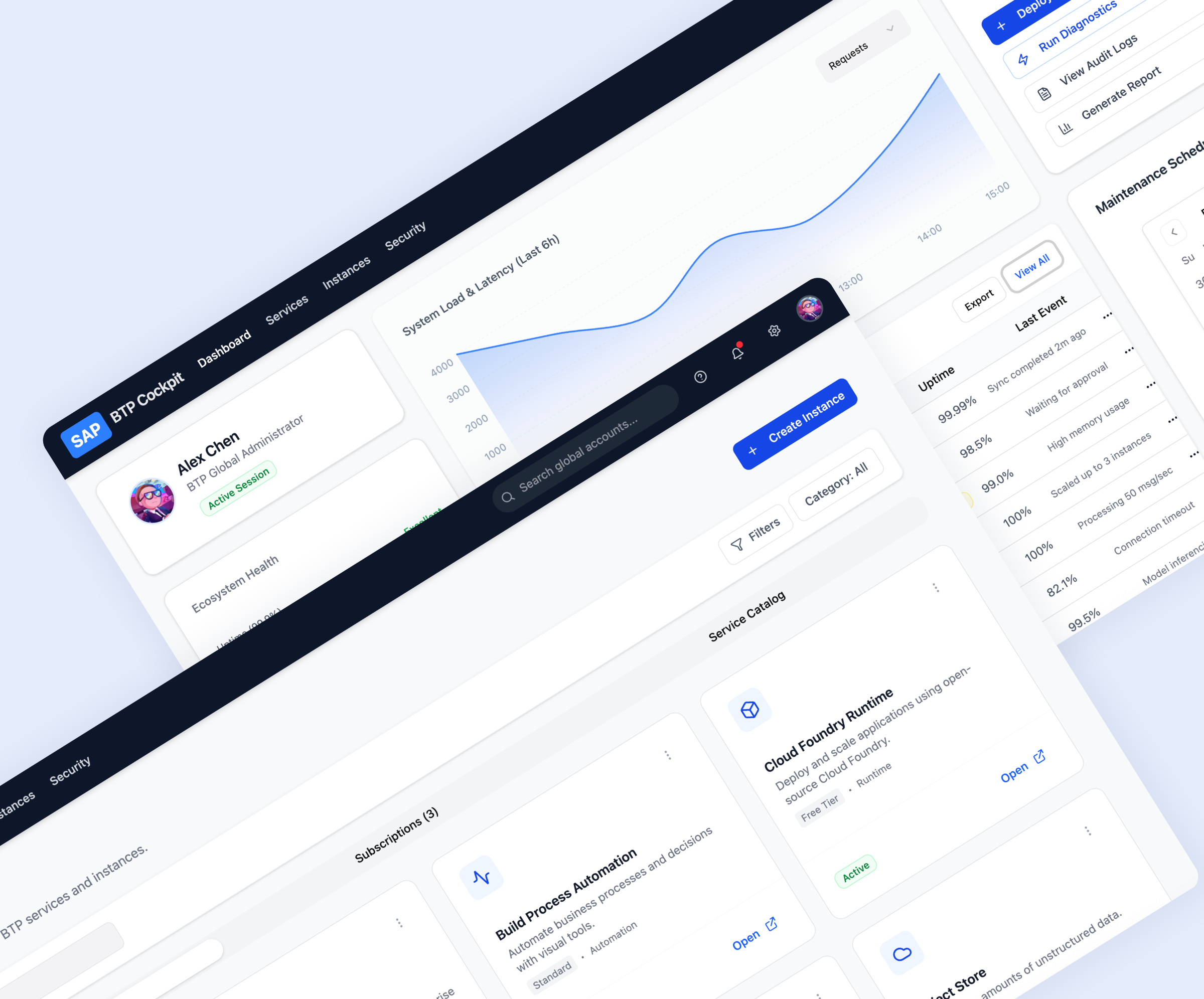
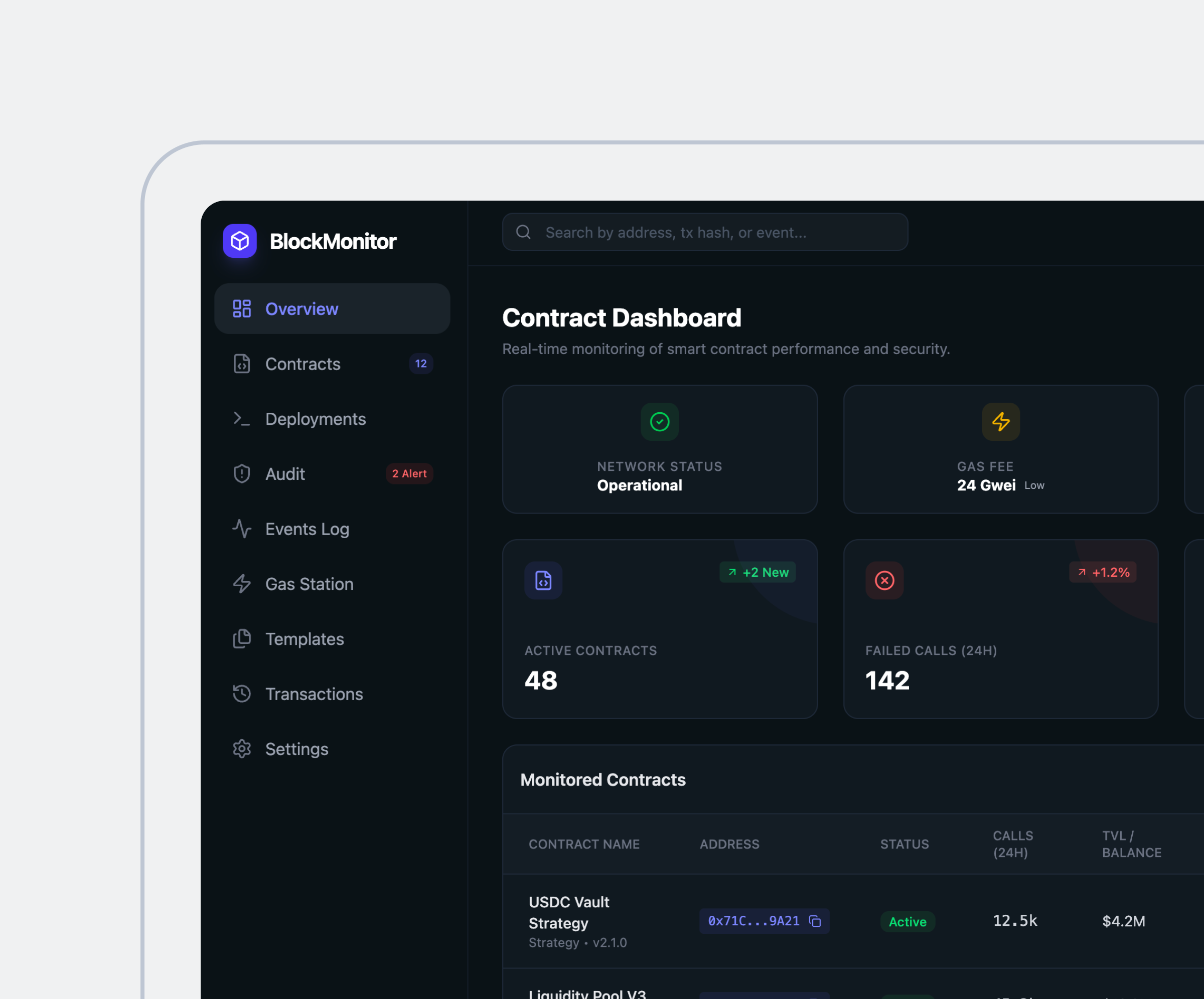
Blockchain EHR improves trust in medical records by creating secure, traceable logs of access, consent, and data exchange. It does not replace the EHR; it strengthens sensitive workflows around identity, permissions, and auditability. When a lab, hospital, and insurer access one record, blockchain can show who viewed what and when. This helps reduce disputes, improve privacy, and support compliant data sharing.
Connect AI, blockchain, and IoT to streamline billing and strengthen patient safety.
Internet of Things
EHR technologies use IoT to bring real-time patient data from devices into clinical workflows. Wearables, glucose meters, ECG patches, smart inhalers, and hospital monitors can send readings directly to the EHR. A cardiac patient’s wearable detects abnormal heart rhythm, sends data to the record, and alerts a nurse. IoT makes EHRs more proactive by turning remote signals into timely care actions.
Build Internet of Things (IoT) solutions for EHRs that turn device data into clinical value.
EHR technology solutions and Telemedicine
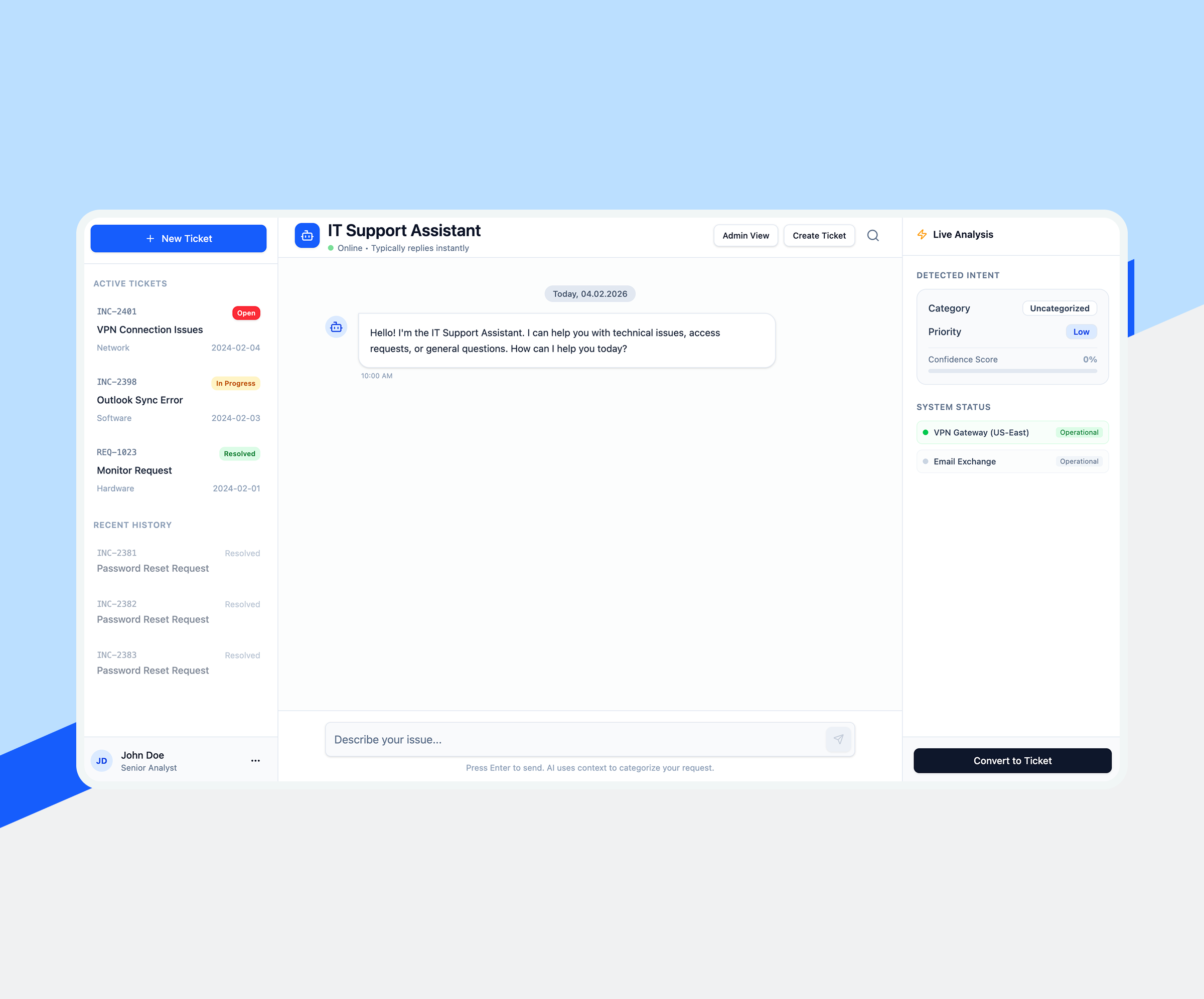
AI EHR development improves telemedicine by connecting virtual visits with records, notes, triage, prescriptions, and follow-ups. AI can summarize calls, suggest next steps, and flag missing patient data before the doctor signs the note. After a video visit, the system adds symptoms, vitals, diagnosis, and care instructions to the EHR. This reduces admin work and keeps remote care aligned with clinical records.
Choosing telemedicine tools is hard because video visits alone do not solve record gaps. As a telemedicine app development company, Elinext supports EHR innovation by linking visits, notes, prescriptions, and follow-ups. The business impact is fewer duplicate actions, better continuity of care, and a smoother patient experience.
Robotic Process Information
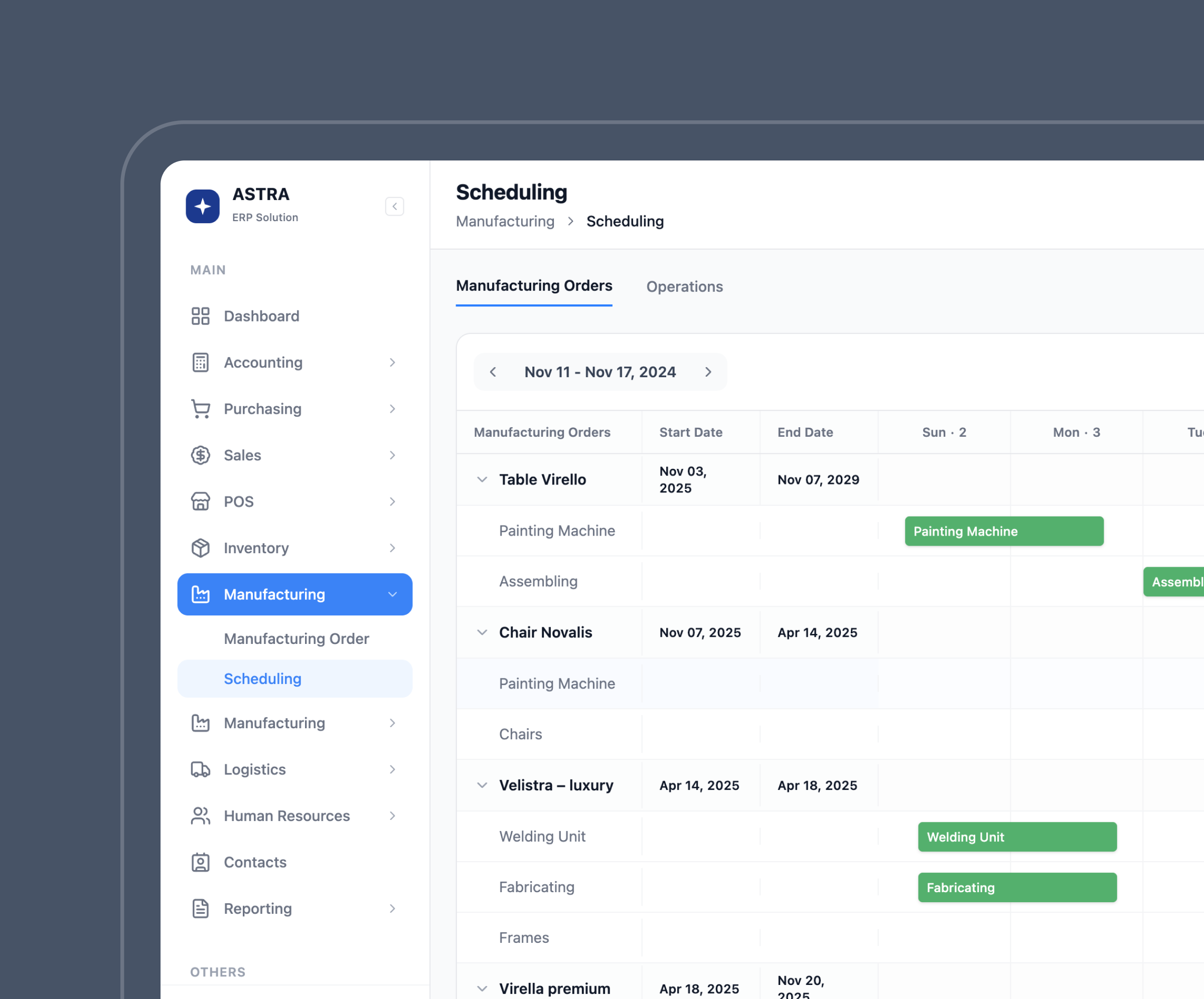
AI EHR development supports robotic process automation by moving repetitive EHR tasks from staff to software bots. These bots can check forms, transfer data, update statuses, send reminders, and prepare billing details. After a visit, RPA copies approved diagnosis codes into billing, while AI checks whether documentation is complete. This reduces manual errors and gives clinicians more time for patients.
Automate records, protect data, and connect AI, blockchain, IoT, and care teams.
Key Takeaways
- AI makes EHRs more useful by summarizing notes, finding risks, and reducing routine documentation.
- Blockchain improves EHR trust through secure access logs, consent tracking, and tamper-resistant audit trails.
- IoT connects patient devices to records, helping clinicians act on real-time health changes.
- Telemedicine works better when visits, prescriptions, notes, and follow-ups flow into the EHR.
- The next step is choosing EHR solutions that connect innovation with clinical, billing, and compliance needs.
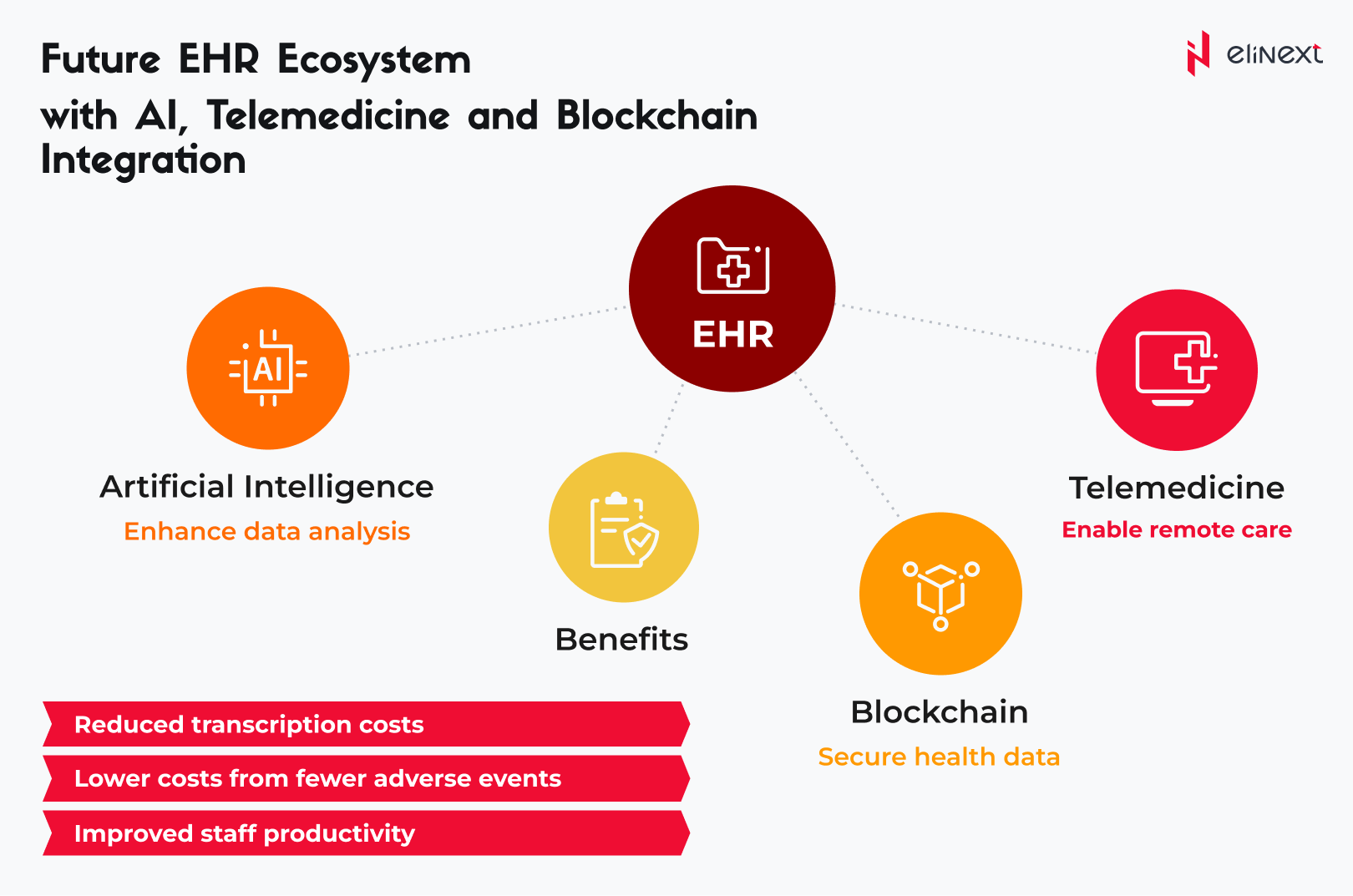
Advanced EHR technologies are difficult to adopt because hospitals must balance legacy systems, clinician workload, data security, and compliance. Elinext healthcare software development services help connect new tools without breaking existing workflows. The business impact is cleaner data, faster care coordination, and lower operational friction.
Conclusion
EHR technology solutions are becoming the backbone of connected care, where AI software development services improve decisions, custom RPA development services reduce repetitive admin work, and blockchain EHR strengthens trust in data sharing. AI summarizes a remote visit, RPA prepares billing, and blockchain logs consent. In 2026, the EHR market is forecast to reach $32.96B, according to The Business Research Company. This shows why hospitals should modernize EHRs as practical care infrastructure, not optional IT upgrades.
FAQ
-
EHR technology solutions are digital tools that help healthcare providers create, store, share, and protect patient records. They are used to connect clinical notes, lab results, billing, telemedicine, IoT devices, and analytics in one workflow. Businesses use them to reduce errors, speed care, and improve compliance. A clinic connects lab data and doctor notes into one patient record.
-
AI EHR development is the use of artificial intelligence to improve electronic health record workflows. It is used to summarize visits, detect risks, automate coding, support documentation, and help clinicians find key patient data faster. Businesses use it to reduce manual workload and improve care quality. AI creates a draft visit note after a consultation for doctor review.
-
AI integration in EHRs is the use of machine learning and automation inside patient record systems. It is used to reduce documentation time, flag clinical risks, improve coding, and personalize care recommendations. Businesses use it to support doctors and reduce operational delays. AI warns a physician that a patient’s lab result may require urgent follow-up.
-
Blockchain in EHR security is a technology that creates traceable, tamper-resistant records of access and consent. It is used to verify who viewed, changed, or shared patient data. Businesses use it to improve privacy, auditability, and trust between providers. A hospital can prove when an insurer accessed a patient record and under what consent rule.
-
IoT in EHR platforms is the connection of medical devices, wearables, and sensors to patient records. It is used to collect real-time health data such as blood pressure, glucose, oxygen level, or heart rhythm. Businesses use it to support remote monitoring and faster interventions. A wearable sends abnormal pulse data to the EHR and alerts a nurse.
-
Cloud-based EHR technology solutions are record systems hosted on secure online infrastructure instead of local servers. They are used to improve remote access, scalability, backup, updates, and data sharing between care teams. Businesses use them to reduce infrastructure burden and support multi-location care. Doctors in different clinics access the same patient record securely.
-
EHR interoperability technologies are tools and standards that allow health systems to exchange patient data. They are used to connect hospitals, labs, pharmacies, insurers, and apps through APIs, FHIR, HL7, data mapping, and integration engines. Businesses use them to reduce duplicate tests and improve care coordination. A lab result moves automatically into a hospital EHR.
-
EHR innovation with predictive analytics means using patient data to forecast risks and guide clinical decisions. It is used to identify likely readmissions, disease progression, missed care gaps, or medication risks. Businesses use it to act earlier and allocate resources better. Analytics flags a heart-failure patient as high risk before symptoms become severe.
-
Advanced EHR implementation challenges are barriers that appear when hospitals add AI, blockchain, IoT, cloud, or automation to record systems. They are used to assess risks before modernization. Businesses face legacy integrations, data quality issues, staff training, privacy rules, cybersecurity, and high change costs. AI fails if old EHR data is incomplete or inconsistent.
-
The future of EHR technology is the shift from static digital records to intelligent, connected healthcare platforms. It is used to combine AI, IoT, cloud, blockchain, telemedicine, and interoperability into daily care. Businesses use it to improve decisions, automate work, and personalize patient journeys. An EHR predicts risk, schedules follow-up, and updates care plans automatically.