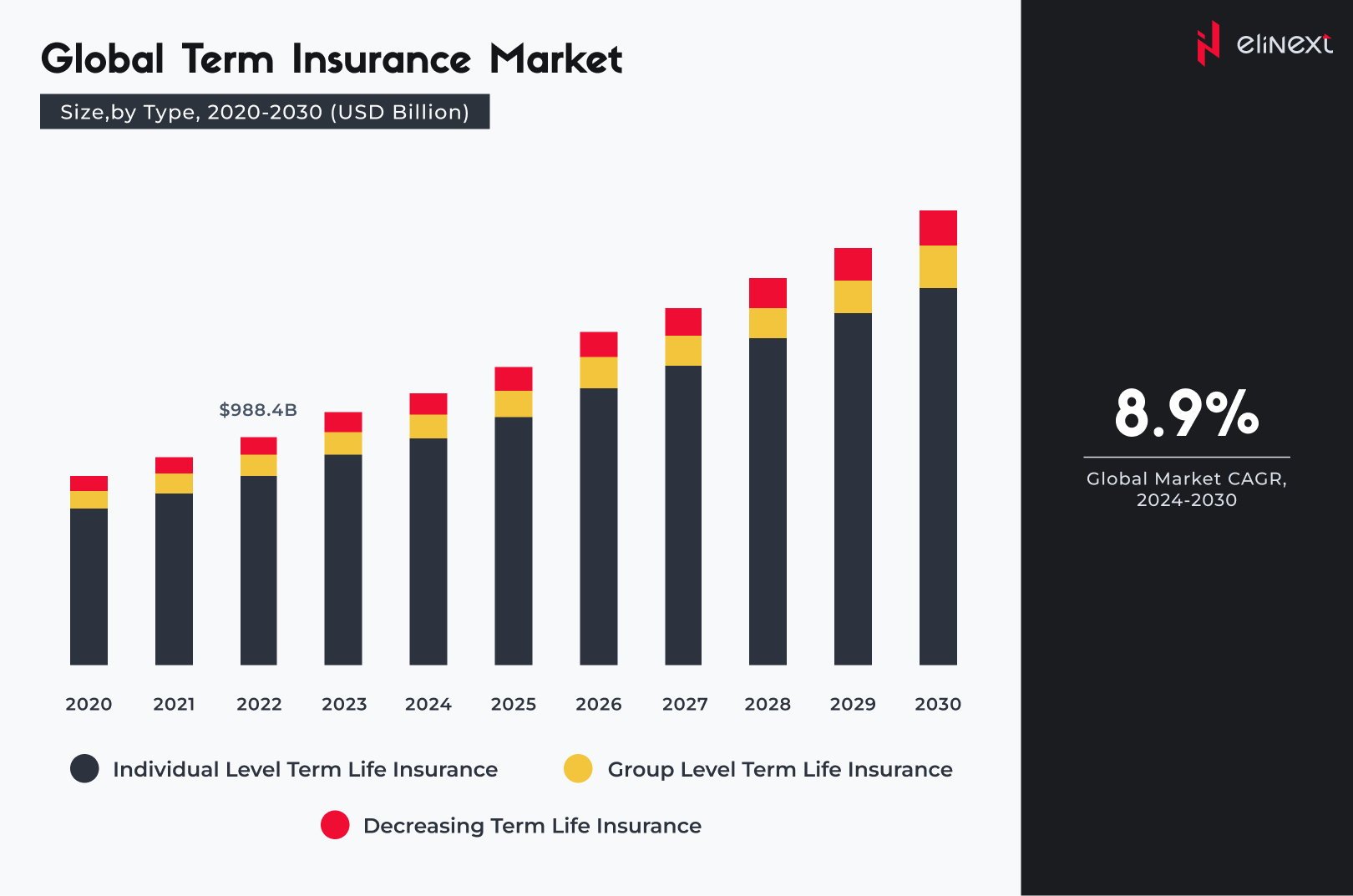
In 2025, insurance industry trends will be driven by digital transformation, AI-powered automation, and hyper-personalization. Insurance software development servicesenable the implementation of usage-based and embedded insurance. Insurers expect blockchain to become an integral part of the market by 2026, and usage-based auto insurance already accounts for 20% of new sales in Europe. Cyber insurance is experiencing explosive growth, increasing by 60% in two years, as insurers invest in advanced analytics and cloud platforms to improve efficiency and customer service.
The Future of Insurance: What are the Key Trends in Insurance
Key Takeaways
Insurance trends indicate that global insurance premiums are projected to reach $8–9.3 trillion by 2025, growing at a rate of 3.3%, with 75% of this growth coming from developed markets.
Technology adoption is accelerating: 63% of insurers are rapidly implementing digital transformation, and 76% have implemented generative AI in at least one business function.
The digital insurance platform market is expected to reach $229 billion by 2029.
The Key Insurance Industry Trends
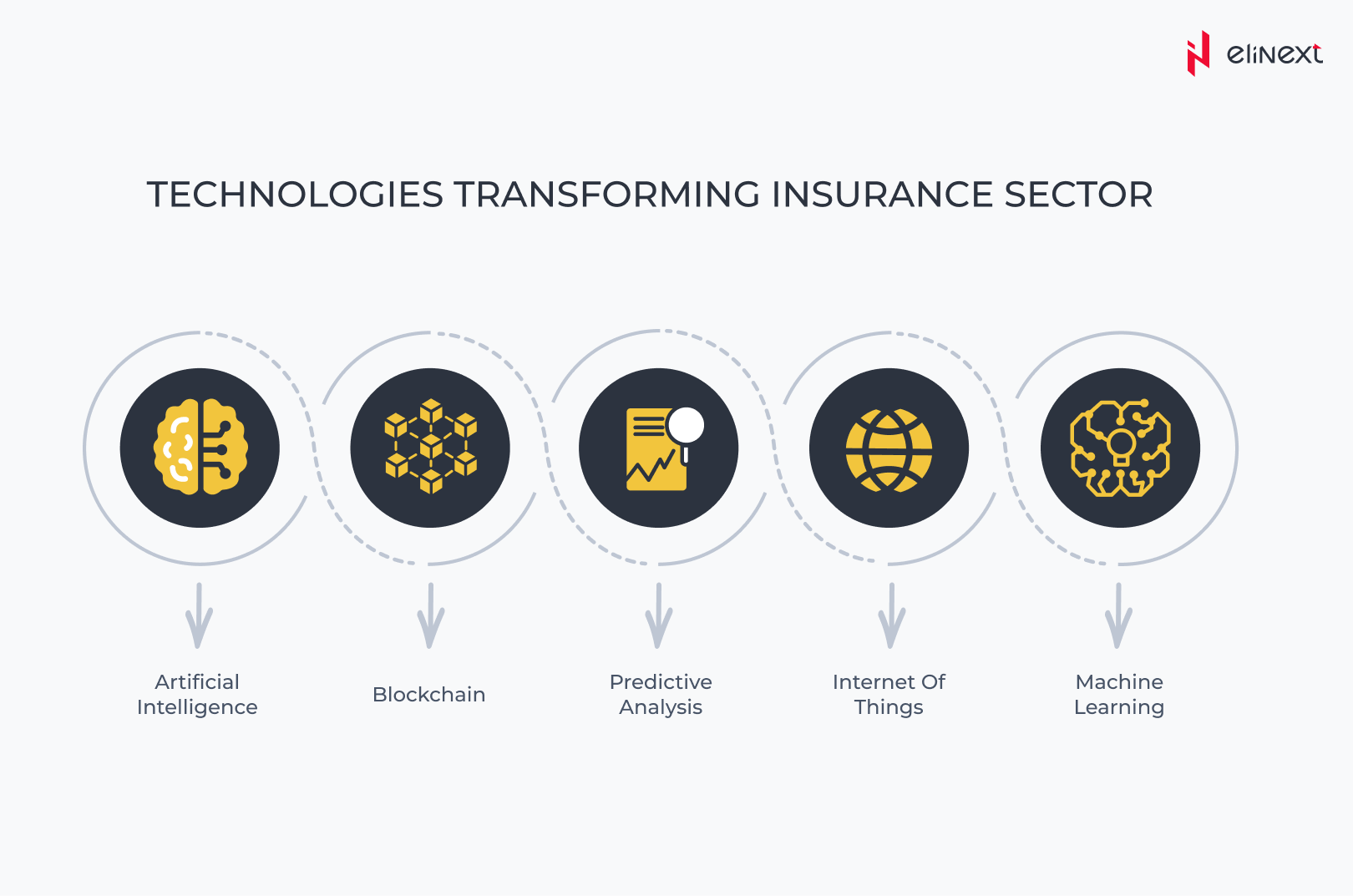
Insurance technology trends in 2025 include AI-powered underwriting, big data analytics, and cloud-based insurance CRM development services. Insurers are using AI-powered chatbots for 24/7 customer support, while CRM platforms leverage predictive analytics to personalize offers and automate claims processing. Data-driven and embedded insurance models are expanding thanks to the development of the Internet of Things and digital ecosystems.
Big Data Analytics
Advanced data analytics helps insurance companies analyze structured and unstructured data to gain valuable insights into their business processes and operations. When combined with machine learning, these big data tools become even smarter and add predictive analytics capabilities.
As insurance companies continue to embrace the power of big data to transform their operations, the insurance analytics market is projected to grow at a CAGR of 11.8% and reach US$15.9 bn by 2027.
Insurance trends highlight big data analytics for precise risk assessment and fraud detection. Predictive models reduce fraud by 60% and optimize pricing.
Increased Focus on Personalization
To better serve their customers, insurers use insurance CRM solutions to segment their target audience by a range of characteristics and predict what products or services may appeal to them.
However, while segmentation offers valuable insights, it does not enable individual-level targeting, which data-driven analytics achieves. Insurance technology trends show a shift to hyper-personalized policies. Insurers use real-time data from wearables to tailor health and auto coverage.
Intelligent Process Automation
Another key technology trend for the year to come is AI-powered automation. Insurance industry trends and AI solutions drive intelligent process automation. Robotic process automation streamlines claims, cutting costs and boosting efficiency. With the ability to analyze insurance documents and complex business contracts in just a fraction of time, AI can automate rules-based processes and improve operational efficiencies.
Coupled with natural language processing (NLP), AI can be used to automate regulatory compliance efforts. By going through the growing volume of regulatory text, an AI-based insurance solution can automatically monitor and report any regulatory changes, helping insurers conform to new regulations.
Cybersecurity and Blockchain
To protect sensitive personal information about policyholders, insurance companies need to have appropriate technical safeguards in places like end-to-end data encryption, biometrics-based authentication, and role-based access control. Expert penetration testing and vulnerability assessment can also help improve security standing.
Insurance trends emphasize cybersecurity and blockchain for secure, transparent operations. Blockchain prevents fraud and automates claims with smart contracts. Another innovative tech that helps forward-thinking insurers bolster security is blockchain. Blockchain leverages distributed ledger technology and fortified cybersecurity protocols to bring much-needed transparency into insurance operations.
New Distribution Models
Insurance industry trends include new distribution models like embedded insurance. Coverage is bundled with car purchases or digital platforms for seamless access.
The next decade will see the rise of new, digitized models that would help insurers get ahead of the curve and drive sustainable growth. One such model is insurance at the point of sale. By partnering with digital vendors and incorporating POS insurance into other shopping experiences, insurers can reach a wider audience much faster and cost-effectively.
Another way for insurance companies to survive the digital transformation is to become ecosystem orchestrators. In this model, insurers can partner with banks, retirement homes, and wellness providers to aggregate and offer a range of products and services that address customers’ financial and lifestyle needs.
Focusing on insurance technology trends is vital to stay competitive. Investing in innovation enables insurers to deliver personalized, efficient, and secure services, ensuring long-term growth and resilience.
The Future of Insurance Technology Trends
Insurance technology trends in 2025 are driven by Machine Learning solutions and advanced analytics. Insurers are using machine learning to predict claims risks, automate underwriting, and personalize pricing. AI-powered chatbots handle customer inquiries, and IoT devices enable data-driven insurance.
Blockchain ensures secure and transparent transactions, and cloud platforms support rapid product launches. These innovations are transforming the industry: 77% of insurers plan to integrate blockchain, and 74% are investing in digital platforms. The result is faster claims processing, reduced fraud, and increased customer satisfaction.
AI & Machine Learning (ML) Increasingly Central
Hyper-Personalisation
IoT / Telematics Embedded Data
Blockchain & Smart Contracts
Cloud-Native Architecture
Omnichannel Platforms
Cyber Insurance & Digital Risk Protection
Regulatory, Ethical, and Privacy-Aware AI
Low-Code / No-Code Platforms & Automation Tools
The Future of Insurance Technology Trends
“Insurance industry trends in 2025 demonstrate the convergence of digital transformation, artificial intelligence, and mobile solutions. Insurers leveraging advanced analytics, cloud platforms, and user-friendly mobile interfaces are taking customer engagement, risk management, and operational efficiency to the next level for a dynamic and sustainable future.”
Elinext Software Development Expert
Conclusion
Insurance ERP software development services and insurance technology trends are transforming the industry in 2025. Insurers are implementing artificial intelligence, big data, and blockchain to automate processes, personalize products, and improve security.
ERP platforms integrate claims, underwriting, and customer data, providing real-time analytics and accelerating service. The future belongs to insurers that embrace innovation, invest in digital platforms, and offer customer-centric solutions.
FAQ
What are the main technology trends shaping the future of insurance?
Future-shaping insurance technology trends include AI-powered underwriting, big data analytics, cloud computing, and blockchain. Insurers are using AI to automate claims processing, big data to assess risks, and cloud-based CRM systems to deliver personalized customer service.
How is AI changing the insurance industry?
AI is changing insurance trends by automating claims processing, detecting fraud, and personalizing policies. AI-powered chatbots provide instant support, while machine learning models predict risks and optimize pricing, improving efficiency and customer satisfaction.
What is usage-based or behavior-based insurance?
Usage-based or behavior-based insurance uses telematics to track real-time data, such as driving style or mileage, to set premiums. Safe drivers pay less thanks to “pay as you drive” auto insurance, which incentivizes safer behavior and offers personalized pricing.
Why is IoT important for the future of insurance?
Connected devices in cars and homes provide insurers with data to develop policies based on actual usage, prevent losses, and improve the accuracy of insurance claims. Insurance trends show that the Internet of Things plays a crucial role in real-time risk assessment and personalized insurance coverage.
How will blockchain impact insurance?
Blockchain will revolutionize insurance by enabling smart contracts, automated claims processing, and fraud prevention. Blockchain-based platforms ensure transparency and tamper-proofing, speeding up settlements and strengthening trust between insurers and clients.
What role does cloud computing play in insurance innovation?
Cloud-based platforms support real-time analytics, rapid product launches, and seamless customer experiences across digital channels. Insurance trends highlight cloud computing as a driver of innovation, enabling scalable, cost-effective operations.
What is embedded insurance?
Insurance industry trends show that integrated insurance integrates coverage into the purchasing process of other products or services. Buying a car or booking a trip includes instant, personalized insurance, making protection convenient and affordable.
Why is cybersecurity becoming a key insurance trend?
Cybersecurity is a top insurance trend due to rising digital threats. Insurers offer cyber insurance to protect businesses from data breaches, while investing in advanced security to safeguard sensitive customer data and maintain trust.