

























































































































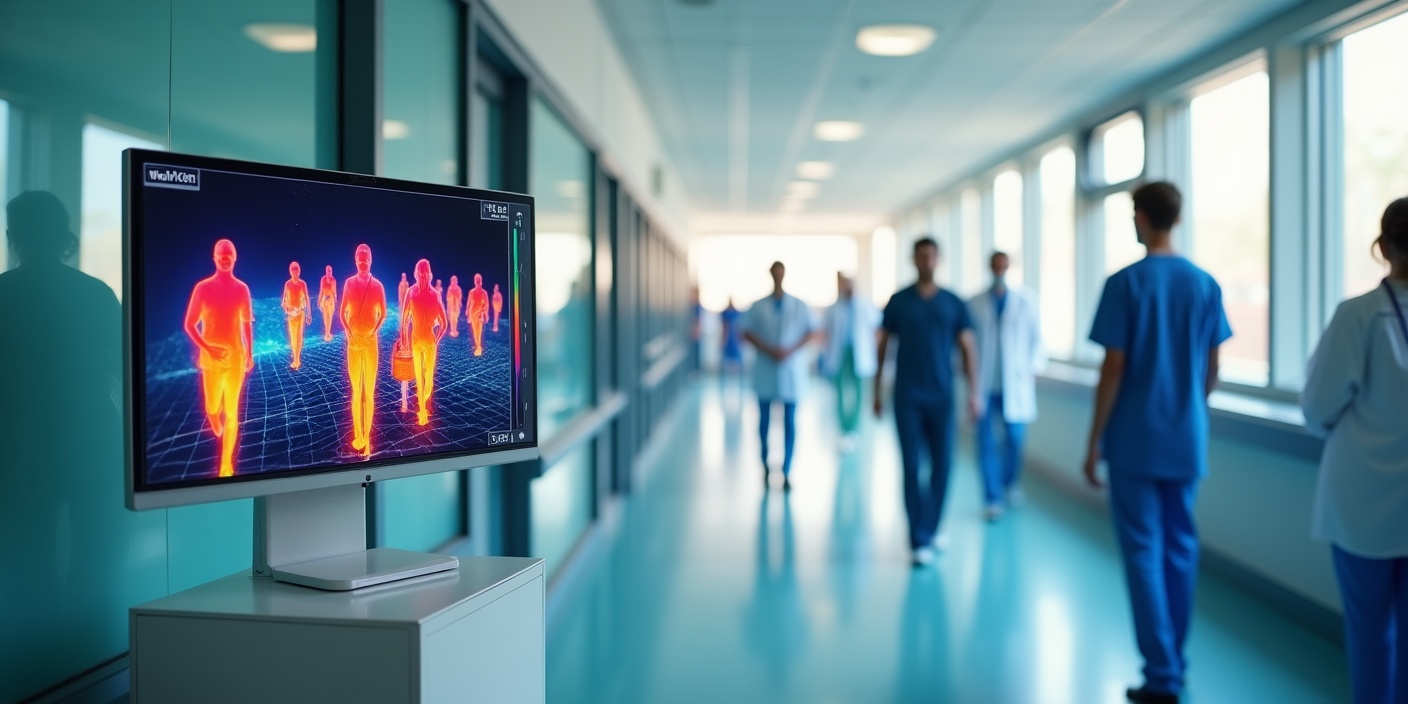
Infectious diseases remain a constant threat to hospitals, as urbanization, climate change, and population mobility increase the risk of infection. Healthcare IT consulting services help teams develop hospital-acquired infection workflows, National Healthcare Provider Network (NHSN) reporting, CDC guidelines, and AI use cases before software development begins. Infection prevention software, hospital infection control software, and infection control technology track cultures, vital signs, antibiotics, isolation status, and staff contacts. A surgical department detects an increase in surgical site infections, analyzes medical device usage, and initiates targeted cleaning. The result: faster detection, more accurate reporting, and fewer preventable infections.
What is Infection Control and Surveillance Software?
Infection prevention software, hospital infection control software, and clinical surveillance software are systems for monitoring, reporting, and preventing hospital-acquired infections. They integrate data from electronic health records, laboratory testing, pharmacies, the healthcare service record system (NHSN), real-time location tracking systems (RTLS), and artificial intelligence into a single workflow. The platform links a positive culture result to the day of catheter insertion, alerts infection prevention specialists, and generates a report. This category goes beyond simply tracking cases, as it supports prevention, compliance, analytics, and outbreak response.
Why Hospitals are Investing in Infection Control Software
Hospitals are investing in infection prevention software, and infection control surveillance software to reduce the risk of hospital-acquired infections, reduce staff burden, and prevent unnecessary costs. Research conducted in collaboration with the CDC estimates the direct costs of hospitals due to hospital-acquired infections in the United States at $28.4–$45 billion annually. Automated alerts for central venous catheter-associated bloodstream infections (CLABSIs) help healthcare providers act before an infection escalates. Benefits include reduced length of hospital stay, faster treatment, better antibiotic selection, and more reliable reporting by the CDC.
Focus on prevention now to reduce hospital-acquired infections, delays, and compliance risks.

Core Components of Infection Control and Surveillance Software
Clinical surveillance software works best as a six-component system: data aggregation, RTLS/contact tracing, AI/machine learning-based monitoring, dashboards, NHSN reporting, and sanitation or hygiene compliance monitoring. HL7 FHIR links electronic health record data without manual entry. For example, a dashboard links culture results, visit history, and antibiotics. The following sections explain how each component supports prevention, reporting, and operational actions.
Contact Tracing and RTLS
Infection control software uses data on relationships and movements; RTLS applies similar logic within hospitals. Staff badges, patient tags, and room sensors record the proximity, duration, and location of contacts. For example, if a patient tests positive, staff analyze contacts based on badges and shared spaces. A Mayo Clinic study showed a roughly twofold increase in the efficiency of contact tracing workflows, making RTLS useful beyond legacy COVID-19 APIs.
EHR/EMR Data Aggregation and HL7 FHIR Interoperability
Infection control surveillance software integrates data from electronic health records (EHRs), insurance claims, user-entered notes, and user-generated alerts. HL7 FHIR ensures data structure by sharing resources such as “Patient,” “Observation,” “Encounter,” “Medication Request,” and “Diagnostic Report.” Lab results, patient transfers, and antibiotic prescriptions form a unified history of hospital-acquired infections. This reduces duplicate data entry and helps hospitals integrate epidemiological surveillance with daily clinical systems.
Automated Infection Surveillance and AI-Driven Outbreak Detection
Infection control technology automates routine monitoring by scanning lab tests, vital signs, medical devices, antibiotics, and location data. Earlier workflow data showed that infection control teams spent 36% of their time on monitoring. One study reported that AI identified 67 of 73 cases of hospital-acquired infections, but the source of the original study should be verified before publication. AI does not “predict” on its own; it evaluates patterns, flags anomalies, and requests confirmation from physicians.
Real-Time Dashboards and NHSN/CDC Regulatory Reporting
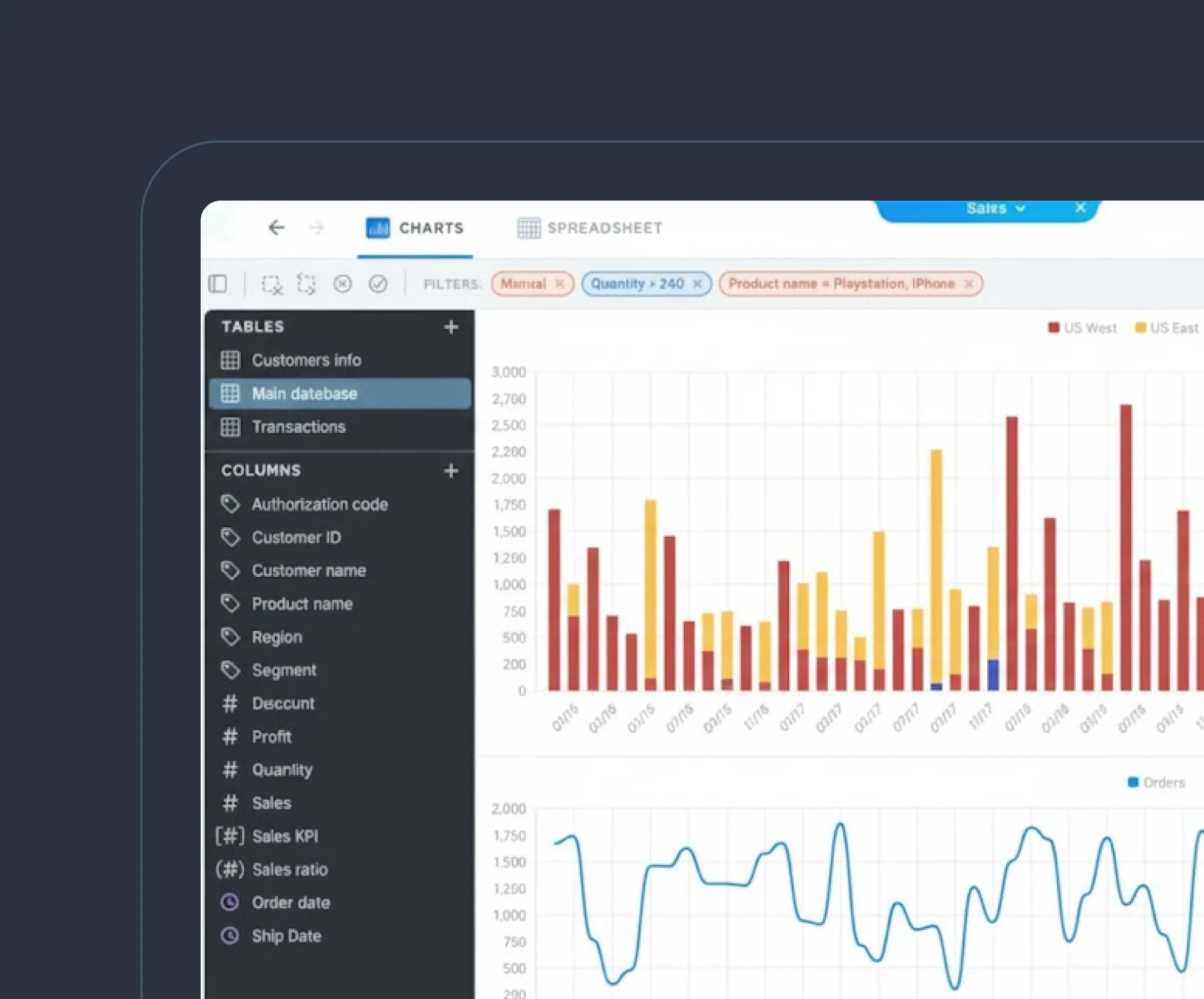
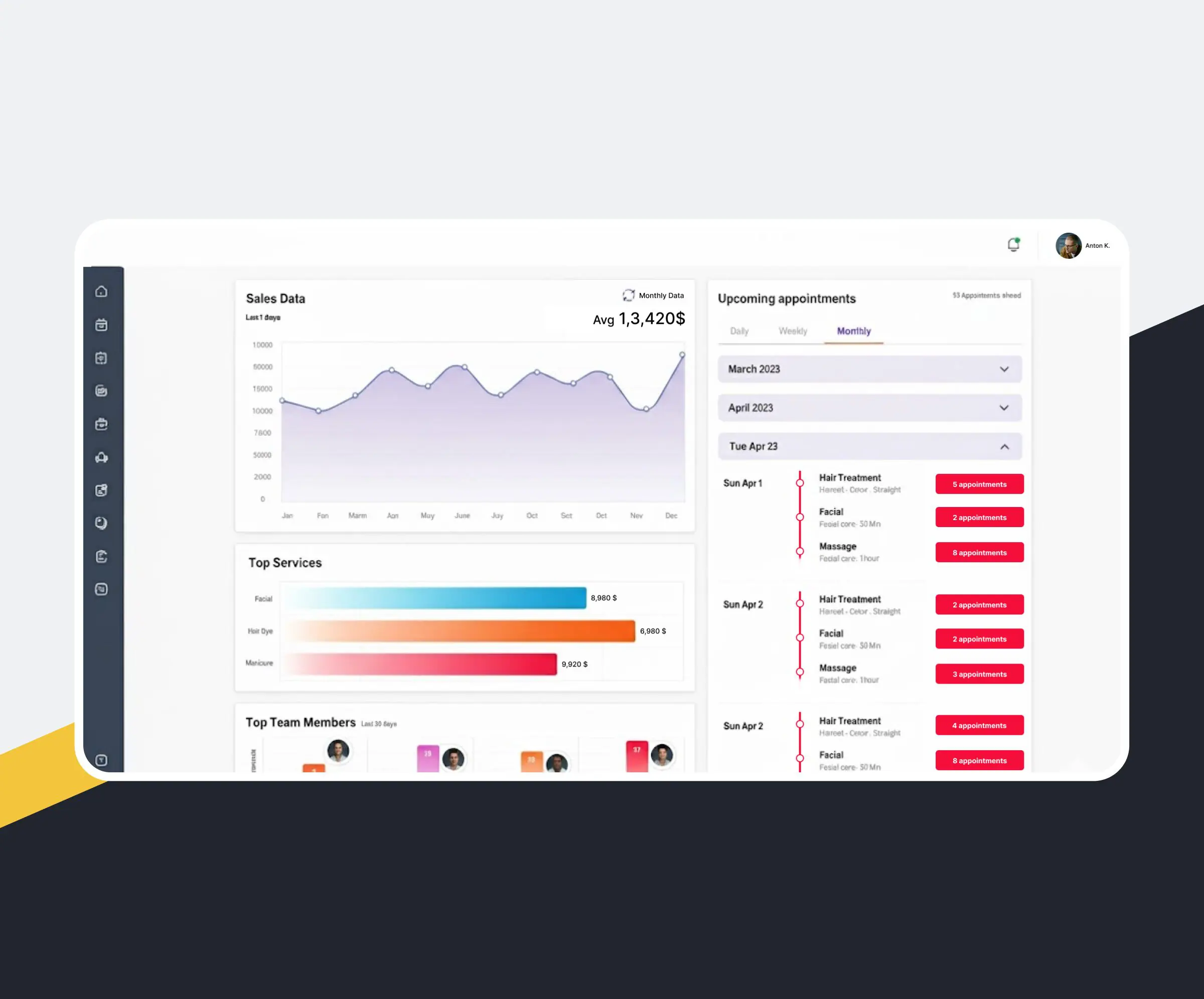
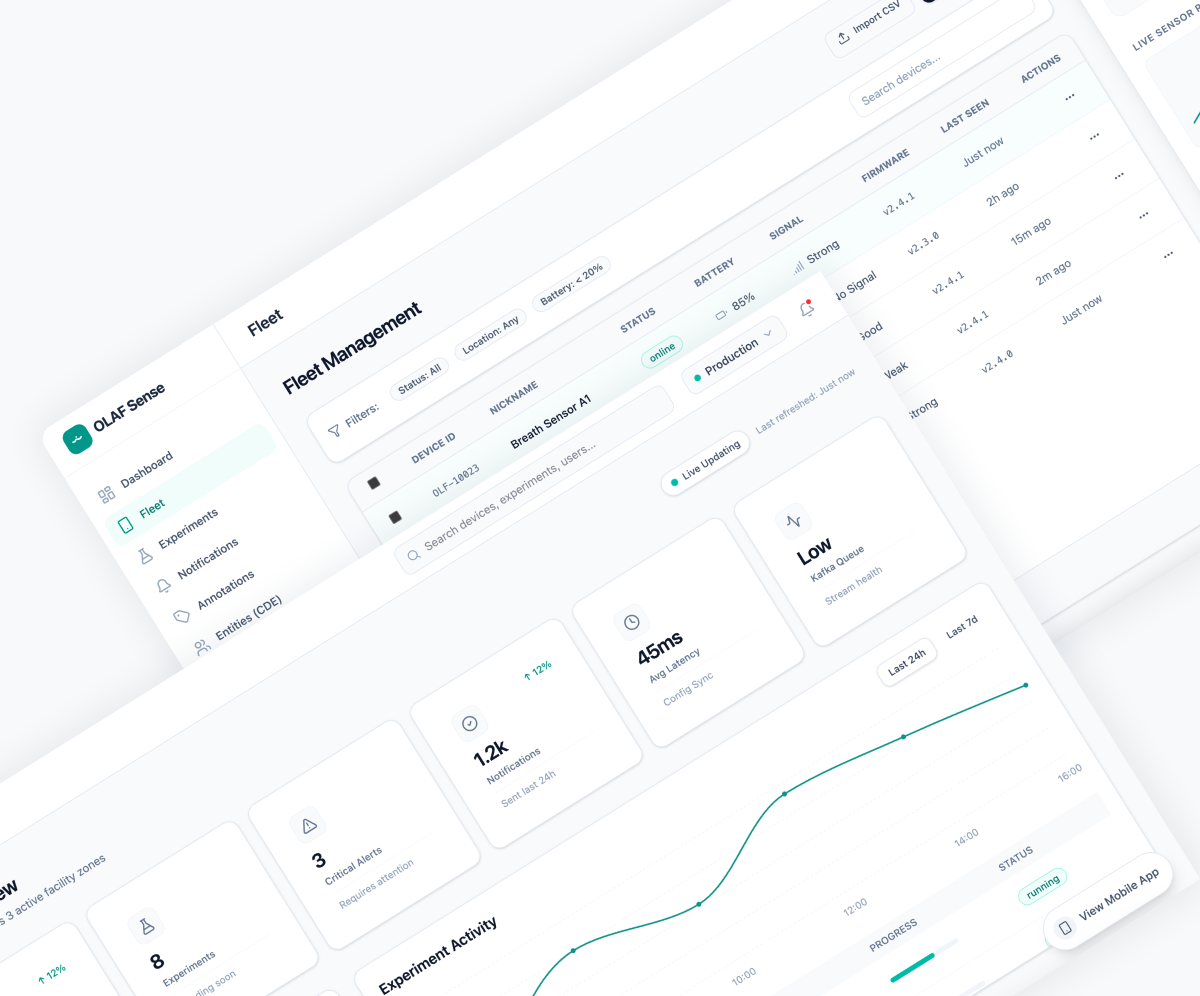
Hospital infection control software dashboards display patient interactions with the system; infection monitoring dashboards show patient risk pathways. Hospital systems require granular data by department, date, pathogen, device, procedure code, and NHSN indicator. A quality manager analyzes catheter-associated urinary tract infection spikes by department and catheter use day, then exports the data ready for use by the CDC. Effective reporting facilitates NHSN data submission, Joint Commission readiness, and streamlines internal audits.
Antibiotic and Antimicrobial Stewardship Analytics
Infection prevention software and healthcare data analytics solutions support the rational use of antibiotics by tracking resistance, prescriptions, culture results, and treatment duration. The CDC warns that antimicrobial resistance remains a serious public health threat. The antibiogram shows increasing resistance to fluoroquinolones in urine samples. Teams are adjusting prescription patterns, reviewing the use of broad-spectrum medications, and tracking trends across departments, microorganisms, and physicians.
Hand Hygiene and Environmental Monitoring
Infection prevention software and healthcare analytics solutions support the rational use of antibiotics by tracking resistance, prescriptions, culture results, and treatment duration. The Centers for Disease Control and Prevention (CDC) warns that antimicrobial resistance remains a serious public health threat. An antibiogram shows increasing resistance to fluoroquinolones in urine samples. Teams are adjusting prescription patterns, reviewing the use of broad-spectrum medications, and monitoring trends across departments, organisms, and physicians.
Cost, ROI, and Build-vs-Buy Considerations
Infection prevention software should also cover hand hygiene and environmental monitoring. This component links disinfectant dispenser events, room cleaning logs, UV or disinfection checks, audits, and hospital-acquired infection detection results. Low disinfectant usage near an intensive care unit correlates with new Clostridium difficile infections. Instead of relying on paper rounds, teams can retrain staff, adjust inventory placement, and review end-of-care cleaning.
Hospital infection control software and infection prevention software need a cost model before purchase or custom build. Hospital-acquired infections result in direct treatment costs, increased hospital stays, fines, and reputational risks. ROI is achieved through reduced infection rates, reduced manual reporting, shorter patient stays, and increased staff productivity. The choice between development and purchase depends on the complexity of the EHR, NHSN network coverage, RTLS needs, AI management, and the depth of integration. A hospital with its own workflows can create modules based on FHIR and NHSN logic. If you’re comparing developing your own infection monitoring system with an off-the-shelf platform, start with healthcare IT consulting.

The most challenging part of hospital infection control software isn’t collecting additional data, but connecting the right signals at the right time. Infection control technologies help teams connect cultures, devices, sites, antibiotics, and workflows so infection prevention specialists can identify risks earlier and clearly document the measures taken.

Key Takeaways
- Infection control software transforms disparate hospital data into actionable tools for hospital-acquired infection surveillance.
- Structured, auditable workflows are required for reporting to NHSN and the CDC.
- RTLS systems improve contact tracing by showing location and patterns of exposure.
- Artificial intelligence supports detection, but physicians must confirm alerts.
- Return on investment depends on reducing hospital-acquired infections, reducing manual workload, and speeding response times.
Conclusion
Infection prevention software and healthcare software development services help hospitals make infection control measurable rather than reactive. Mordor Intelligence predicts the infection surveillance solutions market will reach $1.03 billion by 2026, growing at a CAGR of 13.05% through 2031. A hospital integrates electronic health records (EHRs), real-time location tracking systems (RTLS), and NHSN dashboards to detect outbreaks of hospital-acquired infections earlier and document prevention measures.
FAQ
-
Infection prevention software is a category of tools for monitoring, reporting, and preventing hospital-acquired infections. It is used to collect data from electronic medical records, lab tests, device data, location, and antibiotic use. Organizations use it to reduce manual monitoring and ensure compliance. A positive blood culture triggers a screening for central venous catheter-associated bloodstream infections (CLABSIs), links catheter use days, and alerts the infection prevention team.
-
Infection control surveillance software is software that helps hospitals identify and prevent hospital-acquired infections through automated monitoring. It is used to correlate lab results, symptoms, device use, isolation status, and department trends. Organizations use it for earlier risk identification. An increase in Clostridium difficile cases on one floor triggers cleanliness checks, staff alerts, and an antibiotic use review.
-
Clinical surveillance software is a hospital monitoring system that transforms clinical data into infection control alerts. Key features include integration with electronic medical records (EMRs), data transfer from laboratory departments, device tracking, RTLS support, dashboards, NHSN reporting, AI/machine learning rules, audit trails, and management analytics. The system identifies potential surgical site infections by correlating procedure codes, temperature, antibiotics, and culture results.
-
Hospital infection control software is designed to integrate with electronic medical records (EMRs), electronic health records (EHRs), laboratory information systems (LIS), pharmacies, real-time data systems (RTLS), and reporting systems. It is used to reduce duplicate data entry and build a unified infection history. Enterprises use it via HL7, HL7 FHIR, APIs, and secure data channels. An EHR diagnosis, laboratory culture, patient transfer to another room, and antibiotic prescription are displayed in a single view of a hospital-acquired infection investigation.
-
Infection control surveillance software is a system that applies rules and AI to infection risk data. It is used to scan lab tests, vital signs, devices, antibiotics, admissions, and locations for unusual patterns. Enterprises use it to prioritize investigations. AI identifies a possible outbreak when two patients are in the same department, the pathogen profile, and overlapping staff contacts.
-
Infection prevention software is a reporting and surveillance tool that prepares infection data for NHSN and CDC workflows. It is used to structure metrics, device days, procedure data, lab results, and audit trails. Facilities use it to reduce manual work. A case of catheter-associated urinary tract infection is screened for compliance with NHSN criteria before submission, with the underlying data included.
-
Infection control technology is software and data infrastructure that supports safer antibiotic use. They are used to track culture results, prescriptions, resistance, dosage, and duration of therapy. Companies use them to guide antibiotic stewardship teams. An antibiogram shows increasing resistance in isolates from an intensive care unit, prompting a review of broad-spectrum antibiotic use and updated prescribing guidelines.
-
RTLS and contact tracing systems are infection prevention methods that identify who has been in close proximity to whom, where, and for how long. They are used to more quickly investigate cases than surveys alone. Companies use them to prioritize testing, cleaning, and isolation. Badges show that two infected patients were in the same procedure room and had contact with a nurse.
-
A customized infection control platform is built around hospital workflows, while off-the-shelf software enables faster deployment. Hospitals should purchase new solutions when their needs align with standard NHSN and EHR workflows. They should build their own solutions when they require custom FHIR logic, RTLS rules, AI management, or multi-site analytics. A large network may be built around unique reporting and management workflows.
-
The return on investment for infection control software is the value achieved through reduced hospital-acquired infections, shorter lengths of stay, reduced manual reporting, and reduced risk of non-compliance. Hospitals should prevent infections, save staff time, reduce fines, and faster investigations. Preventing one bloodstream infection associated with a central venous catheter can offset the software costs through savings in treatment, hospital days, and verification efforts.