




About Client
The client is a fast-growing fintech company operating in Mexico, focused on delivering a fully digital, mobile-first banking experience. The platform enables users to open accounts remotely without visiting physical branches, issue and manage payment cards, transfer money instantly, apply for credit products, and manage savings and investments. All these functions have to be available through a single mobile application.
Built with a strong emphasis on simplicity, security, and accessibility, the product is designed to remove traditional banking friction and provide financial services to a broad and digitally savvy audience.
The company’s long-term strategy aligns with the approach of leading European digital banks (Revolut, N26, and such), aiming to continuously expand its portfolio of financial products and services. This includes deeper integration of lending, investment, and personal finance management tools, as well as the pursuit of a full banking license to operate as a comprehensive digital bank in the future.
The client is positioning itself as a next-generation financial services provider in the Latin American market, and they needed the best mobile banking app development services from their vendor.
Business Challenge
The goal of the project of our mobile banking application development was to allow customers to open accounts and access financial services entirely online, without compromising security or user experience. From day one, the platform had to be scalable, reliable, and compliant with strict financial regulations.
Although the initial engagement was planned as a body-shop setup with a larger team for their financial software development services, the need for fast validation of core functionality led to starting with a smaller, highly skilled group of engineers. This team was responsible for laying a solid foundation that could later scale and integrate mobile banking application development smoothly with the client’s growing ecosystem.
Key business challenges included:
- Building a secure and compliant KYC process, including personal data collection, document recognition, and video-based identity verification
- Ensuring a smooth and intuitive user experience despite complex verification and security flows
- Supporting real-time financial operations with instant transaction visibility
- Achieving high availability and reliability, typical of production-grade fintech systems
- Meeting strict security and regulatory requirements
- Designing a modular architecture that allowed multiple teams to work on different components in parallel
- Providing clean APIs and seamless integration with existing infrastructure and internal processes
- Laying a scalable technical foundation that could grow with the product and the team
Process
Stage One: Discovery & Alignment
As we provide banking software development services, we are embedded closely with the client’s internal teams, aligning with their existing delivery processes, tools, and technical standards. From the start, we worked within their established environment, using Jira and Confluence for coordination and Git for source control.
Stage Two: Initial Build with a Core Team
The engagement began with a small, focused team that rapidly onboarded onto the domain and overall system architecture for mobile application development for banking. This stage focused on validating core concepts, setting up development foundations, and delivering the first functional components.
Stage Three: Iterative Development & Integration
Mobile banking application development followed an iterative, incremental approach. Individual modules were built, integrated, and refined in close collaboration with other internal teams, ensuring clean APIs and seamless interoperability within the broader platform.
Stage Four: Production Readiness & Go-Live Support
As specific features approached go-live, mobile application development for banking, we delivered targeted modules designed to ensure stability, performance, and reliability. This allowed selected parts of the system to reach production while other components continued to evolve in parallel.
Stage Five: Ongoing Evolution & Scaling
With core functionality in place, the platform continued to mature through incremental improvements (usual for mobile application development for banking), enabling the client to scale both the product and the teams contributing to it without disrupting live operations.
Final Product Overview
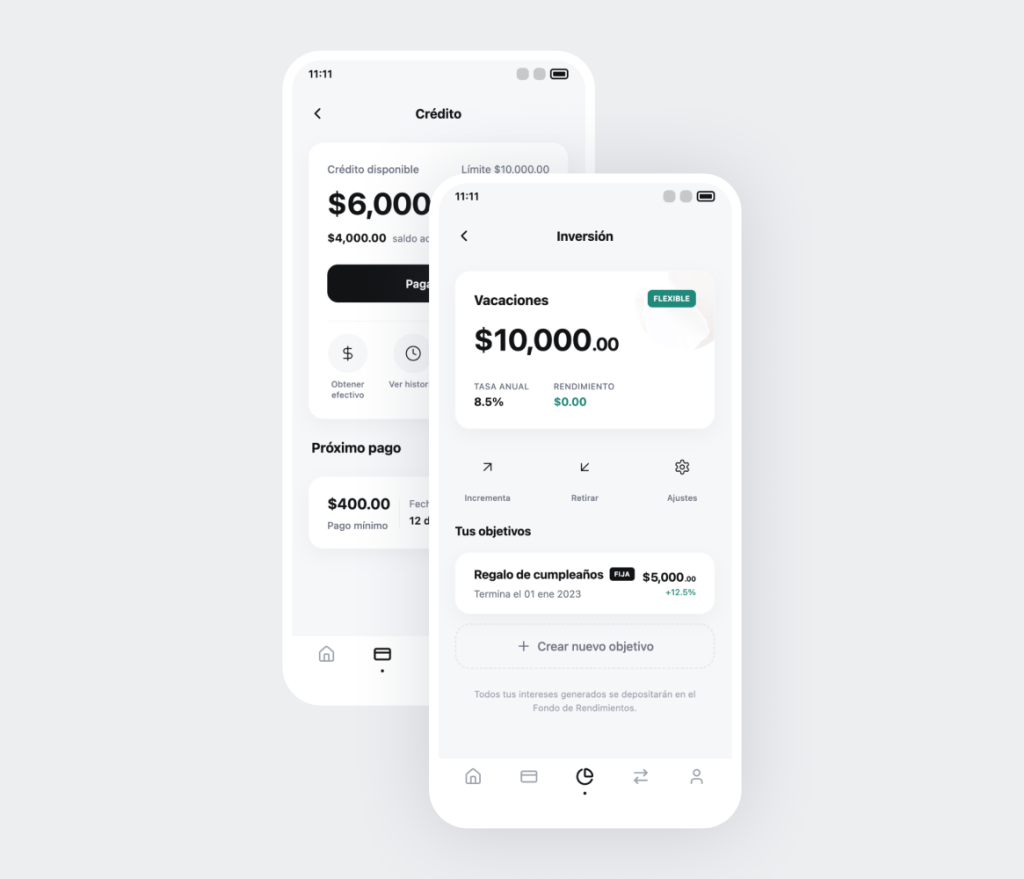
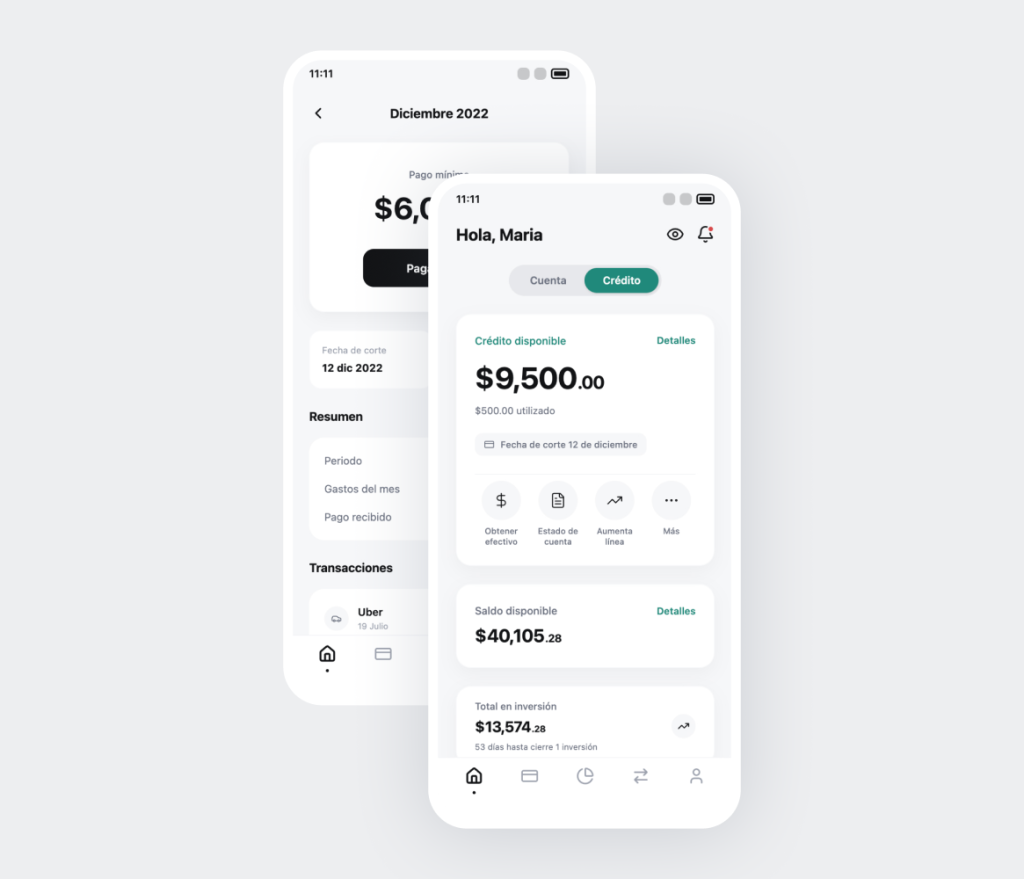
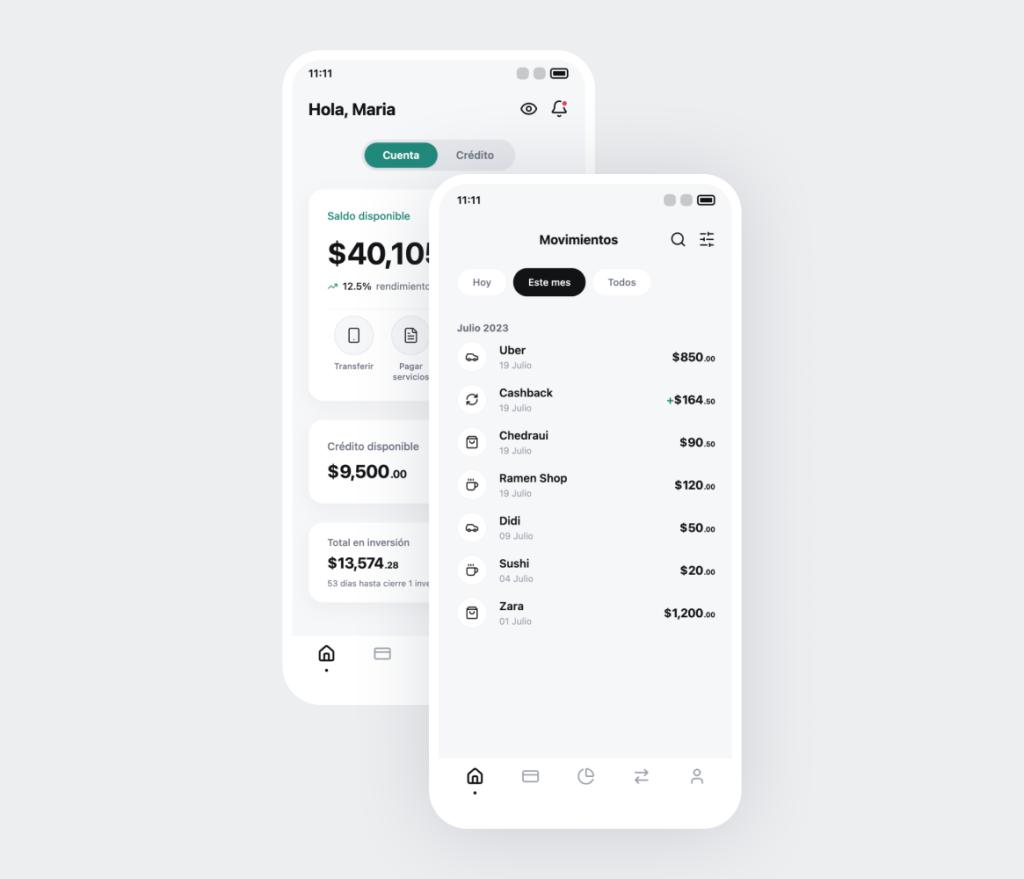
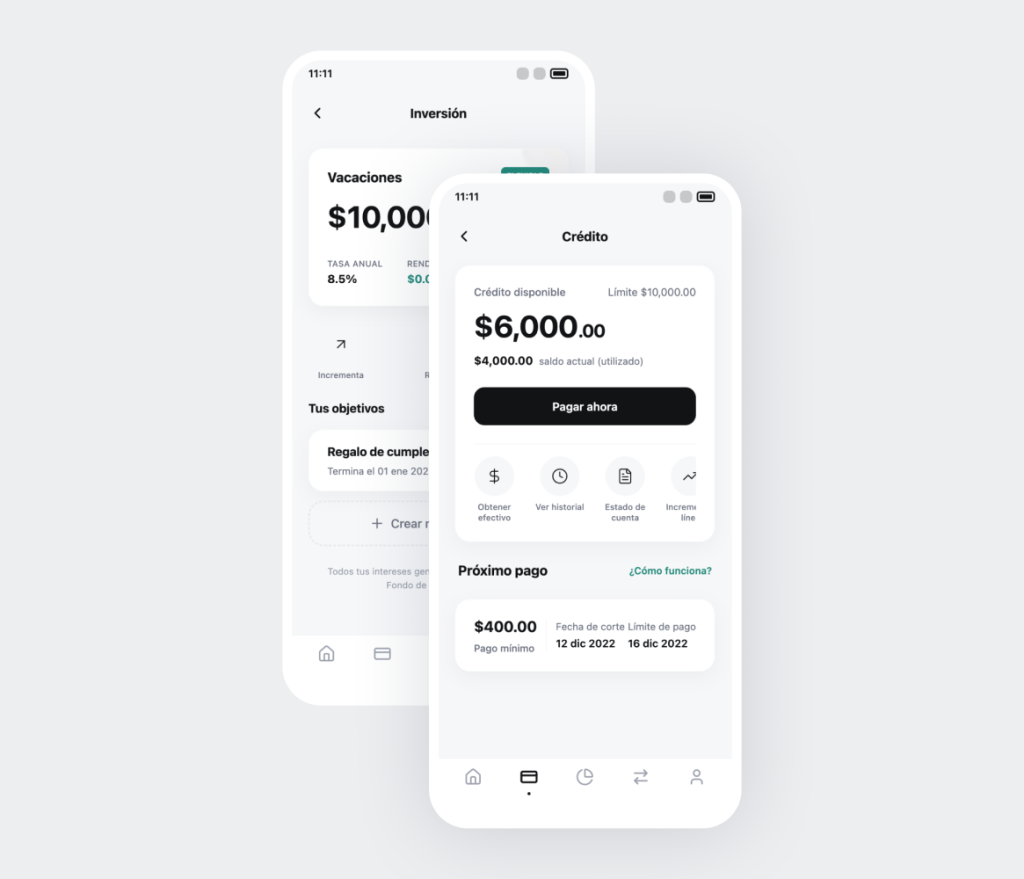
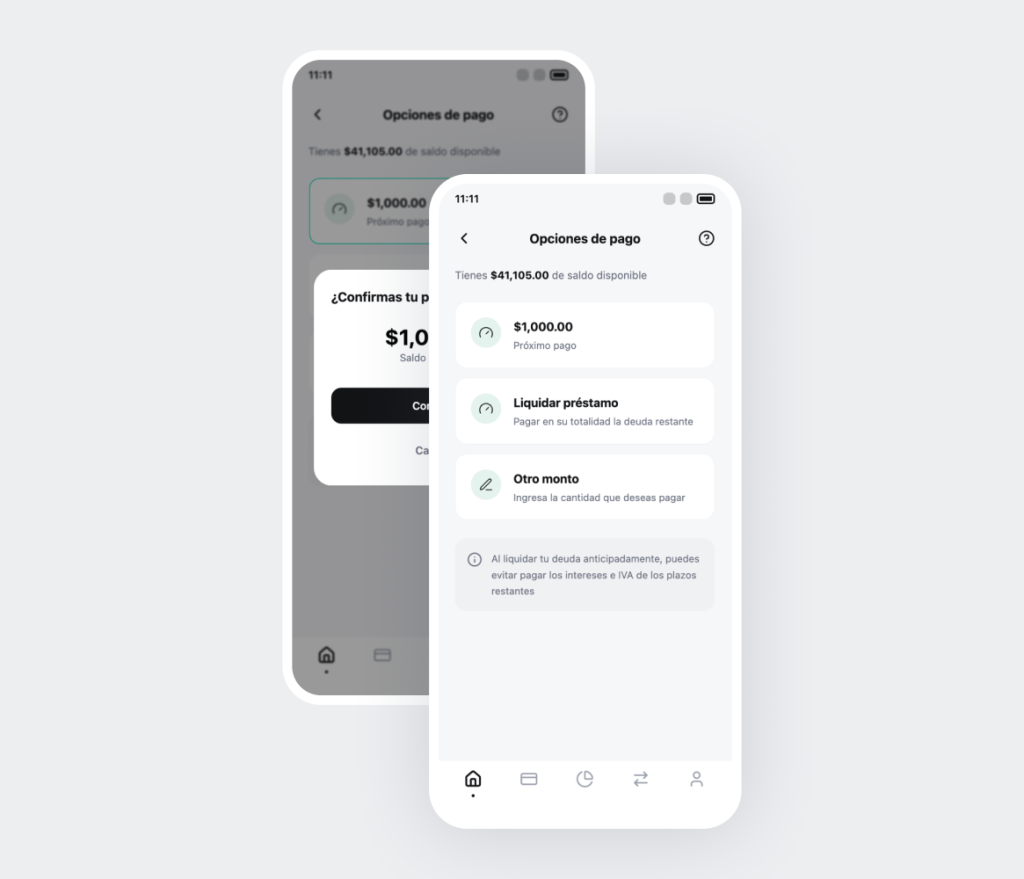
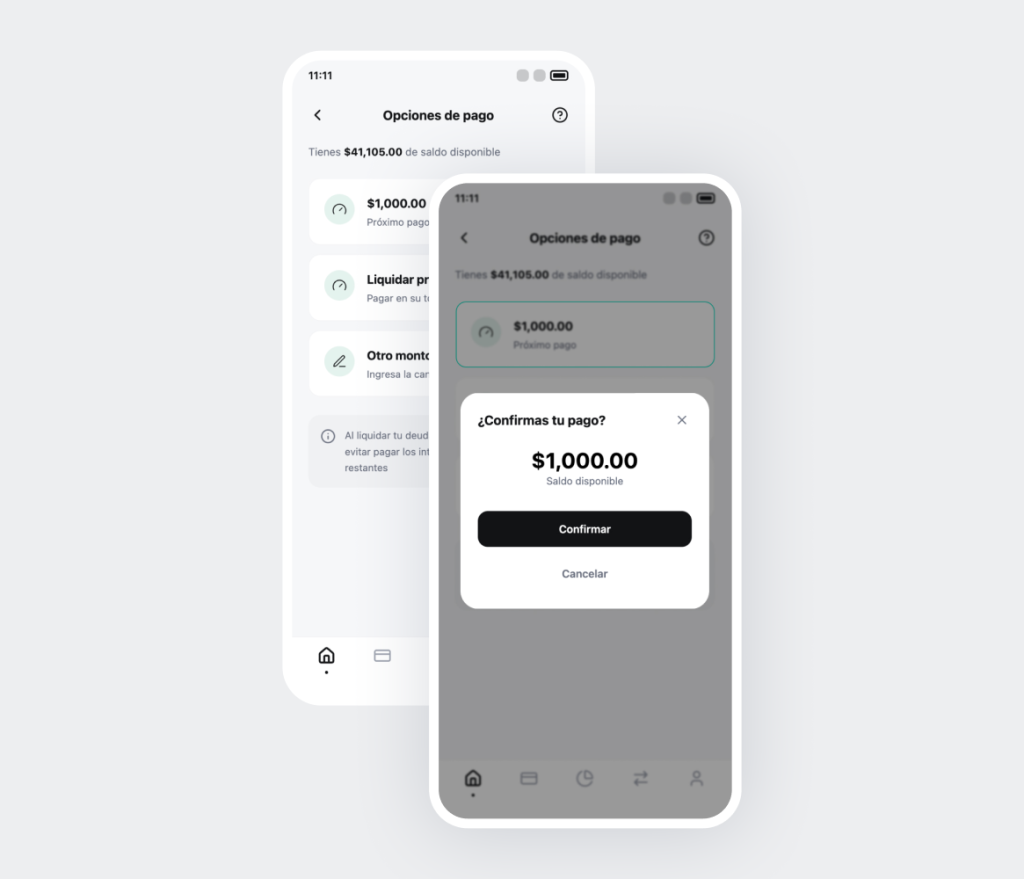
The final product of our mobile application development for banking is a fully digital, mobile-first banking platform designed for the Latin American market, enabling customers to open and manage bank accounts entirely online. The result of mobile application development for banking was a solution provides fast access to essential financial services while meeting the region’s regulatory, security, and scalability requirements.
Users can complete remote onboarding and identity verification directly from their smartphones, including personal data submission, document capture and recognition, and video-based verification. This allows accounts to be opened within minutes, without visiting a physical branch.
Once onboarded, customers gain access to a real-time banking experience, including instant balance updates, transaction history, and notifications. After being put into action when money transfer app development services are delivered, the platform supports everyday banking operations such as transfers, payments, and account management, with a strong focus on reliability and performance.
The system is built on a modular, API-driven architecture, enabling independent development and deployment of different platform components. This approach supports continuous delivery of mobile application development for banking, high availability, and seamless integration with third-party services and internal systems.
Security and compliance are embedded at every level of the platform. The solution adheres to fintech-grade standards for data protection, authentication, and transaction security, ensuring customer trust and regulatory alignment across multiple Latin American jurisdictions.
Overall, the platform delivers a modern, branchless banking experience tailored to the expectations of digitally native users in Latin America, combining ease of use, robust security, and the flexibility required to scale across markets.
Business Effects for Client
Business effects for the client from our mobile app development services were plenty. The delivered solution enabled our client to rapidly enter the Mexican market with a production-ready, fully digital banking platform, significantly accelerating time-to-market and reducing operational dependency on physical infrastructure. As a result, our client strengthened its competitive position in the Latin American fintech space while establishing a scalable foundation for revenue growth and regulatory expansion.
- Faster customer acquisition: fully remote onboarding reduced account opening time from days to minutes, contributing to an estimated 30–50% increase in completed registrations compared to branch-based or hybrid models.
- Lower operational costs: digital-first architecture and automated KYC processes helped reduce onboarding and servicing costs by approximately 40–60% per customer.
- High user adoption and satisfaction: after mobile application development for banking was completed, the app had a successful public launch in Mexico with strong ratings in Google Play and Apple App Store (estimated 4.5+ average rating), indicating positive user experience and product-market fit.
- Regulatory readiness: fintech-grade security and compliance mechanisms positioned our clientto move closer to becoming a fully licensed digital bank and to expand into additional Latin American markets with reduced regulatory adaptation effort.
Overall, the loan lending mobile app development services led to a solution that provided our client with a robust technical and business foundation to scale its digital banking offering, grow its user base, and expand its financial product portfolio in line with its long-term strategic goals.