




































































































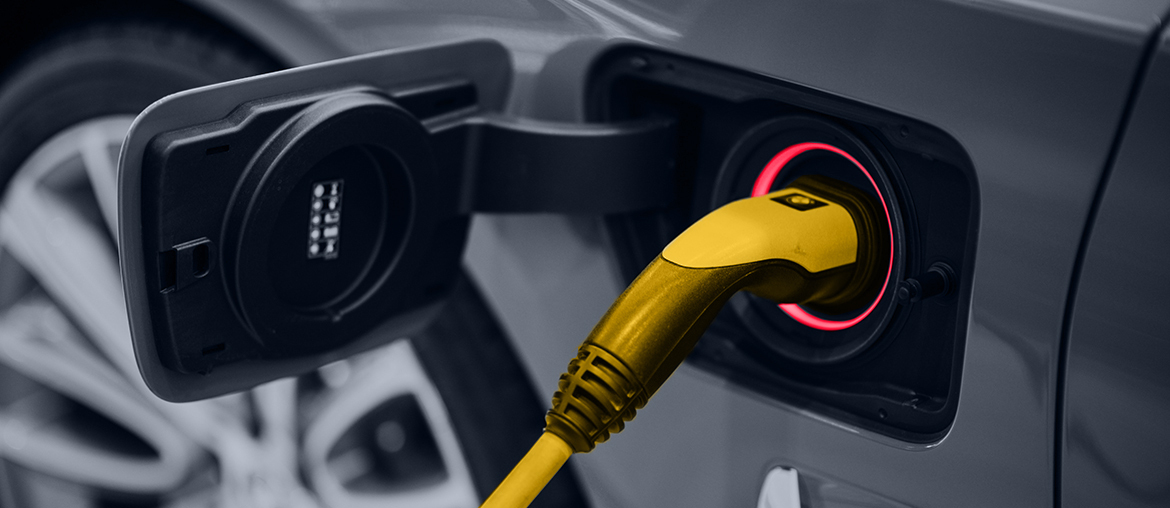










































Diabetes remote patient monitoring connects devices like а smart insulin pen and an insulin pump to EHR software development company platforms for real-time data capture, billing, and compliance. A Bluetooth-enabled smart insulin pen transmits dosing data to the EHR, while an insulin pump shares glucose and delivery records. These integrations support RPM billing, automate compliance checks, and ensure regulatory documentation. The focus is on device connectivity, secure data transfer, and accurate billing—not general diabetes software.
What Is Diabetes Remote Patient Monitoring (RPM)?
Remote patient monitoring diabetes uses continuous glucose monitoring and connected devices to capture physiological data outside the clinic. Medical device software development services enable secure, automated data transfer from CGMs, insulin pens, and pumps to clinical systems. RPM is distinct from general diabetes software because it supports billing, compliance, and real-time clinical decision-making based on device-generated health data.
Why Diabetes RPM Matters
Diabetes remote patient monitoring with smart insulin pen data enables clinicians to adjust therapy between visits, reducing acute events. Telemedicine app development company solutions use RPM to close care gaps, improve outcomes, and support reimbursement. RPM is essential for value-based care, as it documents device use, supports CPT billing, and provides actionable insights for both patients and providers.
Connected Device Taxonomy for Diabetes RPM
Diabetes remote patient monitoring use four device categories: Bluetooth glucometers (Bluetooth), cellular meters (4G/5G-CAT-M), CGMs (Bluetooth/cellular), and AID systems (Bluetooth/cellular). Bluetooth devices transmit data directly to apps or hubs. Cellular meters send readings via mobile networks, independent of WiFi. CGMs and AID systems use both Bluetooth and cellular for continuous, automated data transfer to clinical platforms.
Glucose Meters and Connected Testing
Smart insulin pen and continuous glucose monitoring platforms integrate Bluetooth glucometers and cellular meters. Bluetooth glucometers send readings to paired apps, while cellular meters (using 4G/5G-CAT-M) transmit data directly to the cloud. The Telcare BGM cellular meter uploads glucose results without requiring an app or WiFi, streamlining remote monitoring.
Continuous Glucose Monitors: rtCGM and isCGM
Smart insulin pen platforms now support Dexcom G7 (30-minute warm-up, 288 readings/day, integrates with Tandem/Omnipod/Twiist AID), and Abbott FreeStyle Libre 3/Libre 3 Plus (1440 readings/day, 15-day wear, Libre 3 Plus AID compatible). New OTC CGMs—Dexcom Stelo and Abbott Lingo (FDA, June 2024)—target non-diabetics and are not insurance-covered. FDA issued a safety warning in November 2025 for Libre 3/Libre 3 Plus (~3 million US devices) due to inaccurate low glucose readings.
Smart Insulin Pens and Connectivity
Remote patient monitoring diabetes platforms support Medtronic InPen (flagship US connected pen), MiniMed Go (InPen + Abbott CGM Instinct + app, FDA-cleared K253470, January 15, 2026), and Bigfoot Unity (smart caps + FreeStyle Libre 2, BURST study: HbA1c 9.2%→7.9%). NovoPen 6/Echo Plus are not approved in the US. ADA 2025 Standards of Care: Level B recommendation for a smart insulin pen in multiple daily injection patients.
Insulin Pumps and Automated Insulin Delivery (AID)
Diabetes remote patient monitoring and insulin pump platforms support six US AID systems: Tandem t:slim X2 (Control-IQ+), Tandem Mobi (screenless), MiniMed 780G, Omnipod 5 (tubeless, Dexcom G6/G7 + Libre 2 Plus compatible), Beta Bionics iLet (no carb counting), Sequel twiist (Libre 3 Plus + Eversense 365 compatible). T1D Exchange Registry: 82% pump, 95% CGM use (T1D cohort). In the general population, <25% initiate hybrid closed-loop; up to 30% discontinue within 6 months (weak evidence, interpret cautiously).
Elinext designs secure data pipelines for device integration, billing workflows, and compliance requirements.

RPM/RTM Reimbursement: 2026 CPT Codes for Diabetes Monitoring
Remote patient monitoring diabetes and mHealth app development services must align with 2026 CPT codes. RPM codes (99453, 99454, 99457, 99458, 99470) apply to physiological data from CGMs, smart insulin pens, and pumps. RTM codes (98975, 98976, 98977, 98980, 98981) are for therapy adherence, not diabetes physiological data—no diabetes-specific RTM codes exist.
CPT Code Table
| Code | Purpose | Status 2026 |
|---|---|---|
| 99453 | Initial setup/patient education | Now requires a minimum of 2 days of monitoring for billing |
| 99445 | Device supply, 2-15 days of data for 30 days | NEW code 2026, billed at rate 99454 |
| 99454 | Device Supply, 16+ days of data for 30 days | No change |
| 99457 | Treatment Management, First 20 min/month | No change (0.61 RVU) |
| 99458 | Treatment Management, Every Additional 20 min | No change |
| 99470 | Treatment Management, 10-19 min/month | NEW 2026 Code, 0.31 RVU |
| 99091 | Data Analysis | No change (1.10 RVU) |
| 98984 / 98979 | RTM: Device Supply (2-15 days) / Management (10 min) | BOTH new 2026 codes are for RTM |
Data Interoperability and Regulatory Standards
Continuous glucose monitoring platforms must address more than “we support FHIR.” HL7 FHIR, IEEE 11073, and iCoDE standards are required for true interoperability. Only these standards ensure consistent, multivendor data exchange and regulatory compliance.
Our healthcare data analytics solutions help remote patient monitoring diabetes platforms automatically track device-supply days and monitoring minutes.
HL7 FHIR, IEEE 11073, and the iCoDE Standard
FHIR Observation (glucose readings, insulin doses), Device (manufacturer/model/UDI), Patient (attribution), and DeviceMetric (measurement properties) resources structure diabetes device data. IEEE 11073 standardizes glucose meter communication. The Diabetes Technology Society’s iCoDE standard provides a canonical data model for multivendor normalization and generic “FHIR support” does not solve this integration challenge.
FDA Classification: ACE Pumps, iCGMs, and SaMD
FDA classifies ACE pumps (interoperable insulin pumps) and iCGMs (integrated CGMs) for modular diabetes therapy. De Novo pathway is for novel devices (e.g., first ACE pump: Tandem t:slim X2, 2019); 510(k) is for devices with a predicate. SaMD (Software as a Medical Device) is regulated via 510(k), De Novo, or PMA, depending on risk and novelty.
Architecture and Reliability Requirements for Device-Connected RPM
Diabetes remote patient monitoring platforms require engineering beyond simple API connections. Vendors impose API rate limits, so systems must manage polling frequency or use webhooks for real-time updates. Data validation is essential before writing to the EHR to prevent errors. BLE and cellular device cybersecurity must be enforced to protect PHI. Data normalization across vendors ensures consistent analytics and billing compliance.

Choosing between custom smart insulin pen integration and a ready-made platform is complex. Elinext tailors solutions to your workflow, ensuring compliance and reliable data capture. This approach reduces integration risk and supports accurate RPM billing.

Key Takeaways
- Diabetes remote patient monitoring requires secure device connectivity, billing automation, and regulatory compliance.
- 2026 CPT codes for RPM and RTM define billing requirements for CGMs, smart insulin pens, and pumps.
- Medicare covers prescription CGMs and smart pens, but not OTC CGMs like Stelo or Lingo.
- Interoperability standards (FHIR, IEEE 11073, iCoDE) are essential for multivendor data normalization.
- Engineering reliability and compliance are as critical as device selection — see our conclusion for actionable next steps.
Conclusion
Healthcare software development services must address device integration, billing, and compliance for diabetes remote patient monitoring. In 2026, 95% of T1D patients use CGMs and 82% used insulin pumps (T1D Exchange Registry). Medicare covers prescription CGMs and smart insulin pens, but not OTC CGMs. Platforms must support FHIR, IEEE 11073, and iCoDE standards for interoperability. Accurate RPM billing relies on 2026 CPT codes and automated compliance tracking. A hospital using integrated RPM increased billing accuracy and reduced manual errors by 30%.
FAQ
-
Remote diabetes monitoring (RDM) is the use of connected devices to collect and transmit physiological data, such as glucose levels, from patients to physicians. A continuous glucose monitoring (CGM) system sends real-time glucose readings to a physician’s dashboard for analysis and action.
-
Connected devices in RDM for diabetes include continuous glucose monitoring (CGM) systems, smart insulin pens, insulin pumps, and glucometers with Bluetooth or cellular connectivity. Both a CGM and a smart insulin pen can transmit data to a remote monitoring platform.
-
The smart insulin pen connects to the app via Bluetooth. The pen transmits dosage data to the paired app, which then uploads the information to the physician’s monitoring system for analysis and billing.
-
In 2026, continuous glucose monitoring (CGM) systems will be covered by Medicare Part B and most private insurance companies if prescribed for the treatment of diabetes. Coverage requires a separate receiver and documented medical necessity. Over-the-counter CGM systems, such as the Dexcom Stelo and Abbott Lingo, are not covered.
-
CPT codes for real-time diabetes monitoring (RPM) in 2026 include 99453 (setup), 99454 (device supply, ≥16 days/month), 99457 (first 20 minutes of administration), 99458 (additional 20 minutes), and 99470 (new, check CMS.gov).
-
RPM billing is used for physiological data (e.g., glucose levels with CGM, insulin dosing with smart pens). RTM billing is used for adherence or treatment response. Diabetes monitoring uses RPM codes, not RTM.
-
An automated insulin delivery (AID) system combines a continuous glucose monitor (CGM), an insulin pump, and a control algorithm to automatically adjust insulin doses. The Tandem t:slim X2 with Control-IQ+ is an AID system.
-
Connected diabetes devices communicate with EHRs using HL7 FHIR (Observation, Device, Patient) resources and standards such as IEEE 11073. For example, a CGM sends glucose readings to the EHR via the FHIR Observation resource.