





















































































































































I’ve spent the last several years building and debugging transaction monitoring systems for banks that process millions of transactions a day. Across four different projects, I kept running into the same lesson: AML software rarely fails because the rules are wrong. It fails because nobody can explain why an alert fired six months later, when FinCEN comes asking.
This post walks through those four systems: what we built, what broke once it hit production, and what I’d change if I started over. AML monitoring rarely sits in isolation. It’s one piece of the broader financial software development services work that keeps a bank running, so a lot of what follows applies beyond AML alone. If you’re a CTO or Head of Financial Crime weighing a rebuild, treat this as the practitioner’s notebook, not the vendor pitch.
What Is AML Software?
Start with the basics, since every one of those four projects began from the same definition. That’s the baseline behind any aml anti money laundering software platform: it monitors financial transactions in real time, flags patterns that suggest money laundering or fraud, the same pattern-matching problem behind most fraud detection solutions for financial organizations, and produces the documentation a bank needs to file a SAR with FinCEN. Under the Bank Secrecy Act, that isn’t optional. It’s a legal requirement.
Technically, picture a pipeline: ingestion, rule or model scoring, case management, and an audit trail running underneath all of it. None of the four systems I built struggled with the obvious part, catching bad transactions. What broke, every single time, was the part nobody budgets for: reconstructing and defending a decision months after it was made.
Getting AML architecture right the first time saves years of rework later.

How Anti-Money Laundering Software Actually Works
To see where that reconstruction problem actually starts, it helps to walk through what happens to a single transaction. Picture it hitting the bank’s core system, wherever the payment processing software development services stack happens to route it. First, it gets ingested into a streaming pipeline, something like Kafka, within milliseconds, arriving from core banking rails, card networks, or embedded finance solutions layered on top, alongside customer profile data pulled from KYC software solutions and historical behavior. From there it moves through scoring: rule-based checks such as structuring (a pattern that shows up constantly in money transfer app development services), round-dollar amounts, and rapid movement between accounts, running alongside statistical or ML models watching for deviation from a customer’s normal pattern.
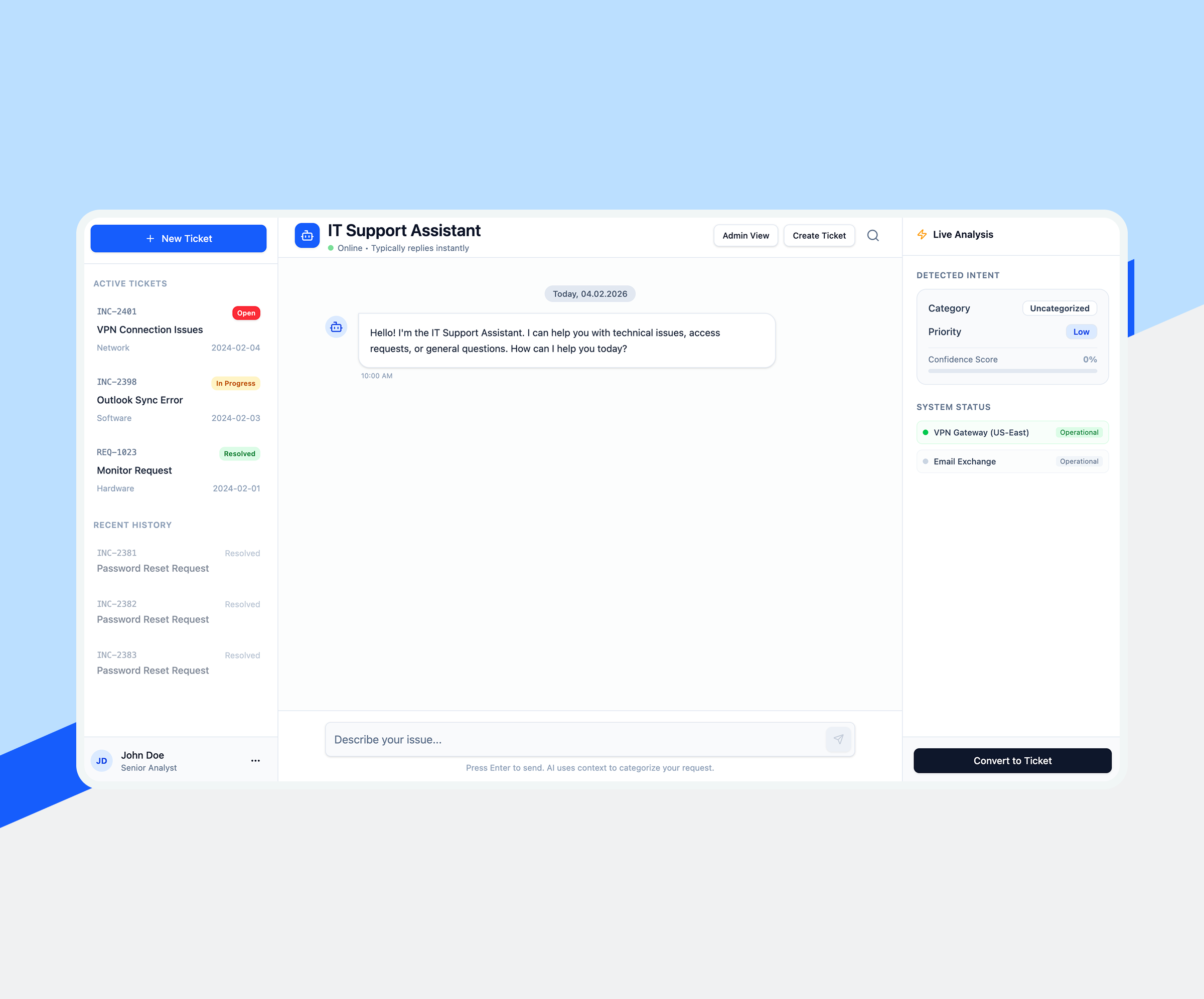
Cross a threshold and the transaction doesn’t just get an alert. It gets a case, the same layer often sold separately as AML case management software, with every input that shaped the score attached to it. An analyst reviews the case, and if it looks suspicious, that same case becomes the backbone of a SAR filing to FinCEN. The whole chain, from transaction to decision, needs to stay reconstructable indefinitely. That last requirement is where three of my four projects eventually ran into trouble.
The Hybrid Alternative: Rules You Can Read Aloud in a Boardroom
By the third rebuild, I’d stopped chasing model sophistication altogether. The systems that survived audits were the ones where a compliance officer could read the underlying logic out loud, and it made sense on its own. That became the design constraint going forward: every alert has to trace back to something explainable, even in the parts of the pipeline where a model is involved.
-
Why 3× More Alerts Beat a Lower False Positive Rate
Sounds backward, but I’ll take a noisier system I can defend over a quiet one I can’t explain. When an examiner asks why an alert fired, or why one didn’t, “the model decided” isn’t an answer anyone can build a case around. More alerts tied to clear rules slows down triage, sure, but it also removes the moments where your team is guessing at its own logic in front of FinCEN.
-
Where Targeted ML Actually Earns Its Place
None of this means ML has no role. It just means the role stays narrow. On these projects, we used it for specific jobs: entity resolution across accounts, clustering similar typologies, ranking case priority for analysts, never as the sole reason an alert fires. Keep it scoped to supporting human review rather than replacing the audit trail, and it earns trust instead of raising more questions.
The Question to Ask Before Any AML Modernization Project
That third rebuild is also where I started opening every new project with the same question, and it’s the one I’d hand to anyone reading this: can you explain this alert to an examiner two years from now, using only what the system stored? Most teams can’t answer yes, and that gap, not detection accuracy, not alert volume, not model performance, is the real risk.
Modernization projects tend to start with the exciting part: better scoring, faster ingestion, smarter clustering, often the same features bundled into flashy payment gateway development services pitches. Those pieces matter, but they’re rarely where audits go sideways. Audits go sideways in the space between “the system flagged this” and “here’s exactly why, with every input preserved.” Skip that question at the start, and you end up polishing the part of the system that was never actually your risk to begin with.

AML is hard because the failure isn’t technical. You’re not just catching bad transactions, you’re defending your reasoning months later to someone who wasn’t in the room. At Elinext, we build the audit trail before we touch the scoring logic, so every alert carries its own evidence from day one. The real payoff isn’t a lower false positive count. It’s an exam season where your team spends hours pulling evidence, not weeks.

Key Takeaways
Pull those four rebuilds together, and they collapse into the same five lessons:
- Explainability beats sophistication. A model that can’t justify itself in plain language will fail at exam time no matter how well it tests. Design for reconstruction first, detection second, since that order matters more than most rebuilds admit upfront.
- More alerts aren’t the enemy. A noisier system built on rules you can defend beats a quiet one you can’t explain. Triage load is a staffing problem; an unexplainable alert is a regulatory one, so choose your battles accordingly.
- Scope ML narrowly. Use it for entity resolution, clustering, and case prioritization rather than as the sole reason an alert fires. Machine learning should support analyst judgment, not replace the paper trail examiners will eventually ask for.
- Audit trail is architecture, not an afterthought. Every score, input, and threshold needs to be stored and retrievable indefinitely. Retrofitting this after launch costs more than building it into the pipeline from day one.
- Ask the hard question early. Before any modernization project starts, confirm the system can explain any alert years later using only what it stored. That question, more than model performance, predicts whether the rebuild actually succeeds.
Conclusion
Four systems, four different failure points, and yet the root cause was the same every time: we built for detection and treated explainability as a documentation task instead of an architecture decision. That’s backward. The banks that pass exams smoothly aren’t running smarter models. They’re running systems where every alert can be walked back to its evidence without anyone scrambling.
If you’re planning a rebuild, don’t start with the scoring logic. Start with the question examiners will ask two years from now, and build backward from there. That’s the actual test of any BSA/AML compliance software project. Everything else, rules, ML, case management, should serve that answer rather than the other way around.
Happy to swap notes on yours.

FAQ
-
It’s the system that monitors transactions in real time, flags suspicious patterns, and builds the case files banks need for regulators. Think detection plus documentation, not just one or the other.
-
Anti-Money Laundering. In practice, it covers any system built to detect, document, and report financial activity that might involve laundering, fraud, or sanctions violations.
-
Streaming pipelines like Kafka, rule engines, case management platforms, and sometimes ML models for clustering or entity resolution. The stack matters less than how well it all stays auditable together.
-
It scores transactions against rules (structuring, rapid movement) and behavioral baselines. When a score crosses a threshold, it opens a case with every contributing input attached for review.
-
A SAR is the formal filing a bank submits to FinCEN when a transaction looks like it might involve money laundering or other financial crime. It’s a legal requirement under the Bank Secrecy Act.
-
Both, but not equally. Rules should carry the weight of alert decisions since they’re explainable. ML works best in a supporting role (prioritization, clustering), not as the sole trigger.
-
There’s no single answer: it depends on transaction volume, existing infrastructure, and risk appetite. The most effective systems are the ones built around explainability, not just detection accuracy.
-
For a mid-size bank, a full rebuild typically runs 12 to 18 months, depending on legacy system complexity and how much of the audit trail needs to be built from scratch.