
Let me start with the short answer. Crypto wallet development means creating secure digital tools that let users store, send, and receive cryptocurrencies. Who needs this? In 2026, not just fintech startups anymore – retailers, SaaS platforms, marketplaces, and even logistics firms demand more and more direct control over payments, lower fees, and access to a global, always-on economy.
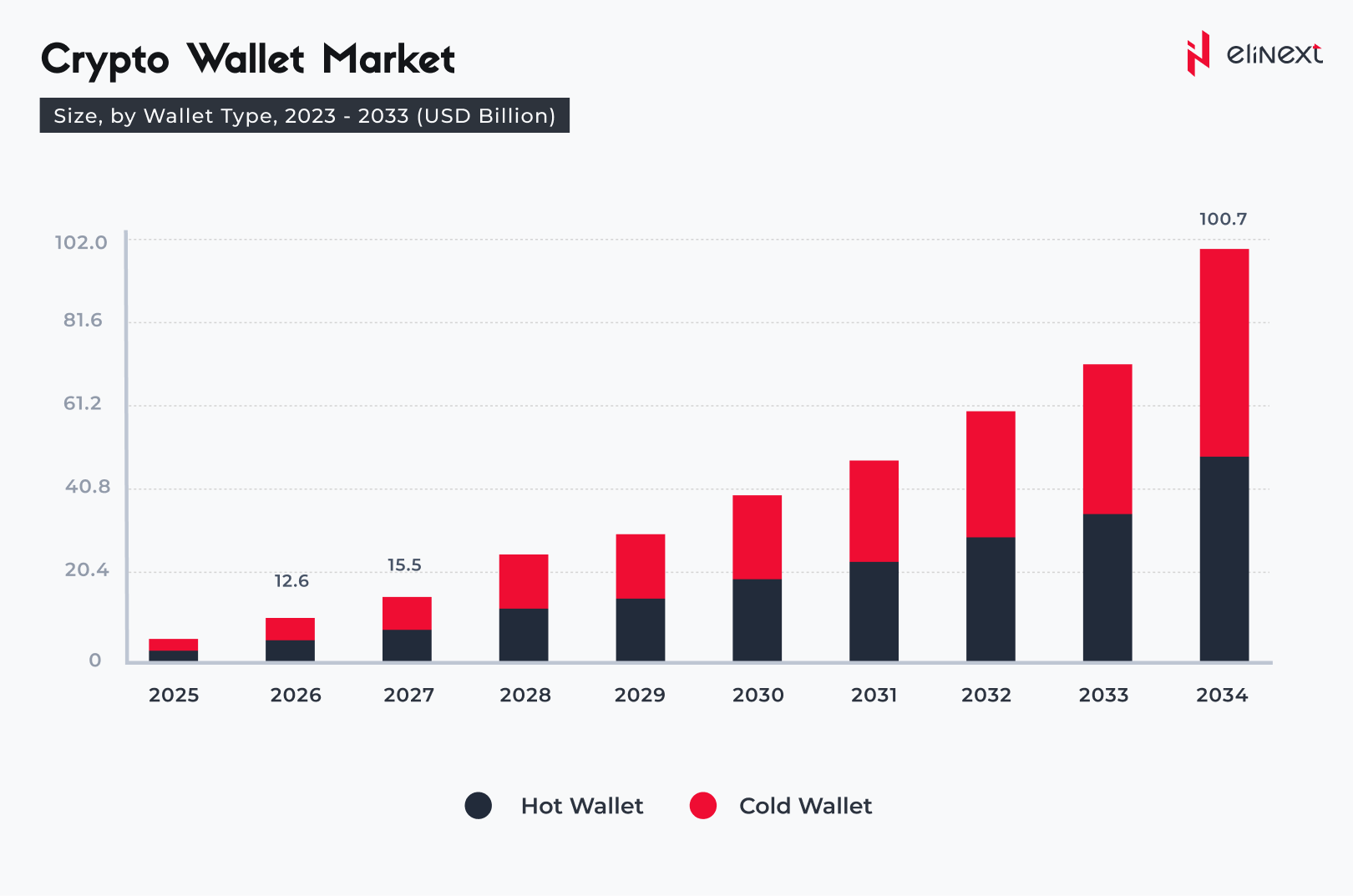
Crypto adoption isn’t some niche trend anymore. Over 420 million people worldwide already use cryptocurrencies, and that number keeps climbing. Stablecoins alone process trillions in annual transaction volume. Businesses are noticing that customers expect faster, borderless payments, and wallets are the gateway to that experience. Ignoring this shift today feels a bit like ignoring mobile apps back in 2010.
What is a Cryptocurrency Wallet?
A crypto wallet is like a digital keychain. It doesn’t store money, no; it stores the private keys that prove you own your funds on the blockchain. When you send crypto, you’re signing a transaction, like approving a bank transfer, but without the bank. Let us give a simple example: apps like MetaMask or Trust Wallet let you tap “send,” confirm, and the network does the rest, securely and instantly.
Why Every Business Should Use Cryptocurrency Wallet?
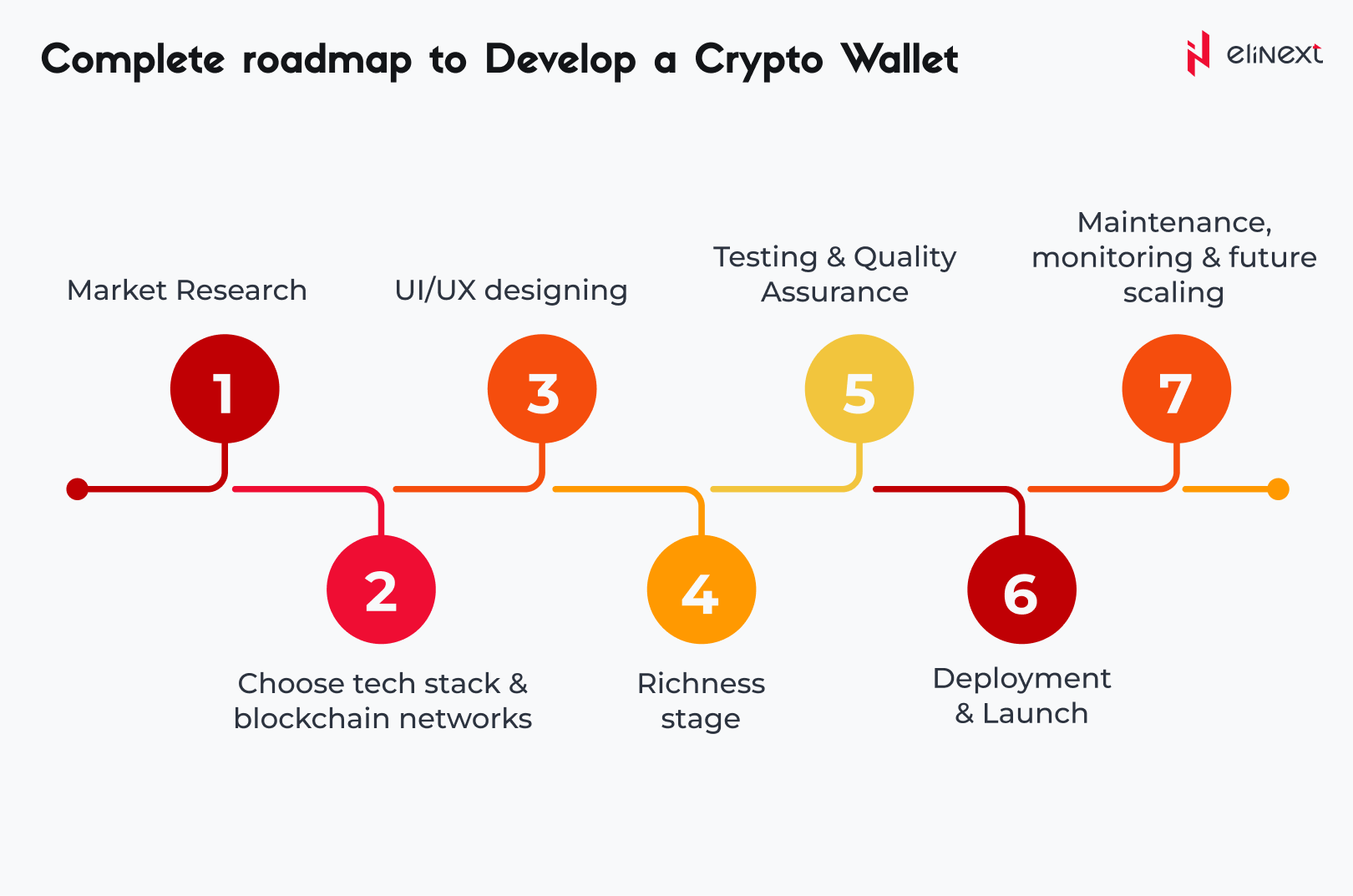
Let me put it this way: if your business already accepts digital payments, crypto wallets are just the next logical step. They cut out middlemen, reduce fees, and open access to a global audience. I’ve seen companies move from slow bank wires to instant settlement. The shift isn’t theoretical anymore but already part of daily operations.
-
The Growing Popularity of Cryptocurrency
Crypto isn’t a fringe idea anymore. Millions of users pay, trade, and hold assets daily. Businesses follow customers now, not the other way around. If people prefer crypto, companies that accept it gain an edge.
-
Simplifying Payments and Transactions
Consider cross-border payments. Banks take days, fees add up, and delays hurt cash flow. With a wallet, transactions settle in minutes. No intermediaries, no approval chains, and just direct, transparent transfers.
-
Expanding Your Customer Base
Crypto removes borders. A customer in Brazil or Japan can pay you as easily as someone next door. No currency exchange issues, no friction. That’s a whole new market without opening new offices and spending millions on staff.
-
Enhancing Security and Reducing Risk
Traditional systems rely on central control, which creates single points of failure. Whereas crypto wallets shift control to private keys. With the right setup, businesses reduce fraud risks and gain more control over their funds.
-
Adapting to the Future of Business
Let’s be honest: this isn’t just a trend. It’s infrastructure. Just like websites or mobile apps became standard, wallets are moving in the same direction. Early adopters not just keep up, but they set the pace over the long run.
Still thinking about crypto wallets as “optional”?
Build yours now before your competitors make the move first.
Key Types of Cryptocurrency Wallets
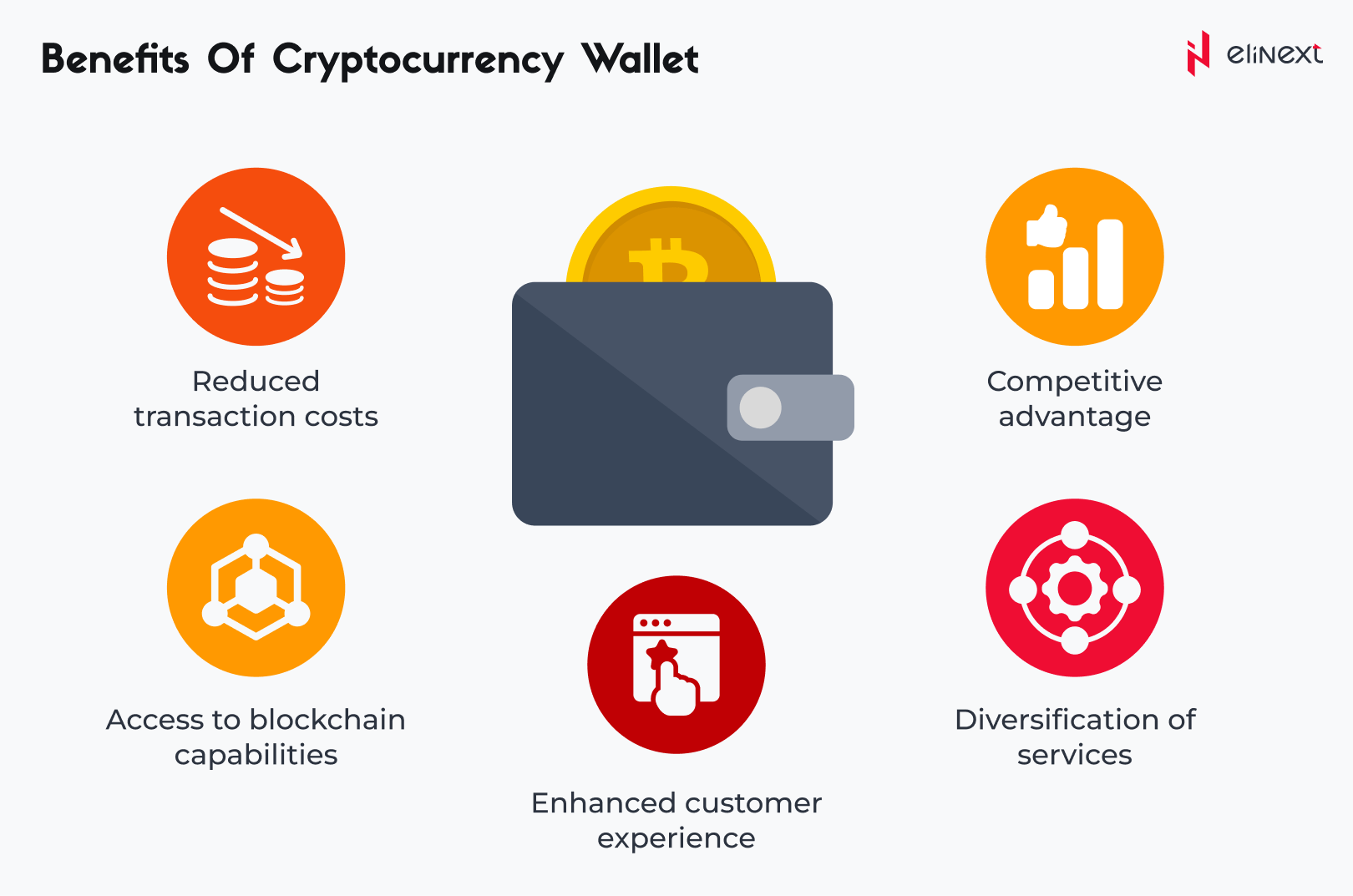
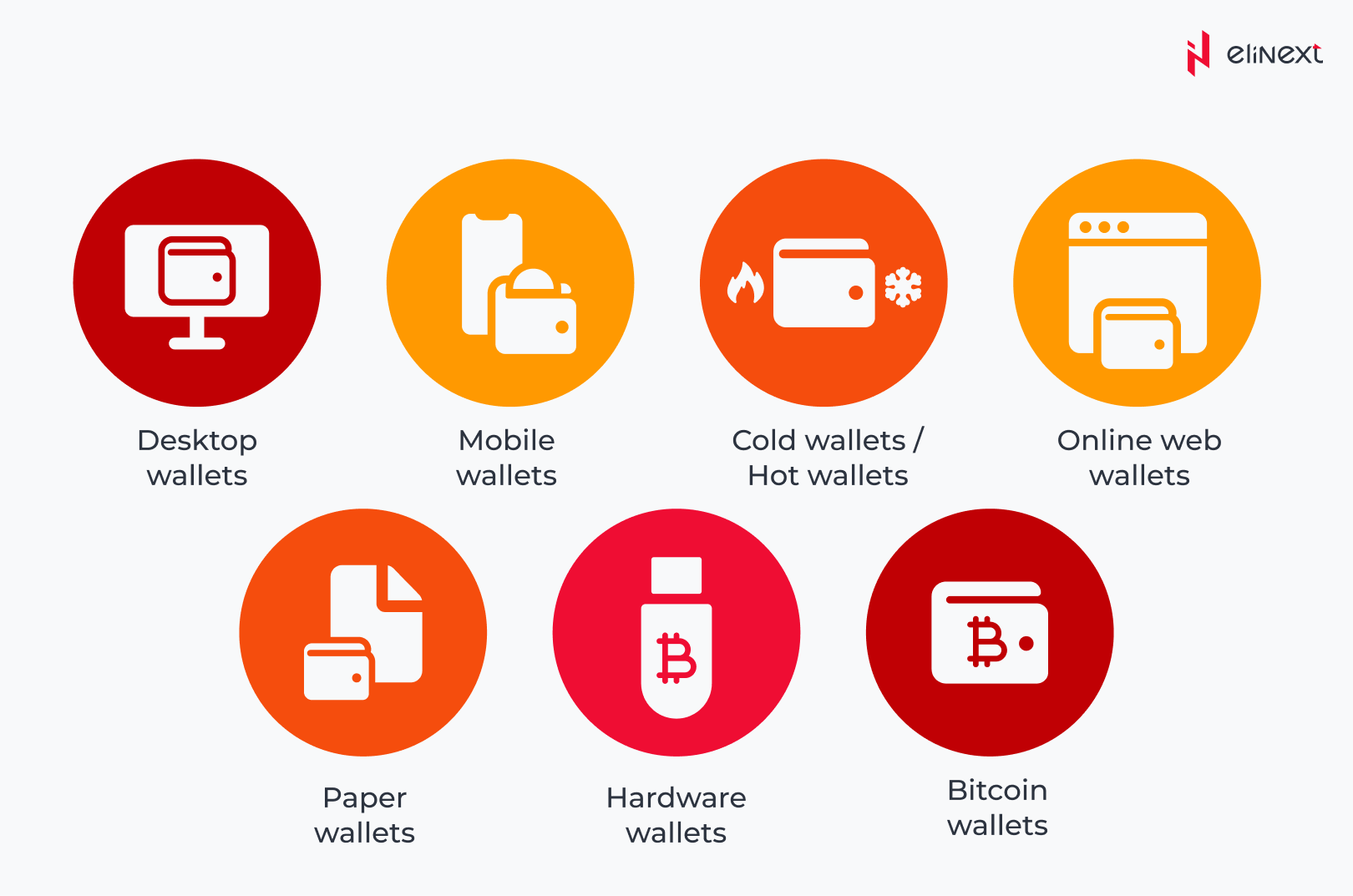
Not all wallets serve the same purpose, and that’s where many businesses get it wrong. The right choice depends on how you handle funds, user access, and security. I usually tell clients: pick a cryptocurrency wallet development type that matches your workflow, not just the trend.
-
Online/Web Wallet
This is a browser-based wallet that runs on cloud infrastructure. It’s easy to access from anywhere, which makes it perfect for fast transactions and user-facing platforms. The trade-off? You rely on online security, so protection must be tight.
-
Full Node Wallet
A full node wallet downloads the entire blockchain and verifies transactions independently. It offers maximum control and trust since you don’t depend on third parties. Ideal for businesses that value transparency and full validation.
-
Custodial Wallet
Here, a third party manages private keys on your behalf. It’s simple for users since there is no need to handle complex security. Businesses use this to onboard customers quickly, but it requires strong trust in the provider.
-
Coin-Specific Wallet
This wallet supports a single cryptocurrency, like Bitcoin or Ethereum. It’s optimized for that network, which means better performance and features, but limited flexibility if you deal with multiple assets.
-
Universal Wallet
A universal wallet supports multiple cryptocurrencies in one place. It’s practical for businesses that accept various tokens. Instead of juggling apps, everything sits under one system, simpler for both you and your users.
-
Desktop Wallet
Installed on a local computer, this wallet gives users direct control over their keys. It’s more secure than web wallets if managed properly. Best suited for businesses that need regular access without going fully online.
-
Hardware Wallet
This is a physical device that stores private keys offline. Think of it as a one-of-a-kind vault disconnected from the internet. It’s one of the safest options, often used to protect large amounts of crypto.
-
Paper Wallet
A paper wallet is simply a printed version of your private and public keys. No digital exposure at all. It’s highly secure if stored correctly, but not practical for frequent transactions or everyday business use.
-
Network-Specific Wallet
Designed for a particular blockchain ecosystem, like Solana or Polygon. It offers tailored features and better integration within that network, which helps businesses operating inside specific ecosystems.
Quote
The real issue I see is that businesses still depend on outdated payment rails – slow, expensive, and full of friction. A crypto wallet shifts control back to the company. At Elinext, we offer cryptocurrency wallet development services that fit existing systems without chaos. The result? Faster cash flow, lower costs, and way more flexibility in how you operate.
Explore Cryptocurrency Wallet Development Services by Elinext
At Elinext, we don’t just build wallets. We go much further and design full crypto ecosystems that fit your business model. From blockchain development services to web3 wallet development services and decentralized exchange (DEX) development services, the focus stays practical: secure architecture, smooth UX, and real business value without overcomplication.
What is the Future of Cryptocurrency Wallet Development
Crypto wallet app development will define how businesses interact with digital value in the next decade. We’re already seeing wallets evolve into full financial hubs – payments, identity, loyalty, even access control. Some companies will lean on custodial models, others will push toward full self-custody. My take? Hybrid wallets win, as they stay secure, compliant, but still user-controlled.
Still treating crypto like an experiment?
Build the wallet your future customers already expect.
Conclusion
Crypto wallet development gives businesses direct control over payments, data, and customer relationships. What we’ve talked about isn’t theory. It’s already reshaping how companies move money and build trust. The real question isn’t “if,” but how fast you adapt. Those who act early don’t just keep up; no, they define the rules of the game.
Cryptocurrency Wallet Development: Terms Explained
-
Private Key
A secret code that proves ownership of crypto funds. Whoever controls it controls the assets: lose it, and access is gone.
-
Public Key
A visible address derived from the private key. It’s what you share to receive funds, similar to an account number.
-
Seed Phrase
A list of words used to recover a wallet. It’s a backup of your private key: store it safely, offline if possible.
-
Multi-Signature
A setup that requires several approvals to confirm a transaction. Useful for teams to reduce risk and prevent unauthorized access.
-
Cold Wallet
A wallet stored offline, away from internet access. It offers high security, often used for long-term storage of large funds.
-
Hot Wallet
A wallet connected to the internet for quick access and transactions. Convenient, but requires strong security measures.
-
Smart Contract Integration
For every smart contract development company, it is all about interacting with blockchain-based code to automate actions like payments or token swaps without intermediaries.
-
End-to-End Encryption
A method that protects data so only the sender and receiver can read it. Ensures transactions and wallet access stay private.
FAQ
Why is crypto wallet development important for businesses today?
Crypto wallet app development is the process of creating tools to manage digital assets securely. It matters because businesses gain faster payments, lower fees, and direct control over funds without relying on banks or intermediaries.
How can a crypto wallet benefit business transactions?
A crypto wallet is a tool for sending, receiving, and storing digital payments. It speeds up transactions, cuts cross-border costs, and removes delays, which improves cash flow and simplifies global operations.
What industries benefit most from crypto wallet solutions?
Crypto wallet solutions are digital payment systems used across sectors. Fintech, eCommerce, gaming, logistics, and SaaS benefit most due to high transaction volume, global reach, and demand for fast, secure payments.
Is cryptocurrency wallet development secure for enterprise use?
Definitely, cryptocurrency wallet development is secure. With proper encryption, key management, and multi-signature setups, it can meet enterprise-level security standards.
What is the difference between custodial and non-custodial wallets?
Custodial wallets are managed by third parties, while non-custodial wallets give users full control of private keys. The choice depends on whether a business prefers convenience or complete ownership of funds.
Can businesses support multiple cryptocurrencies in one wallet?
Multi-asset wallets are systems designed to handle several cryptocurrencies. Yes, businesses can support various tokens in one wallet, which simplifies operations and improves user experience.
How much does crypto wallet development cost?
Crypto wallet app development cost is the total investment required to build and deploy a wallet. It varies based on features, security level, and integrations, ranging from simple solutions to complex enterprise platforms.
About the Author
Maxim leads the Generative AI practice at Elinext, helping companies design and deploy AI-powered solutions — from custom LLM integrations and conversational systems to full-scale AI transformation. He bridges deep technical expertise with a pragmatic focus on business outcomes, guiding clients through every stage of the AI adoption journey.