


























































































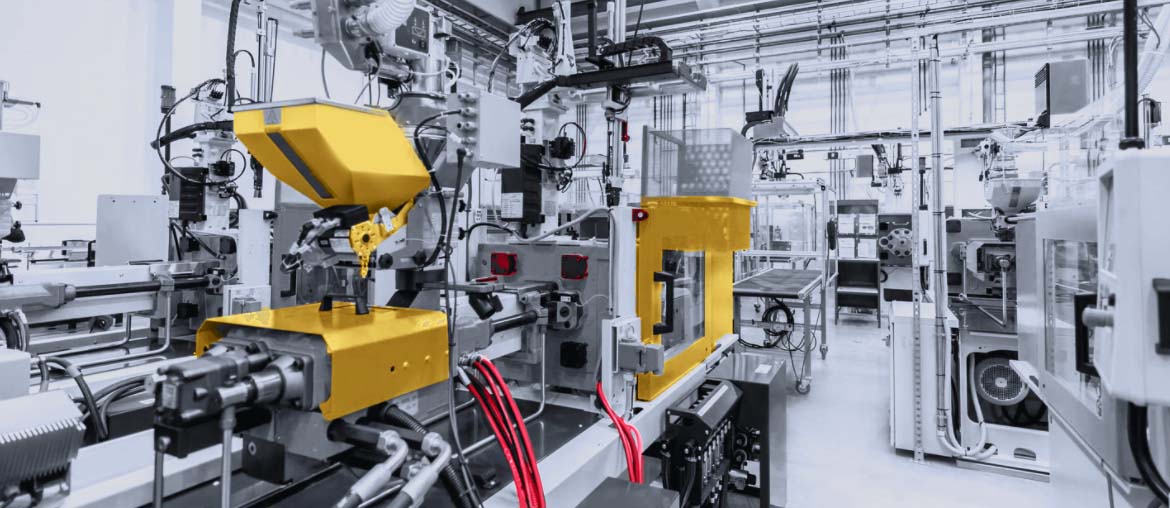























































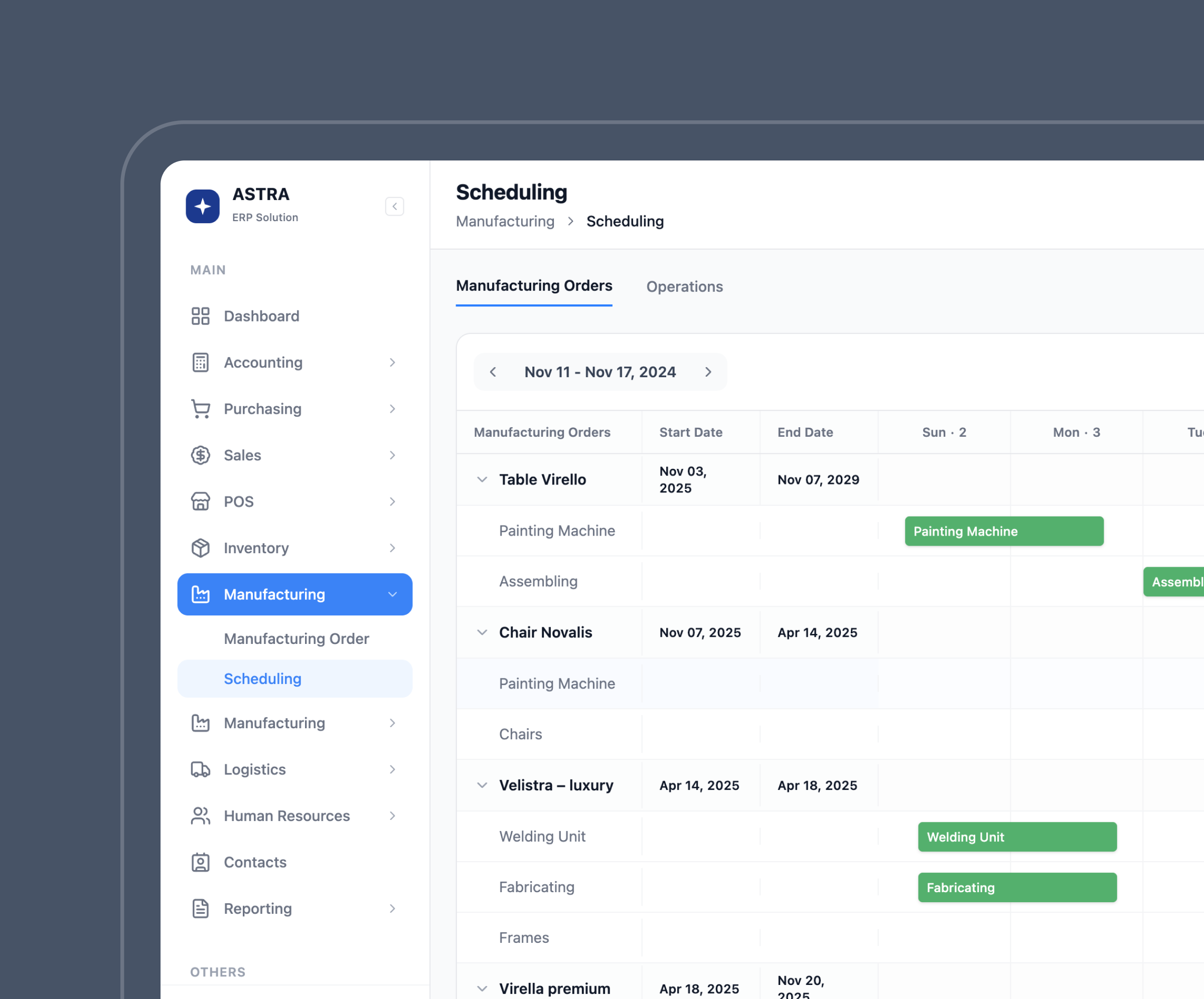
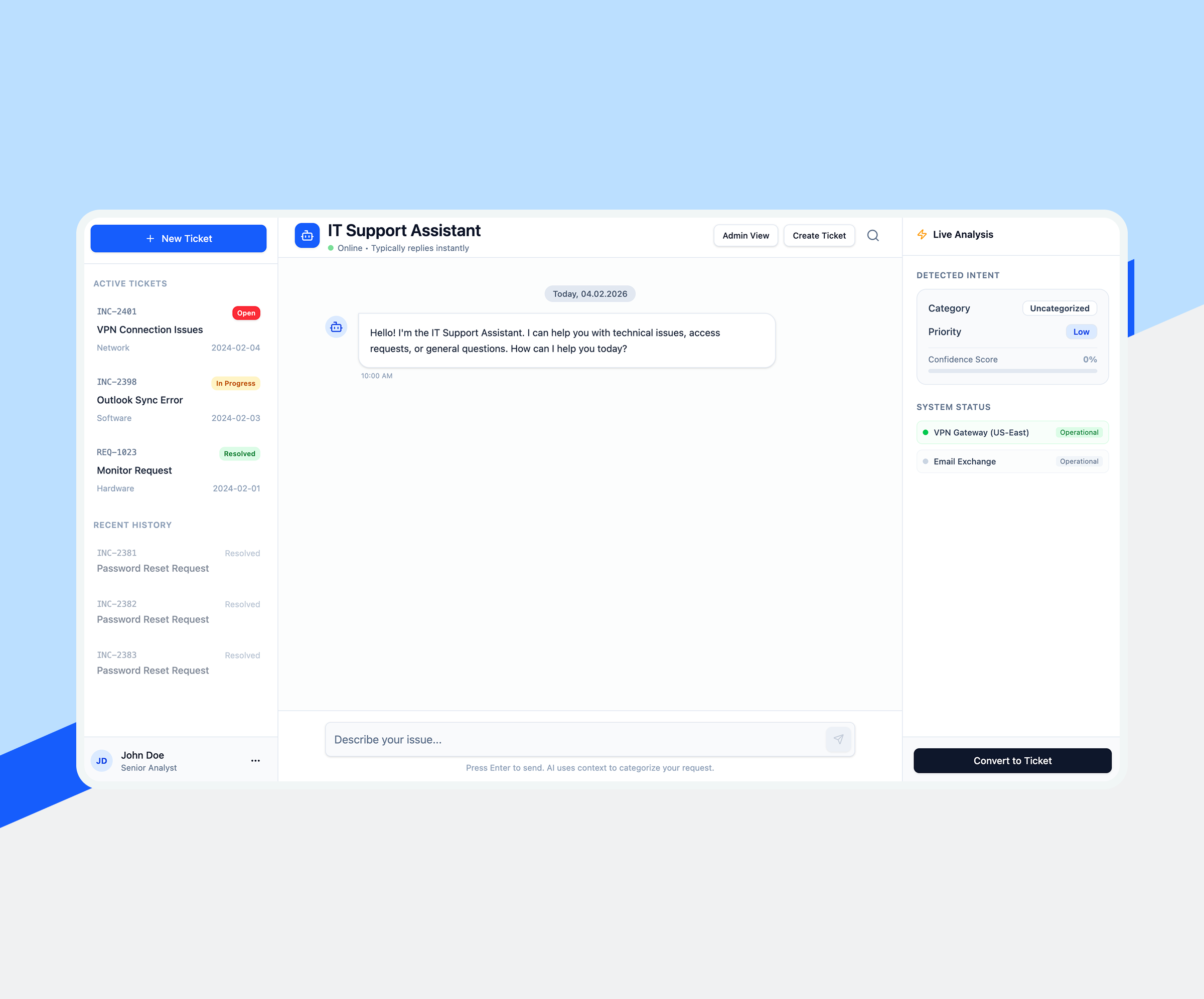

Industry 4.0 business models leverage digital technologies to transform manufacturing. Through manufacturing software development services and smart manufacturing solutions, companies from OEMs to small and medium-sized enterprises gain real-time insights, automate processes, and open up new revenue streams. Results include increased efficiency, reduced costs, and mass customization, as exemplified by Siemens’ smart factories.
By 2026, Industry 4.0 business models and IoT development services will enable predictive maintenance, reducing downtime by up to 50%. With 21.1 billion IoT devices, manufacturers are achieving 30% greater productivity and 40% faster decision-making.
Key Takeaways
- Revenue Growth of Up to 22%, EBIT Increase of 19%
Companies that prioritize innovation in Industry 4.0 business models can achieve revenue growth of up to 22% and EBIT growth of 19% through digital transformation and new service offerings.
- ROI in 2 Years Thanks to Innovation
Investments in new Industry 4.0 products, services, and business models typically generate financial returns within two years—much faster than internal optimization, which can take up to five years.
- 30–50% Less Downtime, 10–30% Increased Productivity
Intelligent manufacturing solutions can reduce equipment downtime by up to half and increase productivity by up to 30%, resulting in significant efficiency gains.
What is Industry 4.0?
Industry 4.0 is the digital transformation of manufacturing, combining the Internet of Things, artificial intelligence, and automation to create intelligent, connected factories. Industry 4.0 business models shift the focus from product sales to services and data-driven outcomes. Siemens’ intelligent manufacturing solutions leverage real-time analytics and modular production lines to enable rapid adaptation and mass customization. This approach delivers operational excellence, new revenue streams, and improved customer service.
Unlock growth potential with Industry 4.0 business models and AI-based software development services.


Many manufacturers face unplanned downtime and ineffective maintenance. By implementing Industry 4.0 business models and using predictive maintenance software development services, we help customers anticipate failures, optimize resources, and minimize costly disruptions.

Conclusion
Industry 4.0 business models, supported by artificial intelligence (AI) consulting services, enable manufacturers to achieve measurable results. A leading automotive company used predictive analytics to reduce unplanned downtime by 25%. By 2026, 49% of industrial executives report actively using AI to drive business value, and 86% of high-growth manufacturers are accelerating their AI investments (KPMG, PwC, 2025–2026). These trends highlight the transformative impact of digital innovation.
Industry 4.0 Business Models: Terms Explained
-
Smart Manufacturing
Smart manufacturing leverages the Internet of Things (IoT), artificial intelligence (AI), and robotics to create flexible, data-driven production systems. This approach enables real-time optimization, higher quality, and rapid adaptation to market changes.
-
Servitization
Servitization is the shift from selling products to offering integrated service packages, such as maintenance or performance guarantees, which increases customer value and generates recurring revenue.
-
Product-as-a-Service (PaaS)
Product as a Service (PaaS) allows customers to pay for the use of a product or results, rather than for ownership. Through network connectivity, it offers flexibility and ongoing support, as seen in industrial equipment leasing.
-
Predictive Maintenance
Predictive maintenance uses real-time data and analytics to predict equipment failures, enabling proactive repairs. This reduces downtime, lowers costs, and extends the lifespan of assets in smart factories.
-
Digital Platform Ecosystem
A digital platform ecosystem connects organizations, technologies, and users through common platforms, enabling collaboration, data sharing, and co-creation of value across the industrial value chain.
-
Data-Driven Business Model
A data-driven business model focuses on collecting, analyzing, and monetizing data to create value. Within Industry 4.0, this underpins services such as predictive analytics and intelligent product offerings.
-
Subscription-Based Manufacturing
Subscription-based manufacturing offers customers ongoing access to products or services for a recurring fee, often with pricing and support based on usage, resulting in predictable revenue and customer loyalty.
FAQ
-
Industry 4.0 business models are concepts that leverage digital technologies such as IoT and AI to transform manufacturing. They are used to create new value through data-driven services, automation, and connectivity. Companies are using them to improve efficiency, enable mass personalization, and open new revenue streams. GE’s Predix platform monetizes industrial data analytics. Elinext helps companies plan this kind of transition through its data monetization consulting services, from evaluating data assets to building the monetization architecture.
-
Industry 4.0 is changing traditional business models in manufacturing, moving from linear product sales to dynamic, service-oriented, and data-driven approaches. It enables real-time information, automation, and customer-centric solutions. Siemens’ smart factories use modular lines and analytics to produce personalized products and accelerate innovation cycles.
-
Industry 4.0 business models are built on principles such as interoperability, virtualization, decentralization, real-time capabilities, service orientation, and modularity. These principles enable the seamless integration of digital and physical processes. Bosch uses IoT and AI to enable predictive maintenance and flexible production.
-
Smart factories create new revenue streams by leveraging automation, data analytics, and connectivity to deliver value-added services. They enable mass personalization, predictive maintenance, and data monetization. Caterpillar offers subscriptions for remote monitoring and maintenance of its equipment, generating recurring service revenue.
-
Servitization in Industry 4.0 is the shift from selling products to offering integrated product-service solutions. It is used to increase customer value and generate recurring revenue. Companies use it to provide services such as maintenance or performance guarantees. Rolls-Royce offers a “pay-by-the-hour” service for jet engines, integrating maintenance with product use.
-
IoT is enabling new industrial business models by connecting machines, products, and systems to exchange data in real time. It is used to optimize operations, provide predictive maintenance, and support outcome-based services. Enterprises are using IoT to build platforms, such as GE’s Predix, which offers analytics and asset optimization as a service.
-
Cloud computing supports Industry 4.0 business models by providing a scalable infrastructure for data storage, analytics, and remote access. It is used to enable flexible, modular operations and real-time collaboration. Enterprises are using cloud platforms to deploy intelligent manufacturing solutions, as exemplified by Siemens’ cloud-based manufacturing execution system.
-
Cybersecurity is critical in Industry 4.0 business models because it protects connected systems and sensitive data from threats. It is used to ensure the safe and secure operation of digital factories. Enterprises are investing in cybersecurity to protect intellectual property and maintain trust. 48% of manufacturers plan to increase cybersecurity spending by 2026.
-
The ROI of Industry 4.0 transformation is the measurable return on digital investments, such as cost savings, increased efficiency, and new revenue. It is used to justify technology implementation and determine strategy. Enterprises often see ROI within two years. Predictive maintenance can reduce downtime by 25% and reduce costs by up to 40%.
-
Sustainability and Industry 4.0 are linked by the use of intelligent digital technologies to reduce waste, energy consumption, and emissions. They are used to improve the efficiency, transparency, and environmental responsibility of factories. Companies use them to track resources in real time, predict equipment issues, and optimize production. IoT sensors can track energy consumption and automatically adjust machine operation to reduce carbon emissions.
-
Industry 4.0 investment trends highlight the key areas where companies are investing to create more intelligent and automated manufacturing processes. These are used to improve productivity, sustainability, and decision-making. Companies are investing in AI, IoT, robotics, cloud platforms, digital twins, cybersecurity, and edge computing. A manufacturer might invest in digital twin technology to virtually test production changes before implementing them on-site.
-
The evolution of Industry 4.0 is the continuous development of interconnected, automated, and intelligent manufacturing systems over time. This will move toward AI-driven factories, autonomous robots, 5G connectivity, digital twins, and sustainable manufacturing. Companies will use these tools to make faster decisions and personalize products. A factory can automatically adjust production based on real-time customer supply and demand data.
-
Data-driven manufacturing companies use real-time data, analytics, and interconnected systems to make decisions during the production process. These systems are used to improve efficiency, quality, forecasting, and supply chain control. Companies also use them to reduce downtime and respond more quickly to market changes. A plant can analyze sensor data to predict equipment failures and schedule maintenance before production stops.