







The healthcare landscape is evolving rapidly, driven by groundbreaking innovations in HealthTech. From AI-powered diagnostics to personalized medicine and remote patient monitoring, technology is transforming how care is delivered and experienced. In this article, we explore the top HealthTech trends poised to shape the next decade and redefine the future of global healthcare.
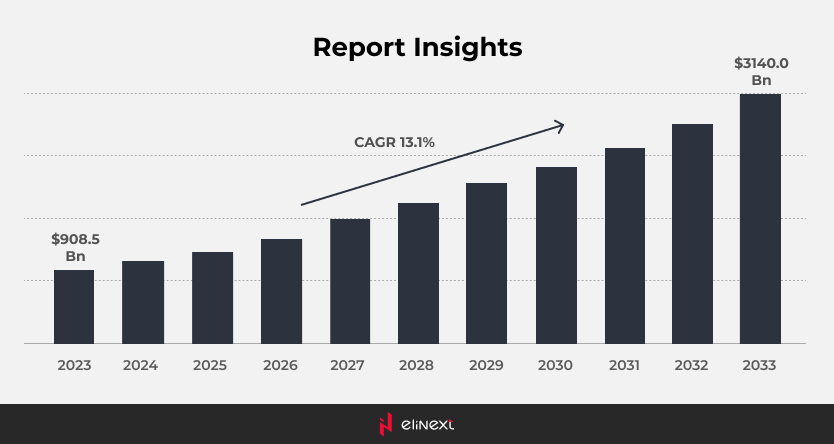
Key Takeaways
Mobile Health App Growth
The global mHealth app market is set to reach $102.35 billion by 2025
Rise of Telehealth Services
Telehealth use jumped 50% since 2020
Digital Convenience in Healthcare
68% of patients favor providers with online scheduling options
Key Industries Affected by AI
Artificial Intelligence is revolutionizing healthcare, reshaping everything from diagnostics to treatment delivery. Below, we explore the key areas within HealthTech where AI and related technologies are driving profound change.
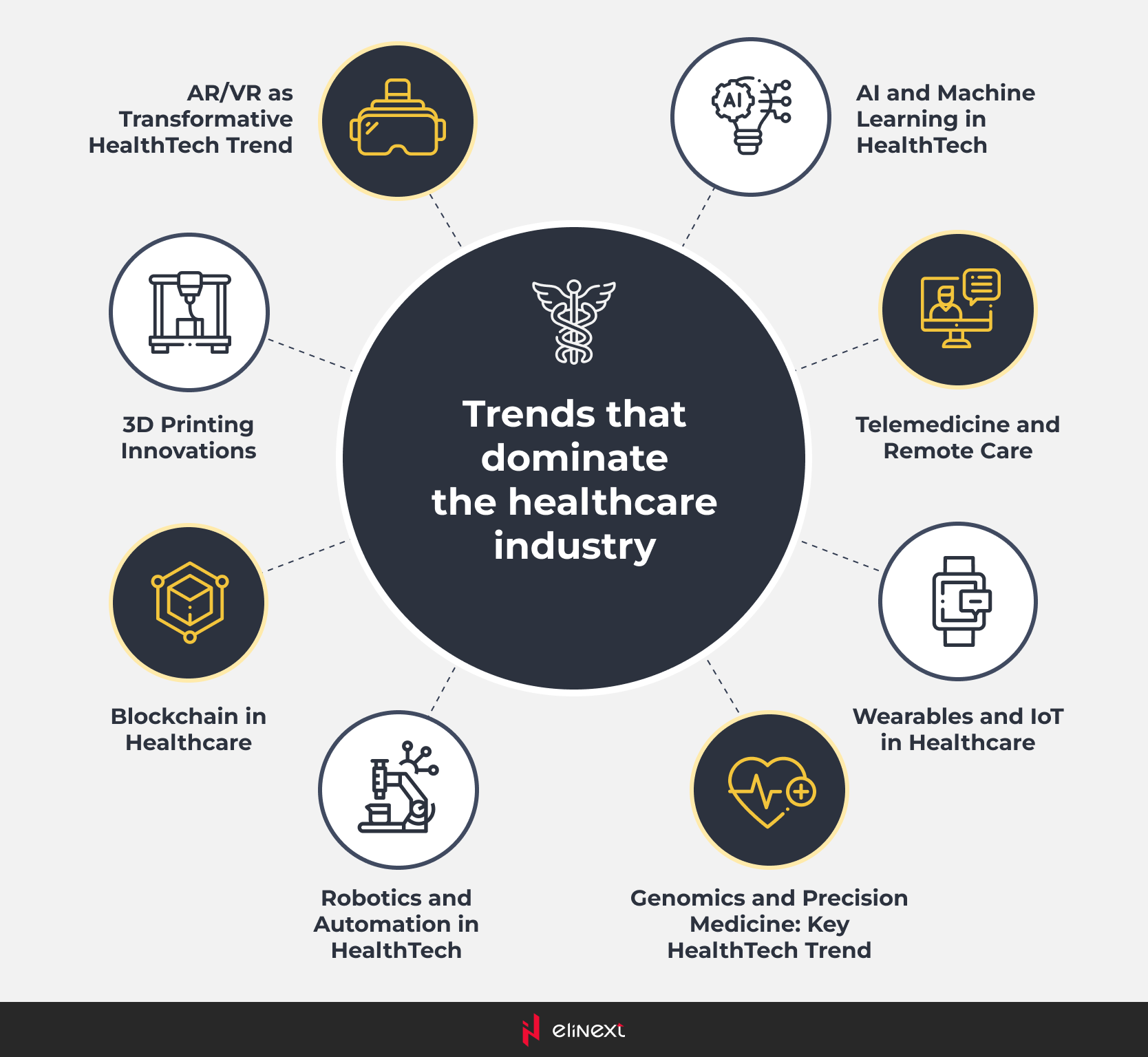
AI and Machine Learning in HealthTech
AI and machine learning are powering faster diagnoses, predictive analytics, and smarter treatment plans. From analyzing medical images to predicting disease risks, these technologies are enabling more accurate and efficient healthcare solutions.
Telemedicine and Remote Care
Telemedicine has grown rapidly. Trends in healthtech include virtual consultations and remote monitoring, while AI enhances these services by automating triage, personalizing care, and streamlining patient-provider interactions for greater accessibility and efficiency.
Wearables and IoT in Healthcare
Wearable devices and IoT sensors continuously collect real-time health data like heart rate, sleep, and glucose levels. AI analyzes this data to detect early warning signs and support proactive care, enabling better health outcomes and patient engagement.
Genomics and Precision Medicine: Key HealthTech Trend
AI is revolutionizing genomics by processing vast genetic datasets quickly. It helps identify mutations, predict disease susceptibility, and guide personalized treatments.
Robotics and Automation in HealthTech
From surgical robots to automated lab processes, the king of trends in healthtech – robotics – is improving accuracy, reducing human error, and enhancing surgical outcomes. AI further optimizes performance by enabling adaptive learning and precision control during procedures.
Blockchain in Healthcare
Blockchain offers secure, transparent data sharing across healthcare systems. It protects patient records, streamlines consent management, and enhances interoperability, with AI enabling smarter insights from securely shared data.
AR/VR as Transformative HealthTech Trend
One of the most apparent trends in healthtech, AR and VR, are transforming healthcare training, surgery, and patient therapy. From virtual anatomy lessons to immersive pain management, these tools improve education and treatment experiences, with AI personalizing and optimizing outcomes.
3D Printing Innovations
AI-assisted 3D printing is enabling custom prosthetics, implants, and even bioprinted tissues. This technology accelerates production, reduces costs, and allows for highly personalized healthcare solutions tailored to individual patient needs.
“AI is not just improving healthcare – it’s redefining it. All healthtech trends, from diagnostics to personalized treatment, shift toward smarter, faster, and more accessible care. The integration of technologies like machine learning, IoT, and robotics is setting the stage for a more proactive and data-driven healthcare ecosystem.”
– Lena Rao, HealthTech Innovation Strategist
How Elinext’s Healthcare Software Development Solutions Help Transform Industry
AI software development company Elinext offers custom healthcare software solutions, machine learning software development services, and IoT software development services.
From custom EHR systems and telemedicine platforms to AI-driven analytics and patient engagement tools, Elinext builds tailored solutions that streamline workflows, enhance diagnostics, and improve patient outcomes across the healthcare ecosystem.
Looking to Build a Custom Healthcare Solution?
Bring your vision to life with our expert healthcare software developers.
The Future of HealthTech Industry
The industry is entering a new era – HealthTech trends 2026. In the next year, trends in healthteach will be driven by breakthroughs in neuroscience, bioengineering, and sustainable energy. Emerging innovations promise to transform diagnostics, treatment, and patient care, paving the way for a healthier, more connected future.
Brain-Computer Interfaces (BCIs)
BCIs enable direct communication between the brain and external devices, opening new possibilities in treating neurological disorders, restoring mobility, and enhancing cognitive functions. Future developments may allow seamless integration with everyday medical tools.
Digital Twins
Digital twins create precise virtual models of patients, enabling doctors to simulate treatments, predict outcomes, and personalize care. Powered by AI and real-time data, this technology could revolutionize preventive medicine and complex procedure planning.
Next-Generation Batteries
Advanced batteries are critical for powering wearables, implants, and portable medical devices. Innovations in energy density, safety, and longevity will enable more reliable, lightweight, and long-lasting devices for continuous health monitoring.
Gene Editing
Gene editing technologies like CRISPR are advancing rapidly, offering potential cures for genetic diseases. By enabling precise modifications to DNA, these tools could revolutionize treatment approaches, reduce disease prevalence, and improve long-term health outcomes.
Conclusion
The next decade will redefine healthcare through groundbreaking HealthTech innovations, from AI and telemedicine to gene editing and digital twins. Healthtech trends 2026 promise faster diagnoses, personalized treatments, and improved access to care, creating a smarter, more connected, and patient-centered healthcare ecosystem for the future.
FAQ
1. How is artificial intelligence being used in healthcare?
AI powers faster diagnoses, predicts health risks, personalizes treatments, and automates tasks, improving efficiency and patient outcomes.
2. Will telemedicine continue growing after the pandemic?
Yes. Telemedicine offers convenience, cost savings, and broader access to care, ensuring its growth well beyond the pandemic.
3. What role do wearable devices play in future healthcare?
Wearables track real-time health data, detect early warning signs, and support proactive care, enabling better prevention and monitoring.
4. How does blockchain improve healthcare systems?
Blockchain secures patient data, enhances interoperability, and ensures transparent, tamper-proof sharing of medical records.
5. Are robotics replacing human healthcare professionals?
No. Robotics assist with precision tasks, surgeries, and automation but work alongside, not in place of, healthcare professionals.
6. Why should healthcare providers and investors pay attention to HealthTech trends?
HealthTech trends 2026 drive innovation, improve patient care, cut costs, and open high-growth opportunities in a rapidly evolving industry.
