




















































































































































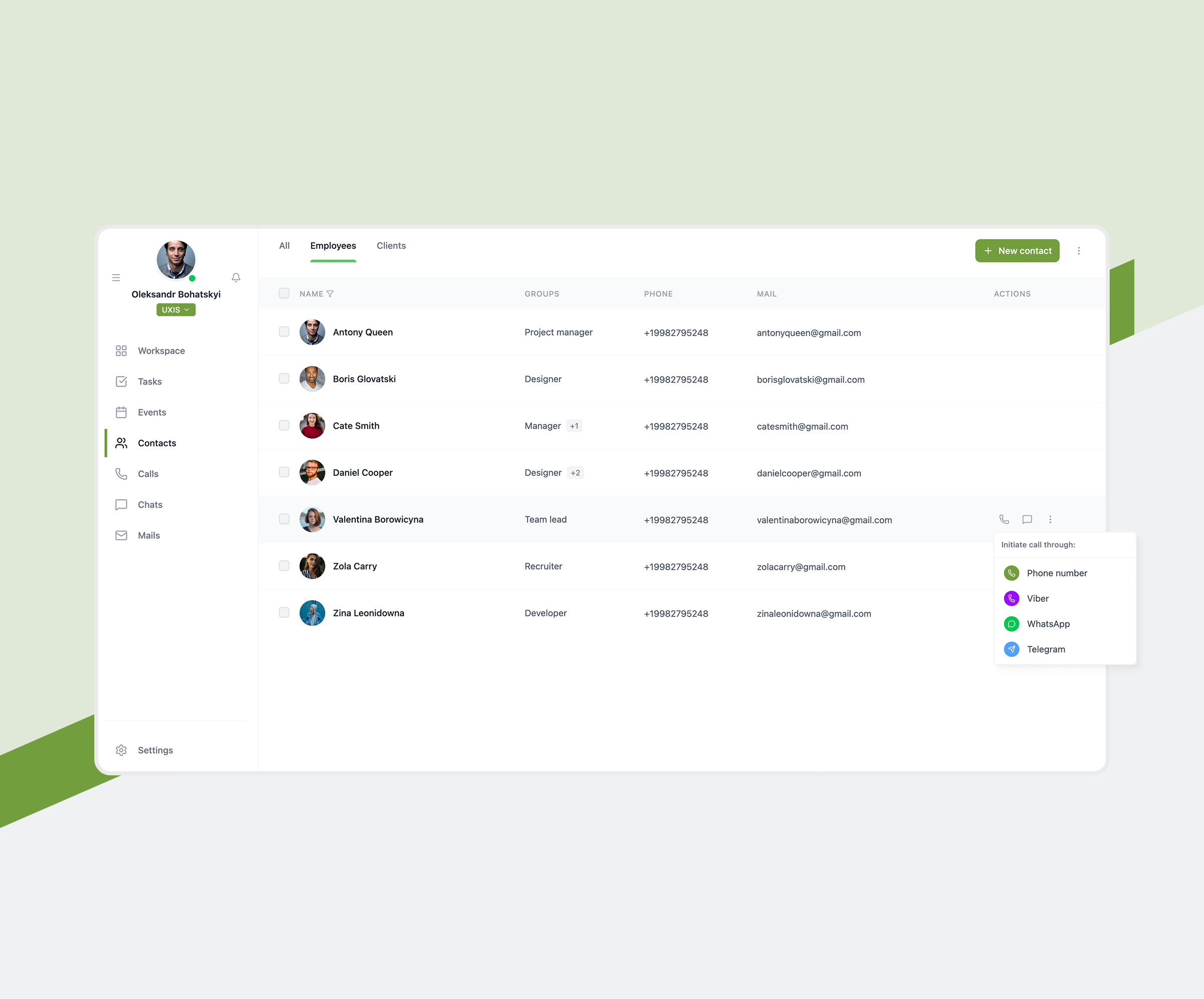
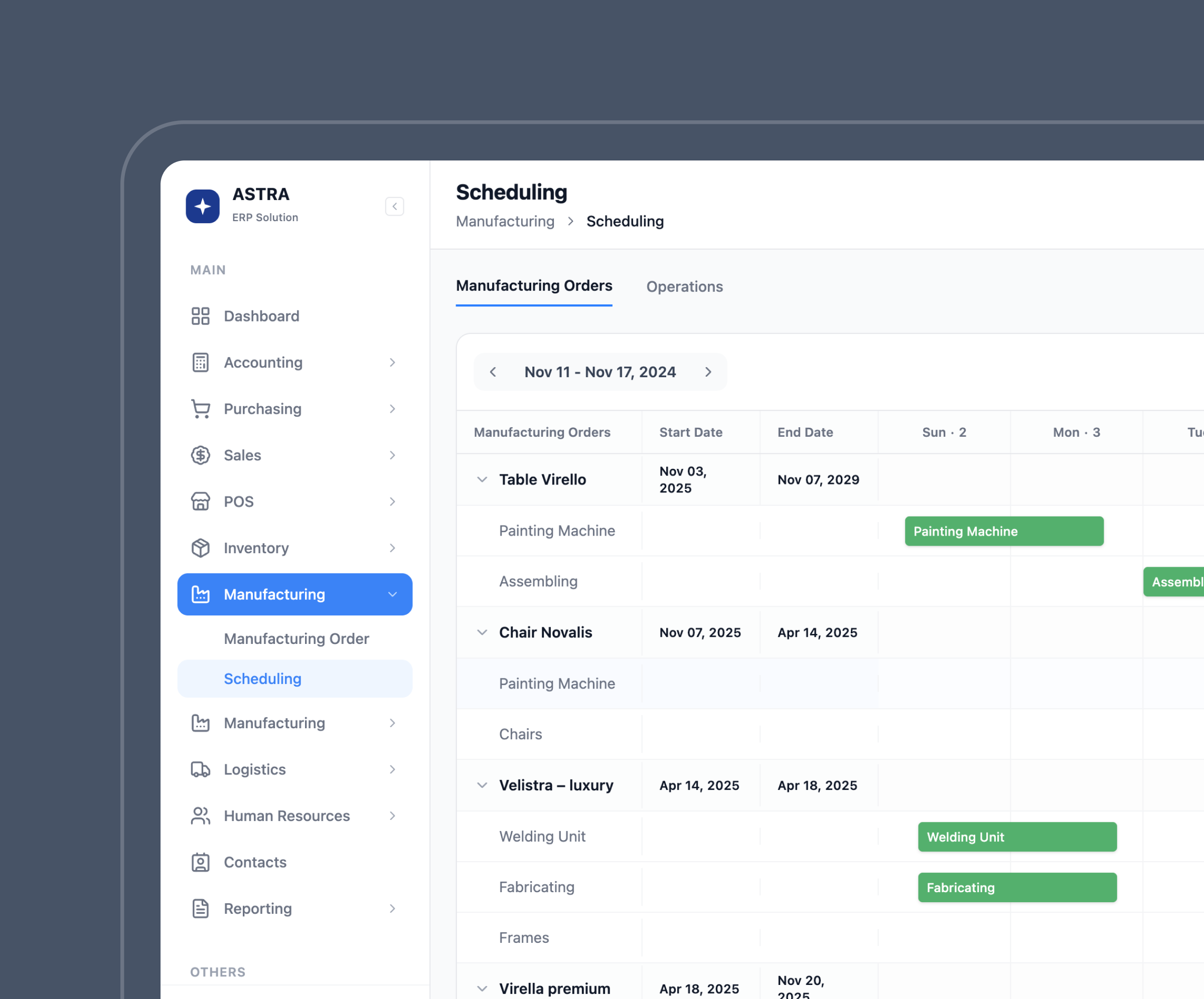
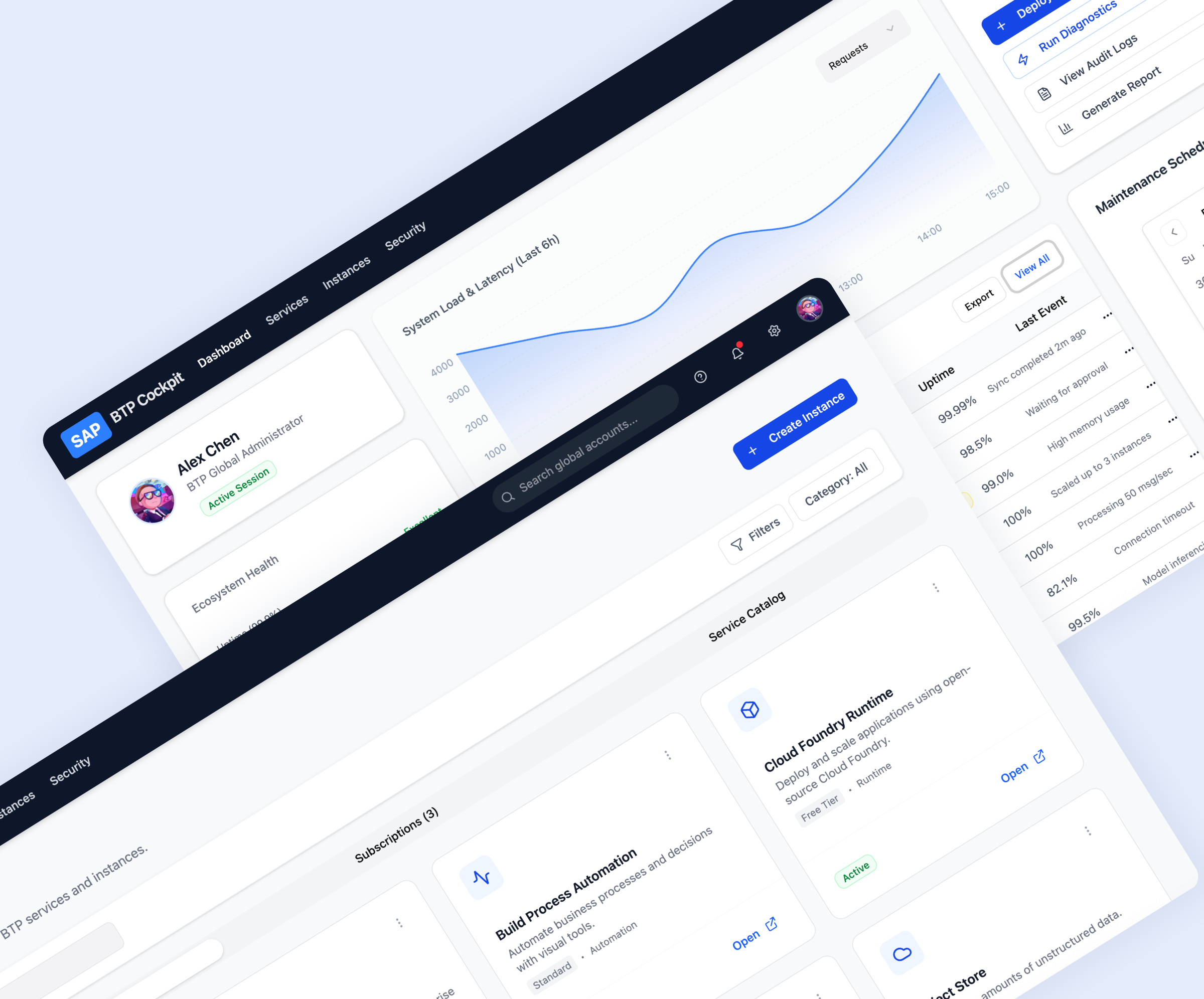
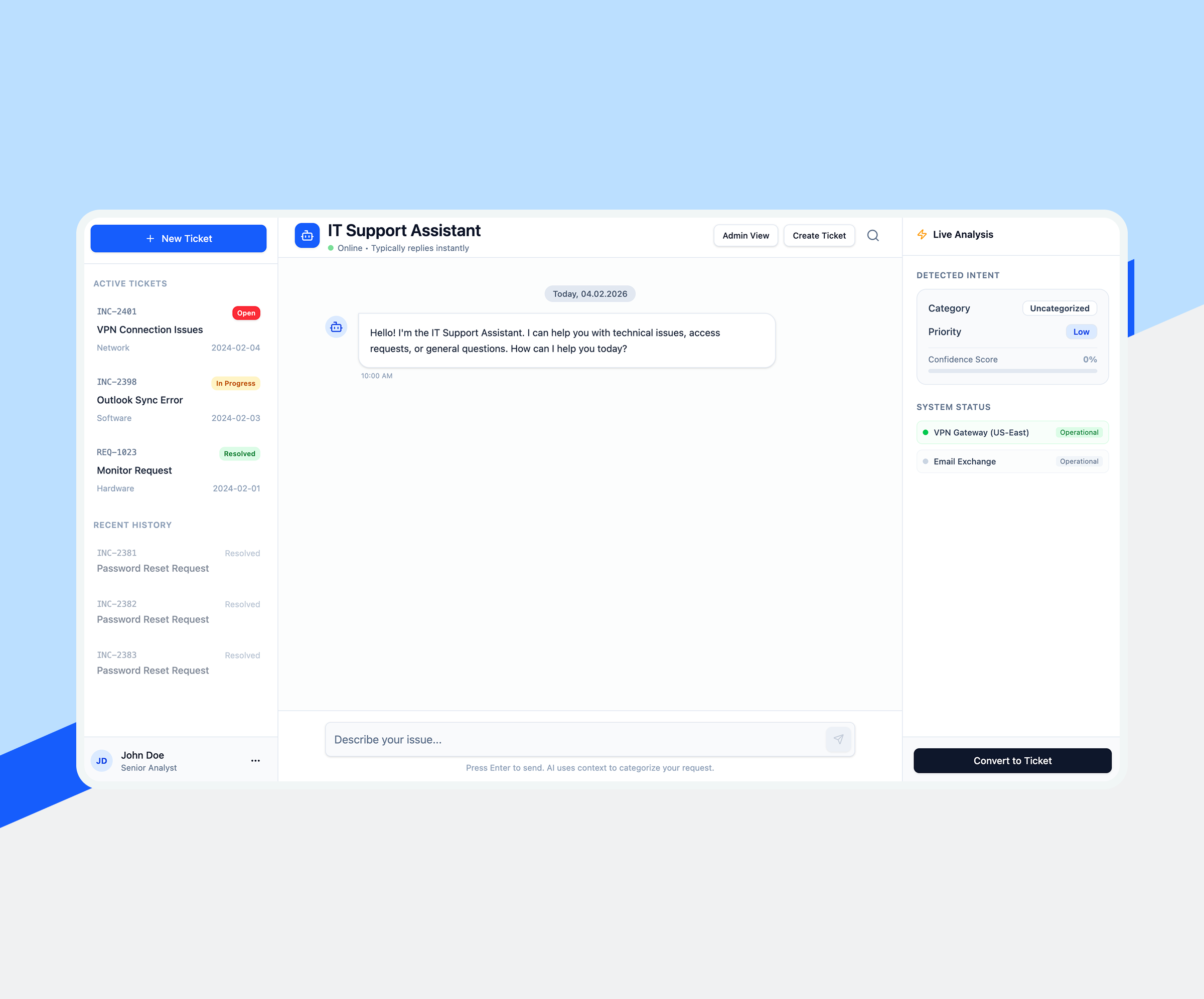

Mobile big data applications are solutions that collect, process, and analyze massive amounts of data from mobile devices to generate actionable insights. Big data development services are designed for businesses in sectors such as healthcare, retail, and real estate. Using big data mobile apps, businesses gain real-time analytics, personalized marketing, and improved decision-making, leading to increased profits and improved operational efficiency.
Retailers use big data mobile apps to optimize inventory and personalize offers, resulting in cost reductions of up to 10% and profit increases of 8-10%.
A mobile app development company can leverage mobile and big data to provide real-time user analytics, predictive service, and personalized marketing. In 2026, with 5.83 billion mobile users and 221 zettabytes of global data, these apps deliver a 32% increase in conversion rates and 10% cost savings for businesses.
Why Does Your Mobile App Need Big Data Integration?
Mobile big data applications are revolutionizing industries by enabling real-time analytics, personalization, and operational efficiency. With the global big data market reaching $324.59B in 2026 and 5.83B mobile users, the synergy between mobile and big data is shaping the future of digital transformation.
Lying in our pockets and bags, mobile gadgets will connect people all over the Globe with Big Data tools and apps. They will not only aid people in their everyday life but will also help companies and organizations to provide the best services they can provide. Therefore, Big Data and mobile apps will become a critical differentiator for any company of whether a market winner or a market “has-been” and will definitely become an inalienable and vital part of our future.
Gain real-time insights, enhance personalization, and stay ahead of the digital future.

Real-World Business Applications of Big Data
Most proactive American companies such as American retailer Macy`s and well-known American delivery service UPS, for example, have already realized the value of Big Data and have already started to derive profit out of it. Knowing customers’ needs and preferences and what exactly triggers them to visit a company’s website or make a purchase can be of great use.
Mobile big data applications are transforming healthcare, retail, and logistics. 62% of real estate companies use big data for market forecasting, improving real estate valuation accuracy by 15% by 2026.
The Connection Between Big Data and Mobile Apps
Here the question comes of how Big Data and Mobile Apps can be connected? Mobile and big data are closely linked: mobile apps generate vast amounts of unstructured data, which is analyzed to identify trends and personalize experiences. In 2026, the volume of unstructured data will grow three times faster than structured data, fueling the development of more intelligent apps.
Growth of Wearable Devices and Data-Driven Apps
The wearable technology market will reach $103.1 billion in 2026, with 625 million devices shipped. Wearable device applications, such as remote health monitoring apps, leverage mobile apps and big data to provide real-time information and personalized service.
Mobile Apps Driving Personalized Marketing
Mobile and big data enable personalized marketing, increasing conversion rates by 32% and revenue by up to 15%. For example, a food delivery app using big data increased same-day orders by 9% in 2026.
With mobile gadgets and apps conquering the world, many proactive companies no longer stay aside from the fact that now it is mobile apps that rule the marketing game. In the future they will not only provide customers with useful and entertaining information but will also pick up ad hoc data for companies and make marketing no longer be the “one-size-fits-all” process. The services rendered will become more personal and will be ideally “cut” for the very individual who receives a promotional email or a push notification. By doing so, companies will get more satisfied customers and, thus, more revenue.
Challenges: Automation, Job Displacement, and Privacy
Still, lots of companies are not ready for switching to machine-made decisions. Not everyone considers opportunities created by Big Data as a plus. Massive layoffs can be critically accepted by those who have been in charge of data processing before the special tools and software emerged. Big data in mobile apps also raises privacy concerns, which is definitely a reason for disapproval.
Mobile apps and big data are driving automation, but they also raise concerns. By 2026, automation could lead to the loss of up to 85 million jobs, particularly in customer service. Privacy regulations such as GDPR/CCPA require strict data handling and user consent.
Advantages of Mobile Apps and Big Data
Mobile big data applications provide real-time analytics, predictive insights, and operational efficiency. By 2026, companies using these solutions will report 8-10% revenue growth and 10% cost reduction.
Nevertheless, there is a long list of advantages that mobile apps and big data can bring into our lives. Firstly, they can replace highly customized, expensive systems with a standard solution that runs on commodity hardware. Such systems are commonly used in all spheres of our life and their maintenance is rather costly.
Secondly, retailers can learn behavioral trends of their customers that will improve marketing campaigns and pricing policy.
Thirdly, utilities can capture household energy usage levels to predict outages and to incent more efficient energy consumption. Besides that, governments will be able to detect and track the emergence of disease outbreaks via social media signals.

The best real estate mobile apps often struggle to deliver value beyond simply displaying listings. The real challenge is transforming big data and mobile apps into actionable insights. For example, predicting market trends or identifying promising investment opportunities. At Elinext, we integrate big data analytics into mobile solutions, empowering clients to make more informed decisions and drive revenue growth.

Conclusion. The Future Role of Mobile Apps and Big Data
By 2026, big data and mobile apps will be inseparable drivers of business innovation. With a big data market size of $324.59 billion and 5.83 billion mobile users, companies using mobile apps to manage big data achieve 8-10% revenue growth and 10% cost savings. The wearable technology and LBS markets are booming, while privacy and automation concerns persist. The future belongs to those who leverage mobile big data applications to deliver real-time insights and personalized experiences.
Mobile Big Data Applications: Terms Explained
-
Mobile Data Analytics
Mobile data analytics is the process of collecting and analyzing data from mobile devices to identify patterns, trends, and user behavior. It helps businesses optimize apps, personalize experiences, and make data-driven decisions.
-
Location-Based Services (LBS)
Location-based services (LBS) use mobile device location data to deliver personalized content, navigation, and targeted advertising. LBS helps businesses increase engagement in their local communities and drive foot traffic to their physical stores.
-
User Behavior Analytics (UBA)
User behavior analytics (UBA) tracks and analyzes user interactions with mobile apps. UBA identifies trends, detects anomalies, and helps companies improve user experience and customer retention with insights.
-
Real-Time Data Processing
Real-time data processing involves analyzing data and acting on it instantly as it’s generated. In mobile apps, this enables rapid responses, such as fraud detection or personalized recommendations.
-
Mobile Cloud Computing
Mobile cloud computing allows mobile apps to access and process data through cloud servers. This approach improves scalability, reduces device memory requirements, and supports sophisticated analytics and real-time collaboration.
-
Predictive Analytics in Mobile Apps
Predictive analytics in mobile apps uses historical and real-time data to predict user actions or trends. This enables personalized recommendations, preventative maintenance, and more informed business decisions.
-
Mobile Data Mining
Mobile data analytics extracts valuable patterns from large data sets generated by mobile devices. It supports targeted marketing, fraud detection, and user segmentation for more effective business strategies.
-
App Performance Monitoring (APM)
Application Performance Monitoring (APM) monitors the speed, stability, and resource usage of an application. APM tools help developers identify issues, optimize performance, and ensure a smooth user experience.
FAQ
-
Big data and mobile apps are related because apps generate massive amounts of data that is analyzed to generate useful information. Retail apps use big data and mobile apps to personalize offers.
-
Mobile apps are vital for big data because they collect user data in real time. Mobile apps and big data allow medical apps to track patient health trends.
-
Mobile big data applications use big data to analyze user behavior and provide personalized content. Fitness apps use big data-enabled mobile apps to create customized workout plans.
-
Big data and mobile apps improve the user experience by providing personalization and faster response times. Streaming apps use big data and mobile apps to recommend content.
-
Mobile big data applications use big data to raise privacy concerns due to the data they collect. Mobile big data apps must comply with the GDPR to protect user information.
-
Mobile apps and big data benefit healthcare, retail, real estate, and logistics. Mobile apps and big data help retailers optimize inventory and personalize marketing.
-
Big data and mobile apps are transforming data processing systems, but they will not replace them completely. Big data and mobile apps complement legacy systems in banking to analyze data in real time.