
















































































































































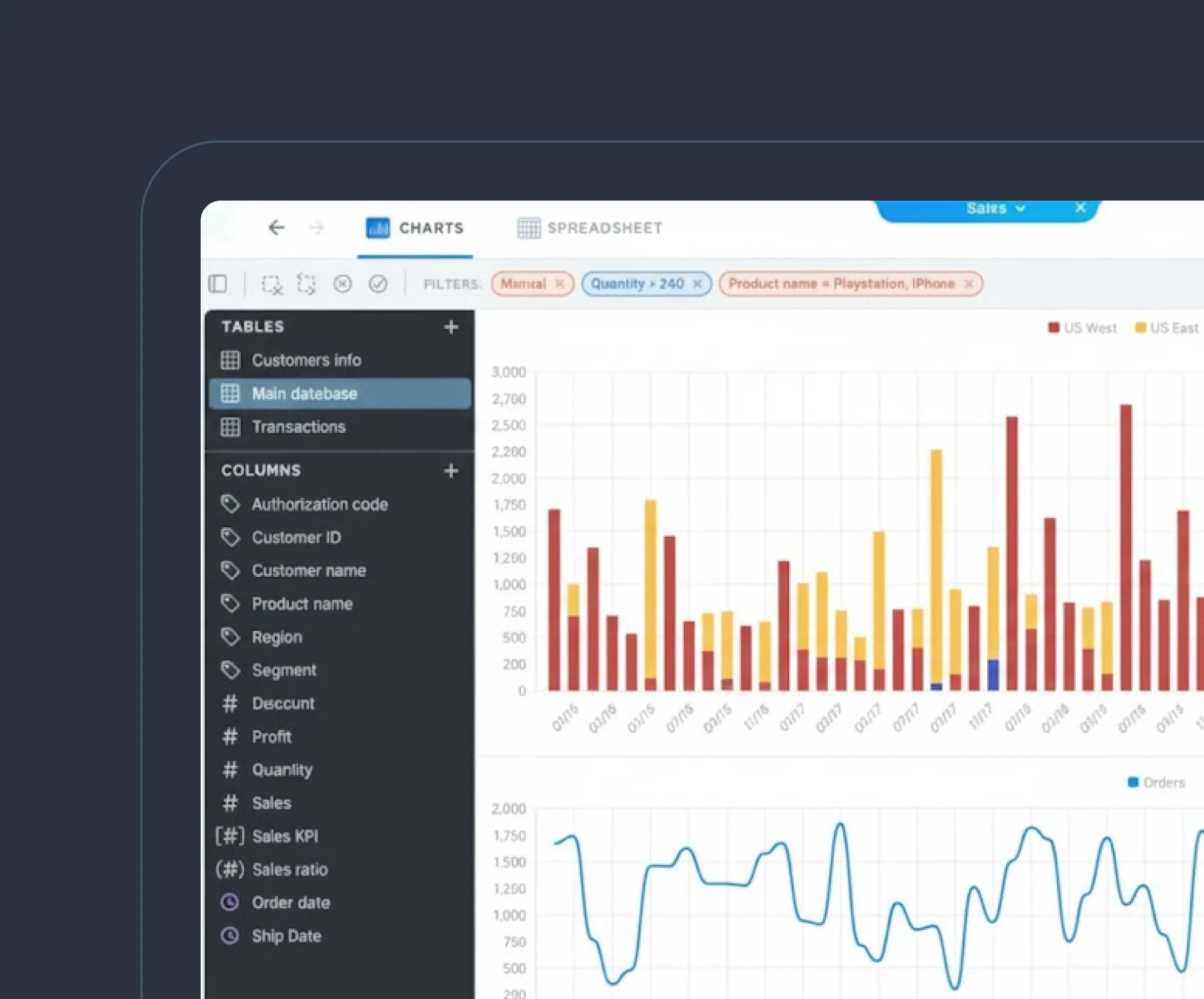

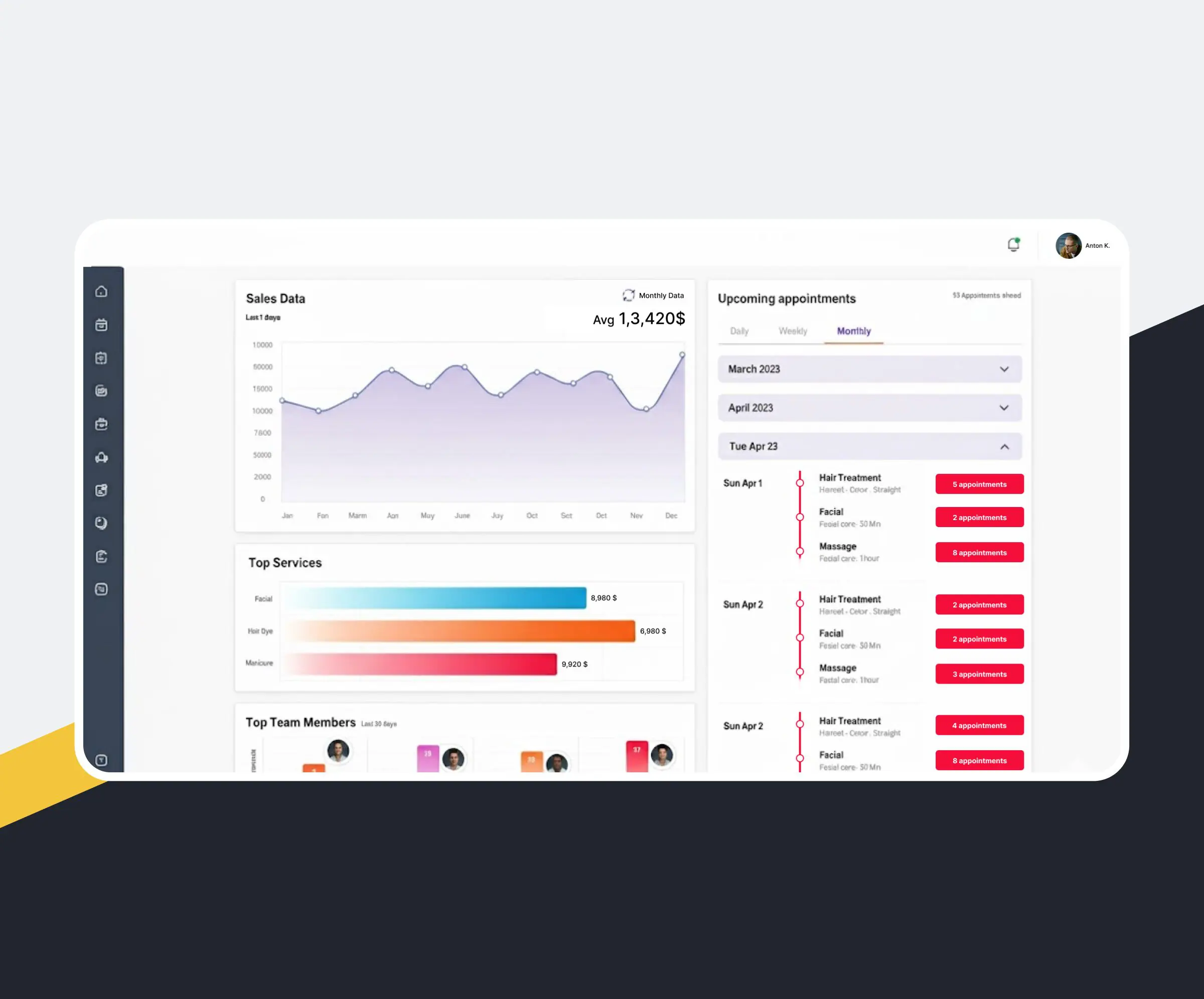


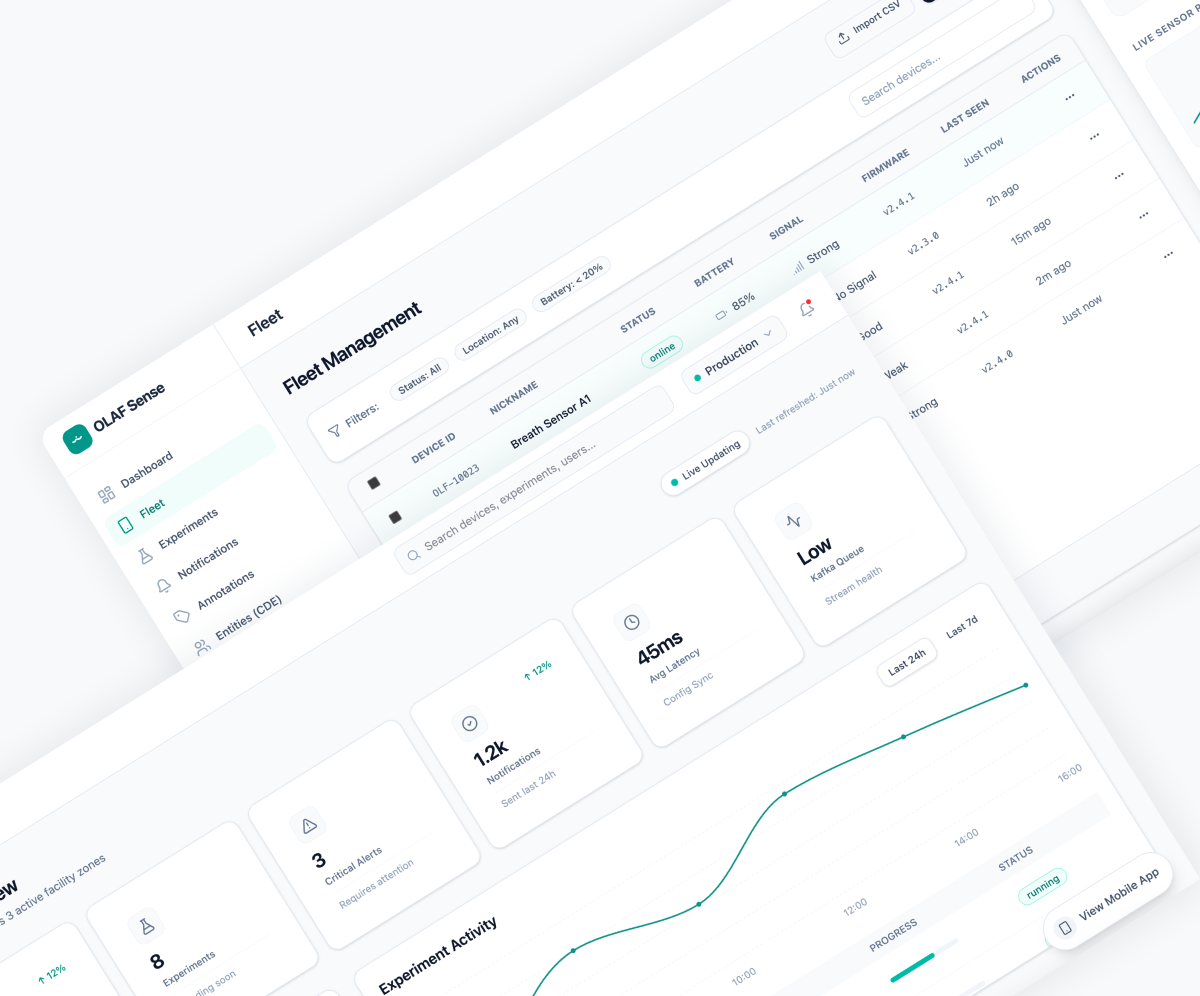



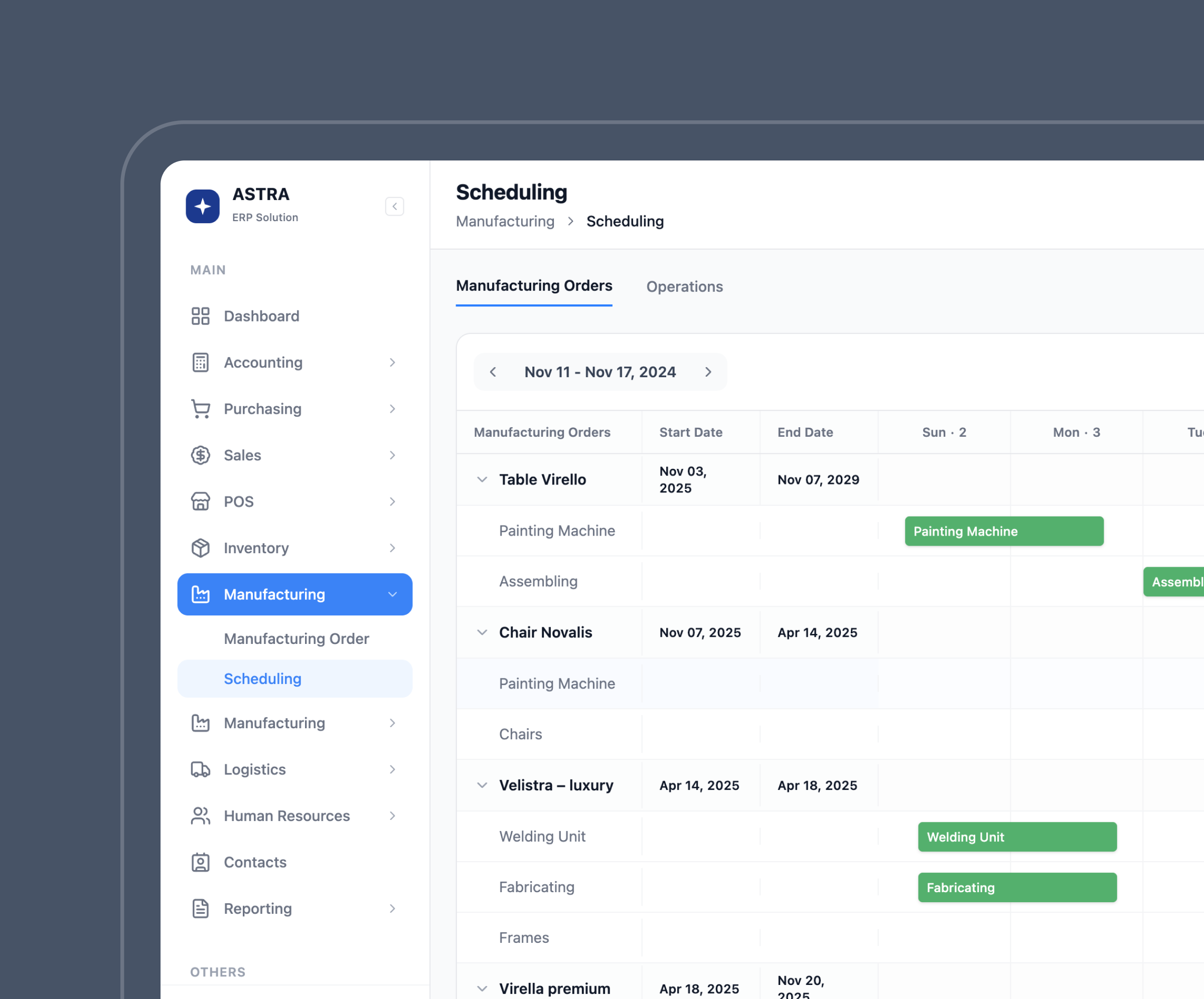

A website that sells is a conversion-focused digital sales channel built to turn visitors into buyers. Knowing how to make a website that sells matters for business owners, e-commerce managers, and product owners who want measurable revenue growth. Elinext eCommerce development services and online store development expertise deliver website conversion optimization that drives real results.
E-commerce success in 2026 is no longer defined by a polished design alone. US retail e-commerce sales reached $326.7 billion in Q1 2026, representing 16.9% of total US retail sales (US Census Bureau). Globally, e-commerce is projected to reach approximately $6.4 trillion in 2026. At that scale, a website that sells must deliver speed, trust, a frictionless checkout, a mobile-first UI, personalization, third-party integrations, real-time analytics, and security — not as optional add-ons, but as core architecture decisions.
Every element of ecommerce website design from page load time to payment flow affects revenue. Web development services that treat UX, speed, and data as one system produce a website that sells consistently, not just occasionally.
Key Takeaways
- Ecommerce growth brings fiercer competition. US retail e-commerce hit $326.7B in Q1 2026, while global sales are on track for ~$6.4 trillion. More market share means more rivals, so ecommerce website development must be built to stand out, not just go live.
- Checkout friction is still the #1 conversion killer. Baymard Institute benchmarks the average cart abandonment rate at approximately 70.19%. For ecommerce user experience teams, that figure isn’t a warning and it’s a roadmap for where revenue is being lost.
- Performance and UX are measurable conversion factors. Google Core Web Vitals such as LCP (load speed), INP (interactivity), and CLS (visual stability) provide a standardized framework for evaluating real-world user experience. Ecommerce website development that ignores these metrics loses both rankings and customers. Elinext’s article on tech trends that are shaping our future provides context on the broader forces driving digitalisation across industries — from AI adoption and edge computing to the changing economics of software delivery — offering a useful frame for understanding where specific technology investments fit into the wider market trajectory.
What Is a Website That Sells?
A website that sells is a digital sales channel engineered to convert visitors into paying customers and not just a product catalog with a ‘Buy’ button. Knowing how to make a website that sells means building a system where users instantly grasp the product’s value, trust the brand, find what they need without friction, and pay securely. Effective ecommerce website development integrates a clear value proposition, intuitive product discovery, fast page loading, a mobile-friendly UI, visible trust signals, transparent policies, live analytics, and continuous optimization, including IoT development services for connected retail environments.
Our dedicated development team specializes in ecommerce checkout optimization and ecommerce website performance and we build to convert, not just launch.

1. Choose the Right eCommerce Platform
Finding a platform for e-commerce web development should be considered along with business goals. Companies should answer some questions, like whether their website developers can perform hosting, or need extra help; how much they can pay for a platform, etc. However, there are some criteria your platform should meet in order to get better sales. First, an e-commerce platform should be compatible with certain payment options and a country’s currency. The next point is design options and a possibility to create new content.
While platforms offer free and paid design themes, it is always better to use a platform that is a robust content management system with online support. Last but not least points for web developers are security and the possibility to extend website features. Many platforms offer a number of security measures: SSL certificates, compliance with PSL standards, fraud protection, monitoring for DDoS attacks, which are important for mitigating business risks. When it comes to an option to extend a platform, it is better to do it without migration to a new platform, thus reducing costs and giving more flexibility to the business. Platform choice is an architectural decision, not a branding one. The right foundation for online store development must match your business model, catalog size, and growth trajectory. How to make a website that sells? Focus on online store development with payment and tax integration, multi-currency and localization support, CMS flexibility, ERP/CRM/PIM/WMS connectivity, security and compliance standards, and total cost of ownership. A mobile ecommerce website also requires a platform that supports customization without forcing a full redesign every time the business evolves. That’s what a website that sells is built on.
2. Mobile-First eCommerce Website Design
Responsive web design means better user experience, higher user loyalty, and, consequently, more sales. Due to responsive web design, website developers add more value to SEO. Thus, Google doesn’t appreciate content repetition. When web developers produce multiple versions of a website for different devices, they repeat the same content. Consequently, the website has poor page rankings. On the contrary, responsive web design uses a single URL and codebase.
Mobile-first ecommerce website design starts with the assumption that most users will browse and buy on a phone — not adapt a desktop layout downward. A strong mobile ecommerce website enables intuitive product discovery, streamlined navigation, short checkout forms, and sticky CTAs visible without scrolling. Mobile payment options such as Apple Pay, Google Pay reduce checkout friction directly. Fast image loading, accessible touch targets, and omnichannel behavior support complete the ecommerce user experience and turn mobile sessions into completed orders.
3. Build a Layout That Guides Users to Purchase
Web developers should implement an effective layout strategy. Contrasting colors, easy-to-read typography, appealing call-to-actions, real images – all these elements should narrate a user-centered and commercially oriented story of the web development and create a buying mood. Apart from it, website developers should eliminate distractions like an offer to visit a Facebook page, or a subscription to a newsletter.
Layout is a conversion tool. A website that sells positions the value proposition above the fold, uses visual hierarchy to direct attention toward key actions, and presents product benefits, not generic descriptions. CTA placement, trust badges, authentic product images and videos, comparison blocks, and social proof reduce hesitation and move users toward checkout. Ecommerce website design that removes visual clutter and structures information by decision priority directly improves website conversion optimization, because users buy faster when the path is clear.
4. Add Trust Signals and Security Elements
Trust is a direct conversion factor. Knowing how to make a website that sells means making security visible: SSL/TLS encryption, PCI DSS-compliant payment gateways, and fraud prevention are baseline requirements. But trust also comes from operational transparency, a visible return and refund policy, clear shipping terms, honest pricing, product warranties, verifiable company contacts, and recognizable payment method logos. Customer reviews and ratings reinforce authenticity. Every missing trust element is a potential exit point before purchase.
5. Offer the Right Payment Options
Since payment options are about clients’ money, e-commerce website developers should offer the most reliable and secure payment service. You would hardly transfer your credit card data to an unknown service. Choosing a popular one increases trust in an e-commerce website. For example, PayPal is compatible with the majority of e-commerce platforms and is available all over the world. Google Wallet is also a trusted service that is famous for its high-security level.
Payment coverage directly affects conversion. Ecommerce website development in 2026 must support the full range of buyer preferences: credit and debit cards, PayPal, Apple Pay, Google Pay, and relevant local payment methods by region. Buy Now, Pay Later (BNPL) options expand accessibility for higher-AOV purchases. B2B stores require invoice-based billing and net payment terms. Multi-currency support removes friction for international buyers. Each unsupported payment method is a checkout exit and matching regional preferences is not optional.
6. Optimize the Checkout Process
Many e-commerce website developers as well as online retailers report that complicated checkout processes and hidden fees are the main reasons why customers abandon their shopping carts. A good technique for web developers would be a one-click option like it does Amazon as well as highlighting all the fees for the audience at the very beginning.
The checkout process is where the largest portion of e-commerce revenue is lost. According to the Baymard Institute, the average cart abandonment rate is approximately 70.19%, making ecommerce checkout optimization one of the most effective investments in e-commerce. Effective website conversion optimization includes: the ability to checkout without registration, minimal form fields, no re-entry of data, early display of the total cost including shipping and taxes, a visible progress indicator, autofill support, clear error messages, and multiple payment methods. Abandoned cart recovery processes and checkout analytics complete the e-commerce user experience.
7. Make Navigation and Product Search Clear
Too many navigational options clutter the user experience. Due to clear navigation, website developers reach better product discoverability. Web developers should fill each page with a specific function, the goal of the home page is to summarize what it sells and what benefits it brings to your customers in comparison with other pages. The product page is about describing items and associated options, etc. In other words, web development companies should ensure a clear path from the home page to the checkout page for customers.
A website that sells should have clear categories, robust filters and sorting, internal search with autofill, breadcrumbs, product comparisons, and personalized recommendations. Menus should be concise, and the path from the homepage to the product page and checkout should be intuitive. Effective navigation reduces cognitive load, helping users find products faster and improving the ecommerce user experience.
8. Improve eCommerce Website Performance
Today, website developers can take advantage of a number of compression tools, content delivery networks, platform-specific tweaks, hosting suitable for a highly trafficked e-commerce website, etc. to provide quick loading of large images and graphical elements.
Ecommerce website performance is measured using key web optimization metrics: LCP (Largest Contentful Paint), INP (Interaction to Next Paint), and CLS (Cumulative Layout Shift). Optimize images, use a CDN, enable caching, implement lazy loading, optimize scripts, and maintain a clean UI architecture. Scalable hosting and continuous performance monitoring are essential for ecommerce website development that ensures speed and reliability.
9. Use Reviews, Social Proof, and User-Generated Content
Including product reviews, star ratings, photo and video reviews, testimonials, and case studies builds trust and authority. User-generated content, verified buyer labels, and authentic moderation boost confidence and drive conversions. Recent reviews also improve SEO, making social proof a strategic asset for any sales website.
10. Add Personalization and AI-Powered Product Discovery
In 2026, website conversion optimization will be driven by personalization, powered by interconnected data and analytics. Ecommerce website development should leverage customer data, purchase history, and browsing behavior to deliver personalized recommendations, dynamic content, AI-powered search, and segmented email/SMS triggers. Abandoned cart personalization, cross-selling, and upselling increase customer lifetime value while respecting privacy. Elinext delivers this kind of personalization through its AI solutions for retail, covering recommendation engines, dynamic pricing, and fraud detection.
11. Connect Analytics, CRM, and Marketing Automation
How to Make a Website That Sells? Integrate GA4 analytics, conversion tracking, heatmaps, CRM, email marketing automation, loyalty systems, inventory management and ERP, A/B testing, and sales funnel analysis. A sales website not only processes orders but also provides useful data for improving sales, campaign optimization, and customer journey improvement.

Building a website that sells is challenging because success depends on the synergy of UX, checkout, integration, performance, and analytics, not just a single strong page. Elinext UI/UX design services integrate business logic, architecture, and user experience into a unified sales system. The result: fewer barriers, better scalability, and higher conversion potential.

Conclusion
Building a website that sells requires a systematic approach that integrates speed, trust, personalization, and analytics. In the first quarter of 2026, US e-commerce sales reached $326.7 billion (16.9% of total retail), and global sales are projected to reach $6.4 trillion. However, 70.19% of shopping carts remain uncompleted. Companies that utilize AI software development services and continuous optimization will outperform competitors and reap greater value from each visitor.
How to Make a Website That Sells: Terms Explained
-
Website Conversion Optimization
Website conversion optimization is the process of systematically improving website elements to increase the percentage of visitors who complete a desired action, such as purchasing, registering, or requesting information.
-
eCommerce User Experience
Ecommerce user experience is the complete set of customer interactions with an online store, from product discovery to checkout, including usability, speed, clarity, and accessibility.
-
Mobile-First Design
Mobile-first design is a design approach in which a mobile version of a website is created as the primary interface and then scaled for larger screens, rather than adapting desktop layouts to smaller devices.
-
Checkout Optimization
Checkout optimization is the process of reducing friction during the checkout process to reduce cart abandonment and increase completed purchases, including form design, payment options, cost transparency, and recovery processes.
-
Core Web Vitals
Core Web Metrics are Google’s real-world UX metrics such as LCP (load speed), INP (interactivity), and CLS (visual stability) used as ranking signals and performance benchmarks for e-commerce websites.
-
Payment Gateway
A payment gateway is a technology service that authorizes and processes card and digital payments between buyers and merchants, encrypting transaction data and routing payments through financial networks.
-
Trust Signals
Trust signals are visible elements on a website SSL badges, return policies, reviews, certificates, contact information that reduce shopper uncertainty and increase the likelihood of purchase.
-
Product Discovery
Product search is the process by which shoppers find relevant products on an e-commerce website using search, filters, recommendations, categories, or AI-powered suggestions.
FAQ
-
Building a website that sells is the process of building a digital sales channel focused on converting visitors into buyers. It involves optimizing navigation, speed, trust signals, checkout, and personalization. Integrating a fast mobile checkout form and AI-powered recommendations can significantly improve conversion rates and customer loyalty.
-
A successful website is a digital platform designed to convert visitors into paying customers. It uses clear value propositions, intuitive navigation, trust signals, and a seamless checkout experience to increase conversion. An online store with real-time analytics and a mobile-first design consistently outperforms traditional catalog websites.
-
Ecommerce website development is the process of creating digital storefronts that enable online transactions. It is essential for customer acquisition, inventory management, and sales scalability. A well-designed eCommerce site with integrated payment and CRM systems can automate sales and improve customer retention.
-
An e-commerce website should have secure payment gateways, a mobile-friendly design, fast loading times, clear navigation, product filters, reviews, trust signals, analytics, and integration with marketing services. For example, a website with guest checkout, live chat, and personalized recommendations increases both conversion and customer satisfaction.
-
Website design influences conversion rates by guiding user behavior, reducing friction, and building trust. In Industry 4.0 business models, a clear structure, high performance, and intuitive navigation help users complete purchases. A website with a clear value proposition and a simplified checkout process demonstrates higher conversion rates.
-
Mobile-first design is an approach where the mobile experience is prioritized from the start. It is important because most shoppers browse and buy on mobile devices. A mobile ecommerce website with fast loading and easy navigation captures more sales from on-the-go customers.
-
Checkout optimization is the process of streamlining the payment process to reduce abandonment and increase completed purchases. Businesses use it to improve conversion rates. Offering guest checkout and multiple payment options can significantly lower cart abandonment and boost revenue.
-
An ecommerce website should support credit/debit cards, PayPal, Apple Pay, Google Pay, local payment methods, BNPL, and B2B billing. These options meet diverse buyer needs. Supporting regional payment methods increases international sales and reduces checkout drop-off.
-
Customer reviews are user-generated feedback displayed on product pages. They are used to build trust and influence purchase decisions. Products with verified buyer reviews and star ratings see higher conversion rates and reduced return rates.
-
Ecommerce websites should be optimized continuously, not just at launch. Regular updates to UX, performance, and content ensure competitiveness. For conversion rates high.