












































































































































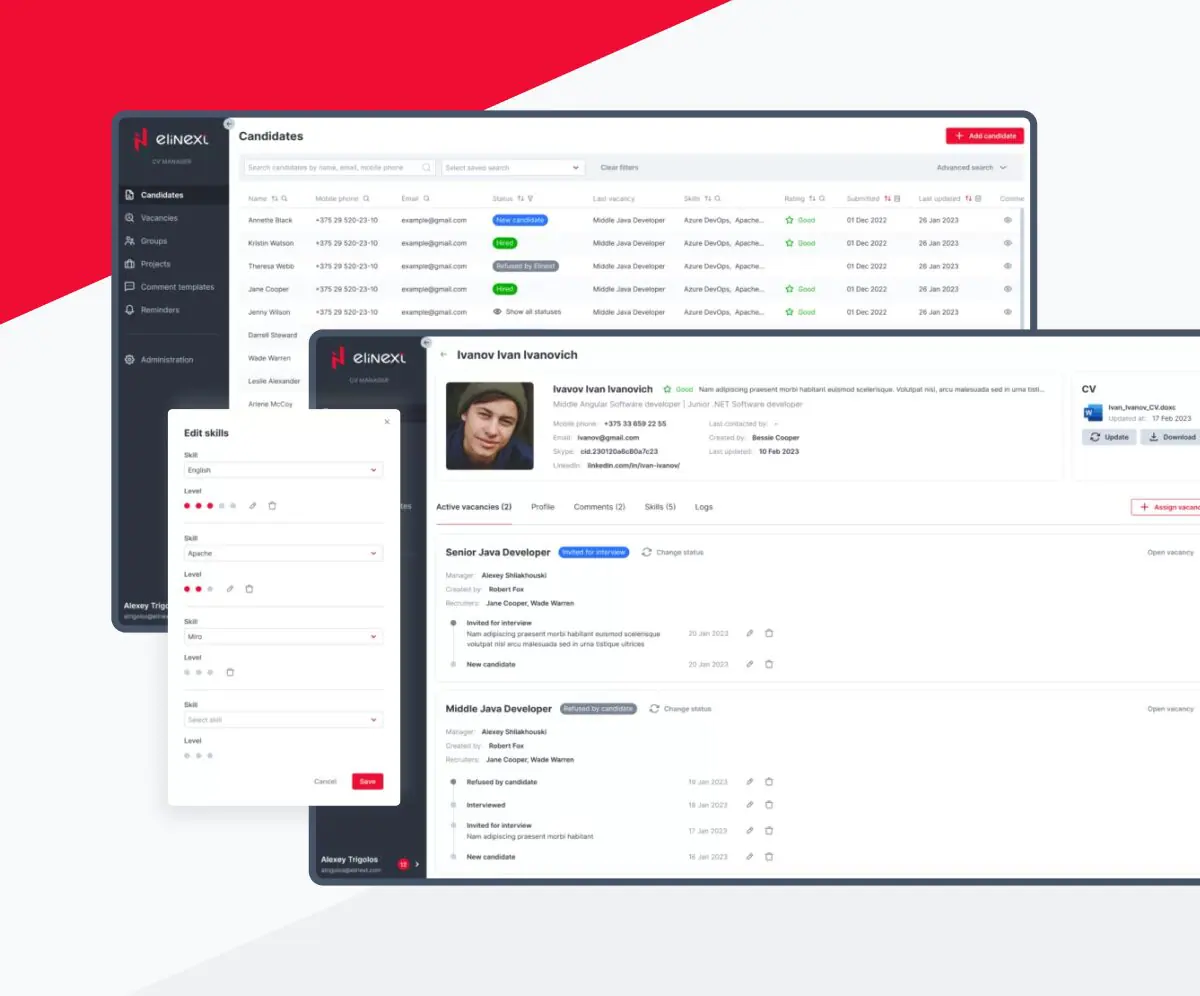


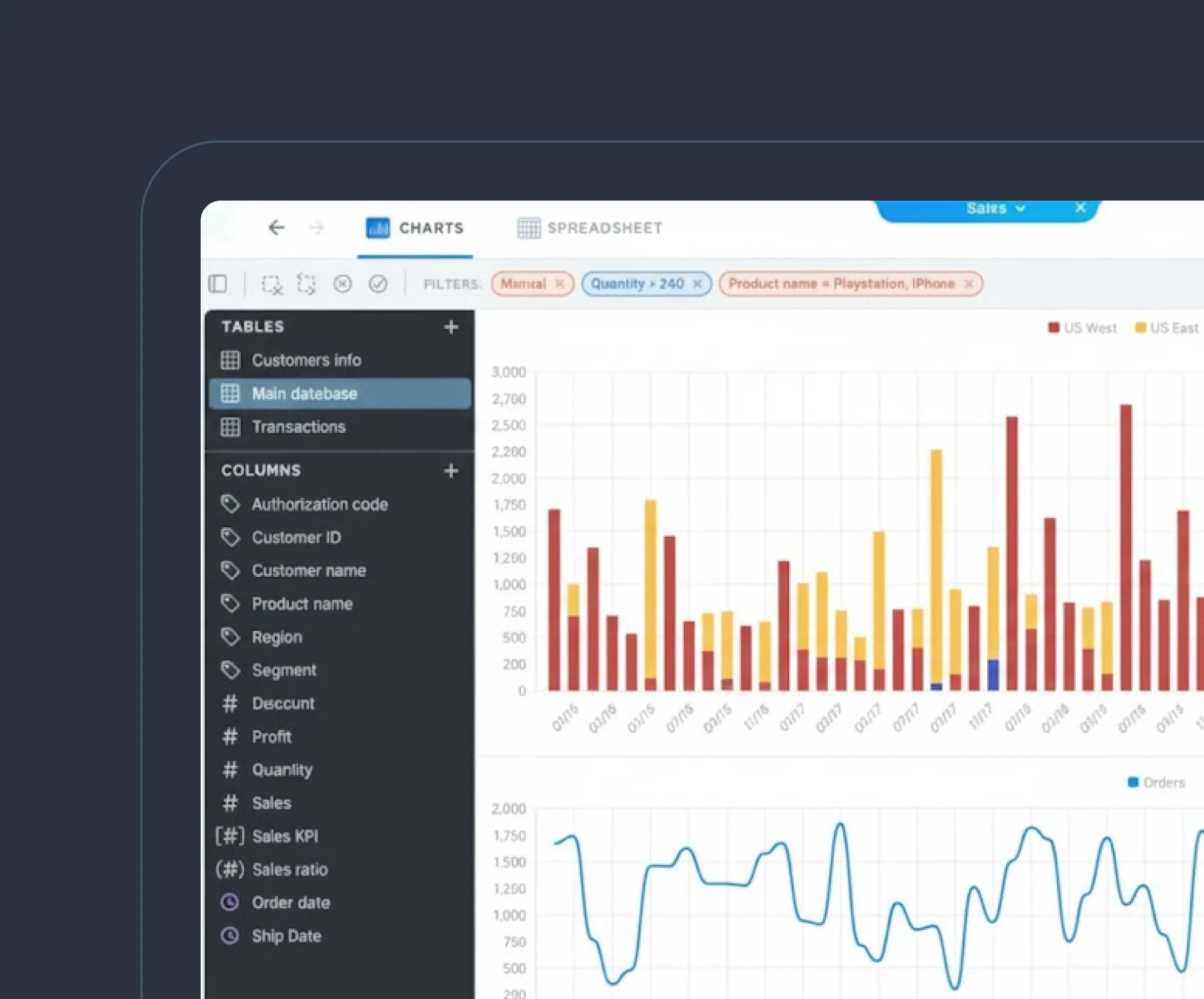

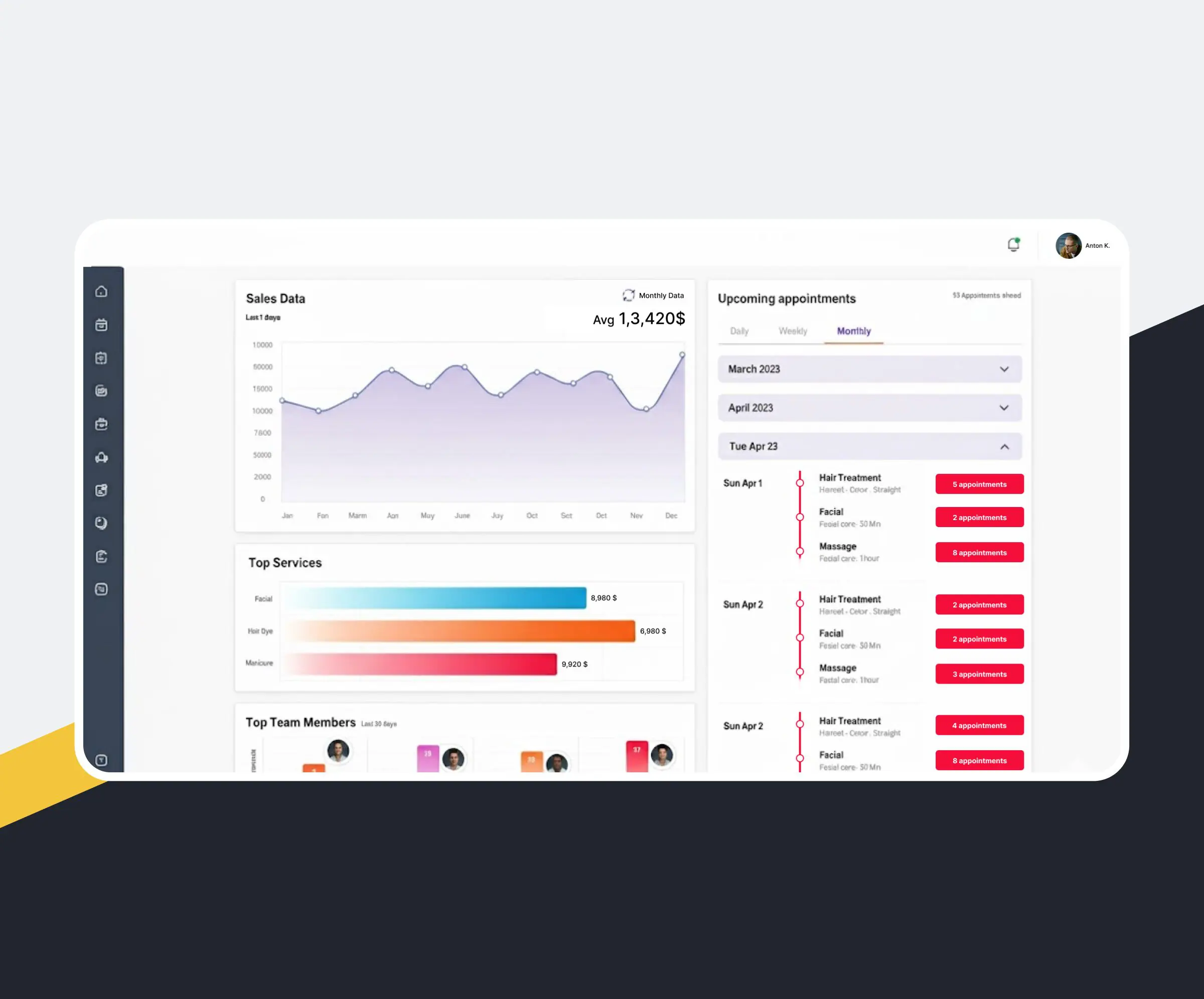


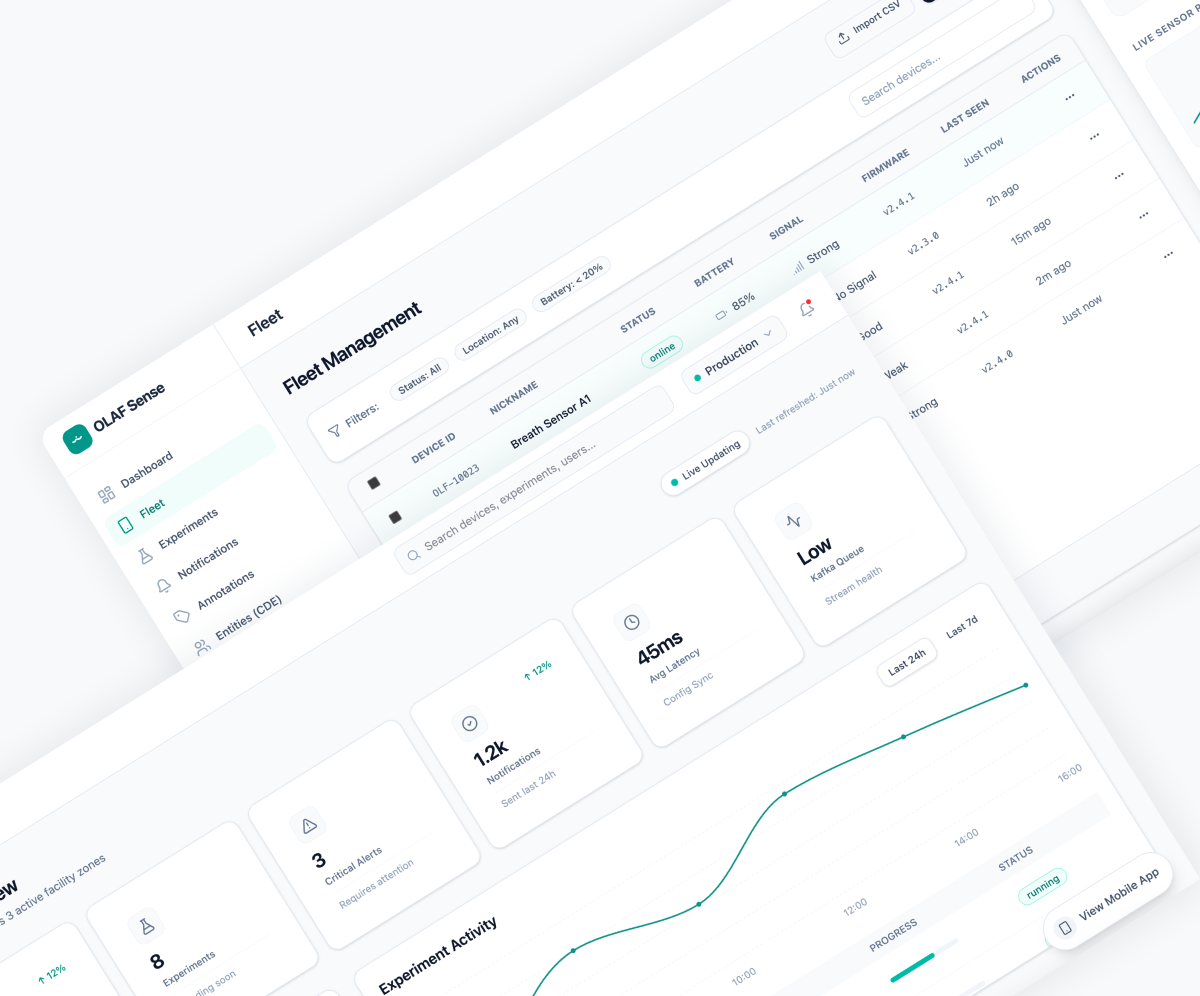


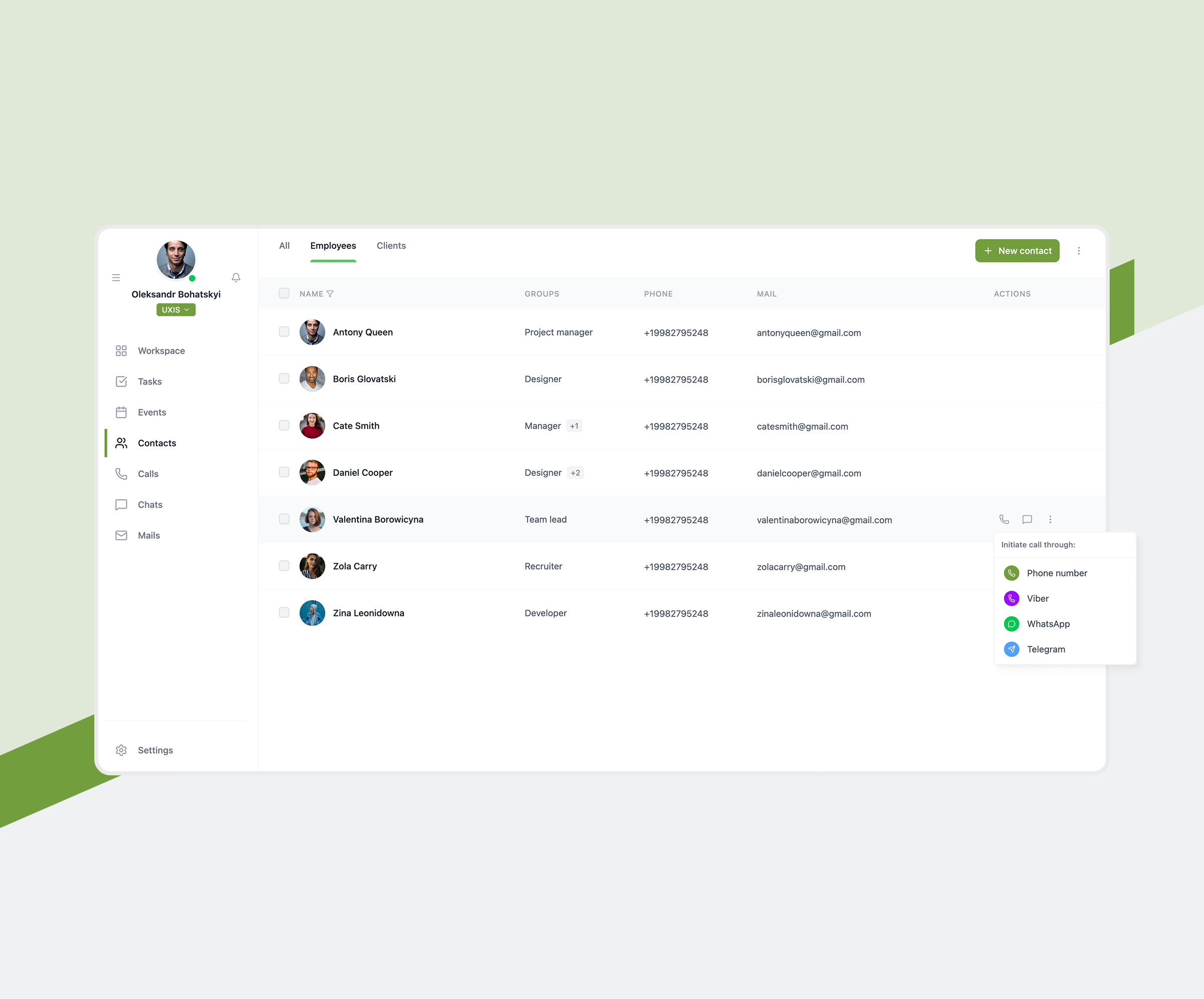
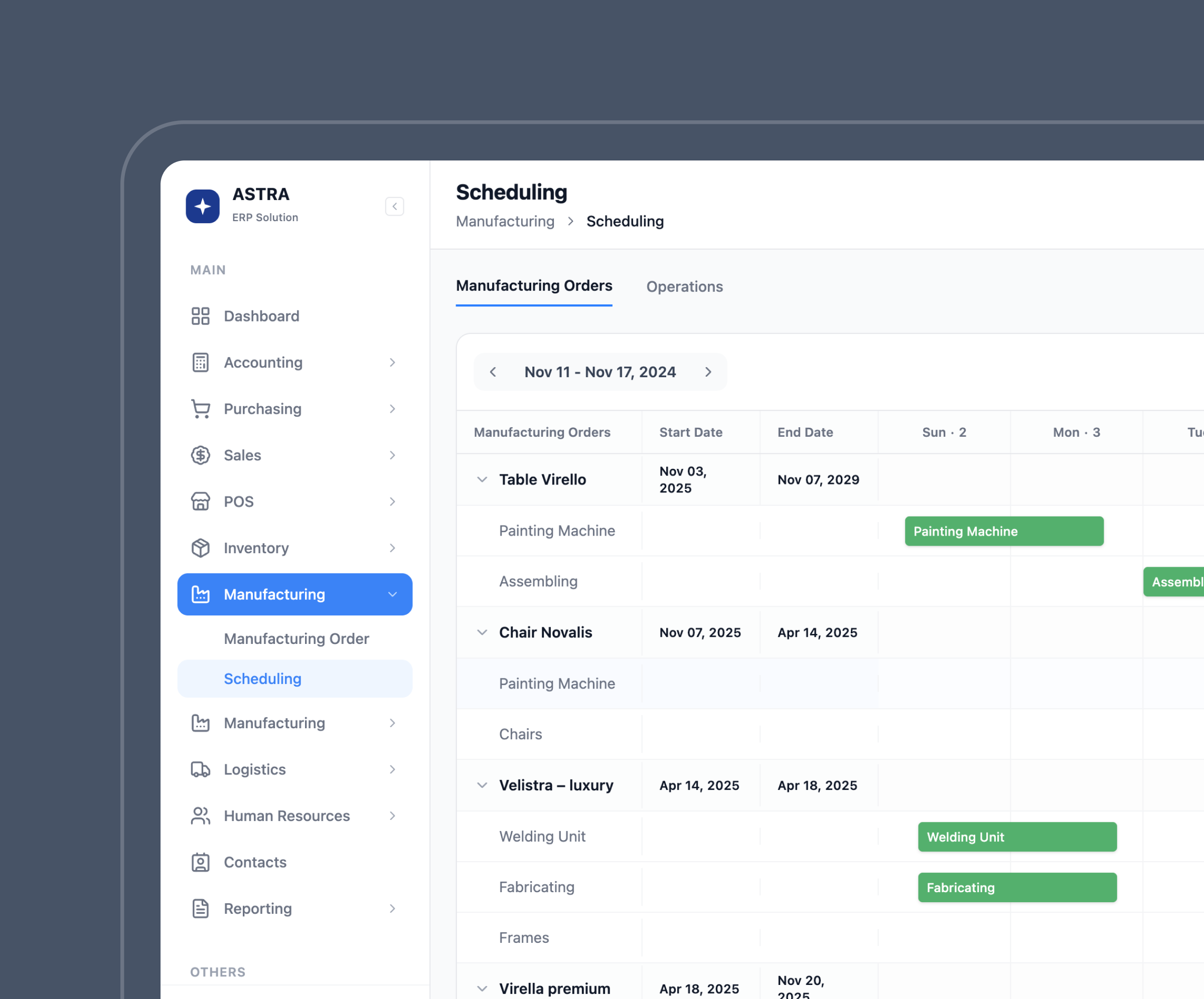
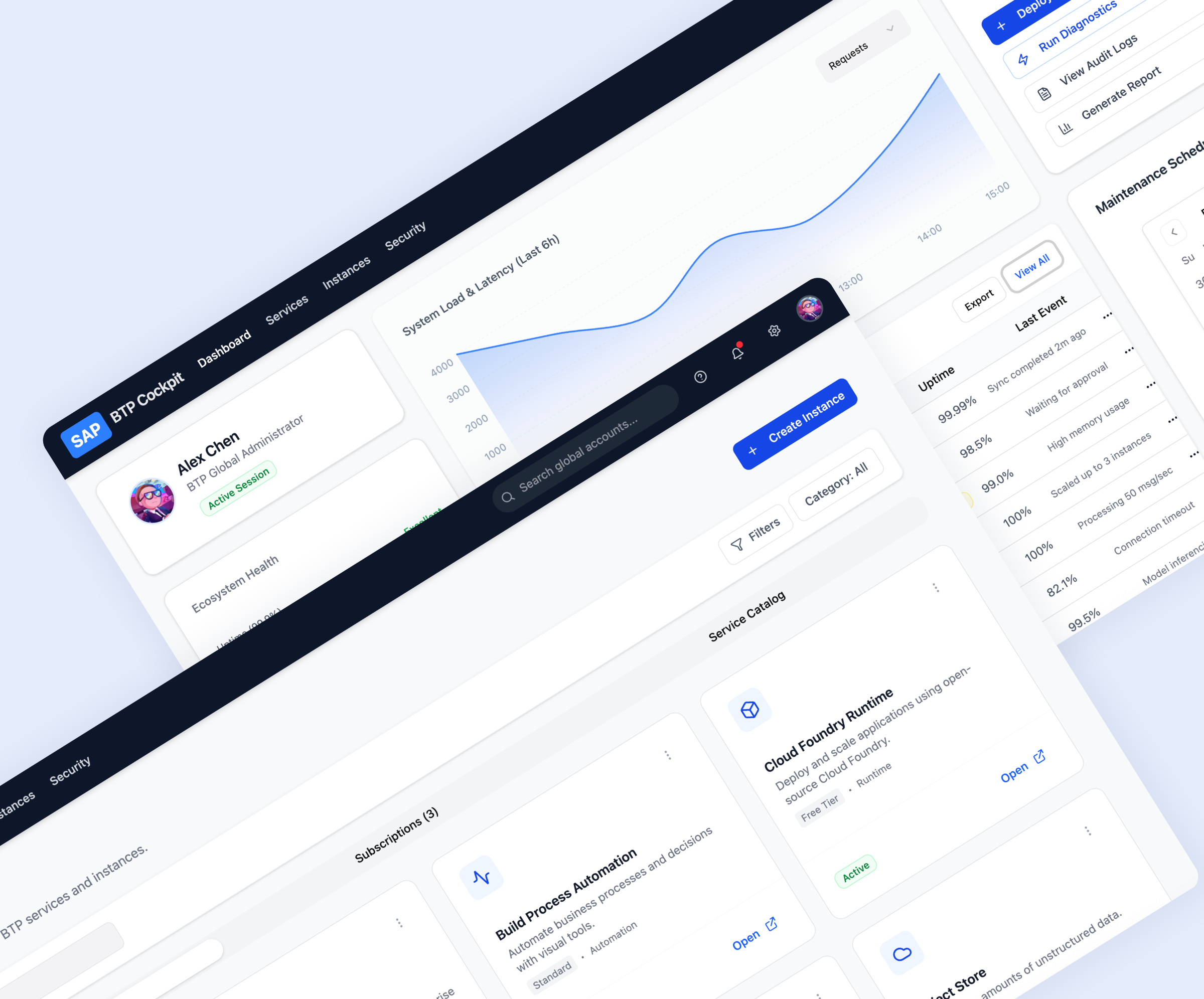
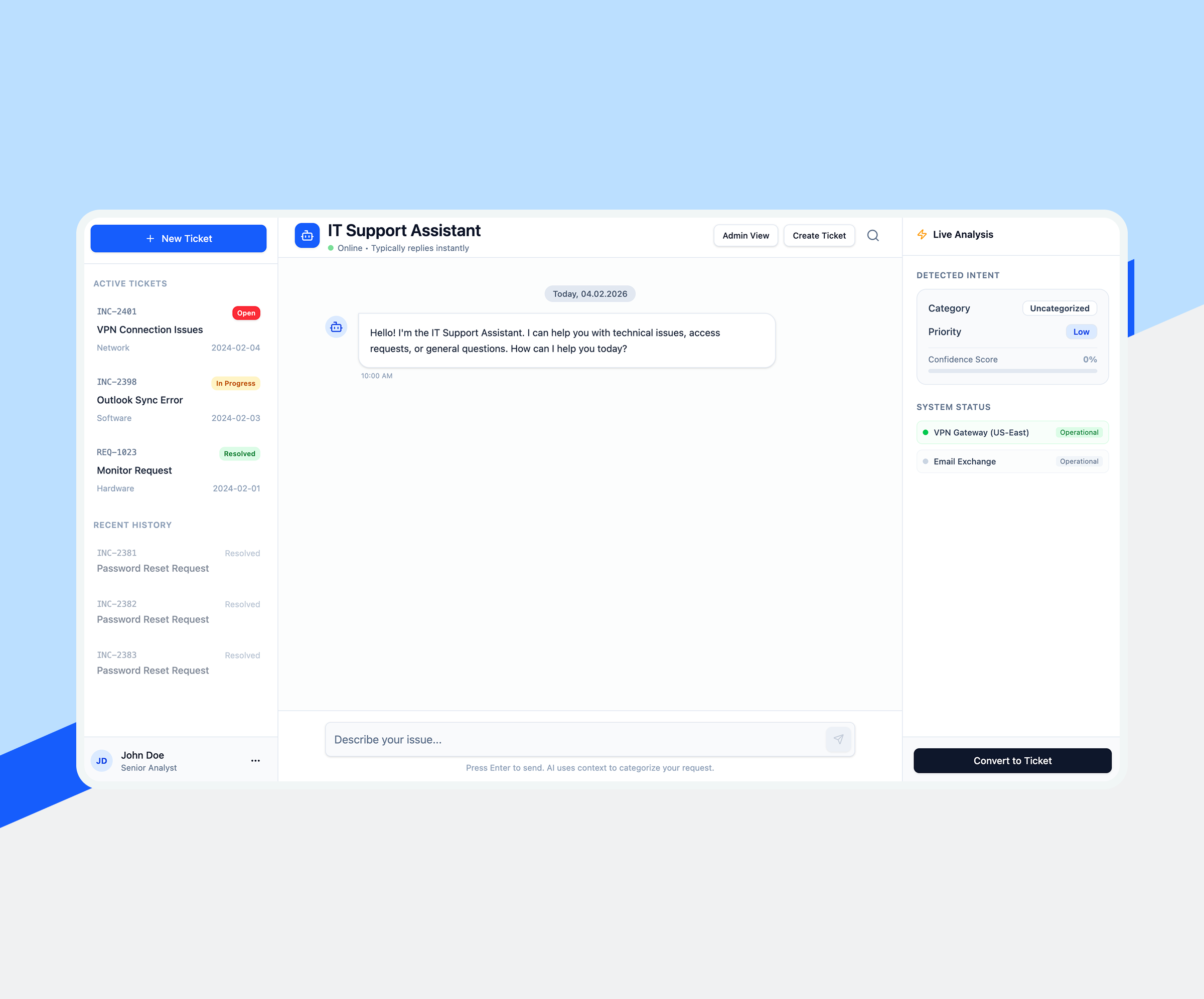
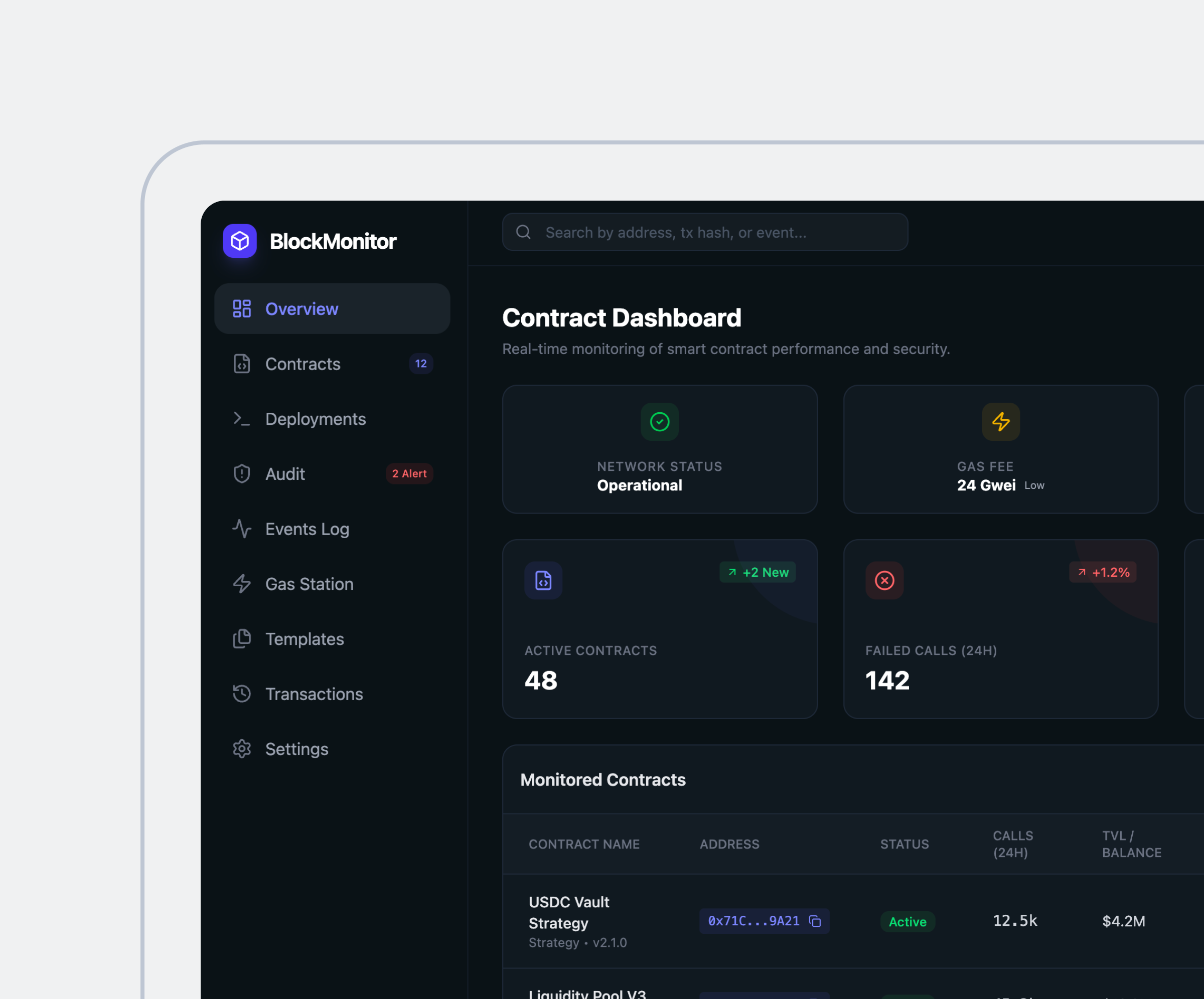
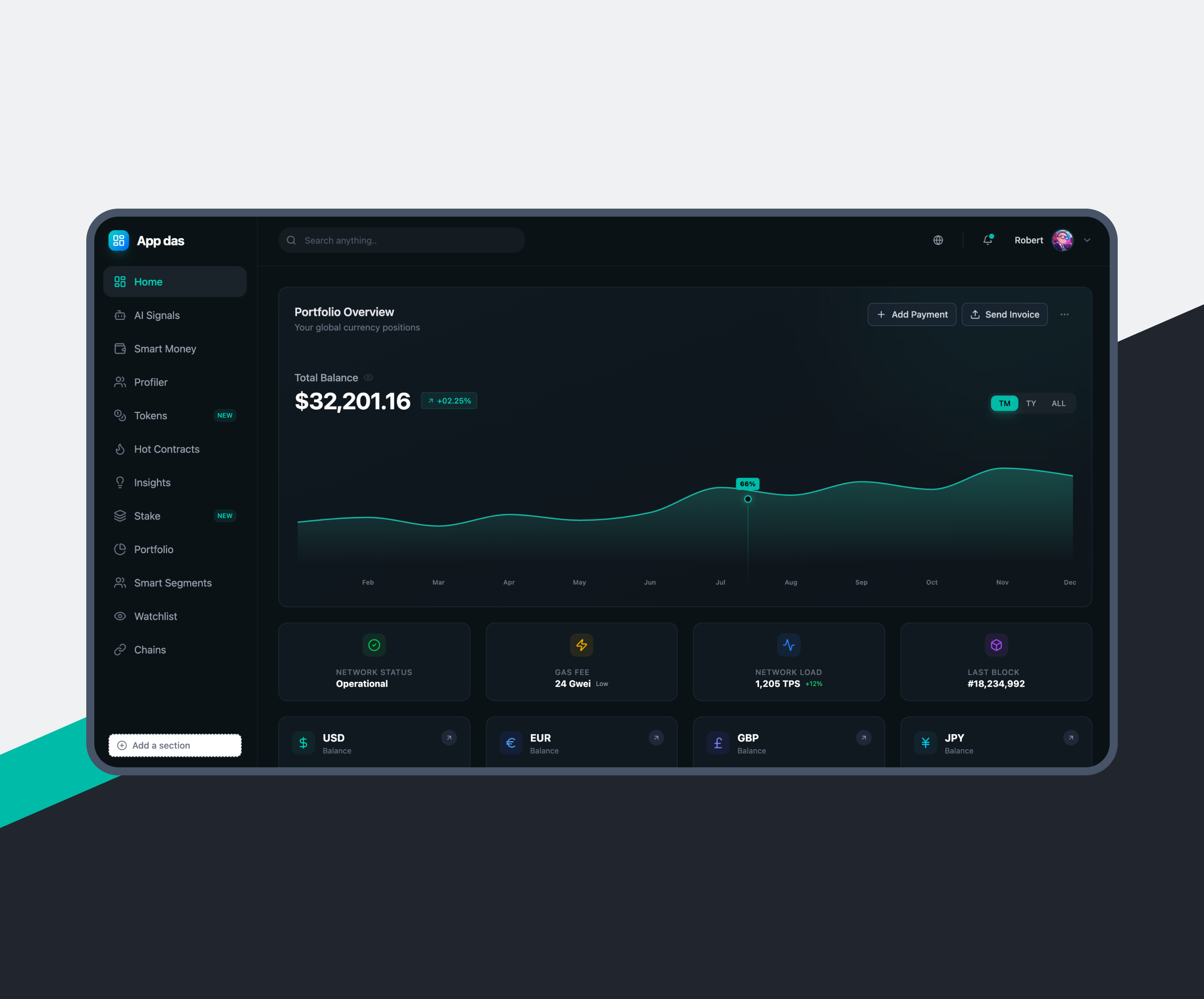
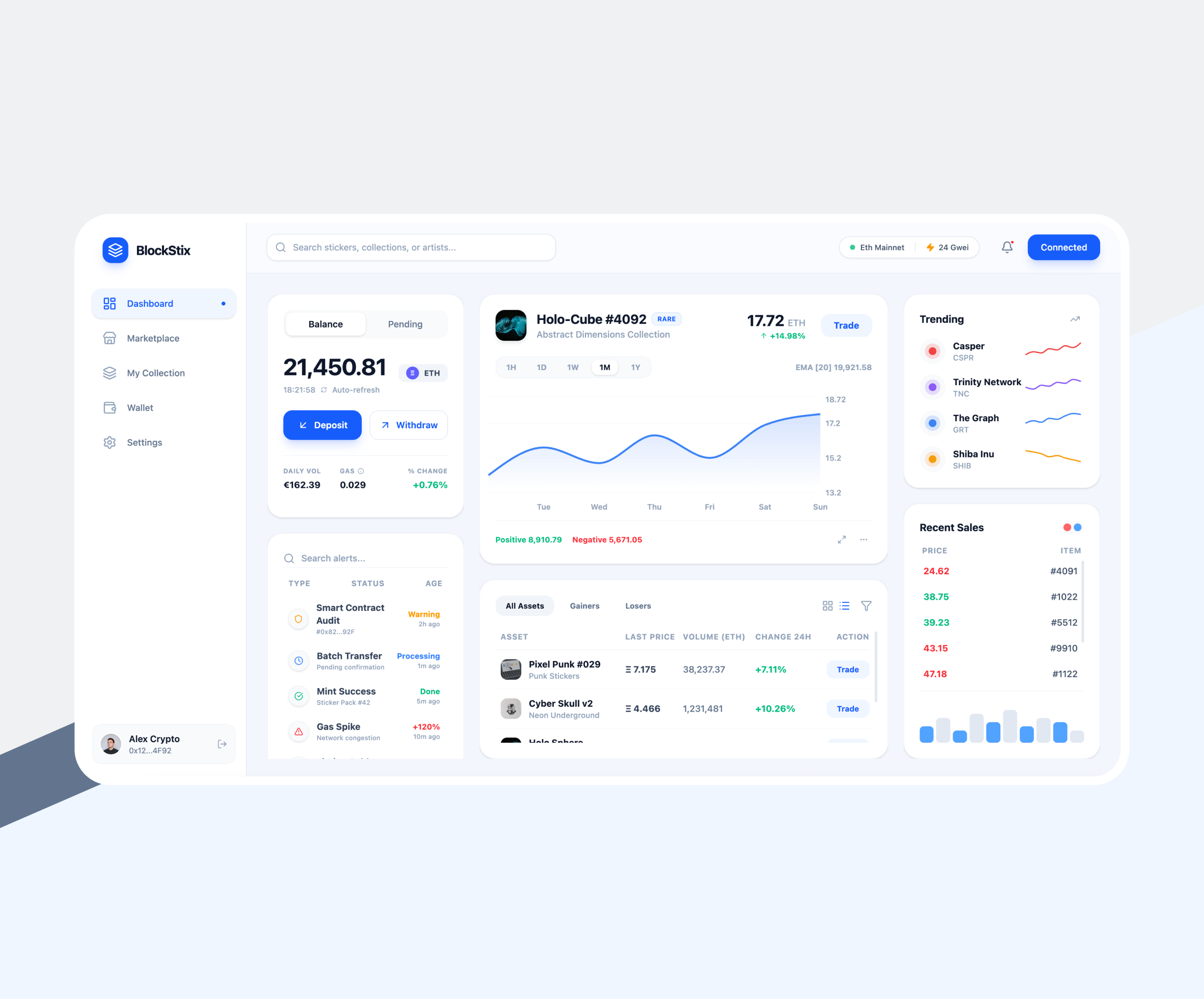
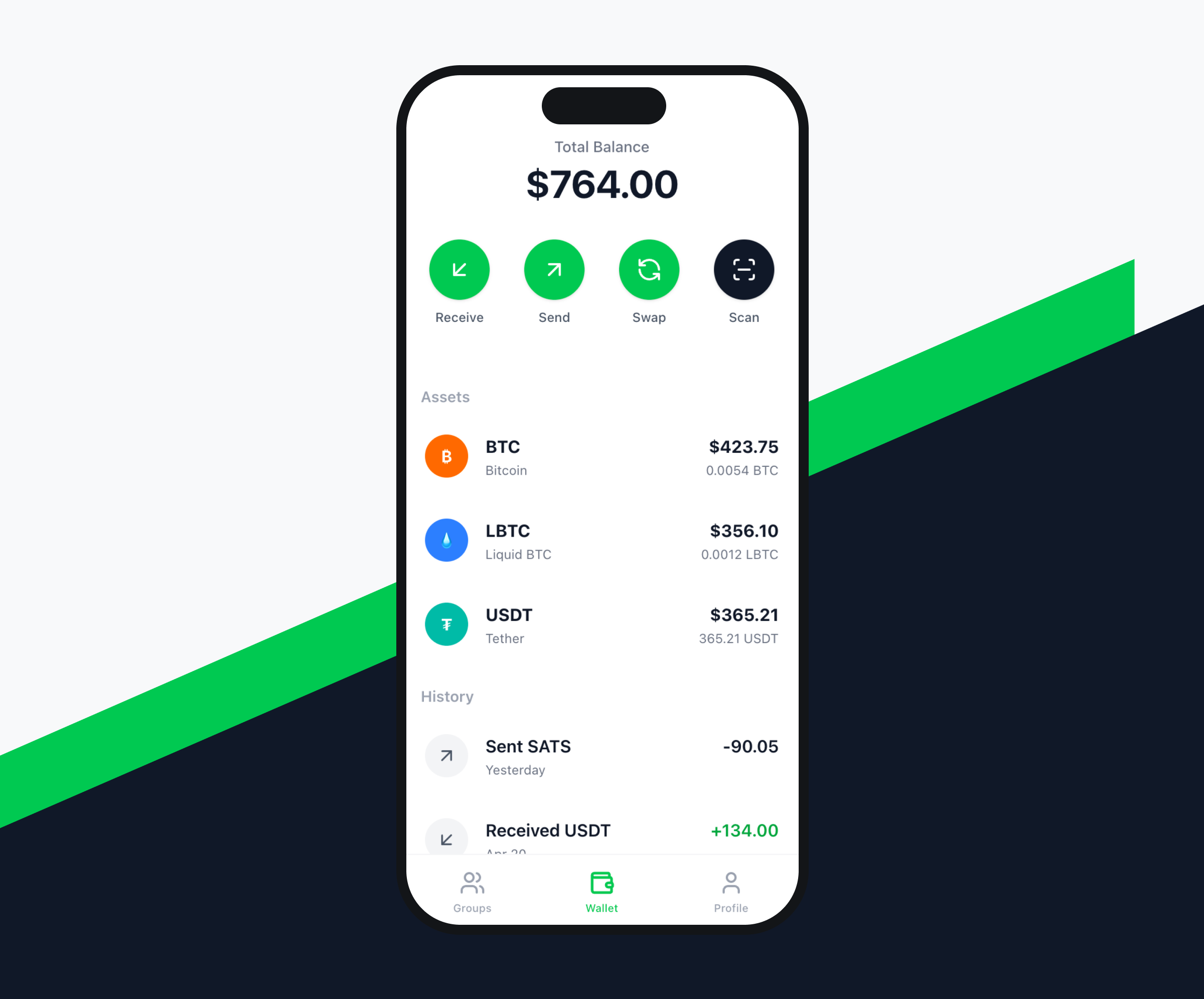
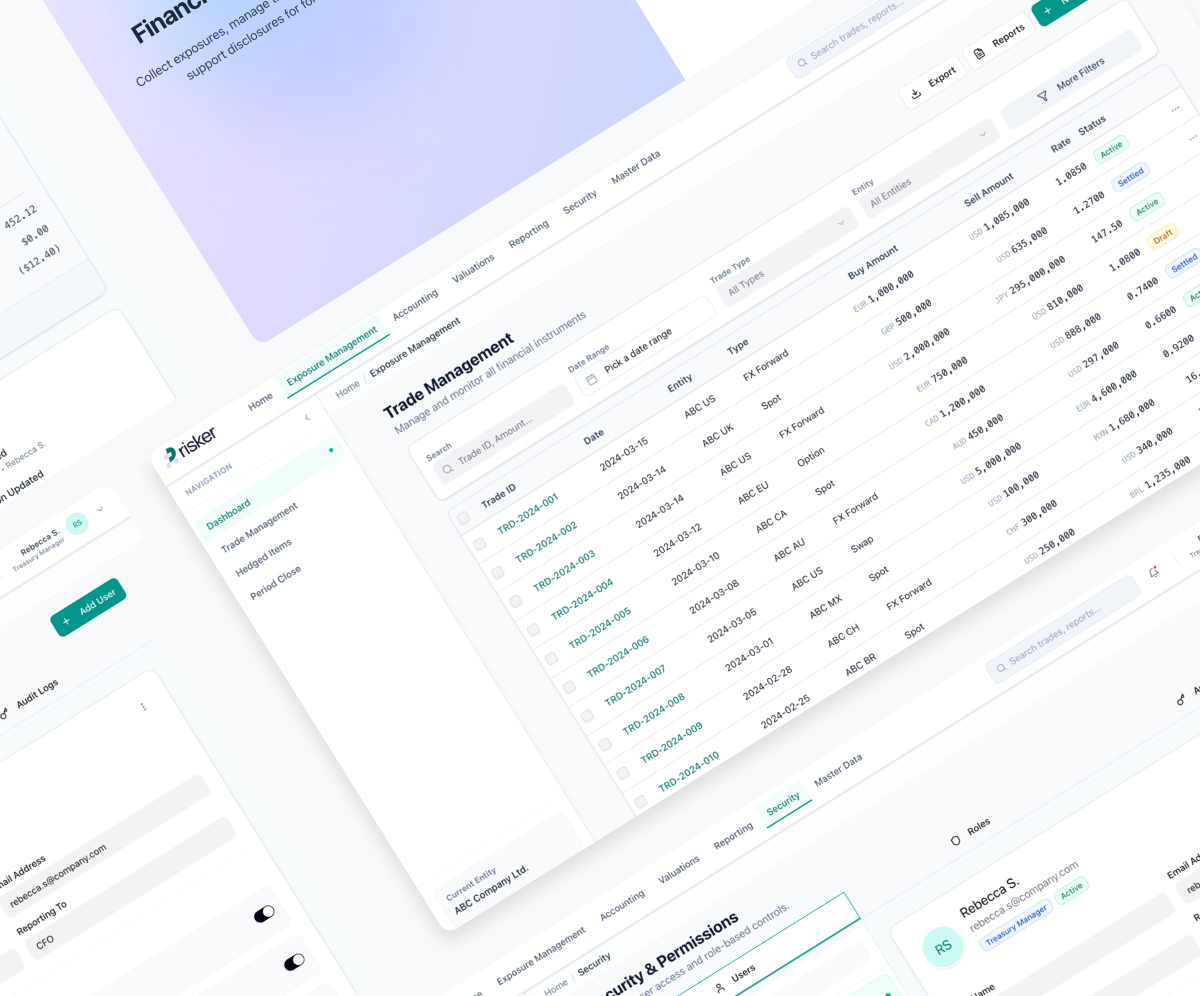
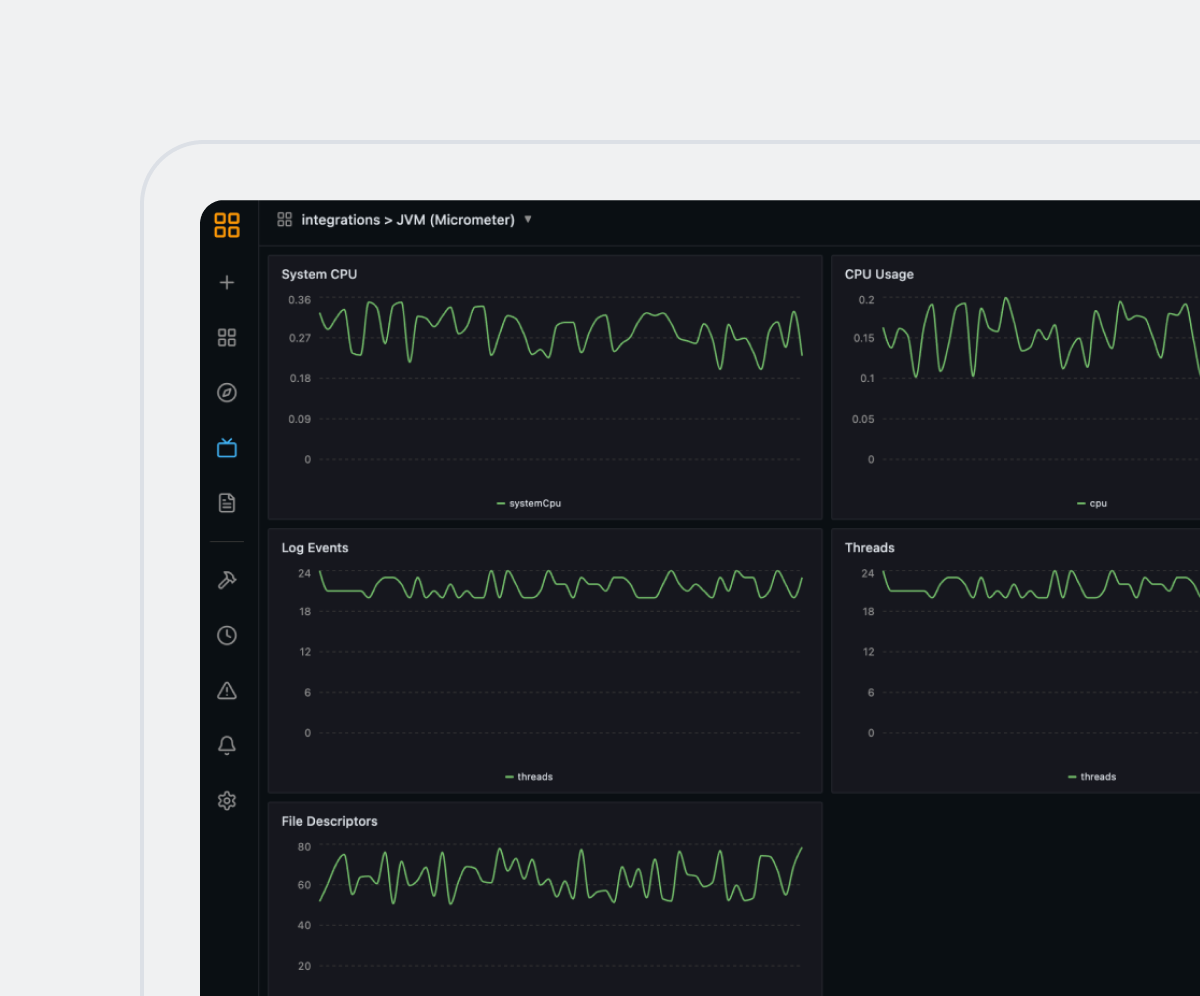
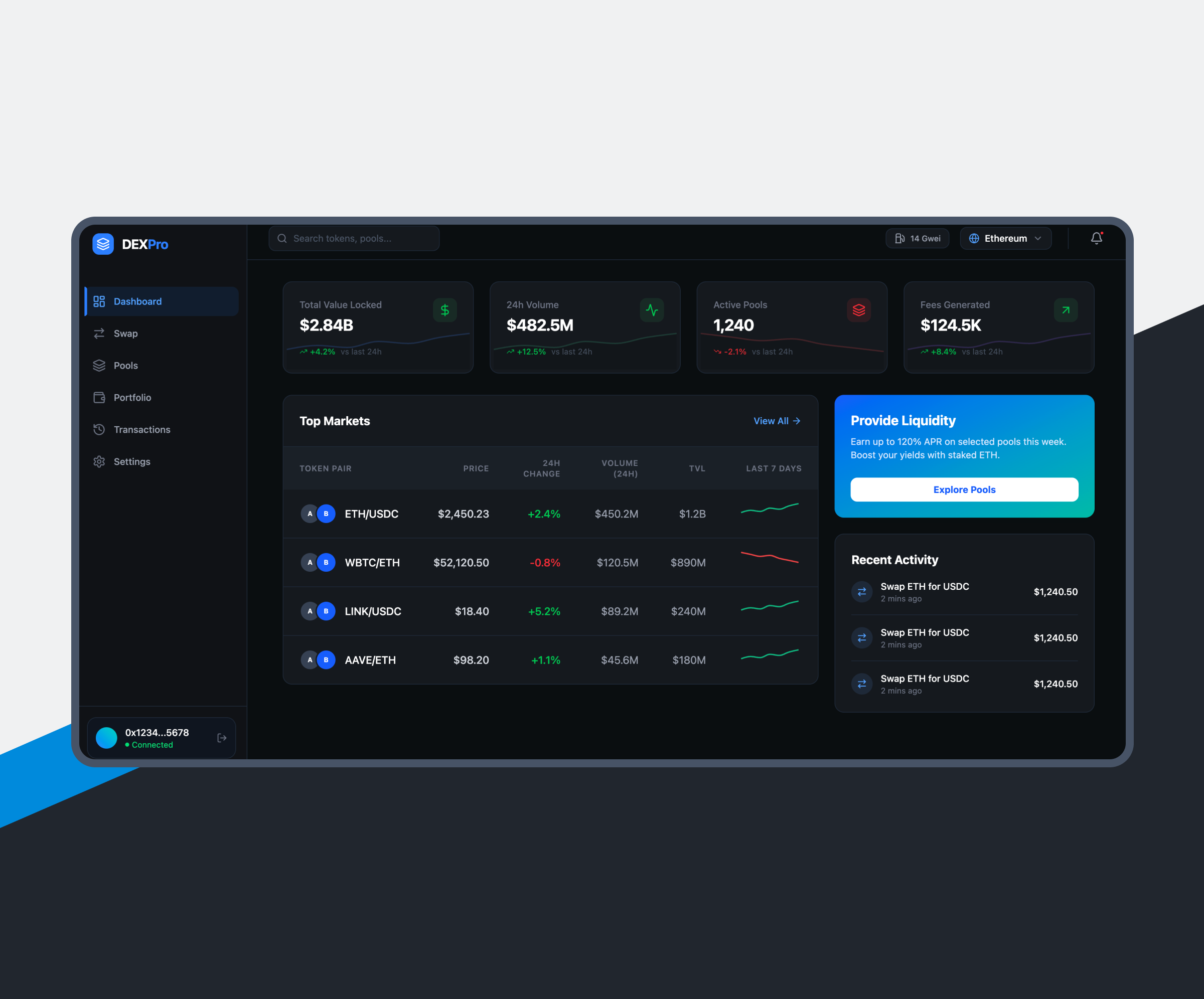
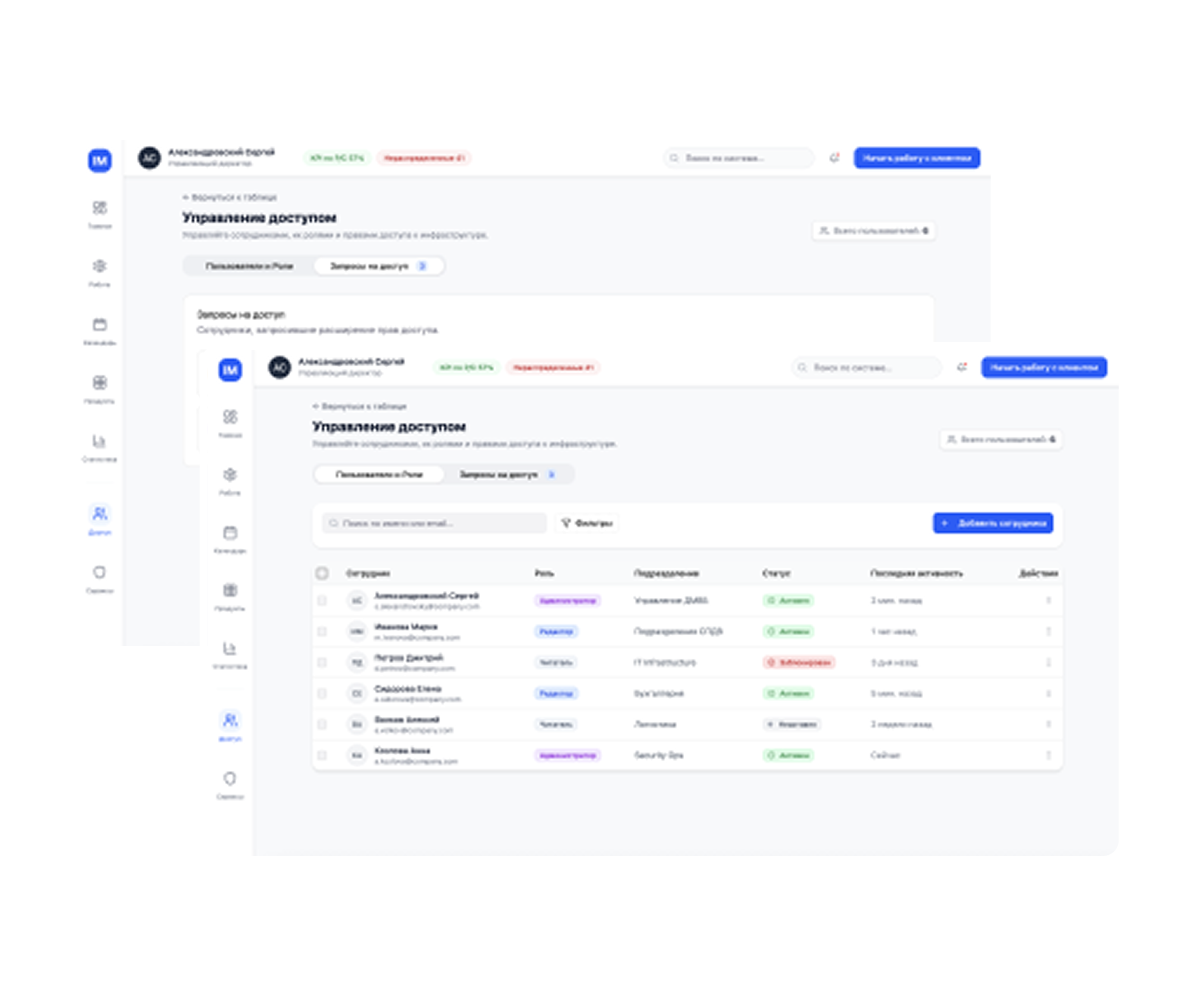
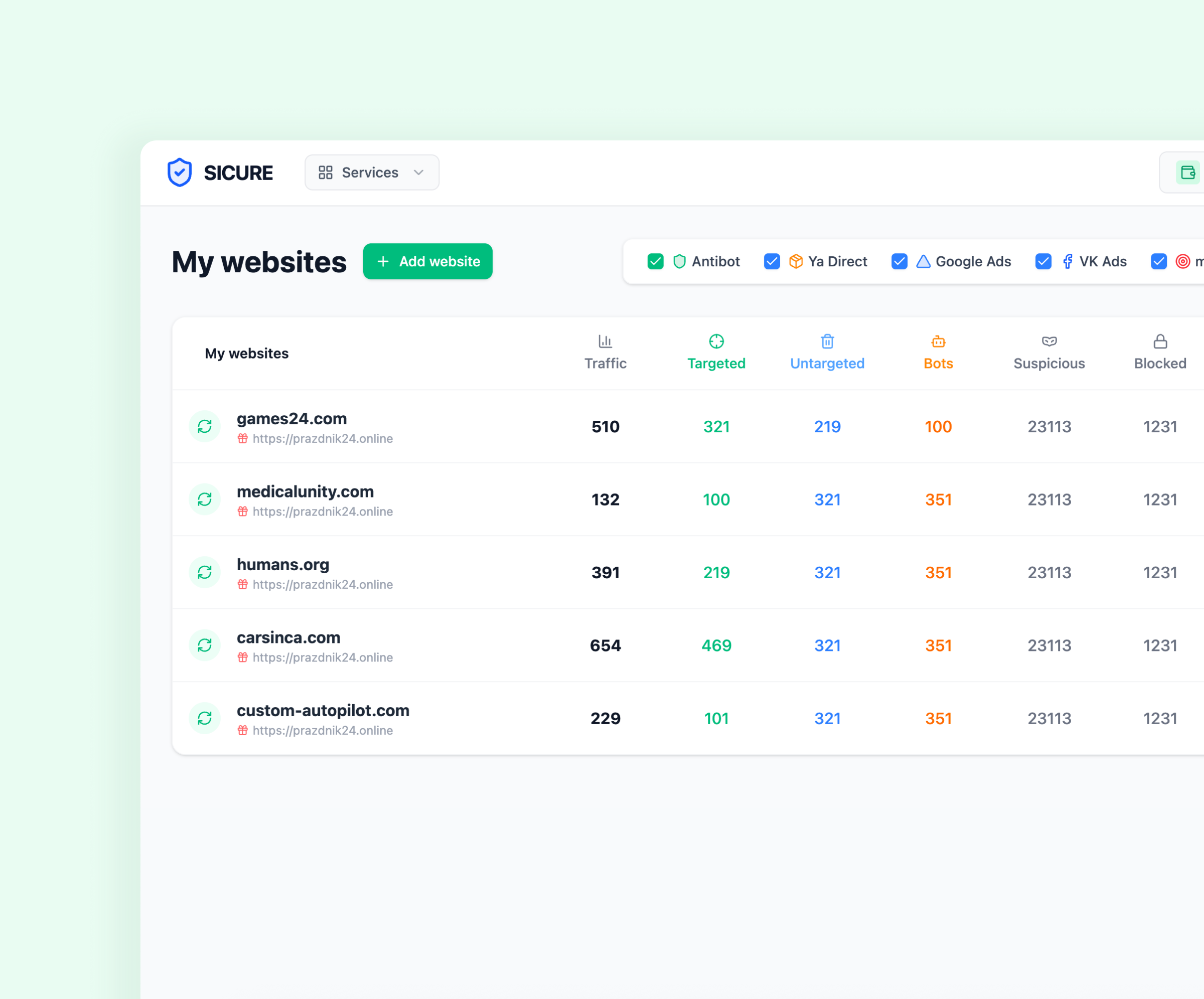

Productivity analytics apps are digital solutions that use data analytics services to monitor, analyze, and optimize work performance by tracking time management, task completion, and resource utilization in real time. This productivity analytics app is designed for businesses looking to optimize their workforce, small and medium-sized businesses managing remote teams, and individuals tracking their personal productivity.The productivity apps growth analytics solution market is expected to reach $149.74 billion by 2030, growing at a CAGR of 14.1% from 2024 to 2030. A mobile app development company developing these solutions enables AI-powered predictive analytics, real-time collaboration tracking, and automated performance reporting. Features include time tracking across apps, task completion monitoring, and resource allocation analysis. This translates into 800 hours saved monthly thanks to AI-powered automation. Benefits include a 10% increase in revenue, improved employee engagement analytics, and scalable cloud solutions that support hybrid work environments for maximum bFusiness impact.
The Shift from PCs to Mobile: App Diversification
To begin with, one should acknowledge that traditional PCs are sliding away from the apps arena. Let us call this phenomenon “apps diversification”. Phones, tablets, e-readers empower users to set a “proper-mobile-application-for-iPhone/iPad-requirement”. Elinext experiences this trend as well. As an intrinsic task to take up we get “to develop an application for iPhone”, the phrase you can read in the majority of our cases connected with apps development. In other words, a business app gets extended to mobile services and a productivity analytics app. That is why in order to get revenue IT developers should make apps functional across smartphones and tablets and offer their clients a web application development strategy that ensures all these devices go forward with applications.Productivity analytics app adoption shifts sharply from personal computers to mobile devices, with the tablet market expected to reach 195.39 million units by 2030. In the US, tablet revenue is expected to reach $9.7 billion by 2025, driven by growing demand for flexibility and the acceleration of remote work following the COVID-19 pandemic.
Cloud Technologies and Web Apps Replace Traditional Hardware
On a larger scale, businesses prefer productivity apps growth analytics solutions, cloud technologies or desktop-like web apps rather than traditional hardware. The same thing as in the previous point: your work is no longer location dependent. Plus such advantages as apps functionality and intelligence that are integrated in a cloud while reliance on the server slows down the apps’ performance.
Cloud-based productivity analytics app deployment accounts for 63.3% of market revenue in 2023, replacing traditional hardware with scalable SaaS solutions. Companies are abandoning on-premises infrastructure, embracing web-based applications due to their cost-effectiveness and integration capabilities.
Don’t let legacy systems limit your competitive advantage.

The Consumerization and Customization of Business Apps
Apart from this, at present, productivity apps growth analytics solution get “consumerized”. It means “tailor-made”. No one is interested in general options. No one wants to pay for what they do not need. Businesses set clear tasks for developers.Clients are expecting a certain type of productivity analytics app while IT developers make no decisions. The BYOD-principle is of much importance here as well. More and more enterprises adopt such policies, as a result of which business demands a tailor-made app for employees to be in the workplace. The consumer experience has taught them to do it. This is a usual phenomenon currently. In Elinext a customized app is declared to be a clear guide that is the basis for our projects.
BYOD Policies and the Blurring of Work and Personal Apps
The consumerization of productivity monitoring and analytics app and IT, in general, has highlighted the need for bring-your-own-device policy development. Employees use their own PCs and mobile devices for business tasks; moreover, this development is especially seen on the tablet front and gives an impetus to productivity apps growth analytics solution development simultaneously with implementation of BYOD (Bring your own device) Policies within companies. While a BYOD-policy takes many different forms, from cutting back on corporate laptops up to granting employees money to buy and use technology of their choice, IT developers have a challenging task to combine the best functionality of productivity analytics app to make it more comfortable for private and work use. But why should one stress it once again as a separate point? It makes sense.

Productivity analytics app development faces complex challenges: device fragmentation, data synchronization, and complex integration with enterprise systems. Our iOS app development services address these challenges through our expertise in cross-platform solutions, robust cloud architectures, and seamless API integration. This ensures 50% faster deployment and measurable performance improvements for our clients.

Consumer Apps Evolving into Business Solutions
Actually, many consumer apps have been transformed into business and productivity ones. However, business apps market is smaller than the consumer market, but business apps and a productivity apps growth analytics solution still have great opportunities for making profit.
Platform Prioritization Driven by BYOD Trends
Apart from the things above-mentioned, one should pay attention to platforms that pick up pace due to BYOD-policies. That is the factor worth bearing in mind for IT developers to gain income. Android and iOS-based business apps are the most popular ones. According to some figures, Android and iOS are equally prioritized (by appr. 30% of IT developers each), while HTML 5 is preferred by 25 % of IT developers. Therefore, it makes sense to head for the figures that make profit at the market.
Expansion into Vertical Business App Markets
Dwelling on more specific trends in the sphere of business apps and a productivity analytics app, we have to throw light on the fact that IT developers are opening up new markets and, let us put it as sales channels in this direction. The thing is that IT companies diffuse their apps in every single sphere of the economy. As for the newest developments, we should concentrate on the so-called vertical business apps. The item concerns real estate, finances, and healthcare sectors.
Implement productivity monitoring and analytics app solutions today.
Healthcare as a Key Vertical: The PCA Skin App Case
IT developers are eager to catch their niche in developing apps for the spheres mentioned. More and more specific applications emerge within healthcare. PCA Skin was one of our first projects in this field. Elinext Alliance has created an iPad-application for PCA Skin, a company specializing on skin treatment products. The app includes such functions as differentiation of roles (users, administrators, etc), registration for training, shipping/reviewing customer orders, digital signature.
Further Vertical Specialization: The Body Tan Scan App
Having succeeded in one project, Elinext Alliance took up another one in the field of “app vertical specialization” – Body Tan Scan. The customer wanted the Elinext team to develop an application which will help users to take a picture of his or her skin, publish it online via Social Networks and have a reference guide on tan processes at hand. The mobile application had to read skin code, be capable of sending to Facebook, Twitter, MySpace pictures of skin and comments to pictures.
Any productivity analytics app requires continuous optimization due to changing business needs and platform updates. Our application maintenance and support services ensure continuous operation, security patching, and feature updates. This approach reduces downtime by 80% and maintains a competitive advantage through continuous innovation.
SaaS Applications as a Profitable Business Trend
Let us move on to the next much promising business and productivity apps growth analytics solution trend, at least we do think this trend can be expected to be profitable, judging by our own experience. Some time ago, Elinext Alliance received a challenge to develop a SaaS application that could track the life of foreign exchange derivatives from inception up to realization. At the output, we got a robust SaaS solution with a completely new architecture. The app includes global availability, cross-platform and cross-browser compatibility, improved security, back compatibility, effective maintenance with fixed delivery guarantee.
Mobile SaaS and Enterprise Services as Revenue Drivers
Thus, mobile SaaS delivers CRM, HR, ERP and BI services and seems to become a source of revenue for IT developers.In the next few years, users will require more sophisticated apps, MAM will be a hot topic here. MAM-based apps are “promoted” by BYOD-policies, in other words, that is the factor behind MAM. When an employee brings a device into the workplace, easy maintenance, lack of security problems, and no complexity are the factors that make MAM-based apps preferable.
Transform operational data into strategic advantages that will drive growth and efficiency across your entire organization.
Adaptability as the Key to Revenue Growth in App Development
Summing it all up, one comes to a simple conclusion: to generate revenue IT developers should absorb the latest trends like any service providers in any other sphere. Not the strongest one survives, but the most adaptable one.
Conclusion
Productivity analytics app improves business processes by transforming complex data into actionable insights that accelerate decision-making and improve operational efficiency. Android app development services enable the creation of cross-platform solutions that reach a wider audience thanks to scalable cloud architectures. Market trends for 2025 show a CAGR of 15.8% in the Asia-Pacific region, driven by the adoption of mobile solutions and the integration of AI. Companies implementing these solutions report a 34% increase in productivity and significant ROI thanks to automated analytics, real-time collaboration tracking, and performance prediction, transforming the dynamics of the modern workplace.
FAQ
-
Productivity analytics apps are digital tools that monitor and analyze workplace efficiency metrics to optimize performance. They track time management, task completion, and resource utilization patterns.
-
Productivity analytics apps are digital solutions experiencing 14.1% CAGR growth due to remote work demands and data-driven decision needs. They help businesses optimize efficiency and reduce operational costs.
-
Cloud technology serves as the backbone infrastructure enabling real-time data processing and scalable analytics. It provides secure, accessible platforms for collaborative productivity insights.
-
Cross-platform development frameworks are optimal solutions combining iOS and Android reach with cost-effective maintenance. They enable faster deployment and broader market accessibility.
-
Productivity analytics apps are data-driven tools that provide real-time insights and predictive analytics. They transform complex metrics into actionable intelligence for strategic decisions.
-
Enterprise productivity solutions benefit technology, finance, and professional services sectors most. They optimize resource allocation, project management, and workforce efficiency across operations.
-
AI-powered analytics represent the future evolution of productivity measurement tools. They will incorporate predictive capabilities, automated insights, and personalized optimization recommendations.