






In 2025, the retail industry continues to evolve rapidly, driven by advanced technology and the widespread use of mobile devices. Retailers are now forced to transform their sales processes, highlighting the need for mobile ERP for retail solutions that seamlessly integrate online and offline experiences. As consumers increasingly rely on smartphones to make purchases, a robust mobile ERP for retail is essential to provide real-time inventory updates, personalized services, and efficient order fulfillment.
This integration not only improves customer satisfaction, but also enables retailers to thrive in a competitive marketplace. By implementing retail ERP solutions, companies can ensure that they meet the demands of today’s shoppers by offering convenience and flexibility in an omnichannel environment.
What is a Mobile Retail ERP
Mobile ERP in retail is a software solution that allows retailers to manage their operations using mobile devices. This system provides real-time access to critical data, such as inventory levels and sales analytics. For example, a salesperson can quickly check the availability of an item in stock while helping a customer, or managers can monitor sales performance from anywhere. By using mobile ERP, retailers increase efficiency and improve customer service, making shopping more convenient and responsive.
Key Benefits of Mobile ERP for Retail
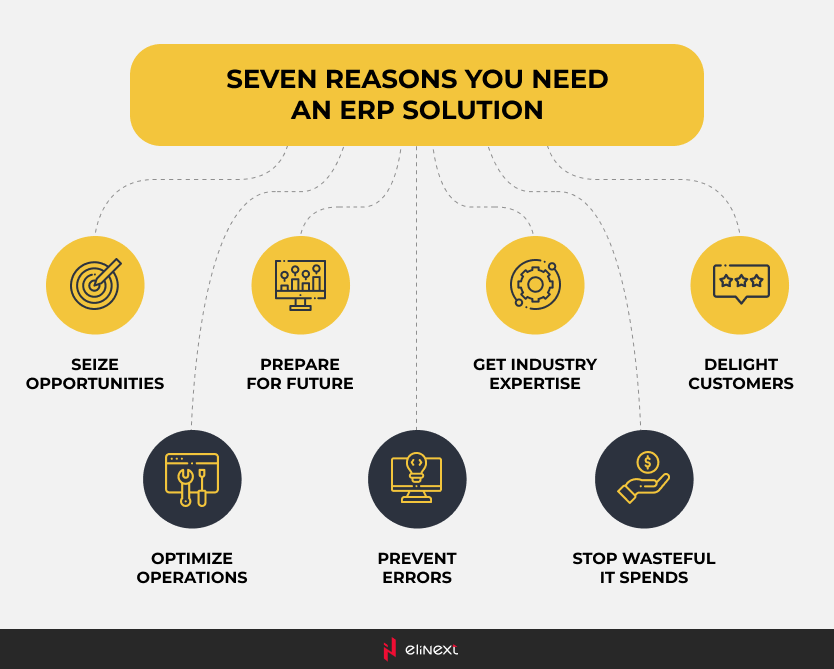
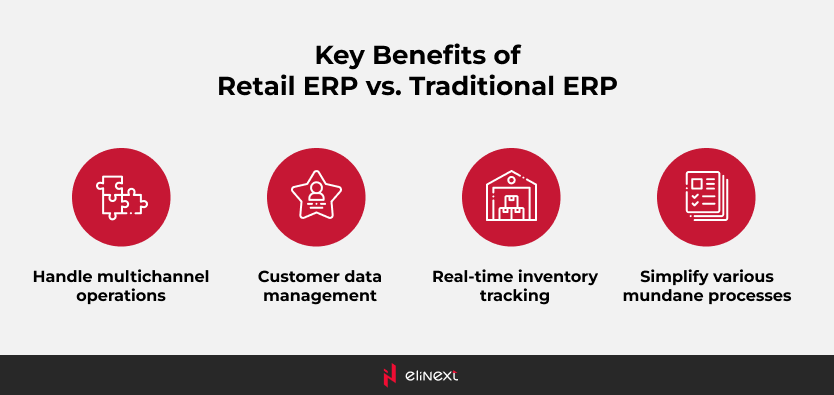
Retail mobile ERP systems offer significant benefits that improve operational efficiency and customer satisfaction. One of the key benefits is real-time access to inventory and sales data, allowing store associates to instantly check stock levels while assisting customers. This capability reduces errors and speeds up transactions, as seen when POS systems automatically record sales data, eliminating the need for manual entry.
Additionally, a mobile ERP allows managers to make informed decisions on the go, increasing their responsiveness to market changes. With features such as offline access and data security, a mobile ERP allows retailers to streamline operations and improve the overall shopping experience.
- Technological Advancements: The rise of mobile devices continues to shape retail strategies.
- Customer Expectations: Modern consumers expect seamless interactions and real-time information.
- Mobile ERP Solutions: Essential for integrating online and in-store experiences effectively.
- Inventory Management: Real-time stock updates are crucial for customer satisfaction.
- Personalized Services: Retailers must offer tailored solutions to enhance the shopping experience.
The Reasons for Implementation of Mobile ERP in Retail
The implementation of retail mobile ERP is driven by the need to improve efficiency and customer engagement. One of the main reasons is the ability to access real-time data, allowing staff to quickly check inventory levels and assist customers effectively.
For example, a sales representative can confirm that a product is in stock on the spot, reducing the likelihood of lost sales. Additionally, a mobile ERP system simplifies communication between teams, allowing for faster decision-making and better response to market trends. This flexibility is critical in today’s fast-paced retail environment, where customer expectations are higher than ever.
1. Defining Strategies with Retail Mobile ERP
A mobile ERP system helps define key strategies and prioritize tasks, allowing companies to meet their goals. By integrating custom ERP solutions, retailers can adapt strategies to effectively meet changing customer needs.
2. Mastering a Supply Chain with Mobile ERP for Retail
Mobile ERP manages sustainable inventory levels by analyzing the supply and demand characteristics of each product. It improves order fulfillment and regulates product distribution by automating orders, providing real-time information on product quantities and shipping details.
3. Enhancing Customer Care with Mobile ERP
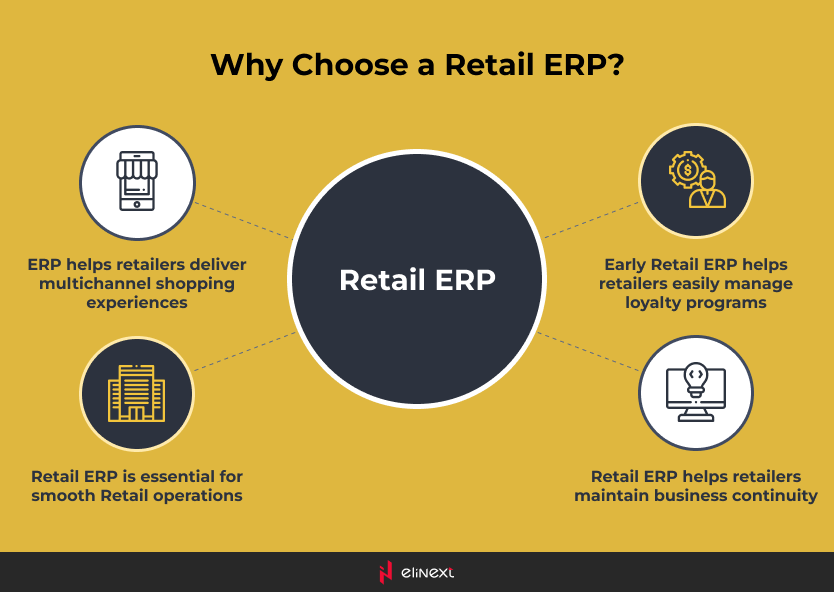
Mobile ERP in retail improves customer communication, helping companies achieve their goals more efficiently. With centralized data, retailers gain better visibility into customer preferences and have 24/7 access to marketplace trading. Additionally, mobile ERP promotes customer loyalty by offering a variety of shopping options, such as pre-orders, returns, and in-store pickup.
4. Optimizing Operations for Better Customer Experience with Mobile ERP
Mobile ERP offers a comprehensive view of customer profiles, providing important information for effective inventory sales. It helps reduce queues, organize schedules, and facilitates the distribution of tasks among employees. In addition, mobile ERP makes it easier to track order history, allowing you to make relevant offers and encourage customers to increase their purchases.
5. Managing Business and Financials with Retail Mobile ERP
A mobile ERP system constantly updates and distributes information throughout the enterprise, keeping staff informed of changes in inventory and finances. It helps staff filter specific order details and effectively track daily sales flow.
6. Leveraging Retail Mobile ERP for Marketing and Sales
The mobile ERP system allows retailers to capitalize on customer birthdays and special occasions by sending automated messages with in-store celebration offers. It can also send personalized emails about upcoming sales and discounts, increasing customer engagement.
7. Going Mobile with Mobile ERP for Retail
According to SellersCommerce, m-commerce is expected to account for 59% of all online retail sales, reaching a total of $4.01 trillion. A retailer can use a mobile ERP app to check stock levels while assisting the customer, ensuring that they can provide accurate information instantly. Additionally, they can process sales, manage returns, and access customer profiles on the spot, improving the shopping experience.
What are the Future Trends in Retail
The future of retail is being shaped by several key trends, particularly the integration of mobile ERP in retail and retail software development services. As retailers increasingly adopt mobile solutions, they can improve the customer experience by delivering real-time inventory updates and personalized promotions directly to shoppers’ devices.
For example, a retailer could use mobile ERP to send customers birthday discounts, encouraging them to visit the store. Additionally, the rise of AI and automation in retail software development allows companies to more effectively analyze consumer behavior, allowing them to develop customized marketing strategies and improve operational efficiency. This evolution will not only streamline processes, but will also foster deeper relationships with customers, positioning retailers for success in a competitive environment.
Conclusion
In 2025, businesses need Mobile ERP for retail to stay competitive and efficient in a rapidly evolving marketplace. With the rise of omnichannel shopping, Mobile ERP enables real-time inventory management across all platforms, ensuring customers can access products seamlessly. For example, a retailer can update stock levels instantly when items are sold online or in-store, reducing the risk of overselling.
Additionally, Mobile ERP enhances customer engagement by allowing staff to access customer data and preferences on the go, enabling personalized service. Lastly, it streamlines operations by automating processes like order fulfillment and reporting, ultimately driving profitability and customer satisfaction in the dynamic retail environment. Embracing Mobile ERP will be crucial for retailers aiming to thrive in this competitive landscape.
FAQ
Why is Mobile ERP Important for Retailers Today?
Mobile ERP for retail is critical as it improves operational efficiency by allowing retailers to respond quickly to market changes and customer demands, ultimately driving sales and satisfaction.
How does retail mobile ERP improve inventory management?
Retail mobile ERP improves inventory management by providing real-time data on stock levels, allowing retailers to track inventory across multiple locations and reduce the risk of stock-outs or overstocks.
Can retail mobile ERP help improve customer service?
Yes, retail mobile ERP improves customer service by giving staff instant access to customer data and preferences, enabling personalized interactions and faster responses to inquiries.
Is mobile ERP suitable for small retailers?
Absolutely! Mobile ERP in retail is suitable for small retailers as it offers scalable solutions that streamline operations, increase efficiency, and improve customer engagement without the need for large resources.
