







In 2025, the debate over team lead vs project manager will be key to success in IT. Project manager solutions focus on strategic planning, stakeholder management, and agile practices. Key skills include communication, risk management, and technology literacy. Analytics show that leaders who use modern project management tools reduce delivery times by 30% and increase team satisfaction. The best IT team leaders combine vision, empathy, and robust process control.
Project Manager VS Team Lead: What’s the Difference?
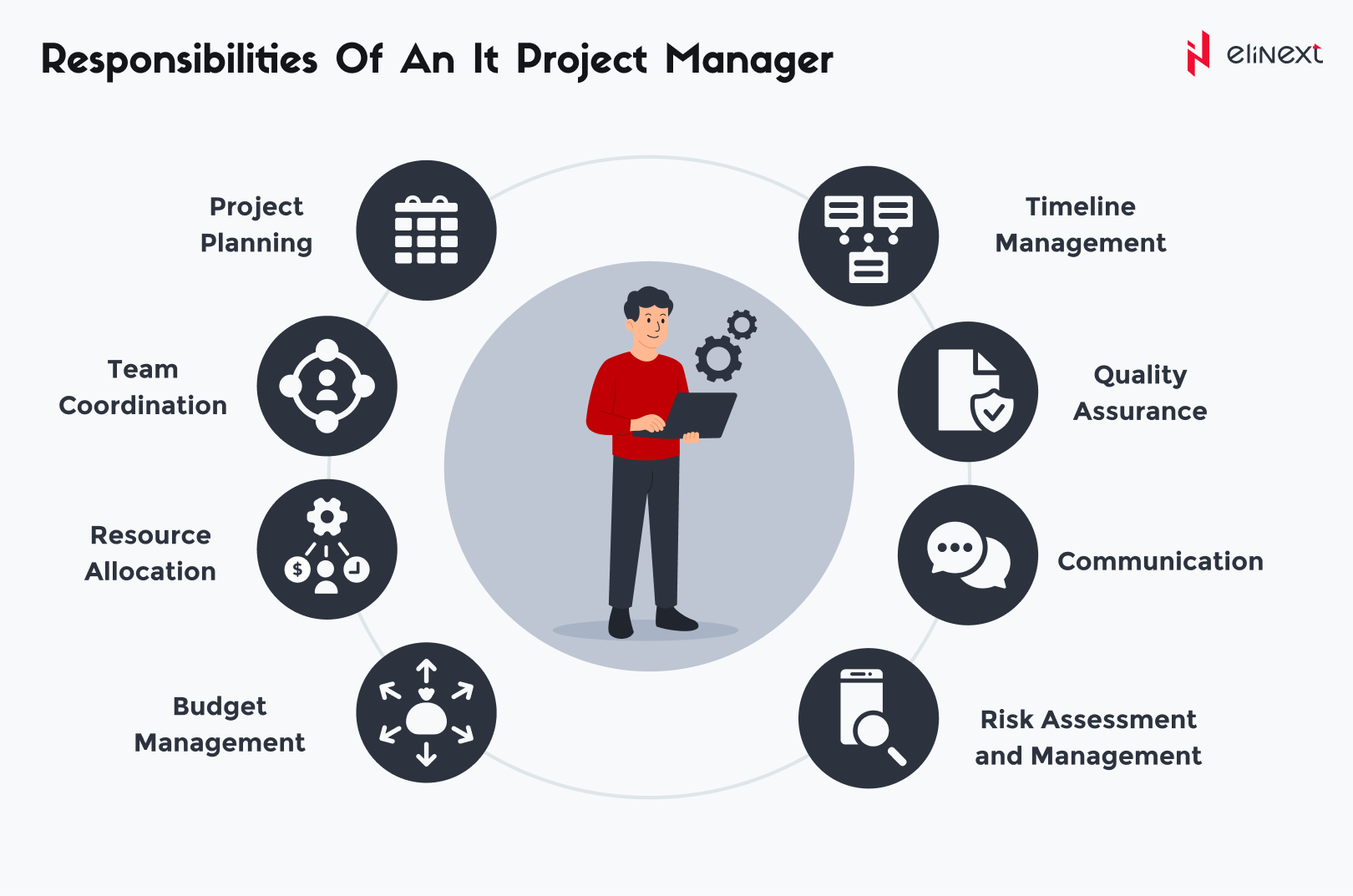
The team lead vs project manager debate centers on roles: team leads focus on technical direction, day-to-day support, and coaching, while project managers oversee scope, timelines, and stakeholder engagement. Project manager solutions include task management, communication tools, and dashboards to track key performance indicators (KPIs).
In software implementation, a team lead ensures code quality and skill development, while a project manager manages resources, risks, and timelines. By 2025, 63% of IT organizations are using dual leadership models to improve delivery efficiency and morale. Analytics show that projects that utilize both roles are 47% more likely to meet scope, budget, and quality targets.
Ship faster with fewer risks.
Appoint a team leader to align vision, unblock teams, own delivery, and drive quality.
Get a seasoned lead now to turn your product roadmap into results.
How do Team Leads Influence the Accomplishment of an IT Project and Project Manager Solutions?
A good team lead will provide motivation, accountability and mentoring amongst the team members but there are other success factors as well. An effective team leader will be aware of the project’s end goal and has a plan on how to achieve this. He or she will also understand the role of each team member (including project manager solutions), which is crucial for project coordination.
Once this understanding is accomplished a good team lead will become aware of interdependencies within the project tasks and the team members. A productive, well-coordinated team is a keystone for the completion of any project because tasks can be achieved faster and more efficiently. If the coworkers see that everything runs like a well-oiled machine, their motivation will increase as well.
Types of Team Management Solutions
Team lead vs project manager and project manager solutions highlight collaboration platforms, agile boards, performance analytics, and communication tools. Jira supports agile project managers with sprint tracking, while Slack improves daily team syncing. Analytics dashboards help both roles monitor performance, manage workload, and track progress, ensuring projects stay on schedule and teams stay engaged and productive.
-
Visionary Leadership
Project manager vs team lead: Visionary leadership inspires teams with a clear project roadmap. A project manager sets an ambitious goal — like launching a new app in six months — motivating the team to innovate and work together to ensure the project’s success.
-
Coaching Style
The coaching style encourages learning and development. The team leader holds regular feedback sessions to help junior developers improve their programming and problem-solving skills, which improves the team’s competence and project results.
-
Affiliative Style
The affiliative style promotes harmony and trust within the team. The project manager quickly resolves conflicts and celebrates the team’s achievements, creating a positive atmosphere that increases motivation and reduces turnover.
-
Democratic Leadership
Democratic leadership involves the team in the decision-making process. During sprint planning, the project manager involves all team members in the process, ensuring that everyone’s voice is heard. This increases buy-in, creativity, and leads to better decisions.
-
Pacesetting Style
Pacesetting leaders set high standards and lead by example. A team lead who codes alongside the team and pushes for quick, high-quality releases inspires others to match their pace, driving productivity and excellence.
-
Autocratic Leadership
Autocratic leaders make fast, top-down decisions. In a crisis, a project manager quickly reallocates resources and directs actions without debate, ensuring the project stays on track when urgent, decisive action is needed.
-
Commanding Laissez-faire
A commanding laissez-faire leader provides broad goals and freedom for execution. A PM sets project milestones but trusts the team to self-organize, fostering innovation while maintaining accountability for results.
-
Bureaucratic and Servant
Bureaucratic leaders enforce policies for consistency, while servant leaders prioritize team needs. A PM ensures compliance with regulations, but also removes obstacles so the team can focus on delivering value to clients.
“Project management solutions are a balance between vision, communication and adaptability. The best IT team leaders foster collaboration, remove barriers and ensure continuous improvement. For example, our clients report that with the right project management approach, delivery times are reduced by up to 30% and team morale is increased.”
Elinext expert
Which Characteristics of Project Manager are Important?
Project manager vs team lead: Key qualities of a project manager include communication, organization, problem solving, and adaptability. A project manager who proactively manages risks and keeps stakeholders informed ensures a smoother project delivery and customer satisfaction.
What are the Most Common Project Management Methodologies?
Waterfall
Waterfall is a linear approach where each phase (requirements, design, build, test, deploy) follows the previous one. A bank uses the waterfall model for regulatory projects that require clear documentation and strict change control.
Agile
Agile focuses on iterative development, flexibility, and customer feedback. A startup develops its app in sprints, releasing updates every two weeks and adjusting it based on user feedback.
Scrum
Scrum uses fixed-time sprints and roles such as the Scrum Master and Product Owner. A software development team releases new features every two weeks, holding daily standups and sprint reviews to continuously improve.
Kanban
Kanban visualizes the progress of work on boards. A support team tracks tickets using Kanban, limiting the number of tasks completed to avoid bottlenecks and reduce response times.
Hybrid Approaches
A hybrid methodology combines agile and traditional methods. A healthcare project uses waterfall methodology for compliance phases and agile sprints for application development, balancing agility with compliance requirements.
Hire a project manager to align stakeholders, manage risks, and deliver predictably.
Get a dedicated PM now to turn plans into shipped features—faster, clearer, and with higher quality.
How to Find Your Way in Leading an IT Crew?
In the team lead vs project manager journey, self-awareness, communication, and adaptability are key. Start by understanding your strengths — are you more technical or strategic? Use project manager solutions like agile boards for transparency and feedback tools to maintain team spirit. A new IT manager combines daily standups with retrospective meetings, learning from both successes and failures. Analytics show that managers who combine coaching and a visionary style achieve 33% higher project success rates and higher team loyalty.
Conclusion
Project Manager Solutions for IT managers require a combination of vision, communication, adaptability, and technical understanding. In 2025, successful leaders will use data-driven agile tools and foster collaboration. Teams using modern project management solutions complete tasks 30% faster and have 40% fewer defects. Whether you’re a team leader or a project manager, focusing on both people and process is key to building resilient, high-performing IT teams that thrive in a dynamic technology landscape.
FAQ
What does “project manager solutions” mean?
Project manager solutions are tools, techniques, and strategies that help project managers plan, track, and successfully deliver projects. Using agile boards, risk registers, and reporting dashboards ensures projects are completed on time and within budget.
Why Are PM solutions critical for IT team leaders?
Project management solutions enable IT team leaders to coordinate teams, manage risks, and drive results. Real-time dashboards help managers track progress, identify issues early, and allocate resources efficiently, increasing project success rates.
Why do IT projects fail, and how can project manager solutions help?
IT projects fail due to unclear goals, poor communication, and scope creep. Project manager solutions like agile boards and clear key performance indicators (KPIs) provide structure, improve communication, and help teams adapt quickly, reducing failure rates.
What KPIs should IT team leaders track?
IT team leaders should track KPIs such as delivery time, defect rate, team velocity, stakeholder satisfaction, and budget adherence. For example, monitoring sprint velocity helps teams forecast delivery dates and identify areas for improvement.
