



In 2025, the healthcare industry is rapidly evolving with data-driven solutions for healthcare that integrate AI and big data analytics to improve diagnosis, treatment, and patient monitoring. The global market for data-driven healthcare solutions is expected to grow substantially, with a market size projected to reach $500 billion by 2025, driven by the growing demand for precision medicine and the widespread adoption of IoT devices. Key players are focusing on AI-driven diagnostics, remote monitoring, and cloud platforms.
Data-Driven Healthcare Solutions: Market Overview
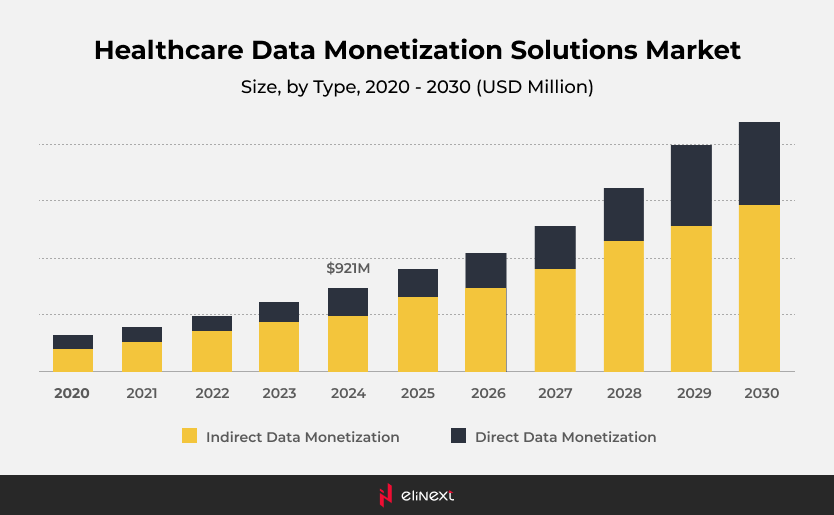
The digital healthcare market is rapidly growing globally, driven by innovations in data-centric healthcare solutions and big data development services. The global digital healthcare market size is projected to grow from US$335.51 billion in 2024 to over US$1080 billion by 2034, registering a CAGR of 13.1%. Meanwhile, big data in healthcare alone is expected to grow from US$78 billion in 2024 to US$540 billion by 2035, registering a CAGR of 19.2%. This growth highlights the critical role big data analytics can play in transforming healthcare delivery, improving patient outcomes, and reducing costs in regions such as the UK, Europe, Asia, the US, and the Middle East.
Why Data-Driven Solutions Remain Critical for Healthcare in 2025
In 2025, data-driven solutions for healthcare are essential for improving patient care and operational efficiency. For example, hospitals using data analytics services can predict patient admission rates, optimize resource allocation, and personalize treatment. This approach reduces costs and improves outcomes by turning vast medical data into actionable information, making data analytics a cornerstone of modern healthcare systems.
Advantages of Data-Driven Healthcare Solutions
Data-driven healthcare solutions improve patient outcomes by enabling smarter, faster decisions through real-time analytics. For example, physicians can use these solutions to tailor treatments based on patient data, reducing errors and improving the quality of care while reducing costs and streamlining operations.
-
Enhancing Patient Care
Data-driven solutions for healthcare enable earlier, more accurate diagnoses, improving patient outcomes. Federated learning models help identify neonatal sepsis earlier, allowing for timely interventions, improving patient care and overall population health.
-
Reducing Hospital Readmissions
Data-driven solutions for healthcare help identify patients at high risk of hospital readmission by analyzing patterns in their health data. For example, personalized treatment plans based on this data can reduce hospital readmissions and improve long-term patient outcomes.
-
Optimizing Resource Allocation
Data-driven healthcare solutions optimize resource allocation by analyzing patient flow and staff availability. Hospitals can strategically deploy medical teams and equipment where they are most needed, increasing efficiency and reducing costs without overburdening staff.
-
Fraud Detection and Cost Effectiveness
Data-driven solutions for healthcare detect billing fraud by analyzing transaction patterns. For example, AI-powered systems can identify suspicious claims early, reducing financial losses and increasing cost efficiency for healthcare providers.
Top Data-Driver Innovations in Healthcare
-
Predictive Analytics
Predictive analytics uses historical data to predict patient risks and outcomes. For example, it predicts readmissions, allowing for proactive treatment to reduce complications and improve recovery rates.
-
Electronic Health Records (EHR) Analytics
EHR analytics extracts information from patient medical records to optimize treatment plans. It helps physicians identify trends and personalize treatments, improving accuracy and patient safety.
-
AI and ML in Diagnostics
Artificial intelligence and machine learning speed up diagnostics by analyzing medical images and data. For example, AI detects tumors earlier than traditional methods, improving diagnostic accuracy and speed.
-
Genomics and Precision Medicine
The combination of genomics and data analytics enables precision medicine by tailoring treatments to individual genetic profiles. This approach improves the effectiveness of therapy and minimizes side effects.
-
Operational and Financial Analytics
Operational and financial analytics optimize hospital workflows and budgeting. For example, analyzing resource utilization helps reduce waste and improve cost efficiency while maintaining quality care.
-
Remote Patient Monitoring (RPM) & IoT
RPM and IoT devices collect real-time patient health data outside of hospitals. This enables continuous monitoring, early intervention, and more effective remote management of chronic diseases.
-
Natural Language Processing (NLP)
NLP processes unstructured clinical notes to extract meaningful data. It enables faster documentation, increased coding accuracy, and more effective clinical decision making.
-
Digital Therapeutics and Mobile Health Apps
Digital therapeutics and mobile apps offer personalized treatment support and behavioral tracking. They enable patients to effectively manage conditions such as diabetes and mental health.
-
Clinical Trials Optimization
Data-driven tools optimize clinical research by identifying suitable candidates and tracking results. This speeds up research and increases research success rates.
-
Public Health Surveillance and Epidemiology
Data analysis improves public health by monitoring disease outbreaks and trends. It facilitates timely intervention and informed policy decisions to combat epidemics.
The Biggest Challenges of Data-Driven Healthcare Solutions
The most significant challenges for data-driven healthcare solutions include issues of privacy, integration, and data quality. The fragmentation of patient records across different systems makes complex analysis difficult, while strict regulations such as GDPR require robust data protection. In addition, ensuring data accuracy is essential, as poor data quality can lead to misdiagnosis and ineffective treatment, limiting the potential of these solutions.
How Elinext’s Data Solutions Help Healthcare Industry
Elinext uses data-centric healthcare solutions combined with cloud software development services to transform healthcare delivery. For example, their cloud platforms enable seamless patient data sharing between healthcare providers, improving care coordination and reducing errors. This scalable approach improves data security, availability, and real-time analytics, enabling healthcare organizations to make informed decisions and effectively improve patient outcomes.
Conclusion
The healthcare industry is rapidly evolving to implement data-driven solutions for healthcare that offer significant benefits such as improved patient outcomes, personalized care, and increased operational efficiency. However, challenges such as data privacy, integration complexity, and regulatory compliance still remain critical. Market analysts predict a steady growth in AI software development services in healthcare, driven by advances in machine learning and big data analytics. Future trends point to increased adoption of predictive analytics and real-time patient monitoring, making healthcare more proactive and accurate. Adopting these innovations will be critical for stakeholders looking to remain competitive and deliver value-based care.
FAQ
What are the key benefits of using data-driven solutions in healthcare?
Data-driven healthcare solutions improve patient outcomes, deliver personalized care, improve operational efficiency, and support predictive analytics for proactive care and more informed decision making.
What types of data are typically used?
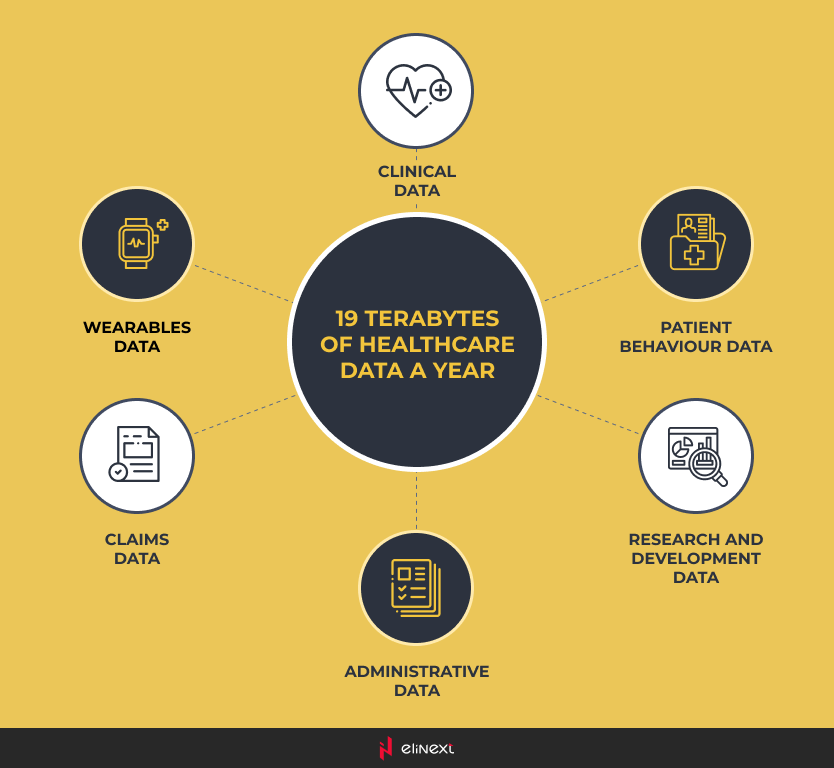
Healthcare data typically includes patient demographics, medical records, lab results, medication information, treatment plans, and genomic profiles. These diverse types of data enable complex analyses to make more informed treatment decisions.
What are the main challenges of implementing data-driven healthcare?
Key challenges in implementing data-centric healthcare solutions include ensuring data privacy and security, achieving interoperability and scalability, complying with regulatory requirements, and facilitating collaboration among stakeholders to create transparent, user-centric systems.
How is AI used in data-driven healthcare?
AI in data-driven healthcare solutions is used to analyze large volumes of medical data to personalize treatments, improve diagnostics, and optimize healthcare operations to improve patient outcomes and increase efficiency.
What is the future of data-driven healthcare?
The future of data-driven healthcare is about creating more adaptive, efficient, and patient-centric systems using AI and advanced analytics. For example, AI-powered clinical decision support will enable personalized care while ensuring data privacy and interoperability, transforming care delivery and improving outcomes.
Can small clinics and practices benefit too?
Yes, small clinics and practices can benefit from data-driven healthcare decisions by improving patient outcomes, optimizing resource use, and enhancing clinical decision making just like larger providers.
