




The benefits of enterprise management system with ERP 2.0 will revolutionize business operations in 2025. The global ERP market has reached $73 billion, with 70% of deployments being cloud-based solutions. CRM software development services seamlessly integrate with ERP platforms. Manufacturing companies report a 30-40% increase in efficiency thanks to AI-enhanced systems. 78% of organizations report increased productivity, and 62% report cost reductions. Real-time analytics delivers a 20% improvement in forecasting accuracy.
What is ERP 2.0?
ERP 2.0 represents the next generation of benefits of enterprise management system technology. It features cloud architecture, AI-driven automation, and a modular design. Oracle and SAP offer composable ERP solutions that provide real-time analytics and seamless integration. ERP 2.0 delivers expanded scalability, mobile access, and predictive data that transform operations.
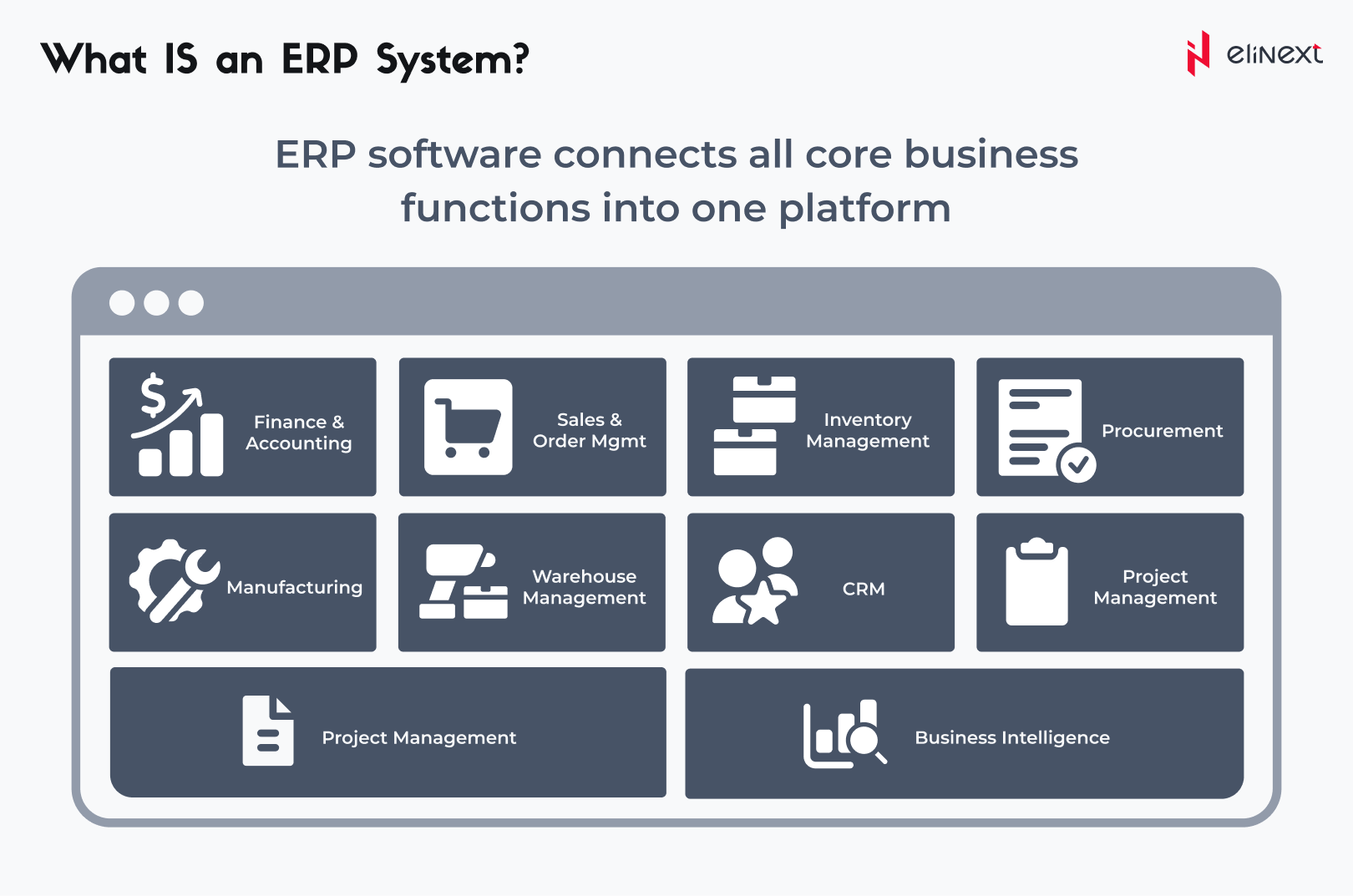
Benefits of ERP systems for your business.
The benefits of enterprise information system using ERP 2.0 deliver measurable business value. Companies report a 78% increase in productivity and a 25% reduction in costs. Retailers optimize inventory levels (91% success rate), and manufacturing companies save 15% on costs through automation. Decision-making quality improves by 35%, enabling faster response to market changes.
1. Secure communication
A good deal of all communication is already going on within social media. This sort of communication lacks the security and record capabilities of the contemporary ERP systems.
2. Data base
Keeping records can become even more important since the industrial workforce seems to shrink nowadays, which is especially true in the case of those senior old-school engineers. An ERP system can be capable of retaining the vital and original know-hows for the next generations of employees and.
3. Wiki format
A wiki format can become a great way to structure complex information in such areas as engineering, supply chain, project management among others. A wiki format allows not only storing information but also tracing back all changes.
When the benefits of enterprise information systems with Enterprise 2.0 features become obvious, a question arises about how to get from it what you need and want. What you need from the successful integration of an ERP system into your corporate IT infrastructure are basically two things: the ability to search all social media data and the ability to link any data piece to any social media interaction.
Accelerate innovation with advantages of ERP system 2.0 Contact our software development experts today!
Disadvantages of ERP 2.0
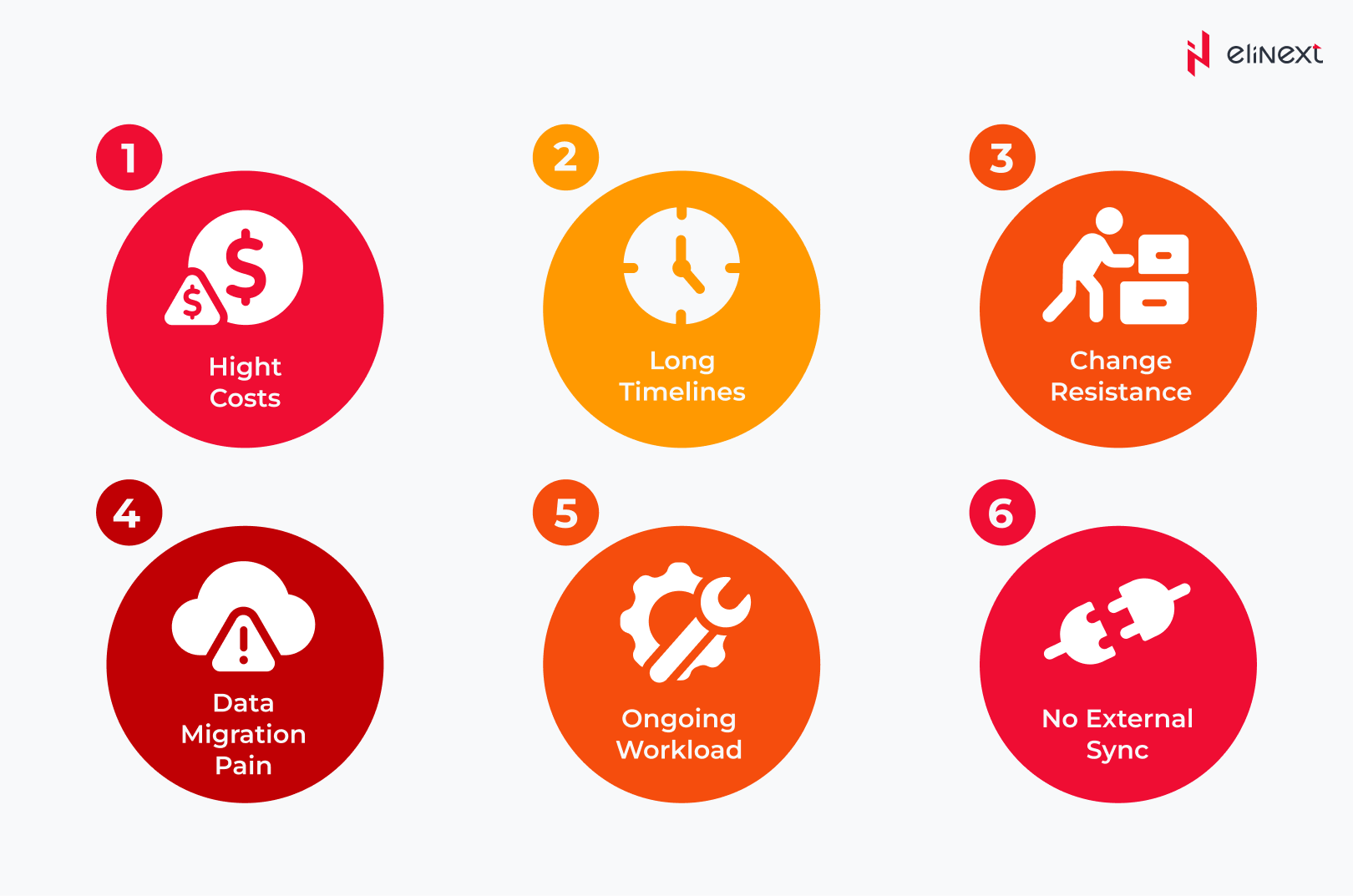
Understanding advantages and disadvantages of ERP system implementation is crucial for success. Key disadvantages include a 64% budget overrun with an average cost increase of 25-40%. 50% of implementations fail early due to inadequate planning. Complex setup leads to performance issues, and reliance on the cloud creates connectivity risks that require a thorough mitigation strategy.
-
Higher Dependence on Internet & Cloud Stability
The cloud architecture of ERP 2.0 creates increased dependence on internet connectivity and cloud stability. System downtime directly impacts operations, from order processing to financial reporting. A manufacturing company suffered hourly losses of $50,000 during a six-hour cloud outage. Organizations must implement backup connections and robust disaster recovery plans.
-
Complexity in Master Data Management
The complexity of master data management hinders the realization of the benefits of ERP software. Data inconsistencies between departments and duplication issues are a problem for 65% of implementations. Retailers face difficulties synchronizing product data across multiple stores, requiring the use of AI-based data cleansing tools. Building robust governance frameworks is becoming essential for success.
-
Performance Issues with High Customization
High customization in ERP 2.0 creates performance bottlenecks and maintenance difficulties. Excessive customization leads to slow response times and difficulties with updates. A customized system at a logistics company required 40% more processing time and doubled maintenance costs. A balance between customization and standard functionality ensures optimal performance.
-
Data Privacy & Compliance Challenges
Data privacy and compliance challenges intensify with advantages and disadvantages of ERP system cloud deployment. GDPR, SOX, and industry regulations require robust security systems. Healthcare organizations must ensure HIPAA compliance while maintaining productivity. Encryption, audit logs, and continuous monitoring increase costs by 15-20% but ensure regulatory compliance.
-
Integration Complexity
Integration complexity creates significant challenges when connecting ERP 2.0 to legacy systems and third-party applications. Inconsistencies in data mapping, API limitations, and middleware dependencies create bottlenecks. It took a financial services company eight months to integrate ERP with 15 existing systems. Enterprise service buses help streamline integration processes.
Elinext and ERP Solutions
Elinext specializes in providing comprehensive custom ERP solutions that maximize the benefits of ERP systems for businesses. Our experience spans cloud migration, custom development, and seamless integration. We helped a client in the manufacturing industry achieve a 35% productivity increase by implementing an AI-enabled ERP system. Our proven methodologies guarantee successful implementation while minimizing risks.
Unlock the benefits of ERP systems with Elinext working models. Focus on developing ERP 2.0 systems to gain a competitive advantage and transform your business.
Contact us today for a consultation!
What is the Future of ERP 2.0?
The future of advantages and disadvantages of ERP system technology points toward AI-driven automation and composable architectures. By 2027, 75% of organizations will implement modular ERP solutions, and agent-based AI will automatically anticipate business needs. Predictive maintenance and autonomous supply chain optimization will become standard features, providing a competitive advantage.
The benefits of ERP software in 2025 extend beyond traditional automation.” While advantages and disadvantages of ERP system must be carefully weighed, our experience shows an average ROI of 52%, with 83% of projects meeting expectations. The key to success lies in balancing customization and standardization to maximize productivity and minimize complexity.
Elinext software development expert
Conclusion
ERP 2.0 represents a fundamental shift in enterprise technology, delivering unprecedented benefits while simultaneously creating new challenges. Statistics show a 78% productivity increase, a market value of $73 billion, and an average ROI of 52%, demonstrating clear benefits. However, organizations face a 64% risk of budget overruns, integration complexities, and compliance challenges. Successful implementations require proper planning, expert guidance, and balanced customization strategies to maximize value and competitive advantage.
FAQ
What is ERP system 2.0?
ERP 2.0 is an AI-enabled cloud platform with a modular architecture. Oracle’s composable ERP system provides real-time analytics and seamless integration.
What are the major advantages of ERP 2.0?
Key benefits include a 78% increase in productivity, a 25% reduction in costs, and improved decision-making. Manufacturing companies report a 30-40% increase in efficiency thanks to AI-powered automation.
How does ERP 2.0 help in business decision-making?
ERP 2.0 provides real-time analytics and predictive data, accelerating decision-making by 35%. Retail managers receive instant alerts about product availability, enabling proactive purchasing.
What are the biggest disadvantages of ERP 2.0?
Key disadvantages include a 64% budget overrun, integration complexity, and reliance on cloud services. 50% of implementations fail at the initial stage due to inadequate planning.
Is ERP 2.0 expensive to implement?
Yes, ERP 2.0 can be expensive, with cost overruns of 25-40%. However, 83% achieve the expected ROI within one year. Cloud deployment reduces initial costs compared to on-premises deployment.
Can ERP 2.0 face performance issues?
Yes, excessive customization leads to performance issues, including slower response times and increased maintenance complexity. In systems with excessive customization, processing time increases by 40%.
