





7 Benefits of QR Code for Consumers 

The advantages of QR codes for consumers in 2025 are clear: QR codes provide instant access to information, contactless payments, and ease of use. Since 2021, QR code scans have grown by 433% worldwide, and 59% of consumers use them daily. The benefits of QR codes include high data capacity, support for various data types, small print size, stain resistance, 360-degree readability, and structured app features. For example, restaurants use QR codes for menus and payments, speeding up service and reducing wait times.

Bar Code Yesterday 

Barcodes once dominated the retail industry, but data limitations and one-way scanning limited their use. Today, the benefits of QR codes, such as storing URLs for instant product information, have made QR codes the new standard for fast, interactive consumer engagement.

Various types of bar codes have become label standards for many industries for such benefits of using qr codes as reading speed and accuracy. Bar codes spread wide and a market need arose to expand the volume of data stored within and to decrease the printed size of the code.  

Being a 2D code, the QR code (abbreviation form Quick Response code) holds data in both the horizontal and vertical axes, and it is a big breakthrough since conventional bar code contains information only in one. Just imagine how much more data it is possible to store in QR code than in bar code.

Benefits of 2D Codes 

High data capacity

One of the benefits of using QR codes is their high storage capacity. Unlike barcodes, which store about 20 characters, QR codes can store thousands of characters. For example, a QR code on electronics packaging can contain links to user manuals, warranty information, and videos, all accessible with a single scan, making QR codes ideal for obtaining detailed information about a product.

Data variety

The benefits of QR codes include support for a variety of data types: text, URLs, contact information, and Wi-Fi credentials. For example, a museum QR code can provide audio guides, exhibit information, and donation links in multiple languages — all with a single scan, increasing visitor engagement and accessibility.

Small printout size

An advantage of QR codes for consumers and one of the key benefits of QR codes is their small printout size. A cosmetics brand can print a small QR code on a package, giving customers access to instructions and ingredient lists without cluttering the design, allowing meaningful information to be placed on labels in a limited space.

Dirt and Damage Resistance

A major benefit of using QR codes is their resistance to dirt and damage. With the error correction feature, QR codes remain scannable even when partially covered. Event tickets with QR codes can be scanned even after being exposed to rain or dirt, providing visitors with reliable access.

360° readability

Unlike barcodes, QR codes can be scanned from any angle, making transactions faster. An advantage of qr codes for consumers is 360° readability.  At self-service kiosks, customers can quickly scan QR codes on receipts or products without having to align them precisely, making the process faster and easier.

Structured Append Feature

A benefit of qr codes is the structured append feature, which allows large amounts of data to be distributed across multiple QR codes. A pharmaceutical company could use multiple QR codes on a package to provide complete drug information, instructions, and safety data that can be scanned sequentially.

Open specifications

The benefits of using QR codes include open specifications, which means anyone can create and read QR codes without licensing fees. This openness has encouraged innovation and widespread adoption. For example, public transportation systems around the world are using QR codes for tickets, allowing them to be scanned and schedules accessed from any smartphone, reducing barriers for both businesses and consumers.
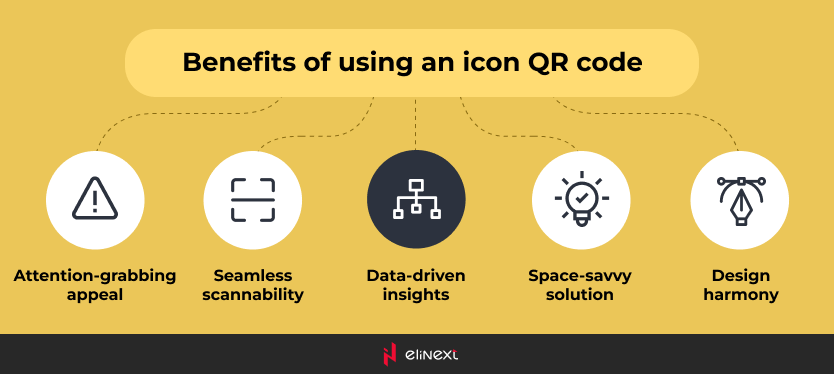
Benefits of 2D Codes 
Benefits of 2D Codes

Conclusion 

In summary, the benefits of qr codes and the benefits of using qr codes for consumers are clear: they provide instant access to a variety of information, support secure contactless payments, and provide a large amount of data in a compact format. Their resistance to dirt and damage, 360° readability, and structured append functionality provide reliability and flexibility. Open specifications promote innovation and accessibility. QR codes on retail products link to user manuals, and in restaurants they allow for quick and contactless ordering and payment, making QR codes indispensable for modern, efficient, and environmentally friendly interactions with consumers.

FAQ

What is a QR code and how do consumers use it?

A QR code is a two-dimensional barcode that stores data such as URLs or contact information. The advantage of QR codes for consumers is easy access: shoppers scan a QR code on a product with their phone to view detailed information, reviews, or instantly pay.

Why are QR codes considered convenient for consumers?

The benefits of QR codes include convenience: consumers scan the code to access menus, pay bills, or join loyalty programs without having to type or search for information. For example, restaurant diners scan a QR code at their table to view the menu and place their order, saving time and effort.

How do QR codes enhance the shopping experience?

The benefits of using QR codes in shopping include instant access to product information, reviews, and contactless payment. For example, scanning a QR code in a clothing store opens links to size charts and care instructions, helping shoppers make informed decisions quickly. 

Can QR codes be used for contactless payments?

Yes, QR codes are widely used for contactless payments and mobile app promotion. For example, customers scan a QR code at the checkout to pay for purchases through apps. This makes transactions fast, secure, and contactless — perfect for today’s digital economy.

How do QR codes support sustainability or eco-friendly habits?

The advantage of QR codes for consumers is their support for sustainability. By replacing paper menus, receipts, and brochures, QR codes reduce waste. For example, hotels use QR codes for digital check-in and room info, minimizing paper use and promoting eco-friendly practices.

Contact Us
Contact Us


    Array
    (
        [_thumbnail_id] => Array
            (
                [0] => 12355
            )
    
        [_edit_last] => Array
            (
                [0] => 47
            )
    
        [_yoast_wpseo_primary_category] => Array
            (
                [0] => 92
            )
    
        [_wpb_vc_js_status] => Array
            (
                [0] => false
            )
    
        [slide_template] => Array
            (
                [0] => default
            )
    
        [relevant_articles] => Array
            (
                [0] => 
            )
    
        [_relevant_articles] => Array
            (
                [0] => field_59395b1f2e793
            )
    
        [case_studies_in_blog_article] => Array
            (
                [0] => 
            )
    
        [_case_studies_in_blog_article] => Array
            (
                [0] => field_59396a18e89d4
            )
    
        [the_excerpt] => Array
            (
                [0] => 
            )
    
        [_the_excerpt] => Array
            (
                [0] => field_59400a59422e0
            )
    
        [author_photo] => Array
            (
                [0] => 
            )
    
        [_author_photo] => Array
            (
                [0] => field_594106ba4a3a2
            )
    
        [video_available] => Array
            (
                [0] => 0
            )
    
        [_video_available] => Array
            (
                [0] => field_59c18336c21cd
            )
    
        [_edit_lock] => Array
            (
                [0] => 1758709945:47
            )
    
        [original_site_url] => Array
            (
                [0] => 
            )
    
        [images_slider] => Array
            (
                [0] => 
            )
    
        [_images_slider] => Array
            (
                [0] => field_5ee75564abe1e
            )
    
        [custom_permalink] => Array
            (
                [0] => blog/7-benefits-of-qr-code-for-consumers/
            )
    
        [_custom_permalink] => Array
            (
                [0] => field_602ec1181fed7
            )
    
        [_yoast_wpseo_metadesc] => Array
            (
                [0] => QR codes. A temporary trend or a necessity? Read in our new article about 7 benefits of QR codes for sales.
            )
    
        [_yoast_wpseo_estimated-reading-time-minutes] => Array
            (
                [0] => 5
            )
    
        [lang_page_id] => Array
            (
                [0] => 10247
            )
    
        [primary_tag] => Array
            (
                [0] => 225
            )
    
        [_primary_tag] => Array
            (
                [0] => field_669f60677f9e1
            )
    
        [_lang_page_id] => Array
            (
                [0] => field_67167a251e356
            )
    
        [short_title] => Array
            (
                [0] => 
            )
    
        [_short_title] => Array
            (
                [0] => field_5ecf97d78daad
            )
    
        [css_class_name_general] => Array
            (
                [0] => 
            )
    
        [_css_class_name_general] => Array
            (
                [0] => field_5ed094cbee060
            )
    
        [enable_breadcrumb] => Array
            (
                [0] => 1
            )
    
        [_enable_breadcrumb] => Array
            (
                [0] => field_5eddfba50cb74
            )
    
        [enable_right_side_bar] => Array
            (
                [0] => 1
            )
    
        [_enable_right_side_bar] => Array
            (
                [0] => field_5ee09b21eb9b6
            )
    
        [enable_case_studies_block] => Array
            (
                [0] => 1
            )
    
        [_enable_case_studies_block] => Array
            (
                [0] => field_5ecf982ce922c
            )
    
        [enable_news_block] => Array
            (
                [0] => 1
            )
    
        [_enable_news_block] => Array
            (
                [0] => field_5ecf9950d8e87
            )
    
        [enable_contact_form_block] => Array
            (
                [0] => 1
            )
    
        [_enable_contact_form_block] => Array
            (
                [0] => field_5ecf99695a591
            )
    
        [case_study_block_css_class_name] => Array
            (
                [0] => 
            )
    
        [_case_study_block_css_class_name] => Array
            (
                [0] => field_5ed09500ae937
            )
    
        [case_study_block_header_title] => Array
            (
                [0] => Case studies
            )
    
        [_case_study_block_header_title] => Array
            (
                [0] => field_5ecf9b149f113
            )
    
        [case_study_block_caption] => Array
            (
                [0] => 
            )
    
        [_case_study_block_caption] => Array
            (
                [0] => field_5ed0812ca5fe4
            )
    
        [case_study_solution_categories] => Array
            (
                [0] => 
            )
    
        [_case_study_solution_categories] => Array
            (
                [0] => field_5ee74d2cc8b67
            )
    
        [case_study_industry_categories] => Array
            (
                [0] => 
            )
    
        [_case_study_industry_categories] => Array
            (
                [0] => field_5ee74ee7b2529
            )
    
        [case_study_technology_categories] => Array
            (
                [0] => 
            )
    
        [_case_study_technology_categories] => Array
            (
                [0] => field_5ee74f21b252a
            )
    
        [news_block_css_class_name] => Array
            (
                [0] => 
            )
    
        [_news_block_css_class_name] => Array
            (
                [0] => field_5ed095295310a
            )
    
        [news_block_header_title] => Array
            (
                [0] => News
            )
    
        [_news_block_header_title] => Array
            (
                [0] => field_5ecf9b8a4bc15
            )
    
        [news_block_caption] => Array
            (
                [0] => 
            )
    
        [_news_block_caption] => Array
            (
                [0] => field_62b4904f21245
            )
    
        [news_block_more_news_title] => Array
            (
                [0] => More news
            )
    
        [_news_block_more_news_title] => Array
            (
                [0] => field_5ecf9bbcbc459
            )
    
        [news_block_more_news_url] => Array
            (
                [0] => 
            )
    
        [_news_block_more_news_url] => Array
            (
                [0] => field_673df8af3eaa3
            )
    
        [news_block_categories] => Array
            (
                [0] => a:1:{i:0;s:2:"85";}
            )
    
        [_news_block_categories] => Array
            (
                [0] => field_5ee0b7b2b1008
            )
    
        [contact_form_block_css_class_name] => Array
            (
                [0] => news
            )
    
        [_contact_form_block_css_class_name] => Array
            (
                [0] => field_5ed0953ea14e1
            )
    
        [contact_form_block_image_banner] => Array
            (
                [0] => 
            )
    
        [_contact_form_block_image_banner] => Array
            (
                [0] => field_5ecf9cf052349
            )
    
        [_yoast_wpseo_title] => Array
            (
                [0] => 7 Benefits of QR Code for Consumers - Elinext Blog
            )
    
    )