


AI for legacy system modernization means improving outdated software with technology such as automation, machine learning, and intelligent analytics. The approach is designed for businesses struggling with aging infrastructure, rising maintenance costs, and disconnected systems. As organizations accelerate digital transformation initiatives, many enterprises face growing pressure to modernize outdated infrastructure and improve existing software environments instead of replacing them entirely.
What is AI Legacy Code Modernization?
AI legacy code modernization refers to the process of upgrading outdated software systems using artificial intelligence technologies. Legacy system modernization with AI helps businesses improve performance, scalability, integration capabilities, and operational efficiency while reducing technical debt and modernization risks.
Key Takeaways
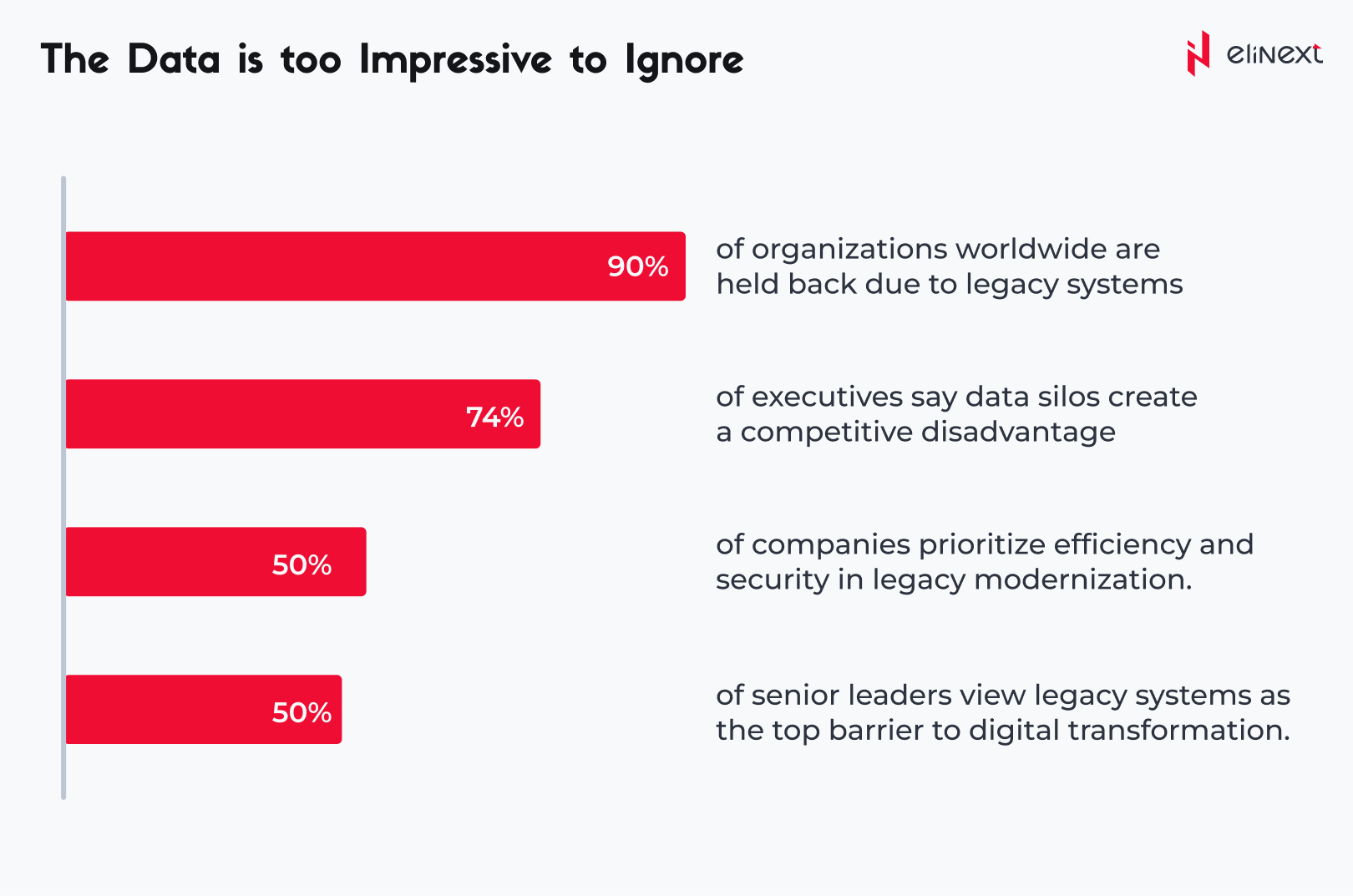
- 90% of organizations worldwide are slowed down by outdated legacy systems
- 74% of executives say data silos significantly weaken their position
- 50% of senior leaders consider legacy infrastructure the main barrier to successful digital transformation
Core Benefits of Updating Legacy Systems with AI
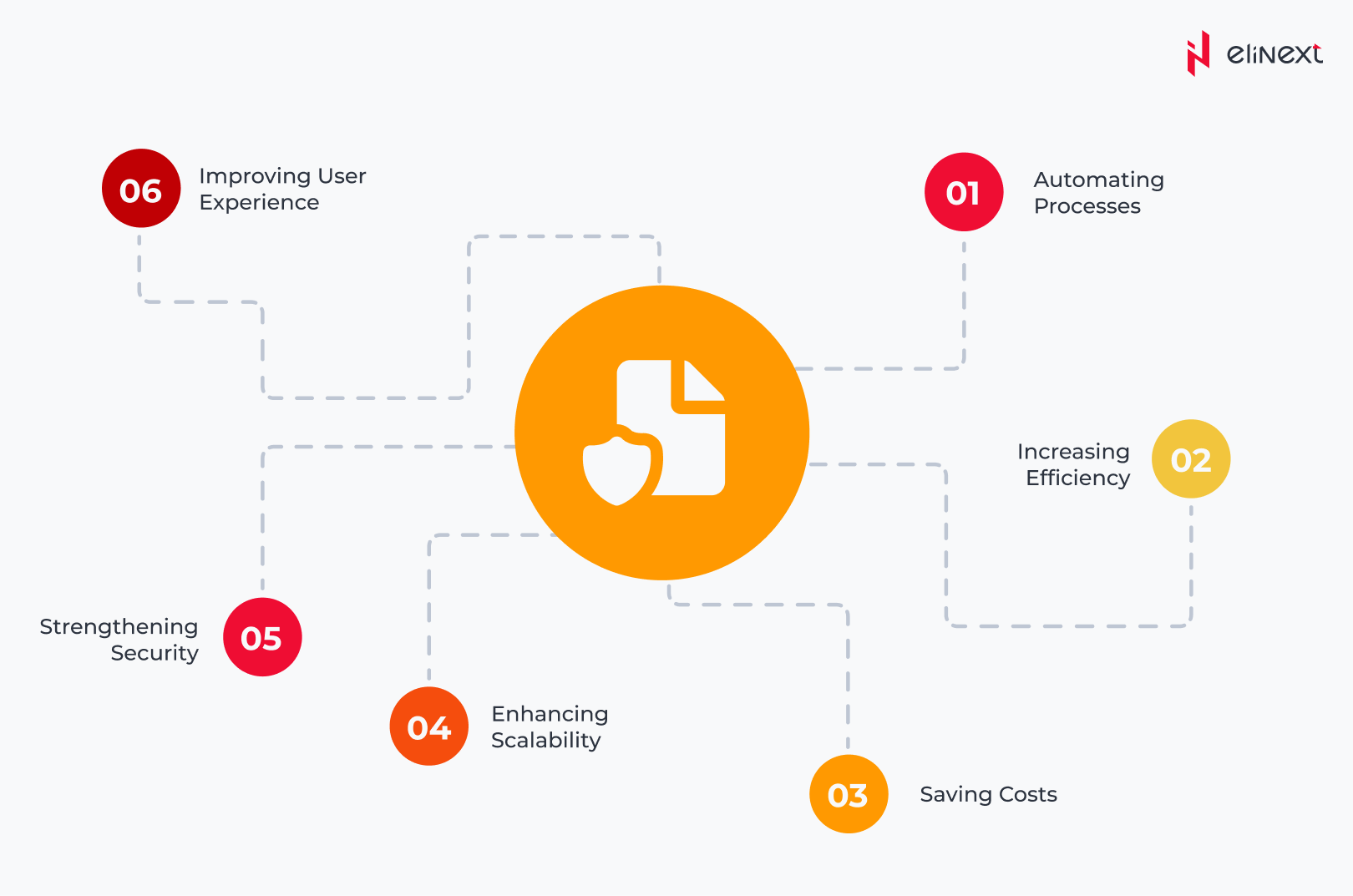
Legacy code modernization using AI helps businesses optimize outdated systems without disrupting critical operations. AI technologies improve everything from automation to security while reducing operational inefficiencies.
Automating Processes
Legacy system modernization with AI automate repetitive modernization tasks such as code analysis, documentation, testing, and workflow optimization. Businesses reduce manual engineering effort while accelerating modernization timelines. The result is faster deployment cycles, reduced operational bottlenecks, and more efficient system management.
Increasing Efficiency
AI-driven analytics identify performance limitations, inefficient workflows, and infrastructure gaps inside legacy environments. Businesses gain better visibility into system behavior and operational dependencies. Legacy system modernization with AI improves productivity, reduces downtime, and helps teams optimize critical business processes.
Saving Costs
Legacy system modernization with AI reduces the long-term costs associated with maintaining outdated infrastructure and manual operations. Intelligent automation minimizes repetitive maintenance work and supports resource optimization. Businesses lower operational expenses while extending the value of existing systems.
Enhancing Scalability
AI helps organizations modernize infrastructure architectures to support growing workloads, distributed environments, and cloud-based operations. Businesses improve system flexibility and integration readiness without rebuilding software from scratch. The outcome is stronger scalability and improved adaptability to future business demands.
Strengthening Security
AI-powered monitoring and intelligent threat detection improve visibility into vulnerabilities within legacy environments. Businesses can identify unusual activity, outdated dependencies, and compliance gaps faster. Legacy system modernization with AI strengthens data protection, improves risk management, and supports regulatory compliance initiatives.
Modernize outdated systems without disrupting your core business operations.
Contact Us
How to Implement AI in Legacy Code Modernization
Legacy code modernization using AI requires a structured approach focused on infrastructure analysis, business priorities, operational continuity, and long-term scalability. Organizations must evaluate current systems, identify modernization goals, and integrate AI technologies gradually to reduce any possible risks.
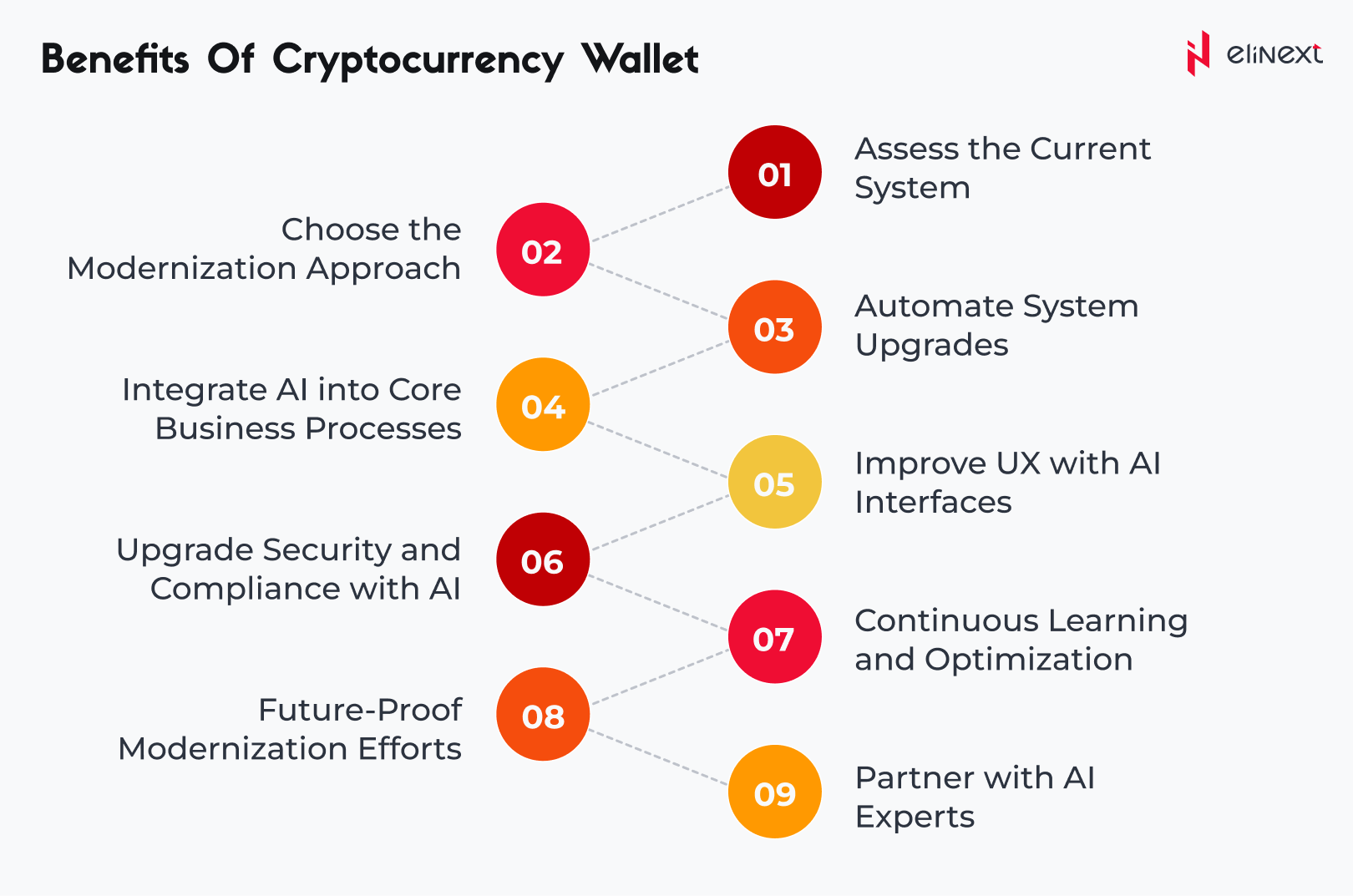
Assess the Current System
Businesses begin by analyzing existing infrastructure, technical debt, integrations, workflows, and operational limitations. AI-powered assessment tools help identify bottlenecks, dependencies, and modernization priorities. This stage creates a clear roadmap for modernization planning.
Choose a Modernization Approach
Organizations select the most suitable modernization strategy based on business goals, system complexity, and operational requirements. AI helps evaluate refactoring, replatforming, rebuilding, or hybrid modernization options. This improves decision-making and reduces implementation risks.
Automate System Upgrades
AI-powered automation accelerates code refactoring, testing, migration, and infrastructure optimization processes. Businesses reduce manual engineering effort and improve modernization speed. Automated upgrades also help minimize operational disruptions during implementation.
Integrate AI into Core Business Processes
Businesses integrate AI technologies into workflows such as analytics, forecasting, customer support, and process automation. Legacy system modernization with AI improves operational visibility and improves data-driven decision-making. This increases business agility and operational efficiency.
Upgrade UX with AI-powered Interfaces
AI-driven interfaces improve usability through personalization, intelligent search, chatbots, and automated workflows. Modernized user experiences help employees and customers interact with systems more efficiently. Businesses improve engagement and reduce process friction.
Strengthen Security and Compliance with AI
AI helps organizations monitor infrastructure vulnerabilities, suspicious activity, and compliance risks in real time. Intelligent monitoring improves threat detection and operational visibility. Businesses strengthen security while reducing compliance-related risks.
Continuous Learning and Optimization
AI systems continuously analyze operational data to identify performance improvements and process optimization opportunities. Businesses gain ongoing insights into system behavior and resource utilization. Legacy system modernization with AI supports long-term efficiency improvements.
Future-Proof Modernization Efforts
Legacy code modernization using AI helps organizations build scalable architectures capable of supporting future integrations, automation initiatives, and business expansion. Businesses reduce modernization redundancy and improve long-term adaptability. This creates a stronger foundation for digital transformation.
“Legacy modernization becomes difficult when businesses rely on systems that were never designed for modern integrations in the first place. Most businesses cannot simply replace their platforms without risking major operational disruption. Elinext solves this problem ― it approaches modernization incrementally, using AI to modernize processes while helping businesses reduce technical debt.”
Michael Turner,Enterprise Software Modernization Consultant
Modernize Your Legacy System with AI Solutions by Elinext
Elinext helps businesses modernize outdated infrastructure through AI-driven solutions tailored to operational requirements, industry regulations, and long-term growth strategies. Our teams combine engineering expertise, AI integration capabilities, and modernization consulting to improve legacy software performance.
For businesses seeking advanced modernization expertise, Elinext also provides AI integration services and AI software development services.
Transform outdated software into AI-enabled business infrastructure.
Contact Us
Future Trends in AI Legacy Code Modernization
AI for legacy system modernization is evolving toward autonomous infrastructure management, intelligent code generation, predictive maintenance, and self-optimizing enterprise systems. Businesses increasingly use AI-driven tools to automate most of their processes. As hybrid architectures and generative AI technologies continue to mature, organizations will gain faster modernization capabilities and modern digital ecosystems.
Conclusion
Legacy code modernization using AI helps organizations transform outdated infrastructure into efficient and secure digital environments. It reduces technical debt, improves automation, and improves decision-making without requiring full system replacement. As a result, businesses gain higher agility, better performance, and long-term adaptability in a fast-changing digital landscape.
AI Legacy Code Modernization: Terms Explained
Here is the “Terms Explained” section:
Code Refactoring
Code refactoring improves the structure of existing software without changing its core functionality, making it easier to maintain, scale, and optimize.
Automated Code Translation
Automated code translation uses AI tools to convert legacy programming languages into modern frameworks and technologies.
Intelligent Code Analysis
Intelligent code analysis applies AI to detect bugs, vulnerabilities, performance issues, and modernization opportunities in existing codebases.
API Enablement (API Wrapping)
API enablement connects legacy systems to modern applications by exposing their functionality through APIs without full system replacement.
Data Modernization
Data modernization improves how legacy data is stored, accessed, and analyzed to support modern analytics and business needs.
Predictive Maintenance
Predictive maintenance uses AI to identify potential system failures or performance issues before they cause disruptions.
Hybrid Architecture Modernization
Hybrid architecture modernization combines legacy systems with cloud and AI-based components to enable gradual, low-risk transformation.
FAQ
What does it mean to update legacy systems with AI?
Updating legacy systems with AI means integrating artificial intelligence into outdated software to automate processes, improve data handling, and enhance system performance. Businesses use AI for legacy system modernization to improve operations massively without replacing existing infrastructure.
Why should organizations integrate AI into legacy systems?
Organization employ legacy code modernization using AI to improve efficiency, reduce manual workload, and unlock value from existing data. It also helps modernize systems gradually while minimizing disruption and operational risk.
What are the key benefits of AI legacy system modernization?
Key benefits include automation, improved scalability, better decision-making, enhanced security, and reduced operational costs. AI also helps extend the lifespan of existing systems.
How does AI help with data stored in legacy systems?
AI improves data extraction, cleansing, and analysis, making legacy data more accessible and useful. AI for legacy system modernization enables faster insights and supports real-time decision-making.
Which industries benefit most from AI-enabled legacy systems?
Industries with complex operations and large data volumes benefit most, including finance, healthcare, logistics, retail, and manufacturing. These sectors rely on AI to modernize critical systems.
Can AI make legacy systems future-ready?
Yes, AI for legacy system modernization helps legacy systems become more flexible, scalable, and integration-ready. It enables gradual transformation toward cloud and modern digital ecosystems.
How long does AI integration typically take for legacy systems?
Integration timelines vary depending on system complexity and scope. Most projects are implemented in phases over several weeks or months to ensure stability and minimal disruption.
