























































































































































Sports medicine solutions is a specialized field. Prevention of trauma, timely diagnosis, correct treatment, and rehabilitation after injuries are vital for professional sports and are in more demand as fitness activities are gaining more and more popularity among the general population.
Sports medicine solutions are integrated clinical and digital platforms designed for the prevention, diagnosis, and treatment of sports injuries. Combining solutions physical therapy & sports medicine with sports software development services, they serve professional teams, clinics, and rehabilitation centers. Organizations implementing these trends reduce the incidence of injuries by 30% and provide personalized care.
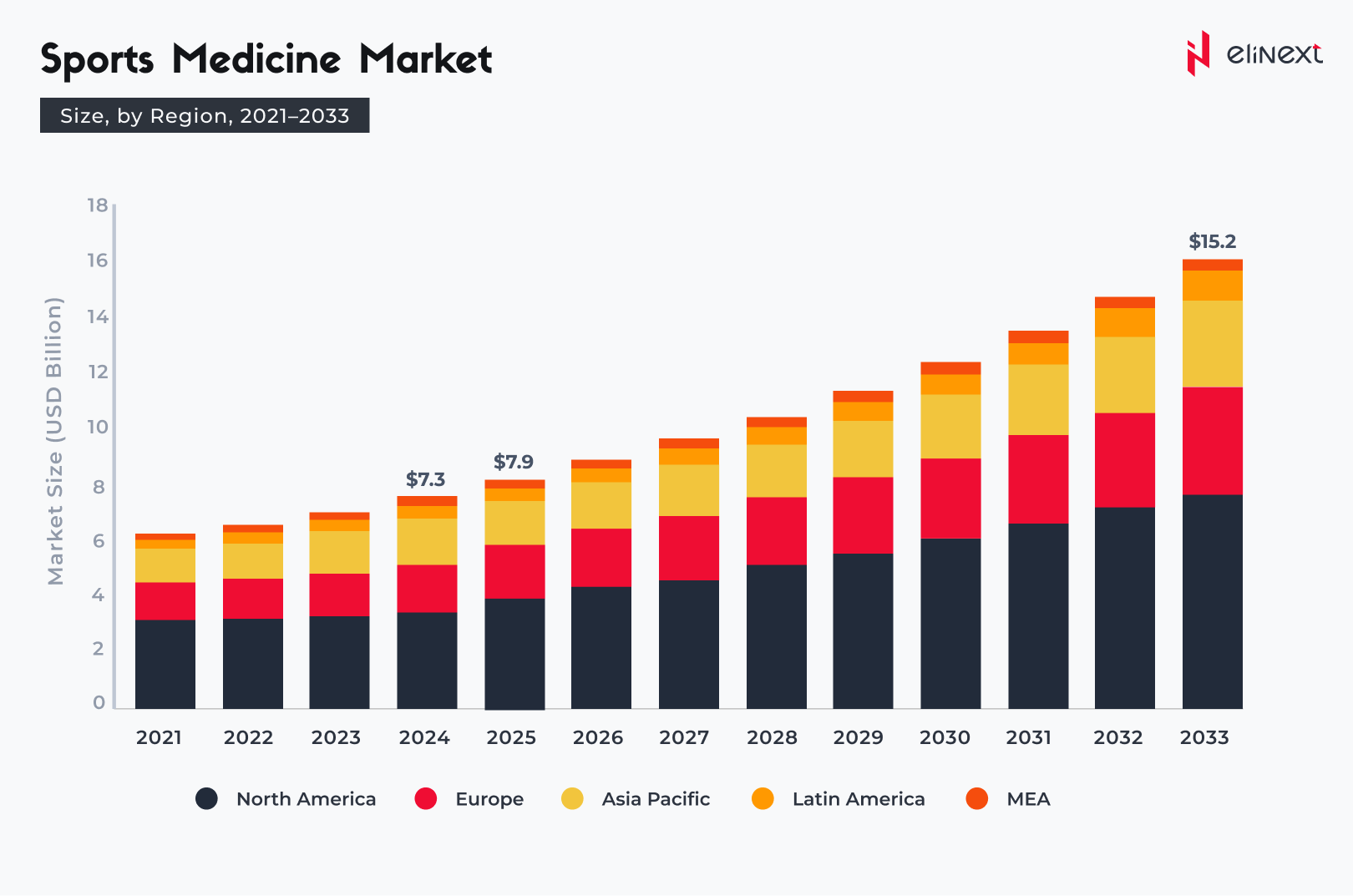
The sports medicine solutions market will reach $8.55 billion in 2026. Artificial intelligence, wearables, and telemedicine rehabilitation are driving growth by reducing recovery times and lowering surgical costs by up to 25%.
That creates the need for reliable, efficient tools to manage patient’s health and well-being. This is the part where sports software development comes into play, and there are some current and upcoming solutions that revolutionize the field of sports medicine.
In this article, we explore the areas of sports medicine where solutions physical therapy & sports medicine could have the most impact (with existing examples). We also dive deep into the most impactful sports medicine types of healthcare software.
Lead the way in athlete care and stay ahead of the competition.

Preventing Sports Injuries due to Sports Medicine Solutions
Professional sports and injuries are unfortunately bound together forever. Naturally, it is being addressed and these numbers can decrease thanks to data analytics in sports medicine and sports software development.
The technology gathers data about the players during training, before, during, and after the match. It serves the purpose of analyzing, creating new strategies, and boosting athletes’ performance. Subsequently, it is possible to track the health state and warn about overstraining. So it is given that advanced technology is being used to prevent sports injuries by gathering data about athletes’ performance and health through wearables, sensors, and genetic testing.
Let’s have a look at the most seasoned companies that operate in this area of sports injuries prevention, and what aspects they cover with the software.
Genetic testing
Athletigen Technology is one of the many companies that offer genetic tests to athletes to personalize their training and diet regimen based on their genetic background.
Basically, the customer buys a DNA kit, proceeds with tests, and then gets a set of reports with warm-up recommendations or nutrition advice based on your genotype. These genetic tests reveal additional insights about a possible heightened risk of injury or specific nutritional demands. Later, these results allow the helpers of an athlete to adjust their workout plan and nutrition accordingly.
Software with these insights is useful for professional athletes and shows their vulnerabilities that need to be addressed during training sessions.
Wearables
The market of wearable technology in sports medicine has a lot to offer. Healthcare wearables and sensors, such as Pebble Time, Fitbit Surge, and PIP, monitor athletes’ performance, stress levels, and sleep habits.
The main goal is certainly keeping professionals healthy with the help of insights on constant health data management. For instance, Fitbit Ionic tracks your fitness activities, while PIP gives you an overview of your stress levels.
Now there is an increased number of specialized tools for monitoring the stress load and performance of players to avoid fatigue-induced injuries. Specialized tools like Vert and Blast Motion help athletes improve their jumping capabilities and optimize their swings. Optimization of performance and decreased risk of injury are among the major benefits that are on the table.
Monitoring in real-time with Sports Medicine Solutions
Sports injury prevention with the technology of real-time monitoring is only possible thanks to innovative devices, smart clothing, and accessories.
The vast example is the Australian sports performance analytics company Catapult Sports produces a device that tracks over 100 metrics from speed through heart rate to acceleration.
With the help of advanced technologies such as sensors, chips, and analytics software, it is possible to collect vast amounts of data in real-time, providing valuable insights into various aspects of performance and safety.
Like in the case of Zebra Technologies. The company produces chips that NFL players wear on their shoulders, and data is sent to receivers around the stadium. Certainly, they’re not the only ones out there.
These two companies: HexoSkin and D30 have developed smart clothing and helmets with sensors woven into them that measure vital signs and provide impact protection capabilities to prevent injuries. High-tech hard hats and mouth guards with sensors are being used to reduce the chance of a concussion.
In the future, sportswear may show real-time physiological data to clinicians, and devices may actively boost athletes’ performance. Use of machine learning algorithms to analyze large amounts of data from various sources, such as medical records, genetics tests, and fitness data, to identify patterns and risk factors that may contribute to injuries. By analyzing this data, coaches can develop customized training programs and injury prevention strategies tailored to each athlete’s needs.
Overall, the latest solutions physical therapy & sports medicine for preventing sports injuries leverage advanced technologies such as wearables and machine learning to provide athletes with personalized training programs, injury prevention strategies, and injury management tools, all aimed at reducing the risk of injuries and improving overall performance.
Sports Injury Rehabilitation
Cutting-edge diagnostic methods and effective rehabilitation tools have the potential to shorten recovery time and ease the discomfort experienced during the healing process. Regarding diagnostics, portable medical devices and real-time visualization are already making a difference and are expected to bring even more in the future.
Musculoskeletal ultrasound is becoming more common in elite sports. Basically, in the future, we await an on-pitch scanner that works through clothing and wouldn’t need conducting gel.
Treadmills, exoskeletons, and other robotic structures
Following an injury, it often takes a long and tedious rehabilitation process to regain the ability to participate in sports activities.
AlterG Anti-Gravity Treadmill is the system that allows patients can work out without bearing their full body weight. This treadmill has shown promise not only in sports rehabilitation but also in neurological, orthopedic, senior rehabilitation, and weight loss.
Additionally, exoskeletons, complex robotic structures, could further support rehabilitation in the future. These structures could help the recovery of stroke or spinal cord injury patients and even enable paralyzed individuals to walk again.
AR/VR
While virtual reality and augmented reality are already used in several medical specialties, their application in sports medicine is currently limited. However, blending existing evidence-based rehabilitation strategies with cutting-edge VR technologies that replicate players in their own stadium, including the noise of the fans, could be a valuable adjunct.
VR is also used for sports injury rehabilitation.
For example, the Israeli start-up VRPhysio uses gaming technology to help treat neck, spinal, and other injuries through VR and rehabilitating games. They have created a platform that makes physiotherapy exercises accessible and enjoyable to patients while being easily monitored and analyzed by doctors and physiotherapists.
In the future, augmented reality apps could assist physicians in checking player collisions in real time, allowing them to assess the impact and make decisions about whether a player should be taken off the field.
To back up our point, Dr. Michael Joyner, a physiologist, and anesthesiologist at the Mayo Clinic, insists that AR technology could be used to create personalized training programs for athletes.
Also, Dr. James Andrews, a renowned orthopedic surgeon, and sports medicine specialist, states that AR could be used to help athletes recover from injuries more quickly. By using AR to monitor an athlete’s progress during rehabilitation, doctors and trainers could make adjustments to their treatment plan in real-time, ensuring that the athlete is able to return to competition as soon as possible.
Types of Software Applicable in Sports Medicine
Electronic Health Records for athletes
Sports medicine professionals can use these solutions to manage patient records, track their progress, and monitor their health status. This can help practitioners develop individualized treatment plans and ensure that patients receive the care they need to recover from injuries and improve their performance.
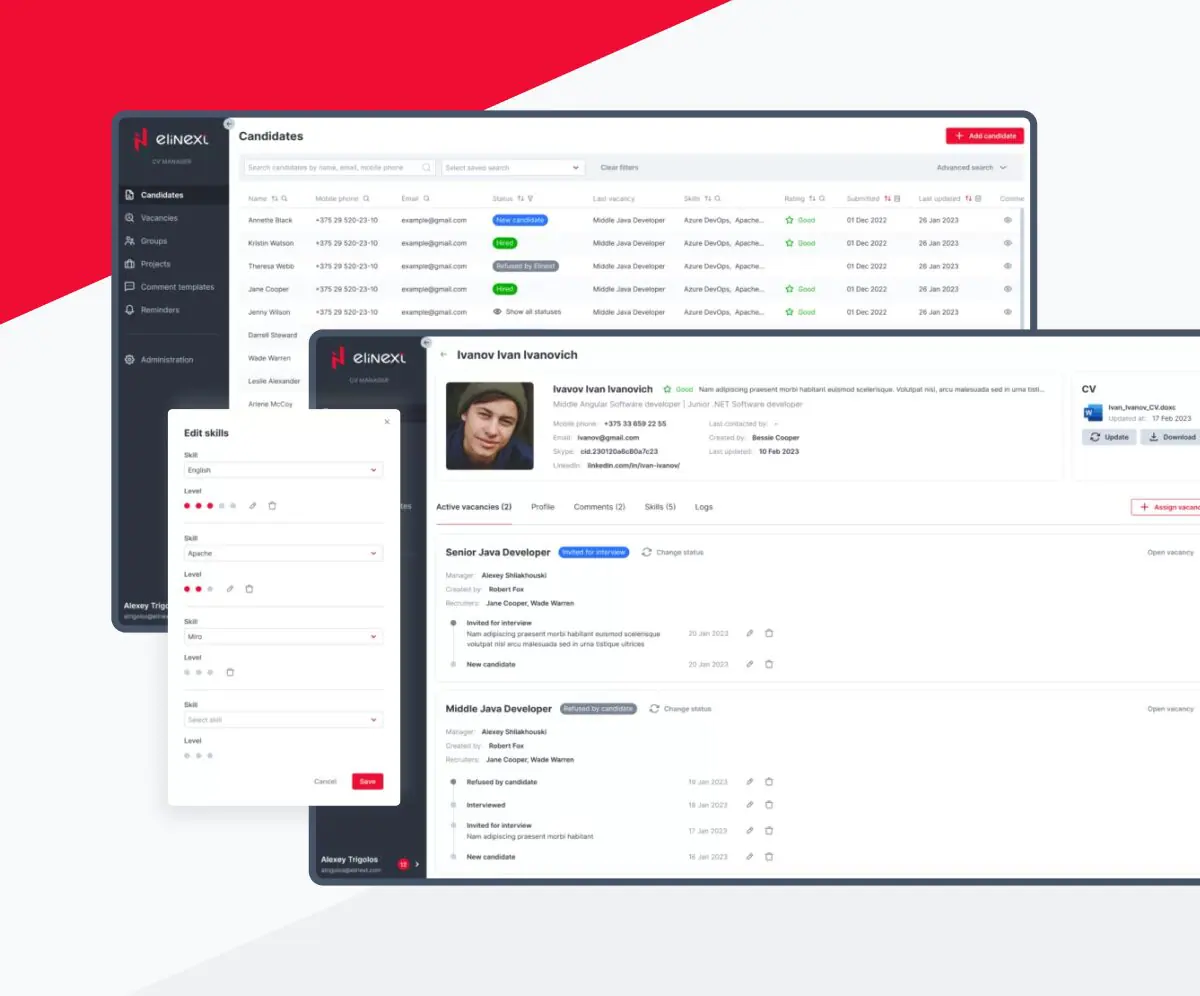
For example, EHR (Electronic Health Record) solutions provide a comprehensive and intuitive platform that enables healthcare providers to manage patient information and monitor their progress. Our EHR solutions can also help practitioners reduce errors, increase efficiency, and streamline workflows. Additionally, software developed by Elinext can help healthcare providers comply with regulations, such as HIPAA, ensuring the security and privacy of patient data.
AI diagnostics software
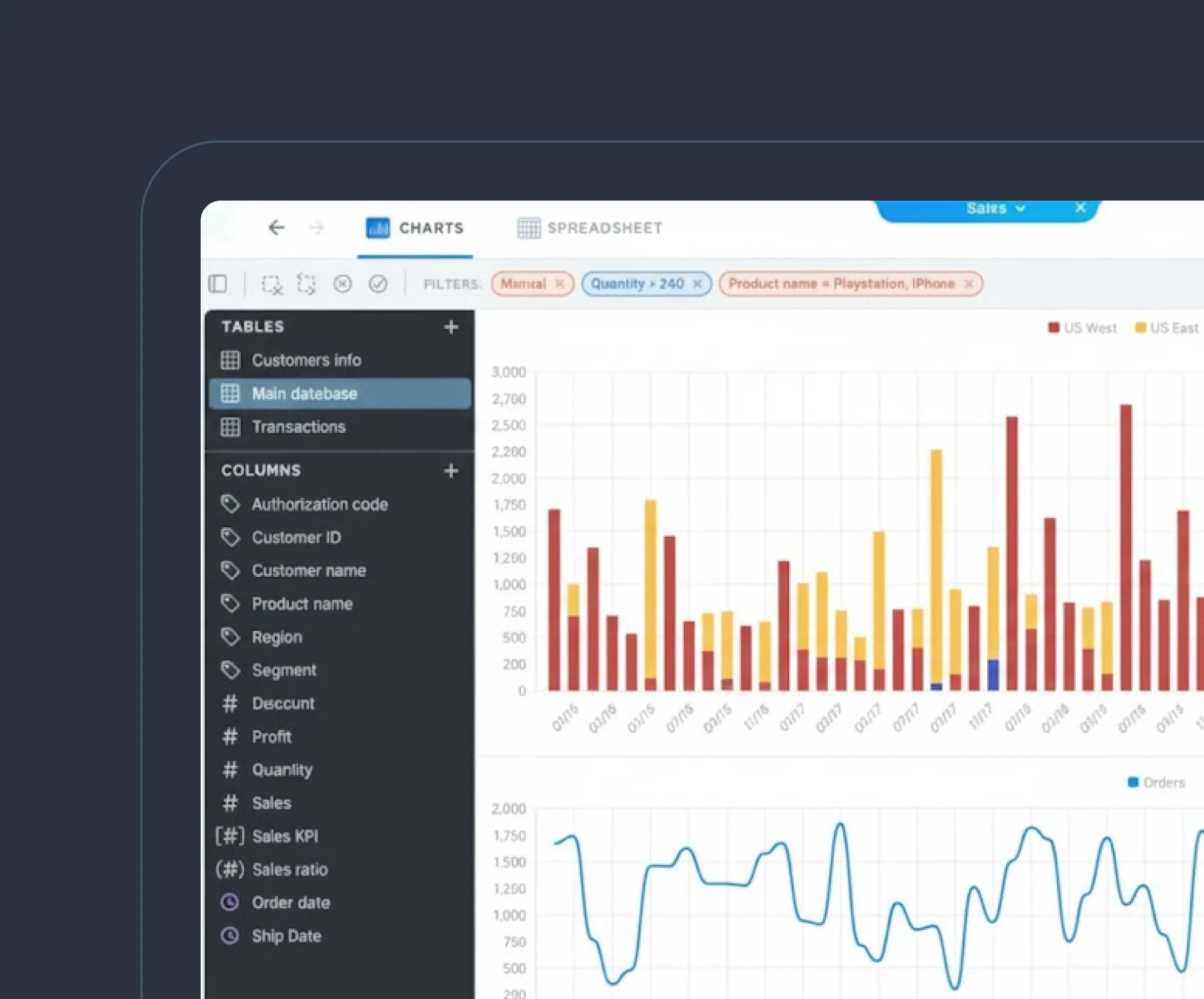
Diagnostic software uses AI algorithms to analyze patient data and identify potential health issues. Healthcare software development services can help healthcare providers make more accurate diagnoses and provide effective treatments. Our software can also help practitioners monitor the effectiveness of treatments and make adjustments as needed, ensuring that patients receive the care they need to recover fully.
Сertainly, those are just a few examples of software applications. There are pieces of software that allow providing biomechanics analysis in sports medicine and performance monitoring software.
AI technology is widely used in sports medicine. Sports medicine software solutions come in all shapes and sizes.
Software (and hardware) improves sports injury rehabilitation by shortening recovery time. Wearables, genetic testing, and machine learning algorithms can help prevent sports injuries. Smart devices can improve sports injury rehabilitation by shortening recovery time and easing the discomfort experienced during the healing process.

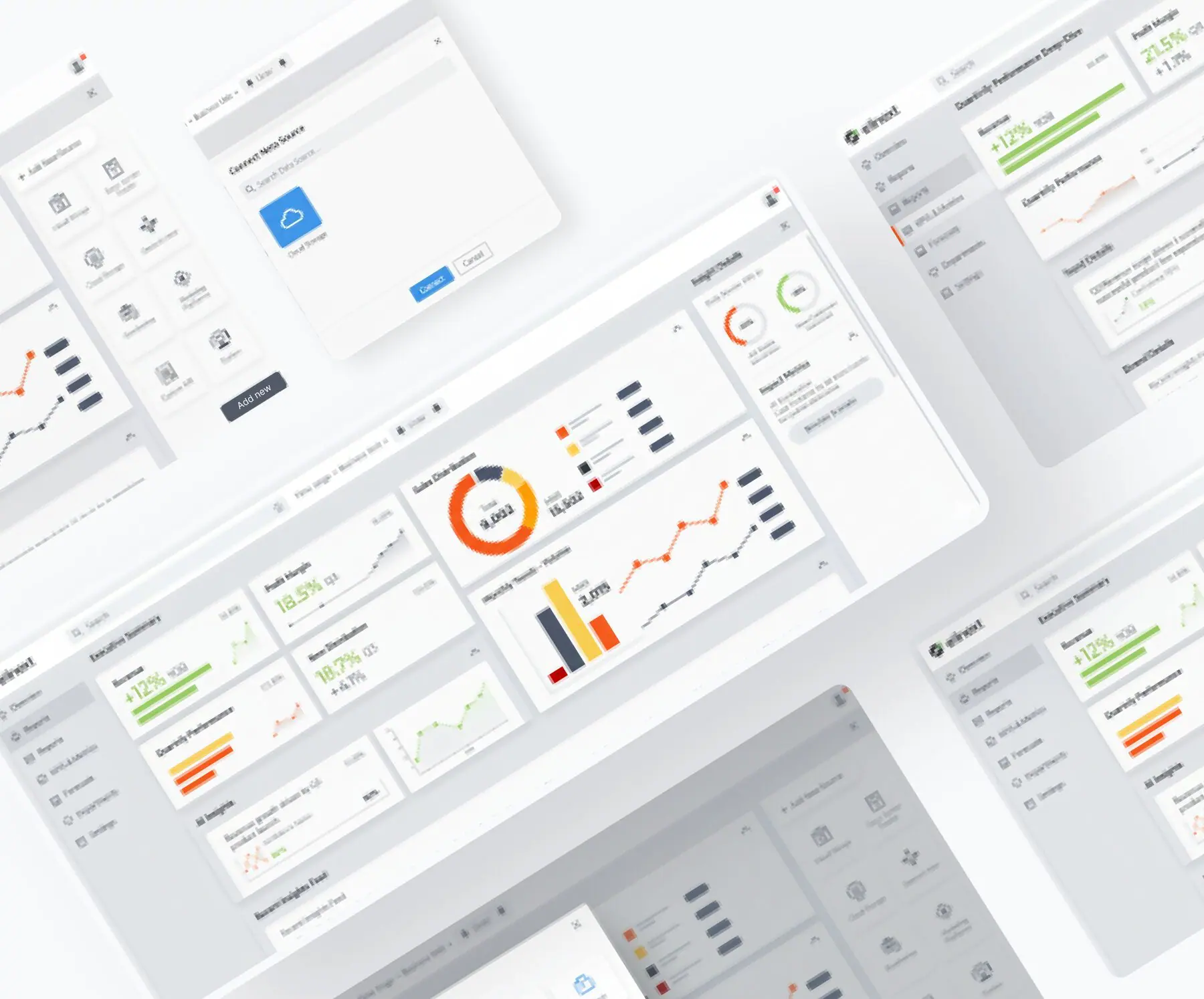
Sports medicine solutions today face a data fragmentation crisis, injury records, wearable data streams, and rehabilitation logs are stored in silos, making proactive care virtually impossible. As a fitness app development company, Elinext unifies these data sources into a single intelligent platform. Clinics reduce misdiagnosis; Teams are reducing the number of season-ending injuries.

Conclusion
As the demand for medical device software development services continues to grow, the role of healthtech software in improving sports medicine will become increasingly important in the years to come. The market is expected to appreciate and reach $11.86 billion by 2030, according to Strategic Market Research.
If you’re looking for ways to enter the market with your unique product in the field, contact Elinext as your sports medicine-related software development partner.
Artificial intelligence, wearables, and regenerative therapies are changing the way athletes are treated. By 2026, the sports medicine market is expected to reach $8.55 billion, while the AI in sports market is expected to reach $12.69 billion, growing at a CAGR of 21.6%.
Telerehabilitation is growing at a CAGR of 13.2%, and regenerative medicine accounts for 39.22% of the market. For organizations investing in sports software development, unified platforms that integrate solutions physical therapy & sports medicine with digital innovations will drive elite athlete performance and sustainable health in 2026 and beyond.
Sports Medicine Solutions: Terms Explained
-
Artificial Intelligence (AI) Injury Prediction
The AI-powered injury prediction system uses machine learning to analyze biomechanical data and predict risk before symptoms occur. AI models predict hamstring tears with 85% accuracy, enabling preventative interventions for athletes.
-
Wearable Performance Tracking Technology
Wearable performance tracking devices use GPS, accelerometers, and biosensors to monitor heart rate, load, and movement in real time. Catapult OptimEye provides insights that optimize training and reduce the risk of overuse injuries.
-
Regenerative Medicine
Regenerative medicine uses stem cells, PRP injections, and tissue engineering to repair musculoskeletal injuries, shortening the recovery period from tendon and ligament injuries and reducing athletes’ reliance on surgery.
-
Tele-Rehabilitation (Remote Physiotherapy)
Telerehabilitation provides remote physical therapy via digital platforms, allowing therapists to monitor exercises online. Evidence supports that outcomes are comparable to in-person treatment, expanding access for athletes in remote locations.
-
Biomechanical Movement Analysis
Biomechanical movement analysis uses motion capture, force platforms, and IMU sensors to quantify joint angles and muscle patterns. It identifies asymmetries, predicting the risk of ACL injury, and assists in the development of injury prevention protocols.
-
Athlete Performance Analytics
Sports performance analytics integrates physiological, biomechanical, and psychological data using machine learning to predict fitness and optimize training. Teams use it to reduce fatigue-related injuries and maximize performance.
-
Load Management Systems
Workload management systems track workload ratios using GPS and sensors to balance training stress and recovery. Clubs use ACWR models to prevent overuse injuries and make informed return-to-play decisions.
-
Personalized Rehabilitation Programs
Personalized rehabilitation programs use patient biomechanics, virtual reality, and adaptive machine learning to personalize therapy in real time. They maximize functional recovery, increase engagement, and evolve as the athlete’s needs change.
FAQ
-
Future trends in sports medicine include AI, wearables, telerehabilitation, and regenerative therapies. Sports software development platforms integrate these technologies to optimize athlete care.
-
AI-powered injury prediction uses biomechanics data to predict risk with 85% accuracy. Sports software development tools implement AI models for proactive clinical prevention.
-
Wearables track athletes’ biometric data in real time. Solutions physical therapy & sports medicine providers use this data to personalize rehab and prevent re-injury.
-
Regenerative medicine regenerates tissue using PRP and stem cells, reducing recovery time. Sports software development systems track treatments to optimize protocols.
-
Telerehabilitation is a digital model of physical therapy that has proven effective in achieving results comparable to in-person treatments. Clinics worldwide are using it to reduce costs and improve patient compliance.
-
Personalized sports medicine tailors treatment to an athlete’s individual data for optimal recovery. Teams use it to reduce the risk of recurrence and sustainably extend athletic careers.
-
Data analysis in sports uses performance metrics to make more informed training decisions. Coaches use it to detect fatigue early and optimize workloads for maximum results.